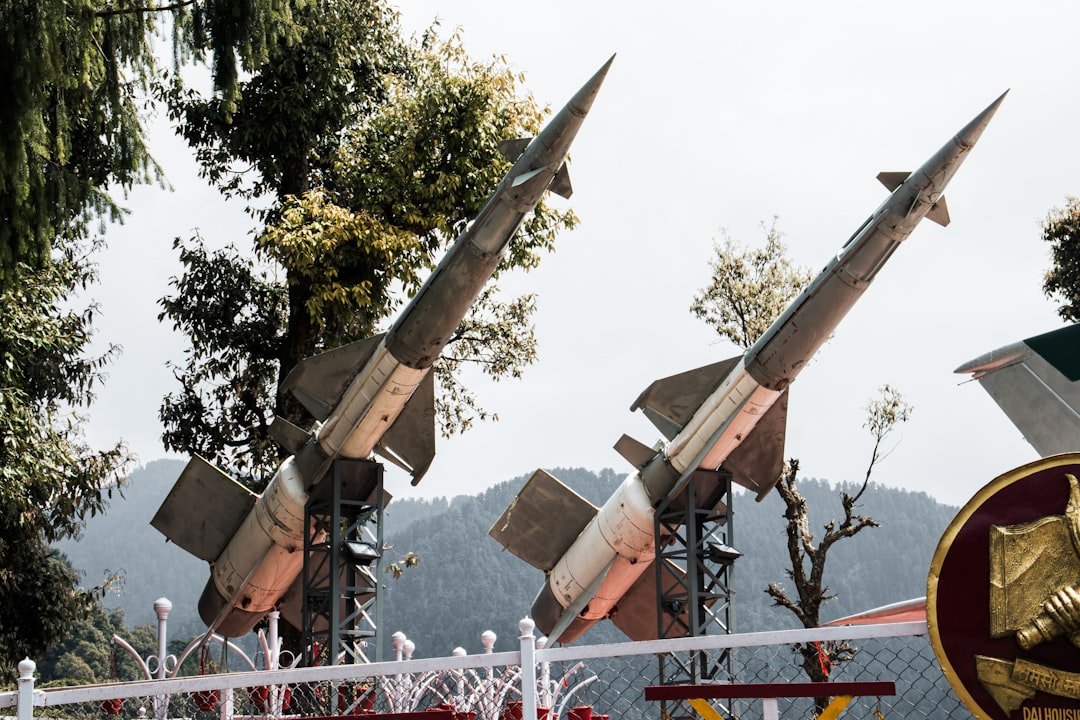
Across the skies of Sweden in the summer of 1946, a peculiar phenomenon began to manifest. Reports emerged of cigar-shaped objects, trails of exhaust, and peculiar atmospheric disturbances, all collectively dubbed “Ghost Rockets.” These sightings, initially dismissed as isolated incidents or misinterpretations, soon escalated into a widespread and persistent mystery, prompting a formal investigation by the Swedish military.
An Unprecedented Aerial Phenomenon
The summer of 1946 proved to be a period of unusual atmospheric activity over Sweden. What began as a trickle of anecdotal observations soon coalesced into a deluge of reports, painting a picture of an unprecedented aerial phenomenon. The consensus among many witnesses described objects of a metallic, often cigar-like, appearance, traversing the sky at speeds that defied conventional aircraft of the era. These objects were frequently accompanied by discernible trails, sometimes described as smoke, exhaust, or even glowing matter, further emphasizing their anomalous nature.
The Initial Wave of Sightings
June and July of 1946 saw a marked increase in reported sightings. The rural regions of Sweden, with their vast open skies and fewer light-polluting distractions, became prime locations for these observations. Farmers, fishermen, and ordinary citizens alike found themselves looking skyward, perplexed and sometimes alarmed by what they witnessed. The descriptions, while varying in detail, often shared common threads: the distinct shape, the unusual speed, and the presence of a trailing emission. Early reports were often met with skepticism, attributed to meteorological events, conventional aircraft, or hallucinations. However, the sheer volume and consistency of the accounts began to challenge these dismissive explanations.
Geographic Distribution and Temporal Patterns
The sightings were not confined to a single region but were reported across a significant portion of Sweden. While some areas experienced a higher concentration of reports, the phenomenon appeared to be geographically widespread. This broad distribution suggested a phenomenon that was not localized or attributable to a single, isolated experimental aircraft or event. Furthermore, temporal patterns also emerged, with the peak intensity of sightings occurring during the summer months, leading to speculation about potential environmental or atmospheric influences, or simply better visibility during the longer daylight hours.
In 1946, Sweden experienced a series of mysterious sightings known as “ghost rockets,” which prompted military investigations and reports to understand the nature of these unidentified flying objects. For those interested in delving deeper into the historical context and implications of these events, a related article can be found at XFile Findings, which explores various theories and accounts surrounding the ghost rockets phenomenon and its impact on military and scientific communities in Sweden.
The Swedish Military’s Response
As the sightings persisted and the reports gained traction, reaching the ears of journalists and even members of Parliament, the Swedish military could no longer afford to ignore the burgeoning mystery. The potential implications, ranging from foreign reconnaissance to unknown natural phenomena, necessitated a formal investigation. The Swedish Air Force, in particular, took the lead, establishing protocols and gathering evidence.
Establishment of an Official Investigating Body
Recognizing the need for a structured and systematic approach, the Swedish Air Force established an internal committee dedicated to investigating the “ghost rocket” phenomenon. This body was tasked with collecting, analyzing, and evaluating all incoming reports. The aim was to move beyond anecdotal evidence and to attempt to apply scientific rigor to an inherently perplexing subject. The committee comprised individuals with expertise in aviation, meteorology, and intelligence, reflecting the multifaceted nature of the inquiry.
Methods of Data Collection and Analysis
The military employed various methods to gather information. Eyewitness accounts were meticulously documented, with investigators attempting to corroborate details through multiple testimonies. They also collected physical evidence, whenever possible, such as photographic and telescopic observations, and even remnants from alleged impact sites. Radar data, though limited in its scope during that era, was also reviewed for any anomalies that might correlate with the visual sightings. The analysis of this data involved cross-referencing reports, looking for commonalities in descriptions, and attempting to rule out known phenomena.
Key Characteristics and Witness Testimonies
The documented evidence from the 1946 “ghost rocket” incidents offered a wealth of information, painting a consistent, albeit baffling, picture of the observed phenomena. The recurring descriptions provided by a diverse range of credible witnesses formed the bedrock of the military’s investigation.
The “Cigar” Shape and Metallic Appearance
A remarkably consistent feature across many reports was the description of the objects as elongated and often cigar-shaped. Witnesses frequently used terms like “torpedo,” “flying cylinder,” or “boat-like” to describe the form. The visual perception was that these objects possessed a solid, metallic surface, reflecting light and appearing to be constructed from a dense material. This metallic quality, combined with the unusual shape, immediately set them apart from conventional aircraft. Some reports even detailed observing seams or rivets on the surface, further reinforcing the idea of constructed objects.
Speed and Maneuverability Beyond Conventional Capabilities
Another significant aspect that drew the attention of investigators was the reported speed and apparent maneuverability of these objects. Many eyewitnesses described them moving at speeds far exceeding those of contemporary jet or propeller aircraft. The movements were often described as smooth and deliberate, with some reports detailing sudden changes in direction or altitude that would have subjected a conventional aircraft to extreme G-forces. Some witnesses claimed the objects hovered briefly before accelerating rapidly. These attributes, if accurate, pointed towards propulsion systems or aerodynamic principles not understood or utilized by any known nation during that period.
The Peculiar Trailing Emissions
The presence of trailing emissions was a common denominator in a substantial portion of the “ghost rocket” reports. These trails were not always described as typical exhaust fumes. Some witnesses reported seeing a bright, glowing luminescence, while others described a faint, wispy smoke or vapor. The color of these emissions varied, with reports mentioning white, grey, and even reddish hues. The duration and intensity of these trails also differed, with some dissipating quickly and others lingering in the atmosphere for some time. The nature of these emissions, therefore, became a significant point of inquiry, hinting at an unusual form of propulsion or atmospheric interaction.
Official Military Conclusions and Lingering Questions
After months of dedicated investigation, the Swedish military compiled its findings. While a definitive explanation remained elusive, the official stance acknowledged the reality of the phenomenon and the credibility of the reports. However, the conclusions also highlighted the limitations of their investigation and the numerous unanswered questions that persisted.
Ruling Out Conventional Explanations
The military’s investigation systematically attempted to attribute the sightings to known phenomena. This process involved consulting meteorological experts to assess the possibility of unusual atmospheric conditions, such as ball lightning or specific cloud formations. They also cross-referenced reports with known aircraft activities by Swedish and allied air forces, as well as any intelligence on Soviet experimental aircraft. In most cases, these conventional explanations were found to be insufficient to account for the consistent and peculiar characteristics reported by witnesses. The speed, shape, and maneuverability, in particular, consistently defied existing technological capabilities.
The “Ball Lightning” Hypothesis and its Limitations
One of the primary hypotheses explored by the investigators was the phenomenon of ball lightning. This rare and poorly understood atmospheric electrical discharge can appear as a luminous, floating sphere. While ball lightning could account for some of the luminous aspects of the sightings, it failed to explain the consistent reports of elongated, metallic, and often non-spherical objects. Furthermore, the sustained and deliberate flight paths described were not consistent with the transient and erratic nature of known ball lightning events. The military acknowledged the possibility of some sightings being misidentified ball lightning but maintained that it could not explain the totality of the reports.
The “Weather Balloon” and “Meteor Impact” Explanations
Another line of inquiry involved the possibility of advanced weather balloons or newly discovered meteorological phenomena acting as a source of the sightings. However, the descriptions often involved objects that appeared to be solid and metallic, with discernible propulsion, which did not align with the typical characteristics of weather balloons. Similarly, the idea of meteoric impacts was considered, but the prolonged observation times, reported maneuverability, and the consistency of the “rocket” like descriptions made this explanation unlikely for the majority of incidents. The military conceded that some observers might have misidentified falling debris or atmospheric burning of meteors, but again, this did not cover the entire spectrum of reports.
The Unsubstantiated Nature of Foreign Aircraft
While the Cold War era was a period of heightened geopolitical tension, the Swedish military’s investigations did not yield concrete evidence pointing to the deliberate deployment of foreign reconnaissance or experimental aircraft of unknown origin. The lack of definitive radar signatures of known foreign craft, coupled with the consistent reports from varied locations, made it difficult to definitively attribute the sightings to any specific foreign power. The possibility was acknowledged, but without tangible proof, it remained speculative.
In 1946, Sweden experienced a series of mysterious sightings known as the “ghost rockets,” which led to numerous military reports and investigations into these unexplained phenomena. These incidents sparked considerable intrigue and speculation about potential foreign surveillance or advanced technology. For those interested in delving deeper into the topic, a related article provides further insights into the historical context and implications of these sightings. You can read more about it in this detailed exploration of the ghost rockets and their impact on military perceptions during that era.
International Context and the Cold War Influence
The phenomenon of the “ghost rockets” did not emerge in a vacuum. Its occurrence coincided with a period of immense global change and escalating international tensions, most notably the nascent Cold War. This global backdrop undoubtedly influenced how the sightings were perceived and investigated, both by the Swedish military and by the wider public.
The Dawn of the Jet Age and Early UFO Narratives
The late 1940s marked the beginning of the jet age, with rapid advancements in aviation technology. This era also saw the emergence of early UFO (Unidentified Flying Object) narratives, fueled by sightings that defied established understanding. The “ghost rockets” fit squarely within this emerging category of unexplained aerial phenomena, capturing the public imagination and fueling speculation about advanced, potentially extraterrestrial, technologies. The military’s careful handling of the investigation, while aiming for objectivity, was also influenced by the need to avoid public panic or inadvertently revealing sensitive intelligence capabilities.
Geopolitical Tensions and Suspicions
The post-World War II landscape was characterized by deep suspicion between the Western Allies and the Soviet Union. Sweden, though neutral, found itself situated strategically between these emerging blocs. This geopolitical climate meant that any unexplained aerial activity was immediately viewed through the lens of potential espionage or technological advancement by adversarial powers. The “ghost rockets” could have been interpreted by some as a new form of Soviet weapon or reconnaissance device, while others might have suspected a similar capability operated by the Western powers. The military’s official statements, while avoiding definitive conclusions, likely also considered the diplomatic implications of attributing such phenomena to foreign nations.
The Role of Media and Public Perception
The media played a significant role in amplifying the “ghost rocket” phenomenon. As reports proliferated, newspapers and radio stations across Sweden began to cover the sightings extensively. This widespread media attention not only brought the issue to the forefront of public consciousness but also likely encouraged a greater number of individuals to report their own experiences, creating a self-perpetuating cycle of observation and documentation. The intense public interest, while perhaps not directly influencing the military’s scientific methodology, undoubtedly added pressure for a definitive explanation.
Legacy and Enduring Mystery
Despite the dedicated efforts of the Swedish military, the “ghost rocket” incidents of 1946 remain a captivating and ultimately unresolved enigma. The military’s official conclusions, while logical within the constraints of their investigation, opened more doors of speculation than they definitively closed. The phenomenon left an indelible mark on Swedish history and continues to be a subject of interest for researchers of unexplained aerial phenomena.
The Military’s Official Stance and its Ambiguity
The official conclusion of the Swedish government, as presented in declassified documents, acknowledged that the majority of the “ghost rocket” sightings could not be unequivocally explained by known natural phenomena or conventional aircraft. While the military did not formally endorse extraterrestrial explanations, their inability to provide a definitive prosaic explanation left the door open for such interpretations. This official ambiguity has fueled continued discussion and debate for decades. The reports indicated a genuine phenomenon that defied easy categorization, and this lack of a clear-cut answer is, in itself, a significant part of the story.
The Enduring Allure of the Unexplained
The “ghost rocket” incidents serve as a powerful reminder of the limits of human knowledge and the enduring allure of the unknown. The meticulous, yet ultimately inconclusive, military investigation highlights the challenges of confronting genuine mysteries. The phenomenon touched upon fundamental questions about what could be flying in our skies, and the possibility that something fundamentally new or unknown was at play. The consistent, credible witness testimonies, coupled with the failure of conventional explanations, continue to make the “ghost rockets” a compelling subject of fascination and study.
Modern Interpretations and Ongoing Research
Decades after the initial sightings, the “ghost rockets” continue to attract attention from researchers, historians, and enthusiasts of ufology. While some have attempted to re-evaluate the evidence through the lens of modern scientific understanding, no single theory has achieved widespread consensus. Some still hold out hope for declassified information or new evidence that might illuminate the mystery. The Swedish military’s report, though dated, stands as a testament to the serious approach taken by an official body in confronting unexplained aerial phenomena, and its legacy is one of enduring intrigue. The “ghost rockets” remain firmly embedded in the annals of unsolved mysteries, a potent symbol of the unexplainable that can sometimes traverse the skies above us.
FAQs
What were the 1946 ghost rockets in Sweden?
The 1946 ghost rockets were a series of unidentified flying object (UFO) sightings reported in Sweden and nearby countries. These sightings involved rocket-like objects that were observed flying at high speeds and making sharp turns, leading to speculation about their origin and purpose.
What did the Swedish military report about the ghost rockets?
The Swedish military conducted investigations into the ghost rocket sightings and reported that they were unable to identify the objects or determine their origin. The military also noted that the objects did not match any known aircraft or missile technology at the time.
Were there any theories about the origin of the ghost rockets?
Several theories were proposed to explain the origin of the ghost rockets, including speculation that they could be experimental weapons or technology developed by a foreign power. Some also suggested that the sightings could be related to natural phenomena or misidentifications of known objects.
Did the ghost rocket sightings have any lasting impact?
The ghost rocket sightings in 1946 sparked international interest and led to increased public awareness of UFO phenomena. The Swedish military’s inability to identify the objects also contributed to ongoing speculation and debate about the existence of extraterrestrial life and advanced technology.
Have there been any conclusive explanations for the ghost rockets?
Despite ongoing research and speculation, no conclusive explanations have been reached regarding the origin of the ghost rockets. The sightings remain a historical mystery and continue to be a subject of interest for UFO enthusiasts and researchers.