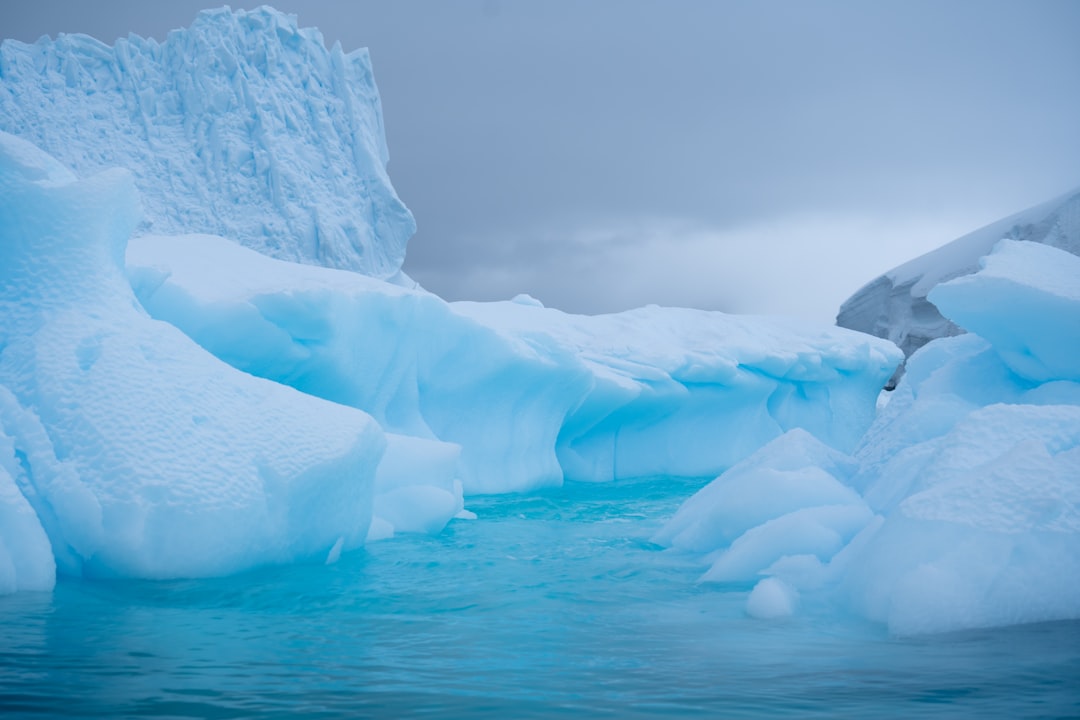
The pristine white expanse of Antarctica, a continent often viewed as a remote, unchanging sentinel at the bottom of the world, is, in fact, a deeply dynamic system teetering on the precipice of profound alteration. Its colossal ice sheets, built over millions of years, are now succumbing to an accelerating melt, a process that poses a multi-faceted and potentially catastrophic threat to global ecosystems, human societies, and the very fabric of our planet’s climate. This article delves into the intricate mechanisms driving Antarctic ice loss, its far-reaching consequences, and the urgent imperative for global action.
Antarctica is not monolithic in its response to a warming world. While its interior remains frigid, the peripheral regions, particularly the Antarctic Peninsula and West Antarctica, are experiencing dramatic changes. The primary drivers of this melt are inextricably linked to anthropogenic climate change.
Atmospheric Warming and Surface Melt
For many decades, surface melt was considered a minor contributor to overall Antarctic ice loss, primarily confined to the warmer parts of the Antarctic Peninsula during austral summer. However, recent observations indicate a disturbing increase in the frequency and intensity of surface melting events, even in regions previously thought to be impervious to such processes.
- Increased Air Temperatures: Global average temperatures are rising, and while Antarctica’s vastness buffers some of this heat, localized atmospheric warming, particularly over the Antarctic Peninsula, has been substantial. This directly enhances surface melt and contributes to the formation of melt ponds.
- Albedo Feedback: As surface ice melts, it exposes darker ice or underlying rock, which absorbs more solar radiation than highly reflective snow. This reduction in albedo (reflectivity) creates a positive feedback loop, accelerating further melting. Imagine a magnifying glass focusing sunlight; exposed darker surfaces become more efficient at absorbing heat, intensifying the local warming.
- Foehn Winds: These warm, dry, downslope winds, when they descend the mountains of the Antarctic Peninsula, can cause rapid localized warming and significant surface melt. Their increasing prevalence and intensity are a concern.
Oceanic Warming and Basal Melt
Perhaps the most insidious and consequential driver of Antarctic ice loss is the warming of the surrounding ocean. The sheer volume of water surrounding the continent acts as a massive thermal reservoir, and its increasing temperature is eroding the ice from below.
- Circumpolar Deep Water (CDW): This relatively warm, salty water mass, originating from the northern Atlantic, flows around Antarctica. Changes in ocean currents and atmospheric circulation are causing CDW to intrude onto the continental shelves, directly impinging upon the undersides of floating ice shelves.
- Ice Shelf Instability: Ice shelves, extensions of the land-based ice sheets that float on the ocean, play a critical role in buttressing the flow of interior ice. When warm ocean water erodes their basel (underside), they thin and become more susceptible to fracturing. This is akin to removing the stopper from a bathtub; once the ice shelf is weakened, the grounded ice behind it can flow into the ocean at an accelerated rate.
- Marine Ice Sheet Instability (MISI): This theoretical framework describes a runaway process where the grounding line (the point where the ice sheet stops resting on the bedrock and begins to float) retreats into deeper water. As the grounding line retreats, the ice becomes thicker at the point of detachment, causing more ice to flow into the ocean. This creates a self-sustaining cycle of retreat, a potentially irreversible tipping point.
- Marine Ice Cliff Instability (MICI): A recent addition to the understanding of ice sheet dynamics, MICI posits that as ice shelves thin and melt, tall, unstable ice cliffs can form at the calving front. These cliffs, exceeding a critical height, are inherently unstable and prone to catastrophic collapse, potentially leading to rapid and widespread ice loss.
In light of the ongoing discussions surrounding the potential for global catastrophe linked to climate change, an insightful article can be found that delves into the implications of melting ice in Antarctica. This piece highlights the alarming rate at which ice sheets are disappearing and the subsequent rise in sea levels, which could have devastating effects on coastal communities worldwide. For more information, you can read the full article here: Global Catastrophe Antarctica.
Global Repercussions: The Ripple Effect
The melting of Antarctic ice is not a localized phenomenon; its consequences reverberate across the globe. The sheer scale of the ice continent means that changes there have profound implications for everyone, regardless of geographical proximity.
Sea Level Rise: A Relentless Tide
The most direct and widely understood consequence of Antarctic melt is global sea level rise. When land-based ice melts and flows into the ocean, it adds volume to the sea, pushing shorelines further inland.
- Contributions from West Antarctica: The West Antarctic Ice Sheet (WAIS) is particularly vulnerable due to its marine-based nature, resting on bedrock largely below sea level. Its complete collapse could contribute several meters to global sea level rise over centuries or millennia.
- Contributions from East Antarctica: While considered more stable, certain sectors of the East Antarctic Ice Sheet (EAIS) are showing signs of instability, particularly those with marine-based sections. The EAIS holds enough ice to raise global sea levels by dozens of meters.
- Coastal Inundation: Even modest increases in sea level can exacerbate coastal flooding during storm surges, contaminate freshwater aquifers with saltwater, and displace millions of people living in low-lying areas. Imagine entire cities becoming modern-day Atlantises, not sinking in cataclysmic events, but gradually receding under an encroaching tide.
- Economic Impact: The costs associated with protecting coastal infrastructure, relocating populations, and adapting to a higher sea level are astronomical, posing a formidable challenge to national economies.
Disrupting Ocean Circulation: A Climate Engine in Peril
Antarctica plays a crucial role in driving global ocean circulation patterns, particularly the Atlantic Meridional Overturning Circulation (AMOC), often referred to as the “global conveyer belt.”
- Freshwater Influx: The massive input of freshwater from melting ice dilutes the surface waters around Antarctica. This fresher, less dense water is less likely to sink, disrupting the formation of Antarctic Bottom Water (AABW), a key component of deep ocean circulation.
- Weakening AMOC: A decline in AABW formation can weaken the broader AMOC, which transports heat from the tropics towards the poles. A slowdown or collapse of the AMOC could lead to significant and abrupt climate shifts globally. Imagine a broken thermostat, where the Earth’s natural heat distribution system falters, leading to extreme temperature anomalies.
- Regional Climate Impacts: A weakened AMOC could result in cooling in parts of the North Atlantic, altered precipitation patterns, and potential disruptions to marine ecosystems.
Recent research has highlighted the alarming effects of climate change on Antarctica, emphasizing the potential for a global catastrophe if current trends continue. A related article discusses the implications of melting ice sheets and rising sea levels, shedding light on the urgent need for action. For more insights into this pressing issue, you can read the full article here.
Ecological Catastrophe: A Fragile Ecosystem Under Stress
Antarctica’s unique and fragile ecosystem is intricately adapted to its icy environment. Rapid ice melt poses an existential threat to many species, with cascading effects throughout the food web.
- Krill Decline: Sea ice is a vital habitat for krill, tiny crustaceans that form the base of the Antarctic food web. As sea ice diminishes, krill populations are likely to decline, impacting predators such as penguins, seals, and whales. Think of a collapsing pyramid, where the removal of the foundational layer causes everything above it to crumble.
- Habitat Loss for Wildlife: Penguins, seals, and other marine mammals rely on sea ice and coastal ice for breeding, foraging, and resting. Reductions in these vital habitats directly threaten their survival.
- Ocean Acidification (Exacerbation): While not directly caused by Antarctic melt, the influx of freshwater can locally reduce alkalinity, potentially exacerbating ocean acidification in certain areas, further stressing calcifying organisms.
Tipping Points and Uncertain Futures: The Irreversible Thresholds
The notion of “tipping points” in Earth’s climate system is a sobering one. These are thresholds beyond which a system undergoes irreversible changes, even if the initial forcing (e.g., carbon emissions) is removed. Antarctica holds several such potential tipping points.
The West Antarctic Ice Sheet: A Vulnerable Giant
The WAIS is considered to be particularly close to a tipping point due to its marine-based configuration and the presence of retreating grounding lines.
- Irreversible Retreat: Once a certain extent of grounding line retreat occurs, the process may become unstoppable, even if atmospheric and oceanic warming were to cease. This is a crucial concept to grasp – the die could already be cast for significant portions of its collapse.
- Timescales of Collapse: While a complete collapse of the WAIS would take centuries to millennia, the rate of melt could dramatically accelerate, leading to significant sea level contributions within a human lifespan.
Ice Shelf Disintegration: The Unsung Buttress
The rapid disintegration of ice shelves, such as Larsen A and B, serves as stark warnings of the continent’s vulnerability.
- Triggering Inland Flow: The collapse of these floating buttresses allows the grounded ice behind them to accelerate their flow into the ocean. It’s like removing a cork from a bottle; the contents gush out.
- Feedback Loops: The loss of ice shelves can expose new areas of ice to warm ocean waters, initiating further basal melt and promoting further instability.
The Human Response: Mitigation and Adaptation
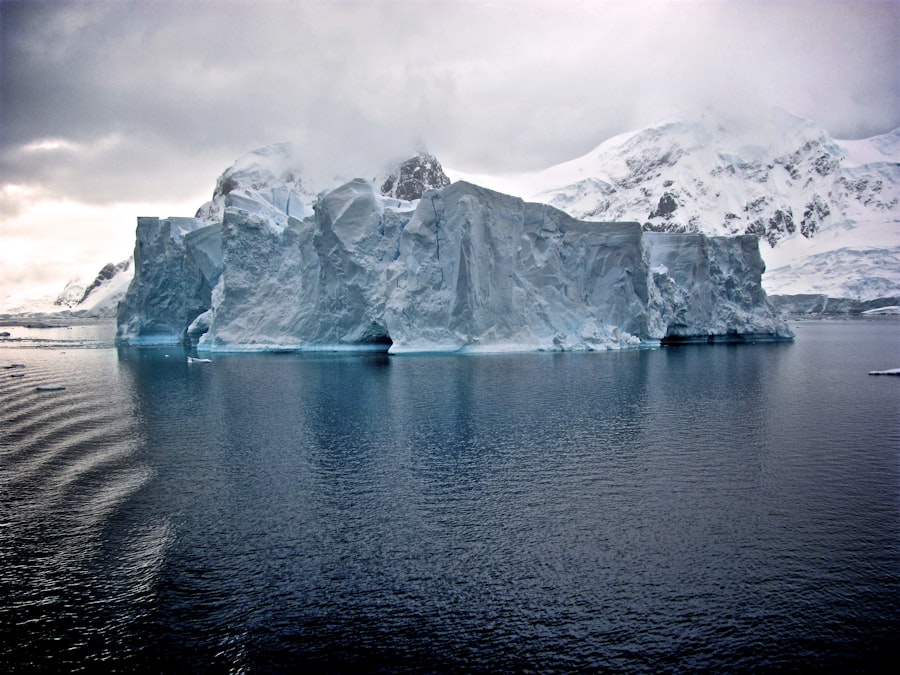
Given the profound and global nature of the threat posed by Antarctic melt, a concerted and ambitious human response is imperative. This response must encompass both mitigation (reducing greenhouse gas emissions) and adaptation (preparing for the inevitable changes).
Drastic Emissions Reductions: The Only Long-Term Solution
The fundamental driver of Antarctic ice melt is global warming, which is unequivocally linked to human-caused greenhouse gas emissions.
- Paris Agreement Targets: Adhering to and strengthening the goals of the Paris Agreement, aiming to limit global warming to well below 2°C, and ideally to 1.5°C, is paramount. This requires a rapid transition away from fossil fuels towards renewable energy sources.
- Carbon Neutrality: Achieving net-zero carbon emissions globally by mid-century is a scientific necessity to stabilize the climate system and prevent the most catastrophic outcomes. This involves not only reducing emissions but also exploring carbon capture and storage technologies.
- International Cooperation: The scale of the challenge necessitates unprecedented international collaboration, with developed nations taking leading roles in emissions reductions and providing support to developing countries.
Adaptation Strategies: Preparing for the Inevitable
Even with ambitious mitigation efforts, some level of sea level rise and climate change impacts is now unavoidable due to past emissions and the inertia of the climate system.
- Coastal Protection: Investments in sea walls, dikes, and nature-based solutions like restoring mangroves and wetlands can help protect coastal communities from rising sea levels and storm surges.
- Managed Retreat: In some highly vulnerable areas, the option of “managed retreat” – strategically relocating communities and infrastructure away from the encroaching shoreline – may become necessary. This is a difficult and sensitive undertaking, requiring careful planning and community engagement.
- Early Warning Systems: Enhancing early warning systems for extreme weather events and natural disasters is crucial for protecting lives and property in a changing climate.
- Resilient Infrastructure: Designing and building infrastructure that can withstand the impacts of a changing climate, including higher temperatures, altered precipitation patterns, and increased frequency of extreme events, is essential.
Antarctica, this majestic continent, stands as a litmus test for humanity’s ability to confront the greatest challenge of our time. The accelerating melt of its colossal ice sheets is not merely an Arctic curiosity, but a global alarm bell, echoing the urgency of decisive action. The choices made today, particularly regarding greenhouse gas emissions, will determine the fate of coastlines, communities, and ecosystems for centuries to come. The window for avoiding the most catastrophic scenarios is rapidly closing. The melting threat from Antarctica is a clear and present danger, demanding a unified and unwavering response from all nations.
FAQs
What is the main cause of the global catastrophe related to Antarctica?
The primary cause of the global catastrophe involving Antarctica is the rapid melting of its ice sheets due to climate change. Rising global temperatures are causing ice to melt at unprecedented rates, contributing to sea-level rise and disrupting global weather patterns.
How does the melting of Antarctic ice affect global sea levels?
Melting Antarctic ice contributes significantly to global sea-level rise. As the ice sheets and glaciers melt, the water flows into the oceans, increasing sea levels and threatening coastal communities worldwide with flooding and erosion.
What are the potential environmental impacts of a catastrophe in Antarctica?
A catastrophe in Antarctica could lead to severe environmental impacts, including loss of habitat for native species, disruption of ocean currents, increased frequency of extreme weather events, and accelerated global warming due to the loss of reflective ice surfaces.
Are there any efforts to mitigate the effects of the Antarctic catastrophe?
Yes, international efforts focus on reducing greenhouse gas emissions to slow global warming, protecting Antarctic ecosystems through treaties, and conducting scientific research to better understand and predict changes in the region to inform policy decisions.
How does the situation in Antarctica affect global climate systems?
Antarctica plays a crucial role in regulating Earth’s climate by influencing ocean currents and atmospheric circulation. Changes in the Antarctic ice sheets can alter these systems, leading to shifts in weather patterns, affecting agriculture, water resources, and biodiversity worldwide.