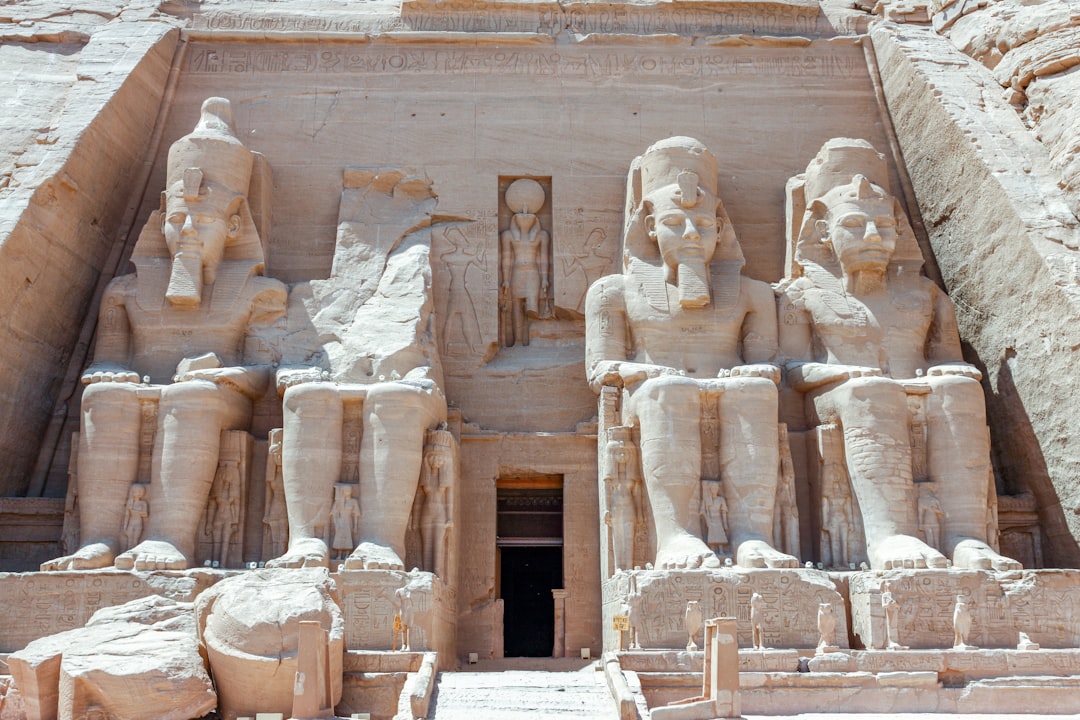
Ancient Egypt, a civilization that bloomed along the verdant banks of the Nile River, continues to captivate and mystify in equal measure. Its monumental achievements, intricate belief systems, and enduring legacy have carved an indelible mark on the tapestry of human history. For millennia, scholars and enthusiasts have delved into the sands of time, striving to unravel the enigmas that shroud this extraordinary culture. This exploration will delve into the multifaceted aspects of Ancient Egypt, from its divine rulers and awe-inspiring constructions to its sophisticated social structures and profound spiritual world.
The bedrock of Ancient Egyptian society rested upon the concept of divine kingship, a system that inextricably linked the pharaoh with the divine realm. The pharaoh was not merely a political leader; he was considered the living embodiment of the gods on Earth, a cosmic mediator tasked with maintaining ma’at – the fundamental principle of order, justice, and truth that governed the universe. This divine mandate bestowed upon the pharaoh absolute authority, making him the ultimate arbiter of law, religion, and even the very cycles of nature.
The Pharaoh as God-King
The pharaoh held a unique position in the Egyptian pantheon. He was often seen as the son of Ra, the sun god, or as an earthly manifestation of Horus, the falcon-headed deity. This divine connection was not a matter of mere rhetoric; it was deeply ingrained in the religious and political fabric of the nation. The pharaoh’s rituals and pronouncements were believed to have direct implications for the prosperity and stability of Egypt. Floods on the Nile, bountiful harvests, and victory in battle were all attributed to his divine favor and his ability to maintain ma’at.
The Crucial Role of Dynastic Succession
The smooth transfer of power was paramount for the continued stability of the Egyptian state. Dynastic succession, where the throne passed from father to son, or to a close female relative in the absence of a male heir, was the established norm. This ensured a degree of continuity and predictability, preventing the fragmentation of power that could plague less organized societies. However, the path to the throne was not always straightforward, and periods of unrest, usurpation, and civil war punctuated the long history of Ancient Egypt. The careful management of lineage and the assertion of legitimate claims were as crucial as military prowess in securing and maintaining the royal inheritance.
The Impact of Powerful Queens and Regent Mothers
While the pharaoh was the ultimate ruler, certain queens and regent mothers wielded significant influence, sometimes even ruling in their own right. Figures like Hatshepsut, who adopted the full titulary of a pharaoh, or Nefertiti, whose role in religious reforms alongside Akhenaten was profound, demonstrate that the lines of power were not always rigidly drawn. These women, through their lineage, charisma, and political acumen, could shape the destiny of Egypt, often acting as crucial stabilizing forces during periods of transition or crisis. Their ability to navigate the complex currents of royal intrigue and religious dogma was a testament to their strength and resilience.
Ancient Egypt continues to captivate historians and archaeologists alike, with its rich tapestry of culture, religion, and monumental architecture. For those interested in exploring more about this fascinating civilization, a related article can be found at Xfile Findings, which delves into the latest discoveries and insights about ancient Egyptian life, including recent archaeological finds and their implications for our understanding of this remarkable society.
Architectural Marvels: The Enduring Legacy of Stone and Symbolism
The architectural achievements of Ancient Egypt stand as colossal testaments to their ingenuity, organizational prowess, and profound spiritual beliefs. From the colossal pyramids that pierce the desert sky to the intricately carved temples that line the Nile, these structures are not merely buildings; they are enduring keystones in the grand edifice of human history. Their construction demanded immense manpower, advanced engineering, and a deep understanding of geometry and astronomy, all deployed in service of religious devotion and the perpetuation of royal power.
The Pyramids: Monuments to Eternity
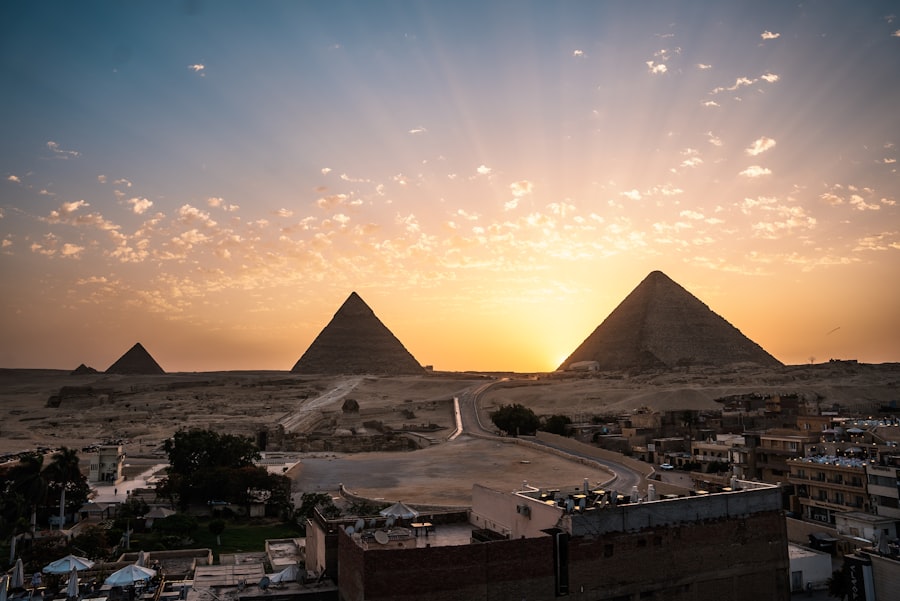
The pyramids, perhaps the most iconic symbols of Ancient Egypt, were primarily built as tombs for pharaohs and their consorts. These monumental structures were designed to protect the pharaoh’s body and possessions, ensuring his successful transition to the afterlife and his continued ability to influence the world from beyond. The sheer scale of these constructions, particularly the pyramids at Giza, is staggering. The Great Pyramid of Giza, for instance, was the tallest man-made structure in the world for over 3,800 years, a feat of engineering that continues to inspire awe. Their precise astronomical alignment and the intricate internal passages speak to a sophisticated understanding of celestial movements and a profound belief in the journey of the soul.
Temples: Houses of the Gods
Beyond the royal tombs, vast temple complexes served as the focal points of religious worship and state ceremony. These sacred spaces, dedicated to various deities, were not merely places of prayer but also functioning economic and administrative centers. The Karnak and Luxor temples, with their colossal columns, obelisks, and elaborate hieroglyphic inscriptions, offer a glimpse into the grandeur of Egyptian religious life. Priests resided within these complexes, performing daily rituals, tending to the needs of the divine statues, and managing the vast landholdings and resources associated with cult worship. The temples were the beating hearts of the religious system, pumping lifeblood into the spiritual and economic landscape of Egypt.
The Significance of Hieroglyphs and Reliefs
The walls of tombs and temples were not left bare; they were adorned with a rich tapestry of hieroglyphs and intricate reliefs. These inscriptions served multiple purposes: they documented historical events, recorded religious rituals and myths, and provided spells and incantations intended to aid the deceased in the afterlife. The intricate carvings and paintings offer invaluable insights into the daily lives, beliefs, and artistic sensibilities of the Ancient Egyptians. Each symbol, meticulously carved or painted, acts as a shard of glass reflecting a distant era, allowing us to piece together the story of a civilization long gone. The artistry displayed, even in the humblest of burials, speaks to a pervasive aesthetic sensibility that permeated all levels of society.
The Heartbeat of Society: Social Structures and Daily Life
While the grandeur of pharaohs and pyramids often occupies the forefront of our imagination, the true strength of Ancient Egypt lay in its intricately woven social fabric and the daily lives of its people. From the farmers who toiled in the fertile Nile valley to the scribes who meticulously recorded every detail of administration, each individual played a vital role in the functioning of this vast and complex society. Understanding these social structures is like deciphering the intricate gears of a magnificent clock, each part working in concert to keep time.
A Stratified Society with Clear Hierarchies
Ancient Egyptian society was decidedly hierarchical, with a clear differentiation of roles and responsibilities. At the apex stood the pharaoh, followed by a cadre of nobles, high priests, and government officials. Beneath them were the scribes, artisans, merchants, and soldiers. The vast majority of the population, however, comprised farmers and laborers, whose diligent work sustained the entire civilization. While social mobility was limited, it was not entirely absent, and exceptional individuals could rise through the ranks through talent and opportunity.
The Pivotal Role of the Scribe
The scribe occupied a position of immense prestige and influence in Ancient Egyptian society. Literacy was a rare skill, and those who possessed it were essential for the functioning of the state. Scribes were responsible for recording all manner of information, from tax collections and legal proceedings to religious texts and literary works. Their ability to read and write was the key that unlocked the doors to knowledge and power, allowing them to move within the circles of administration and influence. The papyrus scroll, in their hands, was a potent tool, shaping the narrative and preserving the legacy of Egypt.
The Lives of the Common People: Laborers and Farmers
The rhythm of life for most Ancient Egyptians was dictated by the agricultural cycles of the Nile. Farmers, the backbone of the economy, cultivated crops such as wheat, barley, and flax. Their lives were intrinsically linked to the annual inundation of the Nile, a event they viewed with both reverence and practical concern, as it brought fertile silt for their fields. Laborers worked on monumental construction projects, in mines, or as domestic servants. Despite the hardships, there was a sense of community and shared endeavor that characterized their existence. The stories whispered around hearths and sung in fields offer a different, yet equally important, perspective on this enduring civilization.
The Influence of Family and Community
The family unit formed the cornerstone of Egyptian society. Marriages were typically arranged, and children were highly valued. While the father was generally the head of the household, women enjoyed a relatively high status compared to many other ancient civilizations. They could own property, inherit wealth, and engage in business. Community ties were also strong, with villages and towns acting as focal points for social interaction, religious observances, and mutual support. The bonds forged within these smaller units provided a crucial safety net and a sense of belonging in a world often governed by larger, impersonal forces.
The Journey Beyond: Beliefs, Rituals, and the Afterlife
The spiritual landscape of Ancient Egypt was as rich and complex as its physical monuments. A profound belief in the afterlife permeated every aspect of their culture, shaping their art, architecture, and daily practices. Death was not seen as an end but as a transition, a crucial stage in an eternal journey that required careful preparation and the appeasement of divine forces. To grasp their beliefs is to understand the very engine that powered their civilization.
The Pantheon of Gods and Goddesses
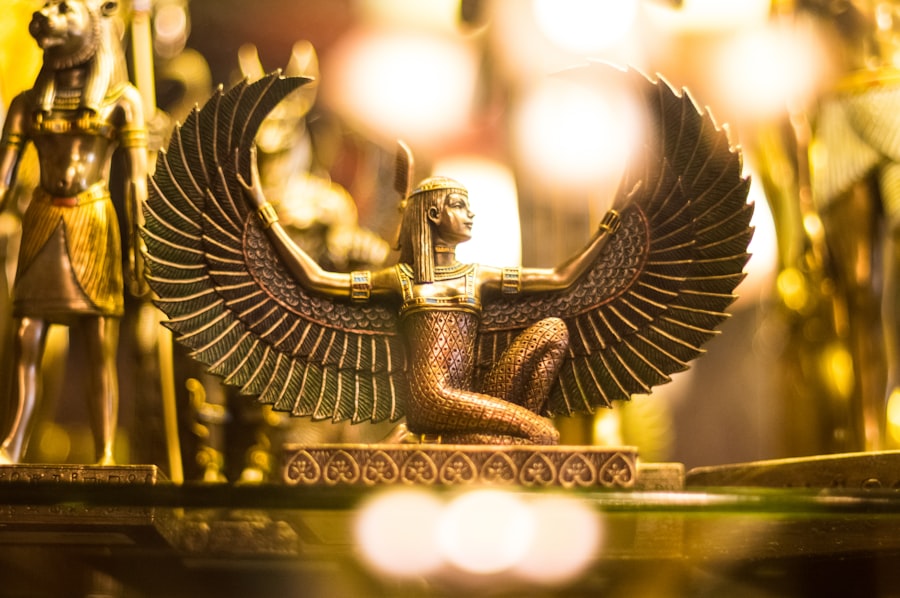
Ancient Egyptians worshipped a vast and diverse pantheon of gods and goddesses, each with their own domains, symbols, and mythologies. Gods like Ra (the sun god), Osiris (god of the afterlife and resurrection), Isis (goddess of magic and motherhood), and Anubis (god of mummification) played significant roles in their religious understanding. The relationships between these deities, often depicted as familial or adversarial, formed the basis of their complex mythology, explaining the forces that governed the cosmos and the human experience.
The Process of Mummification: Preserving the Body for Eternity
The practice of mummification was central to the Egyptian belief in the afterlife. The ancient Egyptians believed that the body needed to be preserved for the ka (life force) and ba (soul) to recognize it and continue their existence in the afterlife. This elaborate process involved the removal of internal organs, dehydration of the body using natron salt, and wrapping it in linen bandages. The intricate steps and the rituals associated with mummification underscore the immense importance placed on ensuring a successful transition to the next world.
The Book of the Dead: A Guide to the Underworld
The Book of the Dead is a collection of spells, prayers, and incantations intended to guide the deceased through the perilous journey of the underworld and into the eternal paradise. These texts, inscribed on papyrus scrolls, tomb walls, and sarcophagi, acted as a spiritual roadmap, equipping the deceased with the knowledge and magical power to overcome the trials and tribulations of the afterlife, including divine judgment. It served as a vital compass in the uncharted territory of death.
The Concept of Ma’at and Divine Judgment
Ma’at was not just a concept for the living; it was the fundamental principle against which the souls of the deceased were judged in the afterlife. In the Hall of Two Truths, the heart of the deceased was weighed against the feather of Ma’at. If the heart was lighter, signifying a life lived in accordance with truth and justice, the individual was deemed worthy of eternal life. If it was heavier, laden with sin and imbalance, it would be devoured by the monstrous Ammit, and the soul would cease to exist. This concept of cosmic balance and personal accountability was a powerful moral force.
Ancient Egypt has long fascinated historians and archaeologists alike, with its rich tapestry of culture, religion, and monumental architecture. One intriguing aspect of this ancient civilization is its complex burial practices, which were deeply intertwined with their beliefs about the afterlife. For those interested in exploring more about the mysteries of Ancient Egypt, you can read a related article that delves into the significance of the pyramids and their construction methods. This insightful piece can be found here.
The Echoes of Ancient Egypt: Influence and Enduring Mysteries
| Metric | Value | Notes |
|---|---|---|
| Period | c. 3100 BCE – 30 BCE | From Early Dynastic Period to Roman conquest |
| Major Dynasties | 31 | From First Dynasty to Ptolemaic Dynasty |
| Population (approx.) | 1-4 million | Varied over time, estimates for New Kingdom period |
| Famous Pharaohs | 10+ | Includes Ramses II, Tutankhamun, Cleopatra VII |
| Major Monuments | 100+ | Pyramids, Temples, Tombs, Sphinx |
| Writing System | Hieroglyphics | Used for religious texts and inscriptions |
| Religion | Polytheistic | Worship of gods like Ra, Osiris, Isis |
| Major River | Nile River | Essential for agriculture and transportation |
| Key Inventions | Calendar, Papyrus, Irrigation | Contributed to agriculture and record-keeping |
The legacy of Ancient Egypt reverberates through the corridors of time, its influence subtly woven into the fabric of subsequent civilizations and continuing to spark fascination centuries later. While much has been deciphered, certain enigmas persist, proving that the sands of Egypt still hold secrets waiting to be unveiled. The whispers of their achievements continue to inspire wonder and scholarly inquiry.
Contributions to Mathematics, Astronomy, and Medicine
Ancient Egyptians made significant advancements in various fields of knowledge. Their practical needs for surveying land, constructing monumental structures, and tracking celestial events led to the development of sophisticated mathematical and astronomical systems. Their understanding of geometry, for instance, was crucial for pyramid construction, and their astronomical observations allowed for the creation of accurate calendars. In medicine, they possessed a detailed knowledge of anatomy and were skilled in surgery and the use of herbal remedies, as evidenced by surviving medical papyri.
Enduring Artistic and Architectural Inspiration
The artistic motifs, architectural styles, and symbolic language of Ancient Egypt have exerted a profound influence on later cultures. From the neoclassical movements of Europe to the Art Deco era, elements of Egyptian design have been reinterpreted and integrated into diverse artistic expressions. The grandeur and symbolic power of their monumental architecture continue to inspire awe and emulation, demonstrating the timeless appeal of their aesthetic sensibilities.
Unanswered Questions and Ongoing Discoveries
Despite millennia of study, many questions about Ancient Egypt remain unanswered. The exact methods used to construct the pyramids, the precise meaning of certain hieroglyphic passages, and the full extent of their societal complexities are still subjects of ongoing research and debate. New archaeological discoveries are constantly being made, unearthing fresh insights and challenging existing theories. The exploration of Ancient Egypt is a continuous process, a perpetual quest to illuminate the shadows of the past. The Nile continues to flow, and with it, the stories of a remarkable civilization continue to reveal themselves, layer by fascinating layer.
FAQs
What time period does Ancient Egypt cover?
Ancient Egypt refers to the civilization that thrived along the Nile River from around 3100 BCE, with the unification of Upper and Lower Egypt, until the conquest by Alexander the Great in 332 BCE.
What were the main achievements of Ancient Egyptian civilization?
Ancient Egypt is known for its monumental architecture such as pyramids and temples, advances in writing with hieroglyphics, developments in medicine, mathematics, and a complex religious system centered on gods and the afterlife.
Who were the pharaohs in Ancient Egypt?
Pharaohs were the kings and rulers of Ancient Egypt, considered both political leaders and divine figures. They held absolute power and were responsible for maintaining order, religion, and overseeing construction projects.
What was the significance of the Nile River to Ancient Egypt?
The Nile River was crucial to Ancient Egypt’s survival and prosperity. It provided water for agriculture, transportation routes, and fertile soil through annual flooding, enabling the civilization to thrive in an otherwise desert region.
How did Ancient Egyptians practice religion and burial customs?
Ancient Egyptians believed in many gods and an afterlife. They practiced elaborate burial customs, including mummification, to preserve the body for the soul’s journey after death. Tombs were often filled with goods, spells, and artifacts to assist the deceased in the afterlife.