
The concept of spiritual awakening, often depicted as a transformative process, describes an individual’s deepening awareness of their inner self and connection to something beyond the material world. It is not an overnight phenomenon but typically unfolds as a gradual, multifaceted journey, characterized by shifts in perception, values, and an evolving sense of purpose. This process is distinct from religious conversion, although it may occur within a religious framework, as its emphasis lies on intrinsic experience and personal understanding rather than adherence to dogma. Examining this journey requires a factual lens, avoiding the prevalent romanticized notions that often obscure its complexities.
The initial impetus for an individual’s spiritual awakening frequently stems from a prolonged period of dissatisfaction or disillusionment with their current life circumstances. This can manifest as an existential crisis, a feeling of emptiness despite material success, or a profound sense of meaninglessness.
The Erosion of Former Constructs
Prior to this awakening, individuals often operate within a framework of societal expectations and conditioned beliefs. These constructs, built upon external validation and material pursuits, can begin to crumble under the weight of an accumulating inner discomfort. This erosion is not always dramatic; it can be a subtle, persistent whisper of unease that grows increasingly louder.
The Catalytic Event
While some experience a gradual onset of awakening, others pinpoint a specific catalytic event. This might be a personal tragedy, a near-death experience, a significant loss, or even a moment of profound beauty or insight that shatters their previous worldview. Such events act as a “wake-up call,” forcing a re-evaluation of priorities and a questioning of long-held assumptions. The individual, much like a seed cracking open due to internal pressure, begins to expand beyond its former confines.
The Search for Deeper Meaning
Once the cracks appear in the facade of their previous life, individuals often embark on a conscious or subconscious search for deeper meaning. This search can take various forms, from exploring different philosophies and spiritual traditions to engaging in introspection and self-inquiry. It is a period of intellectual and emotional exploration, where the individual acts as an internal archaeologist, sifting through the layers of their accumulated experiences and beliefs.
If you’re interested in exploring the concept of spiritual awakening further, you might find this insightful article on the topic to be quite enlightening. It delves into various aspects of spiritual growth and transformation, offering practical tips and personal anecdotes that can guide you on your journey. To read more, visit this article for a deeper understanding of spiritual awakening and its significance in our lives.
The Internal Landscape: Shifting Perceptions and Sensitivities
As the journey progresses, the internal landscape of the individual undergoes significant alterations. Perceptions become sharper, sensitivities heighten, and an internal compass begins to recalibrate itself, guiding them towards a more authentic existence.
Heightened Awareness and Intuition
One of the hallmarks of spiritual awakening is a heightened sense of awareness. Individuals may find themselves becoming more attuned to their surroundings, noticing subtle energy shifts, and experiencing a deeper connection to nature. This often extends to an increased intuition, where insights and understandings emerge without conscious effort, akin to a quiet knowing.
Emotional Fluctuations and Release
The process of awakening can be emotionally turbulent. Old wounds and unresolved traumas may surface, demanding attention and processing. This period of emotional cleansing, while often uncomfortable, is crucial for clearing blockages and creating space for new growth. It is like a tempest clearing the air, leaving behind a refreshed and clarified atmosphere. Individuals may experience periods of intense joy interspersed with moments of profound sadness or grief as they confront previously suppressed emotions.
Re-evaluation of Relationships and Values
As an individual’s inner world shifts, their external relationships and values are often re-evaluated. Connections built on superficiality or unhealthy dynamics may begin to feel discordant, leading to a need for boundaries or even separation. Simultaneously, an individual may gravitate towards relationships that resonate with their evolving sense of purpose and authenticity. Their value system undergoes a similar transformation, prioritizing inner peace, compassion, and truth over former aspirations of material gain or social status.
The Emergence of Empathy and Compassion
A common outcome of spiritual awakening is a significant increase in empathy and compassion. As individuals gain insight into their own suffering and humanity, they often develop a deeper understanding and concern for the suffering of others. This expanded perspective fosters a desire to contribute positively to the world, extending beyond personal interests.
Navigation of the Path: Practices and Disciplines

While spiritual awakening is an organic process, individuals often actively engage in practices and disciplines that facilitate and support their journey. These practices, drawn from various traditions or developed individually, serve as tools for self-discovery and integration.
Mindfulness and Meditation
Central to many spiritual paths is the practice of mindfulness and meditation. These disciplines train the mind to observe thoughts and emotions without judgment, fostering a sense of presence and inner stillness. Regular engagement can lead to reduced stress, improved focus, and deeper self-awareness. It is like learning to navigate a noisy city by first understanding its rhythm rather than being overwhelmed by its cacophony.
Self-Inquiry and Journaling
Engaging in self-inquiry involves consciously questioning one’s beliefs, motivations, and patterns of behavior. Journaling provides a tangible outlet for this introspection, allowing individuals to record their thoughts, feelings, and insights, thereby gaining clarity and tracking their progress. This process can be compared to an internal dialogue, where the individual acts as both questioner and answerer, unearthing deeper truths.
Connecting with Nature
Many individuals report a profound sense of connection and peace when spending time in nature. The natural world can act as a mirror, reflecting the interconnectedness of all life and offering a sense of perspective beyond the individual self. This connection often provides solace and grounding during periods of internal upheaval. It is akin to a parched desert traveler finding an oasis, a source of refreshing vitality.
Creative Expression
For some, creative expression becomes a vital pathway for processing emotions and connecting with their inner essence. Whether through art, music, writing, or dance, these activities provide an outlet for unconscious material and a means of communicating experiences that may be difficult to articulate verbally. Creativity becomes a language of the soul.
Challenges and Pitfalls on the Journey
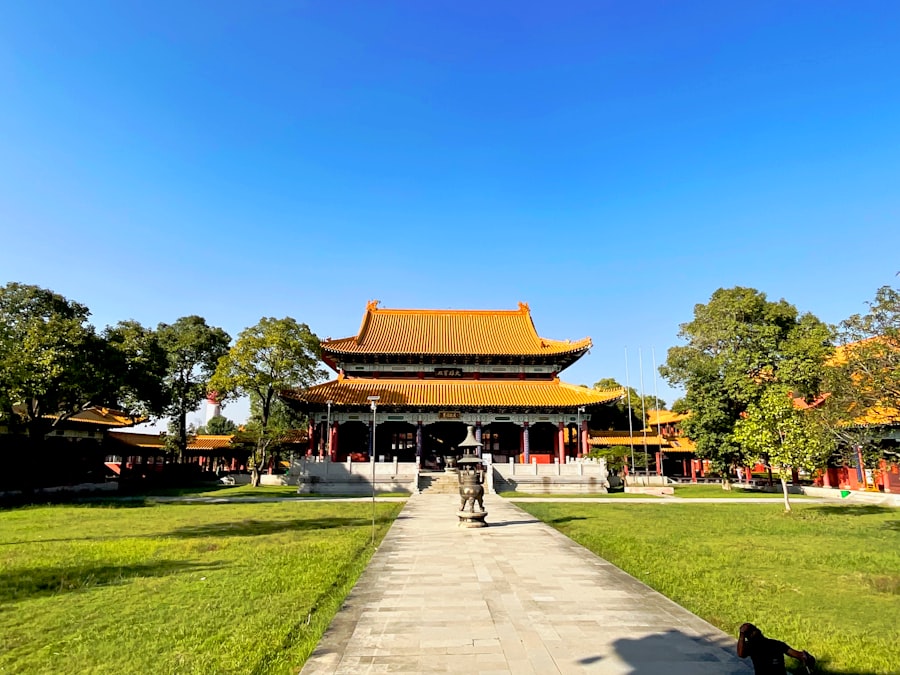
The path of spiritual awakening is not without its challenges. Individuals may encounter periods of confusion, isolation, and disillusionment. Understanding these potential pitfalls is crucial for navigating them effectively.
The Dark Night of the Soul
A frequently discussed concept within spiritual traditions is the “dark night of the soul.” This refers to a period of intense spiritual dryness, doubt, and despair, where previous certainties dissolve, and a sense of disconnection from the divine or inner guidance prevails. While deeply unsettling, this phase is often a precursor to significant growth and a deeper, more resilient faith. It is like a caterpillar in its chrysalis, undergoing a profound transformation in darkness before emerging as a new creature.
Spiritual Bypass
A significant pitfall is “spiritual bypass,” a term coined by psychologist John Welwood. This occurs when an individual uses spiritual practices and beliefs to avoid confronting unresolved emotional issues, personal pain, or difficult aspects of their humanity. It manifests as an avoidance of personal responsibility or a superficial adherence to spiritual ideals without genuine inner work. This is akin to painting over rust, rather than addressing the underlying corrosion.
Isolation and Misunderstanding
As an individual’s perspectives shift, they may find themselves feeling increasingly isolated from friends, family, or social circles who do not understand or share their evolving worldview. This can lead to feelings of loneliness and a sense of being misunderstood. Finding supportive communities or individuals who resonate with their journey becomes vital during these times.
The Illusion of Enlightenment
Another challenge is the pursuit of an “enlightened” state as a destination rather than recognizing awakening as an ongoing process. This can lead to frustration, self-judgment, and a feeling of inadequacy if the perceived “nirvana” is not achieved. True awakening is not a final state but a continuous unfolding, a perpetual journey of discovery. It is like believing the mountain summit is the only point of beauty, neglecting the entire majestic landscape of the ascent.
Spiritual awakening is a profound journey that many individuals embark on, often leading to a deeper understanding of themselves and the universe. For those interested in exploring this transformative experience further, a related article can be found at XFile Findings, which delves into the various stages of spiritual awakening and offers insights on how to navigate this enlightening path. Engaging with such resources can provide valuable perspectives and guidance for anyone seeking to enhance their spiritual growth.
Integration and Embodiment: Living an Awakened Life
| Metric | Description | Typical Range/Value | Measurement Method |
|---|---|---|---|
| Frequency of Meditation | Number of meditation sessions per week | 3-7 times/week | Self-reporting or meditation app tracking |
| Mindfulness Level | Degree of present-moment awareness | Measured on a scale of 1-10 | Mindfulness questionnaires (e.g., MAAS) |
| Emotional Stability | Ability to maintain calm and balanced emotions | Improvement by 20-50% post-awakening | Psychological assessments and self-reports |
| Sense of Purpose | Clarity and strength of life purpose | Rated 1-10 on personal fulfillment scales | Self-assessment surveys |
| Compassion Level | Degree of empathy and kindness towards others | Increase by 15-40% after awakening | Behavioral observations and questionnaires |
| Spiritual Experiences | Number of profound spiritual moments or insights | Varies widely; often 1-5 significant events | Personal journaling and interviews |
| Energy Levels | Perceived vitality and life force | Reported increase by 10-30% | Self-report scales and activity tracking |
The ultimate aim of spiritual awakening is not merely to experience profound insights but to integrate those insights into daily life, embodying a more conscious and authentic way of being. This ongoing process of integration marks the mature phase of the journey.
Alignment with Core Values
As an individual progresses, their actions and decisions increasingly align with their deepest values and newfound sense of purpose. There is a congruence between their inner world and external behavior, leading to a greater sense of integrity and authenticity. This alignment acts as a sturdy mast, guiding the ship of their life.
Service and Contribution
Many individuals who have undergone a spiritual awakening feel a compelling urge to contribute positively to the world, often through acts of service, advocacy, or by sharing their insights with others. This outward expression stems from a recognition of interconnectedness and a desire to alleviate suffering.
Embracing Imperfection and Humility
True integration involves embracing both the light and shadow aspects of oneself. There is a growing acceptance of imperfections and a natural humility that arises from recognizing one’s place within the vastness of existence. The illusion of personal control diminishes, replaced by a greater trust in the flow of life.
Sustained Inner Peace
While challenges and emotional fluctuations will still occur, the individual develops a more resilient sense of inner peace. This peace is not the absence of external problems but an internal state of equanimity and acceptance, a deep wellspring available regardless of external circumstances. It is like a deep ocean, undisturbed by the ripples on its surface.
In conclusion, spiritual awakening is a profound and often challenging journey, characterized by a fundamental shift in consciousness and a deepening connection to one’s true nature. It is a process of shedding limiting beliefs, confronting inner shadows, and ultimately integrating newfound wisdom into daily life. While frequently romanticized, a factual examination reveals it as a deeply personal and often arduous path, culminating in a more authentic, compassionate, and purpose-driven existence. By understanding its various stages, navigating its challenges, and committing to its ongoing integration, individuals can cultivate a sustainable and profound inner peace.
FAQs
What is a spiritual awakening?
A spiritual awakening is a profound shift in consciousness where an individual becomes more aware of their inner self and the interconnectedness of all life. It often involves a deeper understanding of one’s purpose, values, and the nature of existence.
What are common signs of a spiritual awakening?
Common signs include increased self-awareness, a sense of inner peace, heightened intuition, a desire for personal growth, changes in relationships, and a feeling of connection to something greater than oneself.
How long does a spiritual awakening typically last?
The duration of a spiritual awakening varies widely among individuals. It can be a brief, intense experience or a gradual process that unfolds over months or years, often involving ongoing personal development.
Can a spiritual awakening be triggered by specific events?
Yes, spiritual awakenings can be triggered by significant life events such as trauma, loss, meditation, near-death experiences, or moments of profound insight and reflection.
Is a spiritual awakening related to any particular religion or belief system?
A spiritual awakening is a personal experience that can occur within or outside of any religious or spiritual tradition. It is not confined to a specific belief system and can be experienced by individuals of diverse backgrounds.