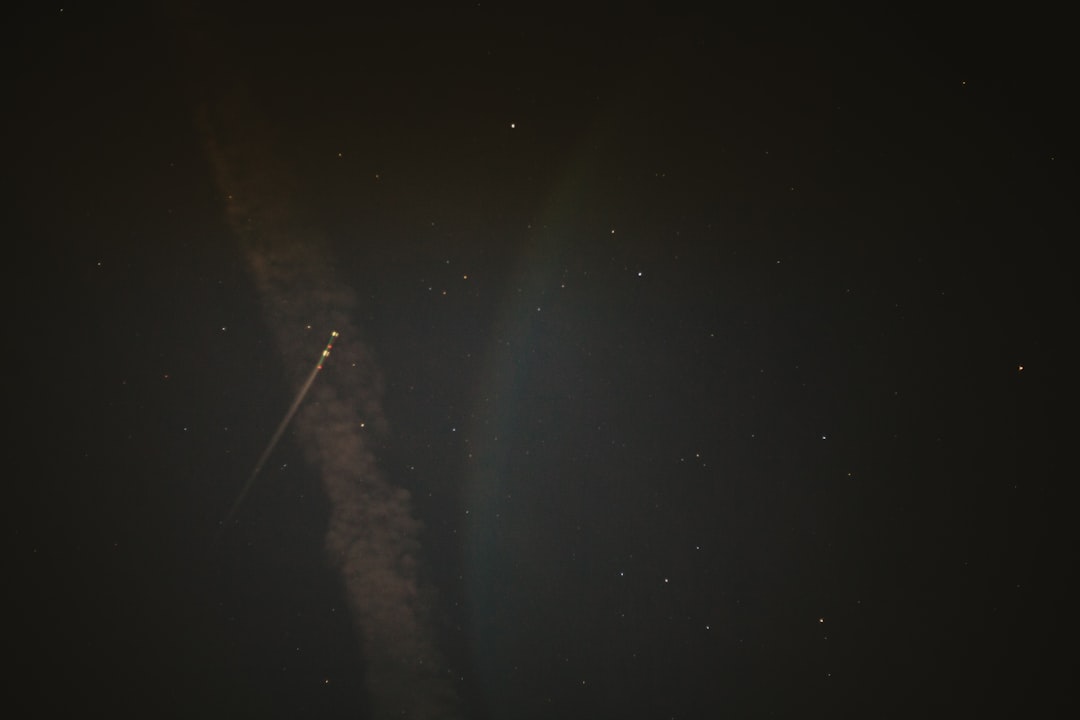
The enigma of the Black Knight Satellite continues to cast a long shadow across the fringes of space observation and speculative discourse. For decades, this purported artificial object, alleged to be of extraterrestrial origin,
FAQs
What is the Black Knight Satellite?
The Black Knight Satellite is a name given to an object that some believe to be an extraterrestrial satellite orbiting Earth. It has been the subject of various conspiracy theories and speculation, but there is no confirmed scientific evidence supporting its existence as an alien spacecraft.
What does “meridional crossing peaks” refer to in the context of satellites?
Meridional crossing peaks refer to the points where a satellite crosses a specific meridian line (a line of longitude) at its highest or most significant position during its orbit. This term is used in orbital mechanics to describe key points in a satellite’s trajectory.
Is there scientific evidence supporting the existence of the Black Knight Satellite?
No, there is no verified scientific evidence that confirms the existence of the Black Knight Satellite as an alien or unknown object. Most sightings and claims have been debunked or explained as space debris, natural phenomena, or man-made satellites.
Why is the Black Knight Satellite often associated with conspiracy theories?
The Black Knight Satellite is associated with conspiracy theories due to its mysterious origin, unusual orbital characteristics reported by some observers, and its appearance in various photographs and radio signals that some interpret as non-human. These factors have fueled speculation about extraterrestrial involvement.
How do scientists track and analyze satellite orbits like those involving meridional crossings?
Scientists use radar, telescopes, and satellite tracking systems to monitor the orbits of satellites. They analyze orbital parameters such as inclination, altitude, and crossing points (including meridional crossings) to predict satellite paths, avoid collisions, and study orbital dynamics.