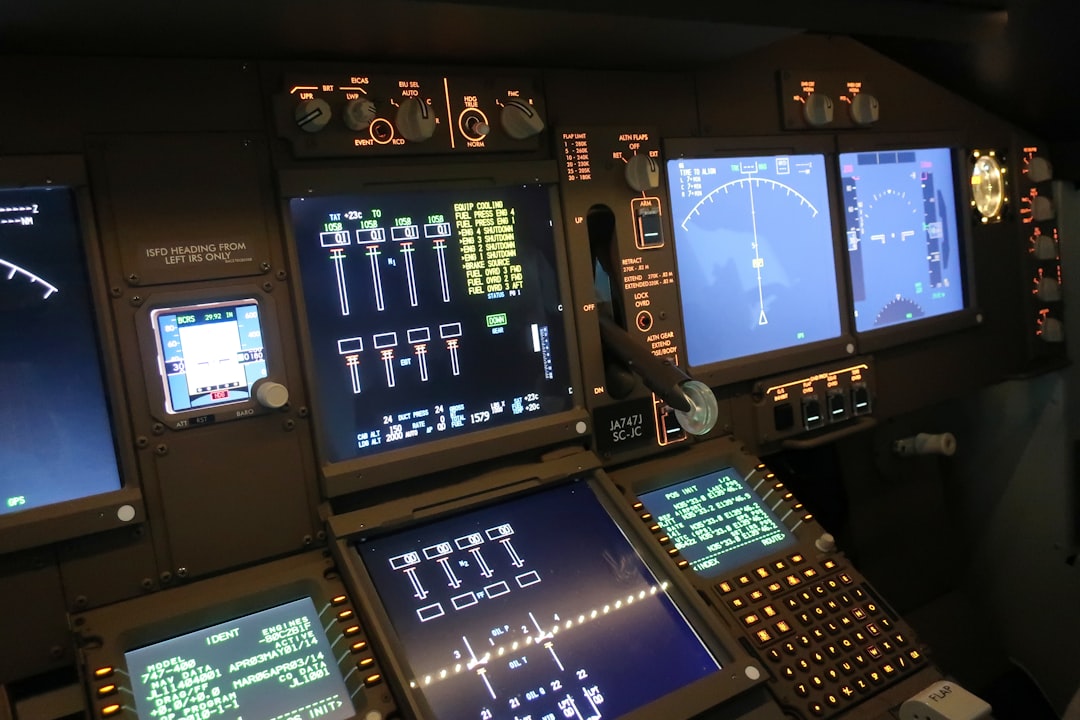
The rigorous selection process for Spaceframe C pilots requires a specific set of phenotype requirements. These are not arbitrary; they are the result of extensive research and testing aimed at ensuring optimal performance and survivability in the demanding environment of deep space. This document outlines the key phenotypic characteristics deemed essential for successful Spaceframe C operation.
The very nature of deep space presents a unique set of challenges to the human organism. The vacuum, radiation, and gravitational fluctuations encountered far beyond Earth’s protective atmosphere necessitate a pilot whose biology is inherently resilient. Spaceframe C operations, by their very design, push the boundaries of human endurance, making inherent biological adaptability a cornerstone of pilot selection.
Radiation Tolerance
Deep space is awash in energetic particles, the byproduct of stellar processes and cosmic phenomena. These ionizing radiations can wreak havoc on biological tissues, leading to cellular damage, increased cancer risk, and acute radiation sickness. Spaceframe C pilots must possess a naturally elevated tolerance to this pervasive threat. This is not a passive trait; it is an active defense mechanism embedded within the pilot’s genetic makeup or expressed through robust cellular repair mechanisms.
Genetic Markers for Radiation Resistance
Research has identified specific genetic markers associated with enhanced DNA repair capabilities and improved cellular resilience against radiation damage. Individuals exhibiting these markers are more likely to withstand prolonged exposure to cosmic rays and solar flares without succumbing to severe health consequences. These markers act as a biological shield, allowing the pilot’s cells to more effectively mend themselves from the energetic onslaught.
Cellular Repair Mechanisms
Beyond specific genetic predispositions, the efficiency of a pilot’s cellular repair mechanisms is paramount. This includes the efficacy of DNA repair enzymes, antioxidant defense systems, and the ability to clear damaged cells through apoptosis. A robust cellular repair network functions like a microscopic maintenance crew within the pilot’s body, constantly working to counteract the damaging effects of radiation.
Microgravity Tolerance
Prolonged exposure to microgravity, the state of near-weightlessness in space, elicits numerous physiological changes. These can range from bone density loss and muscle atrophy to cardiovascular deconditioning and changes in fluid distribution. Spaceframe C pilots must exhibit a superior ability to adapt to and mitigate the adverse effects of microgravity. Their bodies are, in essence, less prone to the debilitating consequences of a weightless environment.
Cardiovascular System Efficiency
The human cardiovascular system, meticulously evolved for terrestrial gravity, undergoes significant stress in microgravity. Blood tends to pool in the upper body, altering pressure gradients and potentially leading to orthostatic intolerance upon return to gravity. Pilots with naturally more efficient cardiovascular systems, capable of maintaining stable blood pressure and circulation with less effort, are at a distinct advantage. This is akin to having a cardiovascular system that doesn’t “forget” how to work against gravity.
Bone Density Maintenance
Bone density loss is a well-documented consequence of microgravity, as bones are not subjected to the usual stresses of weight-bearing. This significantly increases the risk of fractures and long-term skeletal fragility. Phenotype requirements include individuals who, through genetic or metabolic factors, exhibit a slower rate of bone demineralization or possess more efficient mechanisms for bone remodeling. Their skeletal structure is a more steadfast fortress against the erosion of weightlessness.
Vestibular System Stability
The vestibular system, responsible for balance and spatial orientation, is particularly susceptible to disruption in microgravity. This can lead to space sickness, disorientation, and impaired motor control. Pilots with inherently stable and adaptable vestibular systems are less likely to experience these debilitating symptoms, allowing for greater control and situational awareness within the Spaceframe. Their inner ear is a more reliable compass in the disorienting void.
The Spaceframe C pilot phenotype requirements are crucial for ensuring that pilots possess the necessary attributes for optimal performance in advanced aerospace environments. For a deeper understanding of these requirements and their implications, you can refer to a related article that discusses the genetic and physiological traits beneficial for pilots in high-stress situations. This article can be found at Xfile Findings.
Cognitive and Neurological Aptitude
The operational complexities of a Spaceframe C demand an exceptionally sharp and resilient mind. The vastness and isolation of space, coupled with the high-stakes nature of the missions, place significant cognitive and neurological demands on the pilot. Phenotype requirements here focus on traits that enable optimal information processing, decision-making under pressure, and long-term mental fortitude.
Information Processing Speed and Accuracy
Spaceframe C pilots are constantly bombarded with vast amounts of sensory input and data from onboard systems. The ability to quickly and accurately process this information, filter out irrelevant noise, and identify critical signals is paramount. This is not simply about being “smart”; it’s about the efficiency with which the pilot’s brain operates, like a highly optimized processor.
Neural Network Efficiency
The underlying architecture of a pilot’s neural networks plays a crucial role in their information processing capabilities. Higher synaptic density, efficient neurotransmitter function, and robust neural pathways contribute to faster signal transmission and more effective learning. These are the unseen highways within the pilot’s mind, facilitating swift and sure thought.
Working Memory Capacity
The ability to hold and manipulate multiple pieces of information simultaneously in working memory is essential for complex tasks, such as flight path calculations, system diagnostics, and tactical maneuvering. Pilots with a larger and more stable working memory are better equipped to manage the intricate demands of Spaceframe C operations. Their mental workspace is a more expansive and organized desktop.
Stress Resilience and Emotional Regulation
Spaceflight is inherently stressful. From the awe-inspiring vistas to the ever-present dangers, the emotional landscape of a pilot is a volatile one. Phenotype requirements include individuals with exceptional stress resilience and the ability to maintain emotional equilibrium under extreme pressure. This is not about suppressing emotions, but about managing them constructively, like a skilled captain navigating turbulent seas.
Amygdala Regulation
The amygdala, the brain’s threat detection center, is a key factor in stress response. Pilots who exhibit a more regulated amygdala, meaning it is less prone to overreacting to perceived threats, are better able to maintain composure and make rational decisions in high-stress situations. Their internal alarm system is finely tuned, not overly sensitive.
Prefrontal Cortex Function
The prefrontal cortex, responsible for executive functions such as decision-making, problem-solving, and impulse control, is critical for maintaining calm and rational thought under duress. Pilots with robust prefrontal cortex activity are better equipped to override impulsive reactions and engage in deliberate, strategic thinking. This is the pilot’s internal “calm down” button, always accessible.
Spatial Awareness and Navigation Aptitude
Navigating the three-dimensional expanse of space, often without familiar visual cues, requires an innate and highly developed sense of spatial awareness and navigational aptitude. Spaceframe C pilots must possess an exceptional ability to orient themselves and plot courses in an environment that is fundamentally alien to our terrestrial experience.
Proprioception and Kinesthesia
Proprioception (the sense of the relative position of one’s own parts of the body and strength of effort being employed in movement) and kinesthesia (the sense of body movement) are fundamental to spatial awareness. Pilots with naturally enhanced proprioceptive and kinesthetic senses can intuitively understand their position and movement within the Spaceframe and its surrounding environment. These are the pilot’s internal GPS and gyroscopes.
Innate Sense of Direction and Orientation
While training can improve these skills, a baseline innate ability to orient oneself and maintain a sense of direction, even in the absence of external references, is a significant advantage. This subconscious mapping of space allows for more fluid and intuitive navigation, reducing reliance on external instruments alone. It is a mental star chart, permanently etched in their minds.
Sensory Acuity and Perceptual Capabilities
The effectiveness of a Spaceframe C pilot is directly tied to their ability to perceive and interpret subtle cues from their environment and the spacecraft’s systems. This requires a high degree of sensory acuity across multiple modalities. Their senses are the primary conduits of information from the vast unknown and the complex machinery they command.
Visual Acuity and Depth Perception
The ability to see with clarity, particularly in low-light conditions and at great distances, is critical for identifying celestial objects, detecting potential hazards, and monitoring the Spaceframe’s external integrity. Superior depth perception is also crucial for maneuvering within tight orbital parameters and docking with other vessels. Their eyes are the ship’s external radar, spotting the faintest glimmers of light and the subtlest shifts in distance.
Low-Light Vision Enhancement
Space is often characterized by profound darkness punctuated by distant stars. Pilots with naturally enhanced low-light vision are better equipped to detect faint objects and navigate through dimly lit regions of space. This is akin to having built-in night vision goggles.
Binocular Vision and Stereopsis
The cooperative action of both eyes to produce a single, three-dimensional image is vital for judging distances accurately. Pilots with robust binocular vision and excellent stereopsis are less prone to errors in spatial judgment, which can have critical consequences during delicate maneuvers. Their vision acts as a precision rangefinder.
Auditory Acuity and Signal Discrimination
While visual cues are vital, auditory signals from the Spaceframe’s internal systems provide crucial real-time information. Pilots must be able to discern subtle changes in engine hum, alarms, and communication signals, distinguishing them from ambient noise. Their ears are the ship’s early warning system, picking up the whispers of trouble or the song of successful operation.
Frequency Range and Sensitivity
The human auditory system has limitations in the range of frequencies it can detect and its sensitivity to subtle variations. Pilots with a wider auditory frequency range and higher sensitivity are better able to pick up on a broader spectrum of auditory cues, from high-frequency system alerts to low-frequency structural stresses.
Auditory Signal Processing
Beyond simply hearing a sound, the brain must be able to process and interpret its meaning. Pilots with superior auditory signal processing capabilities can quickly categorize and prioritize sounds, understanding the context and urgency of each auditory input. This allows them to react appropriately and without delay.
Other Sensory Modalities
While vision and hearing are primary, other sensory modalities can also play a role. For instance, sensitivity to subtle vibrations or changes in atmospheric pressure within the Spaceframe could provide early indications of system anomalies.
Physical Resilience and Dexterity
Operating a Spaceframe C involves not only cognitive and sensory demands but also significant physical requirements. The pilot must be able to withstand physiological stresses and perform precise physical actions within the confines of the spacecraft. Their physical form must be a tool, capable of both endurance and intricate manipulation.
Musculoskeletal Strength and Endurance
While the Spaceframe provides life support and often automated controls, manual overrides and emergency procedures can require considerable physical exertion. Pilots must possess sufficient musculoskeletal strength and endurance to perform these tasks without succumbing to fatigue, especially in situations where gravity or artificial gravity systems may not be optimal. Their muscles are the backup power source for critical actions.
Isotonic and Isometric Strength
A combination of both isotonic (muscle length changes) and isometric (muscle length remains constant) strength is beneficial. Isotonic strength is needed for movements, while isometric strength is crucial for holding body positions against resistance, such as bracing during unexpected maneuvers.
Cardiovascular Endurance
The ability of the cardiovascular system to deliver oxygen to working muscles during periods of physical exertion is as important in space as it is on Earth. Pilots with strong cardiovascular endurance can sustain physical effort for longer durations without becoming breathless or experiencing significant drops in performance.
Fine Motor Control and Dexterity
The controls within a Spaceframe C are often complex and require precise manipulation. Whether engaging delicate switches, operating joysticks, or performing intricate repairs, pilots must have exceptional fine motor control and dexterity. Their hands are the precision instruments of operation.
Hand-Eye Coordination
The seamless integration of visual input with motor output is fundamental to effective manipulation. Pilots with superior hand-eye coordination can translate visual information into precise physical actions with minimal delay or error. This is the pilot’s internal ballet of sight and motion.
Grip Strength and Finger Dexterity
The ability to maintain a secure grip on controls and manipulate small objects with precision is essential. This includes having adequate grip strength to operate certain controls and the dexterity to handle components as small as circuitry or as large as lever arms.
The Spaceframe C pilot phenotype requirements are crucial for ensuring that only the most suitable candidates are selected for advanced space missions. A related article that delves deeper into the genetic and psychological traits necessary for optimal performance in space travel can be found at Xfile Findings. This resource provides valuable insights into how these traits can impact a pilot’s ability to adapt to the unique challenges of space environments, making it an essential read for those interested in aerospace selection criteria.
Physiological Stability and Homeostasis
| Phenotype Parameter | Requirement | Measurement Unit | Acceptable Range | Notes |
|---|---|---|---|---|
| Bone Density | Minimum | g/cm³ | 1.2 – 1.5 | Ensures structural integrity under microgravity |
| Muscle Mass | Minimum | kg | 30 – 40 | Supports mobility and strength in spaceframe environment |
| Cardiovascular Endurance | Minimum VO2 Max | ml/kg/min | 45 – 55 | Critical for sustained physical activity during missions |
| Height | Range | cm | 160 – 190 | Fits within cockpit and equipment constraints |
| Reaction Time | Maximum | ms | ≤ 250 | Ensures quick response to control inputs |
| Vision Acuity | Minimum | 20/20 | 20/20 or better | Necessary for precise instrument reading |
| Psychological Stability | Assessment Score | Scale 1-10 | 8 – 10 | Ensures ability to handle stress and isolation |
The human body is a complex biochemical system that thrives on stability. In the challenging environment of space, maintaining this internal equilibrium is paramount. Phenotype requirements here focus on individuals whose physiology is inherently more stable and resilient to environmental fluctuations, allowing them to consistently perform at their peak.
Metabolic Efficiency and Regulation
The human metabolism is responsible for converting food into energy and maintaining essential bodily functions. Pilots with efficient and well-regulated metabolic systems are better equipped to handle the altered nutritional requirements and physiological stresses of spaceflight, ensuring consistent energy levels and optimal bodily function. Their bodies are like finely tuned engines, running on efficient fuel.
Blood Sugar Regulation
Stable blood sugar levels are critical for cognitive function and energy. Pilots with robust mechanisms for regulating blood glucose are less prone to the effects of hypoglycemia or hyperglycemia, which can impair performance and cause disorientation.
Hormonal Balance
The intricate interplay of hormones governs many bodily processes. Pilots who exhibit a naturally stable hormonal balance are more resilient to the disruptive effects of stress and environmental changes on their endocrine system. Their internal chemical balance is a steady ship.
Immune System Functionality
The immune system is the body’s defense against pathogens and disease. Spaceflight can suppress immune function, making individuals more susceptible to illness. Phenotype requirements include individuals with robust and adaptable immune systems that can maintain effectiveness even under the stresses of space. Their immune system is a vigilant border patrol, keeping threats at bay.
Cellular Immunity and Humoral Immunity
A balanced immune system involves both cellular immunity (mediated by cells like T-cells) and humoral immunity (mediated by antibodies). Pilots with strong and responsive cellular and humoral immunity are better equipped to fight off infections encountered during long-duration missions.
Inflammation Control
Chronic or dysregulated inflammation can be detrimental to health. Pilots with natural mechanisms for effectively controlling inflammatory responses are better protected against the long-term health consequences of the space environment. Their immune system acts as a responsible firefighter, putting out only necessary fires.
Sleep Cycle Regulation
Adequate and restorative sleep is crucial for cognitive function, physical recovery, and emotional well-being. Disruptions to the natural circadian rhythm are common in spaceflight. Pilots with naturally stable sleep cycles and efficient sleep patterns are better able to adapt to altered light-dark cycles and maintain optimal alertness. Their internal clock is a reliable timepiece.
Circadian Rhythm Stability
The human body has an internal biological clock that regulates sleep-wake cycles. Pilots with a more stable and less easily disrupted circadian rhythm are better able to adjust to artificial day-night cycles and maintain consistent sleep patterns.
Sleep Efficiency and Depth
Beyond simply duration, the quality of sleep is vital. Pilots who achieve more efficient and deeper sleep cycles are likely to experience better recovery and cognitive restoration, even with reduced opportunities for natural sleep.
In conclusion, the phenotype requirements for Spaceframe C pilots represent a comprehensive assessment of an individual’s biological, cognitive, sensory, physical, and physiological capabilities. These are not merely aspirational traits but fundamental biological predispositions that significantly influence an individual’s capacity to successfully execute missions in the unforgiving environment of deep space. The selection process, therefore, is a meticulous undertaking, akin to cultivating a rare and vital species, ensuring that only those with the inherent resilience and aptitude to thrive among the stars are entrusted with piloting these advanced spacecraft.
FAQs
What is the Spaceframe C pilot phenotype?
The Spaceframe C pilot phenotype refers to the specific genetic and physical characteristics required for individuals to operate the Spaceframe C spacecraft effectively. These traits ensure compatibility with the spacecraft’s controls, environmental conditions, and mission demands.
Why are phenotype requirements important for Spaceframe C pilots?
Phenotype requirements are crucial because they help identify candidates who possess the necessary physiological and genetic traits to withstand the stresses of space travel, operate the spacecraft safely, and maintain optimal performance during missions.
What are some common phenotype traits required for Spaceframe C pilots?
Common phenotype traits include enhanced cardiovascular endurance, resistance to radiation, optimal bone density to counteract microgravity effects, and specific sensory capabilities such as heightened spatial awareness and reaction times.
How are candidates tested for the Spaceframe C pilot phenotype?
Candidates undergo a series of medical evaluations, genetic screenings, physical fitness tests, and cognitive assessments to determine if they meet the phenotype criteria necessary for piloting the Spaceframe C.
Can the Spaceframe C pilot phenotype requirements change over time?
Yes, as technology advances and new research emerges, the phenotype requirements may be updated to reflect improved understanding of human performance in space and to incorporate enhancements in spacecraft design and mission profiles.