
A furnace, the heart of many heating systems, is a complex piece of machinery responsible for converting fuel into usable thermal energy. Its efficiency, therefore, is a critical factor in both operational cost and environmental impact. While traditional furnace designs have achieved significant advancements over the decades, the integration of solar modulator engineering presents a promising frontier for further optimization. This approach seeks to harness and intelligently manage solar energy, not as a direct replacement for the furnace, but as a sophisticated supplementary system that augments its performance, reduces its workload, and ultimately leads to a more sustainable and cost-effective heating solution. The fundamental principle is to create a synergistic relationship between a renewable energy source and a conventional one, allowing each to perform at its peak and compensate for the limitations of the other.
Furnaces, through their very nature, are subject to inherent inefficiencies. These can be categorized into various loss mechanisms that collectively reduce the amount of usable heat delivered to the living space from the fuel consumed. Understanding these bottlenecks is the crucial first step in identifying where solar modulation can have the greatest impact.
Thermal Losses in Combustion
The process of combustion, while essential for generating heat, is never perfectly efficient. A significant portion of the energy released from the fuel is lost as heat through exhaust gases.
Incomplete Combustion Byproducts
When fuel does not combust completely, valuable energy remains locked within unburnt hydrocarbons. This not only represents a waste of fuel but also contributes to air pollution. The design of the combustion chamber and the air-fuel mixture are critical in minimizing this.
Stack Heat Losses
Hot exhaust gases, escaping through the flue or chimney, carry a considerable amount of thermal energy away from the home. These losses are a direct consequence of maintaining adequate draft for combustion and safely removing byproducts.
Heat Transfer Inefficiencies
Once heat is generated, its efficient transfer to the distribution system and subsequently to the intended spaces is paramount. Inefficiencies in this stage can lead to substantial energy wastage.
Conduction Losses Through Furnace Materials
The materials used in the construction of a furnace, while designed for high temperatures, are not perfect insulators. Heat can be conducted through the furnace walls and casing, dissipating into the surrounding environment, particularly in older or poorly insulated units.
Convection Losses Within the Furnace and Ductwork
Air, the primary medium for heat distribution in many systems, can be subject to convective losses. This includes heat lost from the furnace jacket to the ambient air in its vicinity, and similarly, heat lost from distribution ductwork that passes through unheated spaces like attics or crawl spaces.
Operational and Control Inefficiencies
Beyond the physical limitations of heat generation and transfer, the operational and control strategies employed can also lead to suboptimal performance.
Over-Heating and Cycling
Furnaces often operate in a mode where they heat the space beyond the thermostat setting, only to cool down considerably before cycling back on. This on-off cycling can be energetically wasteful, as the furnace expends energy to reach peak temperature repeatedly.
Poor Airflow Dynamics
The efficient movement of air through the furnace and the entire ductwork system is crucial. Obstructions, leaks, or improperly sized components can disrupt airflow, leading to uneven heating and reduced system responsiveness.
Thermostat Calibration and Placement
An improperly calibrated or poorly placed thermostat can lead to the furnace operating unnecessarily or not sufficiently. These are subtle but significant contributors to overall heating inefficiency.
In the realm of renewable energy technologies, the integration of solar modulators with advanced furnace engineering models has garnered significant attention. A related article that delves into the intricacies of this integration can be found at XFile Findings, where it explores the innovative approaches to enhance energy efficiency and optimize thermal processes. This resource provides valuable insights into the latest developments and applications in the field, making it a must-read for professionals and researchers alike.
The Role of Solar Modulator Engineering
Solar modulator engineering, in the context of furnace optimization, refers to the intelligent integration of solar thermal technologies to pre-heat or supplement the heat generated by a conventional furnace. It acts not as a brute-force replacement, but as a sophisticated conductor, guiding the flow of energy to where it is most needed, thereby reducing the furnace’s burden. This system is designed to be dynamic, responding to real-time conditions and optimizing energy utilization.
Principles of Solar Thermal Collection
At its core, solar thermal energy capture involves converting sunlight into thermal energy. This is achieved through various collector designs.
Flat-Plate Collectors
These are the most common type of solar thermal collectors. They consist of an insulated box with a transparent cover (glazing) that absorbs solar radiation. A dark absorber plate within the box heats up, transferring its heat to a fluid (typically water or a glycol mixture) circulating through tubes attached to the absorber. The glazing reduces heat loss through convection and radiation.
Evacuated Tube Collectors
More advanced than flat-plate collectors, evacuated tube collectors utilize a series of glass tubes from which the air has been evacuated. This vacuum acts as an excellent insulator, significantly reducing heat loss and allowing for higher operating temperatures, making them more efficient in colder climates or when higher temperatures are required. Each tube contains an absorber and a heat pipe or thermosiphon system to transfer heat to a manifold.
Concentrating Solar Power (CSP) Systems (Less Common for Residential Furnaces)
While usually associated with large-scale power generation, concentrating solar technologies, such as parabolic troughs or dish collectors, focus sunlight onto a receiver to achieve very high temperatures. For direct furnace augmentation, the complexity and cost might be prohibitive for typical residential applications, but the principles of focused solar energy are relevant.
Heat Storage and Transfer Mechanisms
Collected solar heat is rarely used instantaneously. Effective storage and transfer systems are crucial for ensuring that solar energy is available when the furnace needs to reduce its output or when the building requires heat.
Thermal Energy Storage Tanks
These insulated tanks store heated fluid from the solar collectors. The size of the tank is a crucial design parameter, balancing the amount of stored energy with available space and cost. Different types of storage media can be used, including water, phase-change materials (PCMs), or rocks.
Heat Exchangers
Heat exchangers are vital for transferring thermal energy from the solar fluid to the building’s heating system fluid (often the same water or glycol circulating through the furnace). This allows for the pre-heating of the water before it enters the furnace, or for directly contributing heat to the distribution system.
Pump and Control Systems
A network of pumps is required to circulate fluids through the solar collectors, storage tanks, and heat exchangers. Sophisticated control systems, often using sensors for temperature and solar irradiance, dictate the operation of these pumps, ensuring that energy is collected efficiently and delivered appropriately.
Integrating Solar Modulators with Existing Furnaces
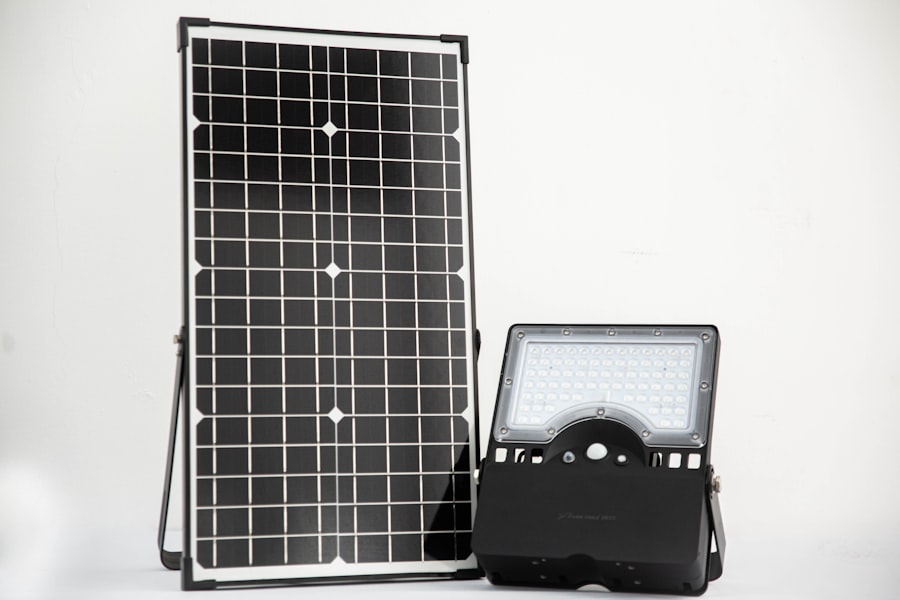
The true innovation lies in the seamless integration of solar modulator systems with existing furnace infrastructure. This is not a wholesale replacement but a sophisticated augmentation.
Pre-Heating the Combustion Air
One of the most impactful applications of solar modulation is pre-heating the combustion air. By warming the air before it enters the combustion chamber, the furnace requires less fuel to reach the optimal combustion temperature. This directly translates to reduced fuel consumption and lower emissions.
Benefits of Pre-Heated Combustion Air
- Increased Combustion Efficiency: Warmer air leads to a more complete and efficient combustion process, extracting more energy from each unit of fuel.
- Reduced Fuel Consumption: Less fuel is needed to achieve the desired temperature, leading to significant cost savings.
- Lower Emissions: More complete combustion results in fewer harmful byproducts being released into the atmosphere.
- Faster Ignition and Stabilization: Pre-heated air can contribute to quicker ignition and a more stable flame, improving overall furnace performance.
Solar Air Heating Systems
These systems typically involve solar collectors designed to heat air directly. The warmed air is then ducted to the furnace’s air intake. This can be achieved through specialized solar air collectors that pass ambient air over a heated surface, or through heat exchangers that transfer heat from a solar fluid to the combustion air.
Pre-Heating the Hydronic System Fluid
For furnaces that heat water or a water-glycol mixture (hydronic systems), solar thermal energy can be used to pre-heat the fluid before it enters the furnace’s heat exchanger. This reduces the amount of energy the furnace must impart to the fluid.
Advantages of Pre-Heated Hydronic Fluid
- Reduced Furnace Workload: The furnace has to heat the fluid to a lower target temperature, meaning it runs for shorter durations.
- Improved System Responsiveness: The heating system can deliver warm air or water to the building more quickly.
- Enhanced Comfort: Less temperature fluctuation can lead to a more consistent and comfortable indoor environment.
- Potential for Lower Operating Temperatures: In milder weather, the solar system might be able to provide sufficient heat without engaging the furnace at all.
Solar Hot Water Systems for Space Heating
Standard solar hot water systems, designed for domestic hot water, can be adapted for space heating. The heated water from the solar collectors is routed through a heat exchanger that transfers its energy to the hydronic fluid circulating through the furnace and radiator system.
Direct Solar Contribution to Space Heating
In certain configurations, particularly during milder sunny periods, the solar thermal system can directly contribute to heating the building without full furnace engagement.
Bypass and Direct Feed Configurations
Solar-heated fluid can be routed through a heat exchanger that directly feeds the building’s heating distribution network. This bypasses the furnace entirely when solar gains are sufficient, maximizing the use of free solar energy.
Smart Control Systems for Seamless Transition
Sophisticated control algorithms are essential to manage the seamless transition between purely solar heating, solar-assisted furnace operation, and full furnace operation. These systems monitor indoor temperature, outdoor temperature, solar irradiance, and stored solar energy levels to make real-time decisions.
Smart Control and Optimization Strategies

The effective utilization of solar modulator engineering hinges on intelligent control systems that can dynamically manage the interplay between solar energy and conventional furnace operation. This is where the “engineering” truly comes into play, transforming passive collection into active optimization.
Predictive Control Algorithms
These algorithms leverage historical data, weather forecasts, and building occupancy patterns to anticipate heating needs and solar availability.
Weather Forecasting Integration
By incorporating real-time and predicted weather data, the system can make informed decisions about when to maximize solar collection, when to engage the furnace, and how much solar energy to store. For instance, a forecast for a sunny but cold day would prompt the system to prioritize solar capture and storage for later use.
Building Occupancy and Load Prediction
Understanding when a building is occupied and its typical heating demands allows the control system to optimize energy usage. It can pre-heat the building using solar energy before occupants arrive or reduce heating during periods of low occupancy to conserve energy.
Dynamic Setpoint Adjustment
Instead of rigid temperature settings, smart systems can dynamically adjust setpoints based on various factors.
Thermostat Setback Based on Solar Gain
If ample solar energy is available, the system can allow the indoor temperature to drop slightly below the desired setpoint, knowing that the solar contribution will compensate. This reduces the furnace’s running time when solar is abundant.
Adaptive Learning of Building Thermal Performance
Over time, the control system can learn how quickly the building loses heat under different conditions. This allows it to fine-tune the timing and intensity of furnace engagement and solar heat delivery to maintain optimal comfort efficiently.
Load Balancing and Prioritization
The control system must intelligently balance the demand for heat from the building with the available supply from both solar and furnace sources.
Prioritizing Solar Energy Use
The system will always prioritize using available solar energy before engaging the furnace, thereby maximizing the impact of free, renewable energy.
Intelligent Furnace Cycling Management
When the furnace is required, the control system can manage its cycling to be more efficient. Instead of frequent short bursts, it might aim for longer, more consistent runs to reach and maintain the desired temperature, reducing the wear and tear on the furnace and improving overall efficiency.
In the realm of renewable energy, the integration of solar modulators with advanced furnace engineering models has gained significant attention for its potential to enhance energy efficiency. A related article that delves deeper into this innovative approach can be found at this link, where it explores the latest developments and applications in the field. By examining the synergy between solar technology and thermal processing systems, researchers aim to optimize performance and reduce environmental impact, paving the way for more sustainable industrial practices.
Benefits and Future Prospects of Solar Modulator Engineering
| Parameter | Value | Unit | Description |
|---|---|---|---|
| Solar Irradiance | 800 | W/m² | Average solar power incident on the modulator surface |
| Modulator Efficiency | 0.85 | – | Conversion efficiency of solar energy to thermal energy |
| Furnace Operating Temperature | 1200 | °C | Temperature maintained inside the furnace chamber |
| Heat Transfer Rate | 1500 | W | Thermal power transferred from modulator to furnace |
| Mass Flow Rate | 0.05 | kg/s | Flow rate of working fluid through the furnace |
| Specific Heat Capacity | 1000 | J/kg·K | Heat capacity of the working fluid |
| Temperature Rise | 300 | K | Increase in temperature of the working fluid across the furnace |
| Furnace Heat Loss | 100 | W | Thermal energy lost to the environment |
| Overall System Efficiency | 0.75 | – | Ratio of useful thermal output to solar input |
The adoption of solar modulator engineering in furnace systems offers a compelling suite of benefits, positioning it as a key technology for future sustainable heating solutions. The long-term implications extend beyond mere cost savings to encompass environmental responsibility and energy independence.
Economic Advantages
The most immediate and tangible benefit of optimizing furnace efficiency with solar modulation is the reduction in energy bills.
Reduced Fuel Consumption and Costs
By supplementing or pre-heating, the furnace requires less fossil fuel (natural gas, propane, oil, etc.) to maintain desired temperatures. This directly translates to lower monthly energy expenses. The payback period for the initial investment in a solar modulation system can be attractive, especially in regions with high fuel costs and abundant sunshine.
Increased System Longevity
Reduced operating hours for the furnace can lead to less wear and tear on its components, potentially extending its lifespan and reducing the frequency of costly repairs or premature replacement.
Potential for Rebates and Incentives
Government and utility incentives for renewable energy installations can further offset the initial cost of solar modulator systems, making them more financially accessible.
Environmental Impact Reduction
Beyond economic gains, the environmental benefits are significant, aligning with global efforts to combat climate change.
Lower Greenhouse Gas Emissions
Reduced reliance on fossil fuels for heating directly leads to a decrease in the emission of greenhouse gases, such as carbon dioxide, which contribute to global warming. This is a critical step towards a more sustainable energy future.
Improved Air Quality
More complete combustion, facilitated by pre-heated air, means fewer harmful pollutants like nitrogen oxides and particulate matter are released into the atmosphere, contributing to better local air quality.
Conservation of Finite Resources
By displacing a portion of fossil fuel consumption, solar modulator engineering contributes to the conservation of non-renewable resources.
Enhanced Comfort and Reliability
The integration of solar technology can also lead to a more comfortable and reliable heating experience for occupants.
More Consistent Indoor Temperatures
The ability to pre-heat and provide a more stable heat supply can minimize the temperature fluctuations often associated with traditional furnace cycling, leading to a more consistently comfortable indoor environment.
Reduced Reliance on Grid Power (in some configurations)
While solar modulation typically augments, in some advanced designs, it could contribute to off-grid or grid-independent heating during periods of sufficient solar availability, enhancing reliability in the face of power outages.
Future Prospects and Advancements
The field of solar modulator engineering is continuously evolving, with ongoing research and development promising even more sophisticated and efficient solutions.
Advanced Materials and Collector Designs
The development of new materials for solar collectors that offer higher absorption rates, lower thermal losses, and greater durability will further enhance their efficiency and cost-effectiveness. Nanotechnology, for instance, holds promise for creating highly efficient absorber surfaces.
AI-Powered Predictive Control Systems
The integration of artificial intelligence (AI) and machine learning will enable even more refined predictive control algorithms. These systems will be able to adapt to subtle changes in building performance and weather patterns with greater accuracy, optimizing energy use in real-time at a level previously unimagined.
Hybrid Systems and Grid Integration
Future systems may see even tighter integration with smart grids, allowing for the bidirectional flow of energy and the optimization of solar energy use in conjunction with other renewable sources and grid-demand response programs. The ability to export excess solar heat back to the grid (if technologically feasible and economically viable) could open new avenues for energy management.
In conclusion, the optimization of furnace efficiency through solar modulator engineering represents a significant leap forward in sustainable home heating. It is a testament to innovative engineering, transforming the way we think about energy consumption by creating a harmonious partnership between established technology and renewable resources. As these systems become more sophisticated and accessible, they will undoubtedly play an increasingly vital role in creating more energy-efficient, environmentally responsible, and comfortable living spaces.
FAQs
What is a solar modulator in the context of furnace engineering?
A solar modulator is a device or system component used to regulate and optimize the input of solar energy into a furnace or thermal system. It adjusts the solar energy flow to maintain desired temperature levels and improve overall efficiency in furnace operations.
How does the solar modulator plus furnace engineering model improve energy efficiency?
The model integrates solar modulation with furnace engineering principles to optimize heat input and distribution. By controlling solar energy input precisely, it reduces fuel consumption, lowers emissions, and enhances the thermal performance of the furnace.
What are the key components of a solar modulator plus furnace engineering model?
Key components typically include solar collectors or concentrators, modulation control units, sensors for temperature and solar radiation, a furnace or thermal chamber, and a control system that manages the interaction between solar input and furnace operation.
In which industries can the solar modulator plus furnace engineering model be applied?
This model is applicable in industries requiring high-temperature processes such as metal smelting, glass manufacturing, ceramics production, and chemical processing, where integrating solar energy can reduce reliance on conventional fuels.
What are the challenges associated with implementing a solar modulator plus furnace engineering model?
Challenges include the variability of solar energy availability, the complexity of integrating solar modulation with existing furnace systems, the need for precise control mechanisms, and initial investment costs for equipment and system design.