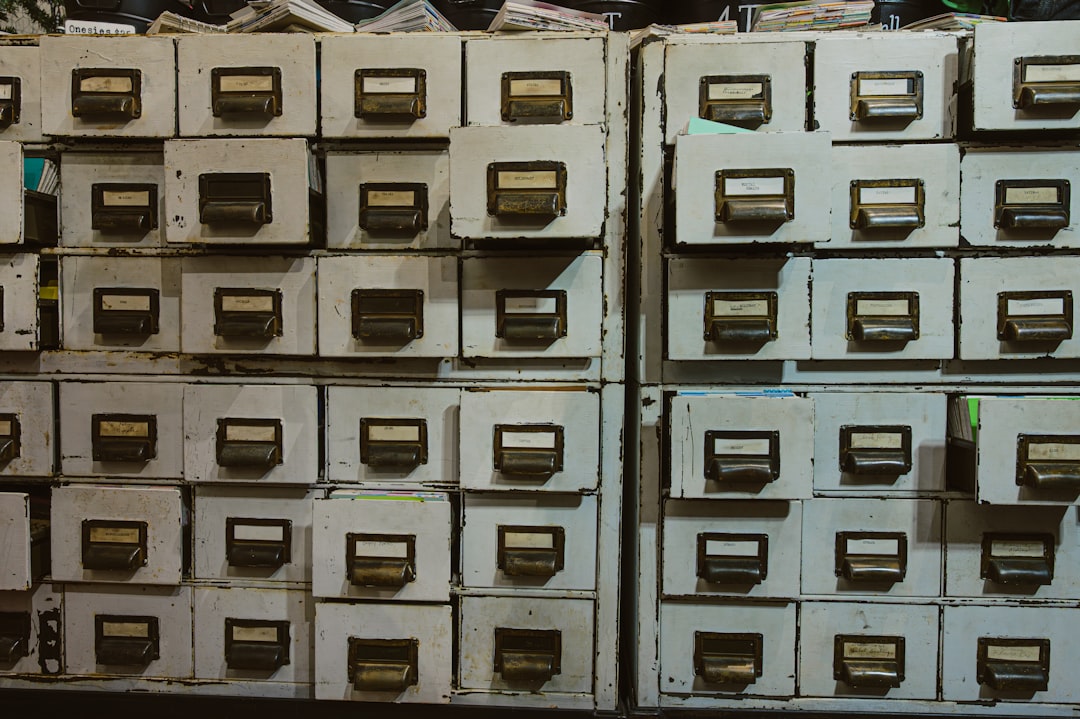
The meticulous process of uncovering the history of musical tradition is often an arduous journey, reliant on fragmented evidence and the tireless efforts of researchers. For those delving into the specific, nuanced past of choral music, the “Choral Archive Replication Logs,” housed within various institutional repositories, represent a vital, albeit often opaque, source of information. The pursuit of understanding these logs frequently necessitates the strategic deployment of the Freedom of Information Act (FOIA), a legal tool that acts as a key to unlock doors that might otherwise remain closed to public scrutiny. This article will explore the significance of the Choral Archive Replication Logs, the challenges and methods involved in obtaining them through FOIA requests, and what these documents can reveal about the evolution and preservation of choral musical traditions.
Choral music, with its centuries-spanning lineage, is a living testament to human expression and communal experience. From the Gregorian chants that echoed through medieval abbeys to the complex polyphony of the Renaissance, and onward to the grand oratorical works of the Baroque and the Romantic era, choral ensembles have been central to religious, civic, and artistic life. Yet, the tangible evidence of these traditions—the scores, performance records, and administrative details—is often distributed across a myriad of institutions: libraries, universities, denominational archives, and private collections.
The Role of Replication in Archival Practice
The concept of “replication” within archival contexts refers to the process of creating copies of existing documents. Before the advent of digital reproduction, this often involved manual transcription, photographic duplication (using microfiche or microfilm), or even the careful hand-copying of musical scores. These replication efforts, driven by various institutional needs, inadvertently created secondary layers of historical documentation.
Preserving Fragile Originals
One primary impetus for replication was the preservation of original documents. Older manuscripts, scores, and administrative papers are susceptible to deterioration due to age, handling, and environmental factors. Replicating them, whether through photography or careful transcription, provided a more durable surrogate, ensuring that the information contained within them would not be lost to time. Think of these replication logs as the maps of an explorer who, recognizing the fading footprints in the sand, meticulously charted their path for future generations.
Decentralizing Access and Dissemination
Institutional archives also replicated materials to facilitate broader access. A rare manuscript held in a single prestigious library might be replicated and sent to other affiliated institutions or scholars, allowing for wider study and research without necessitating extensive travel or risking further wear on the original. This decentralization was a crucial, albeit often unacknowledged, mechanism for spreading musical knowledge.
Administrative and Organizational Purposes
Beyond preservation and access, replication served purely administrative functions. Institutions might create duplicate copies for their own internal cataloging, processing, or for circulation within their own departments. These internal copies, when documented in replication logs, can offer insights into the internal workings of an archive and its management of its holdings.
The Information Contained Within the Logs
The “Choral Archive Replication Logs” are not, in themselves, the musical scores or performance programs. Instead, they are administrative records detailing which documents were replicated, when, why, and by whom. These logs act as a meta-level of archival description, providing a crucial, yet often overlooked, layer of metadata.
Identifying Specific Holdings
For a researcher seeking a particular piece of choral music or a specific choir’s history, the replication logs can be a critical starting point. They can indicate whether the institution possesses the original document or a replicated version, and where that replicated version is housed.
Tracking the Dissemination of Musical Works
The logs can illuminate the historical pathways through which musical works circulated. If a particular choral composition was frequently replicated, this suggests it was in demand, perhaps for performance, study, or liturgical use. The frequency of replication for certain composers or genres can paint a picture of their popularity and influence during different historical periods.
Understanding Archival Practices and Policies
The nature of the replication itself—the methods employed, the criteria for selection, and the institutional policies governing the process—can offer valuable insights into the archival practices of a bygone era. This helps us understand how, and with what priorities, musical heritage was preserved.
Uncovering Lost or Degraded Materials
In some unfortunate cases, original documents may have been lost or severely degraded over time. The replication logs, by documenting the existence of these materials at an earlier date, can confirm their historical presence and provide a vital lead for any remaining fragments or secondary references.
In exploring the topic of choral archive replication logs and the implications of Freedom of Information Act (FOIA) requests, a related article can provide valuable insights into the broader context of data transparency and archival practices. For further reading, you can check out this informative piece on the subject at XFile Findings, which delves into the challenges and best practices associated with managing archival data in compliance with FOIA regulations.
The FOIA as a Tool for Access
The Freedom of Information Act (FOIA) is a federal law in the United States that grants the public the right to request access to records from any federal agency. While many institutions holding historical choral archives are not federal agencies (e.g., universities, private foundations, religious organizations), the principles and the utility of information access that FOIA champions are broadly applicable. For privately held archives that receive federal funding or operate under certain federal regulations, FOIA may indeed provide a direct avenue. More commonly, however, researchers employ the spirit of FOIA—the principle of public right-to-know—when engaging with non-federal institutions, often through formal information requests that mirror FOIA procedures. This article will focus on the application of FOIA-like principles and processes when dealing with institutional archives, whether they are directly subject to FOIA or not.
The Rationale for FOIA Requests
When direct archival access is denied, or when information is not readily cataloged or publicly accessible, a FOIA request can be a powerful tool. It compels an institution to formally consider and respond to a request for specific documents.
Bridging the Information Gap
Often, valuable archival materials remain uncataloged or are held in restricted collections. A FOIA request can force an institution to examine its holdings and disclose information that might otherwise remain hidden. Imagine a library where books are present but not listed in the catalog; FOIA can act as a searchlight, illuminating what is actually on the shelves.
Promoting Transparency and Accountability
For institutions that receive public funds or operate as public trusts, FOIA ensures a degree of transparency. It allows citizens to understand how these institutions are managing their resources and preserving historical records of public interest, such as musical heritage.
Facilitating Scholarly Research
Researchers, by their very nature, seek to expand the boundaries of knowledge. FOIA requests can provide access to primary source materials that are crucial for developing new interpretations and understanding historical phenomena, including the evolution of choral music.
Navigating the FOIA Process
The FOIA process, while intended to be a mechanism for access, can be complex and requires patience and precision.
Identifying the Relevant Agency or Institution
The first crucial step is to identify the specific federal agency or, by extension, the institution that likely holds the records. For choral archives, this might be the National Archives and Records Administration (NARA) if the records pertain to government-sponsored musical activities, or a specific university library with a strong musicology department.
Crafting a Specific and Targeted Request
A successful FOIA request is characterized by its specificity. Vague requests are likely to be met with broad denials or requests for clarification. Researchers must clearly state what they are looking for, which specific archives or collections they believe might contain the information, and the time period of interest. For example, a request might specify “replication logs for musical scores held by the Eastman School of Music’s Sibley Library between the years 1950 and 1970.”
Understanding Exemptions and Denials
Federal agencies can withhold information under specific exemptions outlined in FOIA, such as national security, personal privacy, or inter-agency deliberative process. Understanding these exemptions is crucial for anticipating potential challenges and for framing requests in a way that minimizes the likelihood of denial.
The Appeals Process
If a FOIA request is denied, or if the provided information is deemed insufficient, there is an appeals process. This involves formally appealing the initial decision within the agency. Persistence may be necessary to secure access to desired records.
Uncovering Musical Histories Through the Logs
The Choral Archive Replication Logs, when accessed, can serve as a Rosetta Stone for understanding the transmission and evolution of choral music. They offer a unique perspective, not on the music itself, but on the infrastructure and decisions that surrounded its preservation and dissemination.
Tracing the Life Cycle of Musical Scores
The logs directly detail the physical journey of musical material. They reveal which scores were deemed important enough to warrant replication, indicating their perceived value at the time of their creation.
The Popularity of Composers and Genres
By examining the frequency with which works by certain composers or within specific genres are recorded as replicated, researchers can infer their relative popularity and influence across different periods. A surge in replication of early music madrigals, for instance, would signify a renewed interest in that period.
The Impact of Performance Traditions
Replication logs can also shed light on performance traditions. If certain liturgical settings or large-scale oratorios were consistently replicated, it suggests their frequent use in performance. This can inform our understanding of the canonical repertoire of specific eras.
The Role of Editional Practices
The logs might also reveal information about the editing and transcription processes. Were originals meticulously copied, or were there instances of abridgement or arrangement during the replication process? This highlights how musical texts were interpreted and adapted over time.
Institutional Networks and Dissemination Patterns
The very act of replication implies a network of institutions. The logs can map these connections, revealing how musical knowledge and repertoire flowed between different libraries, universities, and choral societies.
The Growth and Reach of Music Libraries
The logs can illustrate the expanding scope and influence of major musical libraries. Their systematic replication of materials suggests a proactive approach to building comprehensive collections and serving a wider scholarly community.
The Collaboration Between Institutions
In some cases, replication logs might indicate collaborative efforts between institutions to preserve specific collections or to make rare materials accessible to a broader public. This highlights the networked nature of archival work.
The Influence of Patronage and Funding
The patterns of replication can sometimes reflect the influence of patrons or funding bodies. If specific types of choral music or works by particular composers were replicated due to external support, this indicates the impact of patronage on shaping musical heritage.
The Unseen Labor of Archival Preservation
Beyond the musical content, the replication logs document the often-unseen labor of librarians, archivists, and scribes who dedicated their time and expertise to preserving musical history.
The Work of Catalogers and Documentalists
The detailed descriptions within the logs reflect the meticulous work of catalogers and documentalists who identified, described, and processed these materials.
The Skill of Transcribers and Photographers
The methods of replication themselves—whether manual transcription or photographic reproduction—speak to the technical skills required.
The Institutional Commitment to Heritage
Ultimately, the existence and documentation of replication activities reflect an institutional commitment to the preservation of musical heritage, a commitment that might otherwise be overlooked in the absence of such administrative records.
Challenges and Considerations in Utilizing FOIA for Choral Archives
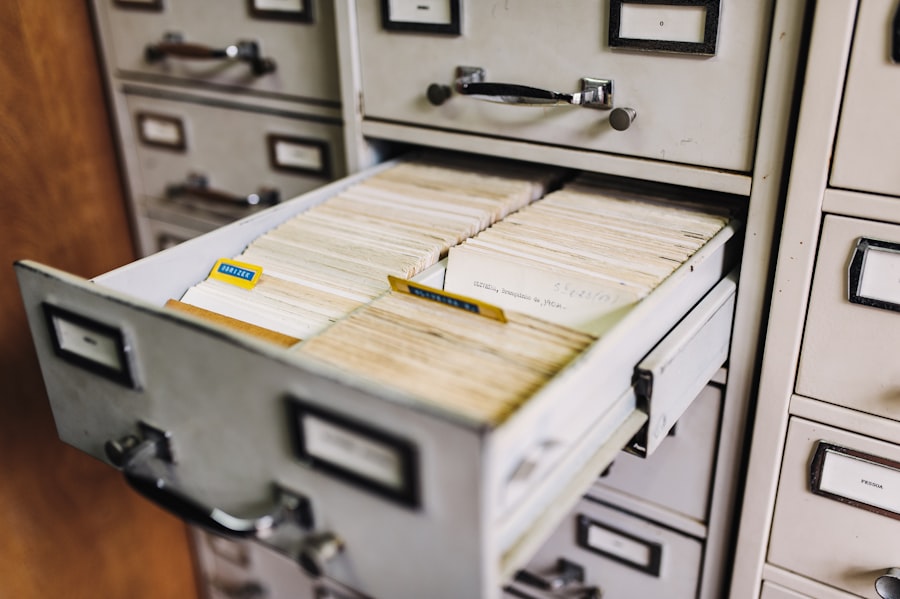
While FOIA is a powerful tool, its application to choral archives is not without its challenges. These obstacles require careful consideration by researchers seeking to leverage this legal mechanism.
Navigating the Labyrinth of Institutional Holdings
Choral music, by its nature, is spread across a vast array of institutions. Identifying the exact repository that holds relevant replication logs can be akin to searching for a specific needle in a haystack, a haystack that itself is composed of many smaller haystacks.
The Multiplicity of Archive Types
As previously mentioned, choral archives can be housed in diverse locations: university music departments, seminary libraries, historical societies, national archives, and even private estates. Pinpointing the correct institution responsible for the records of a particular choral tradition can be a significant initial hurdle.
The Fragmented Nature of Records
Even within a single institution, replication logs might not be consolidated in one easily accessible location. They may be scattered across departmental files, cataloging records, or correspondence from different eras. A FOIA request needs to be precise enough to target these dispersed materials.
The Challenge of Non-Federal Archives
While federal agencies are directly subject to FOIA, many significant choral archives are held by state, municipal, or private institutions. In these cases, while FOIA itself may not apply, researchers often employ a “FOIA-like” approach, submitting formal information requests that mimic FOIA procedures. The success of such requests hinges on the institution’s willingness to be transparent and its own internal policies regarding public record access.
The Delays and Bureaucracies of the FOIA Process
The FOIA process, by design, involves bureaucratic procedures that can lead to significant delays. This can be particularly frustrating for researchers working under academic deadlines or seeking to quickly access time-sensitive information.
The Timeframe for Responses
Federal agencies are legally obligated to respond to FOIA requests within a specific timeframe, typically 20 business days. However, in practice, due to the volume of requests and the complexity of retrieval, responses can often take many months, or even years, especially for requests that involve extensive searches.
The Cost of Information Retrieval
While the initial request is usually free, agencies can charge fees for search time, document review, and duplication. These costs can accumulate, potentially becoming a barrier for researchers with limited budgets. Understanding the fee structure and seeking fee waivers when applicable is crucial.
The Art of Negotiation and Refinement
Researchers may need to engage in a process of negotiation with the agency, refining their requests to make them more manageable and to expedite the search. This might involve narrowing the scope of the request, agreeing to receive redacted copies, or focusing on specific types of documents rather than an exhaustive search.
The Interpretation and Utility of Replication Logs
Even when the logs are successfully obtained, their interpretation requires careful consideration and contextualization. They are not always straightforward historical narratives.
The Subjectivity of Archival Selection
The decision to replicate a particular document was not always purely objective. It could be influenced by the prevailing academic trends, the biases of archivists, or even the personal interests of institutional leaders at the time. Understanding this subjectivity is key to interpreting the significance of what was replicated, and what was not.
The Need for Cross-Referencing
Replication logs are most powerful when cross-referenced with other archival materials. Contemporaneous correspondence, acquisition records, and performance programs can help to contextualize the information found in the logs and to understand the motivations behind specific replication efforts.
The Gaps in the Record
It is important to acknowledge that replication logs are rarely comprehensive. There may be periods for which records are missing, or instances where replication occurred without formal documentation. Researchers must be aware of these potential gaps and avoid drawing definitive conclusions based solely on the available logs.
The recent discussions surrounding choral archive replication logs have highlighted the importance of transparency in data management, particularly in the context of FOIA requests. A related article that delves into the intricacies of such requests and their implications can be found at this link. This resource provides valuable insights into the processes involved and the challenges faced by organizations in maintaining compliance while ensuring the integrity of their archival systems.
The Path Forward: Leveraging FOIA for Choral Music History
| Date | Request ID | Requester Name | Document Type | Replication Status | Number of Logs | Response Time (days) | Notes |
|---|---|---|---|---|---|---|---|
| 2024-01-15 | FOIA-2024-001 | John Smith | Choral Archive Replication Logs | Completed | 150 | 12 | Full data provided |
| 2024-02-10 | FOIA-2024-002 | Emily Johnson | Replication Error Logs | In Progress | 75 | N/A | Awaiting additional review |
| 2024-03-05 | FOIA-2024-003 | Michael Lee | Replication Success Logs | Completed | 200 | 10 | Redacted sensitive info |
| 2024-04-20 | FOIA-2024-004 | Sarah Davis | Choral Archive Replication Logs | Denied | 0 | 5 | Request denied due to privacy concerns |
| 2024-05-12 | FOIA-2024-005 | David Martinez | Replication Logs Summary | Completed | 120 | 8 | Summary report provided |
The intertwined nature of Choral Archive Replication Logs and FOIA requests presents a compelling avenue for future research into the history of musical tradition. By understanding the methods, challenges, and potential rewards, scholars can more effectively employ these tools to illuminate the past.
Strategic Application of FOIA Principles
For researchers working with non-federal archives, embracing the spirit of FOIA—transparency, public access, and the right to information—is paramount. This involves:
Formalizing Information Requests
Instituting formal, written requests that clearly articulate the desired information, the relevant institutional departments or collections, and the historical period of interest. This mirrors the structure of a FOIA request and prompts a more thorough institutional response.
Understanding Institutional Policies
Familiarizing oneself with the access and information disclosure policies of the target institution. This can provide a roadmap for navigating their specific procedures and understanding their openness to public inquiry.
Building Relationships with Archivists
Establishing professional relationships with archivists and librarians can be invaluable. They possess intimate knowledge of their collections and can often guide researchers towards relevant materials, even those not explicitly covered by a formal request.
Interdisciplinary Approaches to Archival Research
The study of choral music history benefits immensely from interdisciplinary perspectives. Combining archival research with musical analysis and historical context is essential for a comprehensive understanding.
The Synergy of Text and Context
Replication logs provide textual evidence of archival activity. This evidence must be situated within the broader historical, social, and musical context of the time. For example, understanding why a particular mass setting was replicated requires knowledge of liturgical practices, musical aesthetics, and the socio-political climate of the era.
The Musical Detective Work
The process of interpreting replication logs can be akin to detective work. Piecing together fragmented clues, cross-referencing information, and making informed inferences are all crucial skills. Researchers must be willing to engage in this meticulous, often time-consuming, investigative approach.
The Broader Implications for Musicology
By documenting the processes of archival preservation and dissemination, the study of replication logs contributes to a deeper understanding of the transmission and evolution of musical traditions. It moves beyond the study of individual compositions to explore the infrastructure and human efforts that have shaped our musical heritage.
The Enduring Legacy of Uncovered Histories
The meticulous work of researchers, armed with tools like FOIA, ensures that the history of choral music does not become a lost symphony. Each uncovered log, each deciphered record, adds a vital note to the grand composition of our musical past. This ongoing effort is crucial for understanding how our musical traditions have been shaped, preserved, and passed down, offering an invaluable legacy for future generations of musicians and scholars. They are the unseen architects of our auditory heritage, and their efforts, documented through these logs, deserve to be illuminated.
FAQs
What are choral archive replication logs?
Choral archive replication logs are records that track the copying and synchronization of digital archives within the Choral system. They document changes, updates, and transfers of archived data to ensure consistency and integrity across multiple storage locations.
How can I submit a FOIA request for choral archive replication logs?
To submit a FOIA (Freedom of Information Act) request for choral archive replication logs, you need to contact the specific government agency or institution that maintains these records. The request should be made in writing, clearly specifying the documents you seek, and follow the agency’s FOIA submission guidelines.
Are choral archive replication logs publicly accessible under FOIA?
Choral archive replication logs may be accessible under FOIA if they are held by a federal agency and do not contain exempt information such as classified data, personal privacy details, or sensitive security information. Each request is evaluated on a case-by-case basis.
What information is typically included in choral archive replication logs?
These logs generally include timestamps of replication events, identifiers of the data replicated, status of replication processes, error messages if any, and details about the source and destination of the archived data.
How long does it usually take to receive choral archive replication logs after a FOIA request?
The response time for FOIA requests varies by agency but typically ranges from 20 business days to several months, depending on the complexity of the request, the volume of records, and the agency’s workload. Requesters can often check the status of their request during this period.