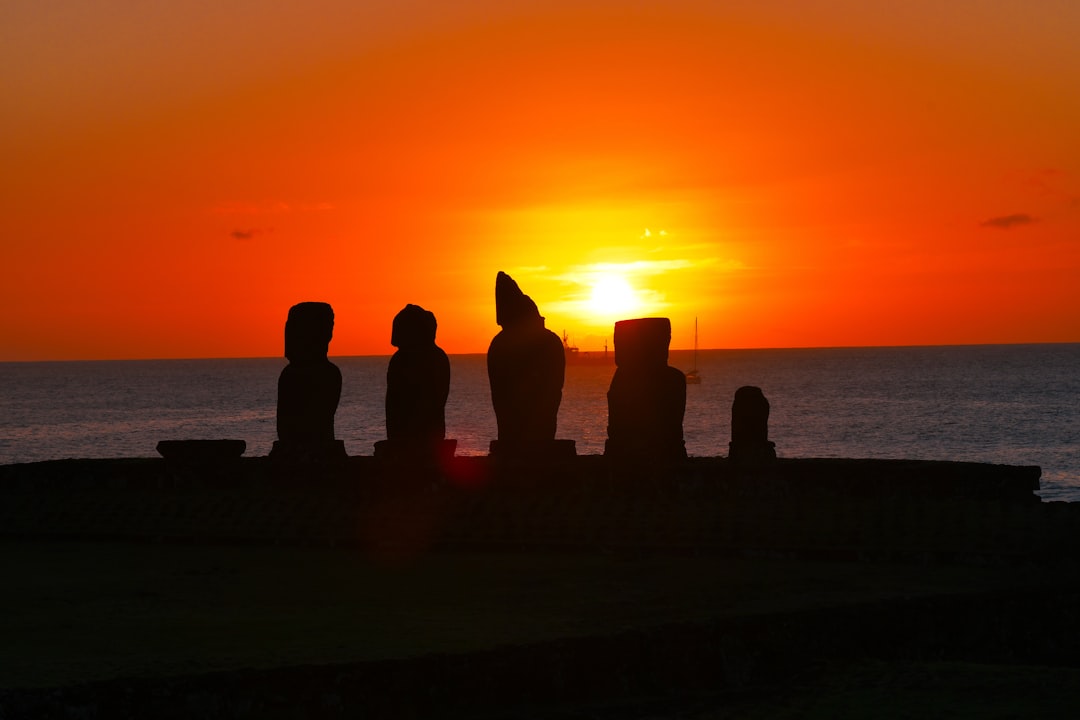
The study of early human cultures has long been dominated by terrestrial explorations, focusing on cave dwellings, early farming settlements, and overland migration routes. However, a growing body of scientific investigation is redirecting attention towards the coastlines, proposing the existence of sophisticated prehuman cultures that leveraged the marine environment for survival, expansion, and cultural development. This shift in perspective, termed the “Sea Road Hypothesis,” suggests that ancient coastlines, perceived as mere borders, were in fact vibrant highways, facilitating movement, resource acquisition, and interaction on scales previously unimagined.
The concept of “prehuman” in this context refers to hominin species that predated Homo sapiens, such as Homo erectus and potentially even earlier australopithecines, who are now increasingly being considered capable of more complex behaviors and wider geographical dispersal than previously assumed. The focus on coastal environments for these early populations stems from the rich and predictable resource base offered by marine ecosystems, coupled with the advantages of waterborne travel for extending reach and avoiding terrestrial predators.
The Oceanic Larder: A Foundation for Early Coastal Life
The allure of the ocean to early hominins is rooted in its abundant and diverse food sources. Unlike the often sporadic availability of terrestrial game and edible plants, coastal environments presented a more stable and concentrated buffet.
Marine Mammal Exploitation
Coastal regions provided ready access to marine mammals, including seals, sea lions, and cetaceans. Archaeological evidence, though still being gathered and debated, suggests opportunistic scavenging of stranded animals and, in more advanced stages, potentially early forms of herding or driving prey towards shore. The blubber and meat of these animals would have offered a calorically dense and nutrient-rich food source, vital for supporting larger hominin populations and enabling prolonged periods of survival in challenging environments. The systematic processing of marine mammal carcasses, indicated by cut marks on fossilized bones, points to a level of technological engagement with these resources.
Bivalve and Gastropod Harvesting
Shellfish beds, readily available in intertidal zones, offered a consistently accessible and easily harvested food source. Mussels, oysters, clams, and various gastropods provided not only sustenance but also essential minerals. The accumulation of shell middens – remnants of persistent foraging – serves as a powerful indicator of long-term coastal habitation and systematic exploitation of these intertidal resources. The presence of specific species and their abundance within these middens can also offer insights into seasonal availability and dietary preferences.
Fisheries and Aquatic Vertebrates
While direct evidence of sophisticated fishing techniques from prehuman periods is scarce, indirect indicators suggest opportunistic fishing and collection of smaller aquatic vertebrates. Lower tide pools would have contained a variety of fish, eels, and crustaceans, easily accessible with rudimentary tools or even by hand. The transport of fish to inland camps, evidenced by fish bones found in non-coastal archaeological sites, further supports the notion of coastal foraging extending beyond the immediate shoreline.
Recent studies have shed light on the intriguing prehuman coastal cultures and their use of sea roads for trade and communication. An insightful article that delves deeper into this topic can be found at XFile Findings, where researchers explore the archaeological evidence and the implications of these ancient maritime routes on human development and cultural exchange. This exploration not only enhances our understanding of early human societies but also highlights the significance of coastal environments in shaping their interactions.
Navigational Innovations: Bridging the Gaps
The hypothetical existence of “sea roads” necessitates the development of rudimentary navigational capabilities and watercraft. While definitive proof of prehuman seafaring is elusive, comparative evidence from later hominin groups and primate behavior offers compelling arguments.
Early Rafting and Buoyancy Principles
Early hominins likely understood basic principles of buoyancy. The use of logs, reeds, or inflated animal hides could have facilitated the construction of simple rafts. Such craft would have been sufficient for short-distance crossings between islands, along sheltered coastlines, or for navigating river mouths. Evidence for such early watercraft remains hypothetical, with archaeologists relying on inferences made from tool capabilities and the geographical distribution of hominin fossils. The discovery of stone tools on islands separated by significant water bodies provides circumstantial evidence for sea crossings.
Coastline Following and Landmark Recognition
Even without advanced navigation, a strategy of “coastline following” would have been highly effective. Hominins could have moved along shorelines, maintaining visual contact with the land. Understanding local currents, prevailing winds, and the timing of tides would have been crucial for optimizing travel. The recognition of prominent landmarks, such as distinctive rock formations or mountain ranges visible from the sea, would have aided in maintaining direction and orientation. This form of navigation, while not requiring complex instruments, would still represent a significant cognitive leap.
Understanding Marine Phenomena
Observing marine life, weather patterns, and celestial bodies would have provided early hominins with a growing understanding of the marine environment. The migratory patterns of fish, the behavior of seabirds, and the changing phases of the moon could have all informed their movements and resource exploitation strategies. This accumulated ecological knowledge, passed down through generations, would have been foundational to the development of more sophisticated maritime practices.
Dispersal and Connectivity: The Sea as a Highway
The “Sea Road Hypothesis” posits that coastal routes were instrumental in the geographical expansion of hominin populations, allowing them to circumvent formidable terrestrial barriers and colonize new territories.
Circumventing Terrestrial Challenges
Inland landscapes often presented significant challenges to early hominin movement, including dense forests, rugged mountain ranges, and vast, arid plains. Coastal routes, by contrast, could offer more continuous and navigable pathways. The ability to travel by sea or along the immediate shoreline would have allowed populations to bypass these terrestrial obstacles, accessing new regions with greater efficiency. This would have been particularly true for species with limited capacity for endurance running or navigating complex inland terrain.
Island Colonization and Archipelago Networks
The colonization of islands, even those relatively close to mainland shores, has long been a puzzle for terrestrial migration models. The “Sea Road Hypothesis” offers a plausible solution, suggesting that coastal-dwelling hominins, through accidental or intentional sea crossings, began to populate island chains. The development of established sea routes between islands could have led to the formation of interconnected networks, facilitating the exchange of resources, genes, and cultural practices across archipelagos. The spread of tool technologies across island groups can sometimes be interpreted as evidence of such connectivity.
Early Human Migration Corridors
The coastal routes are now being considered as crucial corridors for early human migration out of Africa and across continents. Rather than solely relying on overland routes through the Arabian Peninsula or the Rift Valley, hominins may have followed the rich coastlines of the Red Sea and the Indian Ocean. This would have provided consistent access to food and water, making the journey more tenable. The distribution of early hominin fossils and stone tools along these ancient coastlines supports this revised understanding of dispersal patterns.
Cultural Exchange and Technological Diffusion
The movement of people along sea roads would have inevitably led to the exchange of ideas, technologies, and social practices, fostering cultural innovation and diffusion.
Tool Technology Transmission
The adoption and adaptation of early hominin tool technologies, such as stone tools, could have spread rapidly along coastal routes. Encounters between different groups would have provided opportunities to observe, learn, and adopt new methods of tool manufacture and use. The presence of similar toolkits in geographically disparate coastal regions, separated by significant water bodies, suggests either independent invention or, more likely, facilitated transmission.
Social Organization and Communication
The increased interaction facilitated by coastal routes could have promoted the development of more complex social structures and communication methods. Establishing and maintaining these “sea roads” would have required coordinated efforts, potentially leading to early forms of leadership and cooperation. The sharing of knowledge about marine resources, navigation, and predator avoidance would have been critical for survival and would have fostered intergroup relationships.
Ritual and Symbolic Practices
While speculative, it is conceivable that early coastal cultures developed unique ritualistic and symbolic practices tied to the marine environment. Interactions between groups could have led to the diffusion of these practices, influencing the spiritual and cultural landscapes of nascent societies. The shared symbolism associated with the ocean, its cycles, and its inhabitants could have played a role in forging common identities or facilitating communication between disparate groups.
Recent studies have shed light on the intriguing concept of prehuman coastal culture and the sea roads that connected ancient communities. These early societies relied heavily on maritime resources and navigation, shaping their way of life and trade. For a deeper understanding of this fascinating topic, you can explore a related article that discusses the significance of these sea routes in the development of coastal cultures. Check it out here to learn more about how these ancient pathways influenced human interaction and survival along the coastlines.
Future Research Directions and Challenges
The “Sea Road Hypothesis” is a dynamic and evolving field of research, facing significant challenges but also offering exciting avenues for future investigation.
Archaeological Site Identification and Excavation
The primary challenge lies in the identification and excavation of relevant archaeological sites. Many ancient coastlines are now submerged due to sea-level changes, making their exploration extremely difficult. Advanced underwater archaeology techniques, including sonar mapping and remotely operated vehicles, are becoming increasingly crucial for uncovering submerged evidence of early coastal settlements and activity. The preservation of organic materials in submerged environments can also be an advantage, offering insights lost on land.
Paleoenvironmental Reconstruction
Accurate paleoenvironmental reconstruction is vital for understanding the ancient coastal landscapes and the resources available to early hominins. This involves the study of paleoclimatology, paleoceanography, and paleobotany to determine sea levels, coastal morphology, and the distribution of flora and fauna at different points in prehistory. Advances in sediment core analysis and isotopic dating are providing increasingly detailed reconstructions of these ancient environments.
Interdisciplinary Collaboration
The successful advancement of the “Sea Road Hypothesis” relies heavily on interdisciplinary collaboration. Archaeologists, paleoclimatologists, marine biologists, geneticists, and anthropologists must work together to synthesize diverse data streams and build a comprehensive picture of early coastal life. This collaborative approach is essential for overcoming the inherent limitations of individual disciplines and for developing robust, multi-faceted arguments.
Rethinking Hominin Cognitive Abilities
A critical aspect of future research involves reassessing the cognitive abilities of prehuman hominins. The proposed capacity for navigation, problem-solving in a complex marine environment, and social coordination necessitates a broader understanding of their intelligence and adaptability than often attributed. Comparative studies of modern primate behavior and cognitive development in young children can offer analogies for inferring the potential cognitive capacities of our ancestors.
The exploration of prehuman coastal cultures and the proposition of ancient sea roads is not merely an academic exercise. It represents a fundamental reevaluation of early human history, suggesting that our ancestors were more adaptable, innovative, and interconnected than previously imagined, with the vast expanse of the ocean playing a far more significant role in their journey than the land alone.
FAQs
What is prehuman coastal culture?
Prehuman coastal culture refers to the ancient societies that lived along coastlines before the emergence of modern humans. These cultures relied on the resources of the sea for their sustenance and developed unique technologies and social structures to thrive in coastal environments.
What are sea roads?
Sea roads are ancient maritime routes used by prehuman coastal cultures to navigate the seas and establish trade and communication networks. These routes connected different coastal communities and allowed for the exchange of goods, ideas, and cultural practices.
How did prehuman coastal cultures navigate the seas?
Prehuman coastal cultures used various methods to navigate the seas, including celestial navigation, observation of natural landmarks, and knowledge of ocean currents and wind patterns. They also developed sophisticated boat-building techniques to construct seaworthy vessels for long-distance travel.
What evidence supports the existence of prehuman coastal cultures and sea roads?
Archaeological evidence, such as ancient coastal settlements, boat remains, navigational tools, and trade goods, supports the existence of prehuman coastal cultures and sea roads. Additionally, oral traditions and historical accounts from indigenous coastal communities provide valuable insights into these ancient maritime networks.
What is the significance of studying prehuman coastal culture and sea roads?
Studying prehuman coastal culture and sea roads provides valuable insights into early human migration, technological innovation, and the development of maritime trade networks. It also sheds light on the resilience and adaptability of ancient coastal societies in the face of environmental challenges.