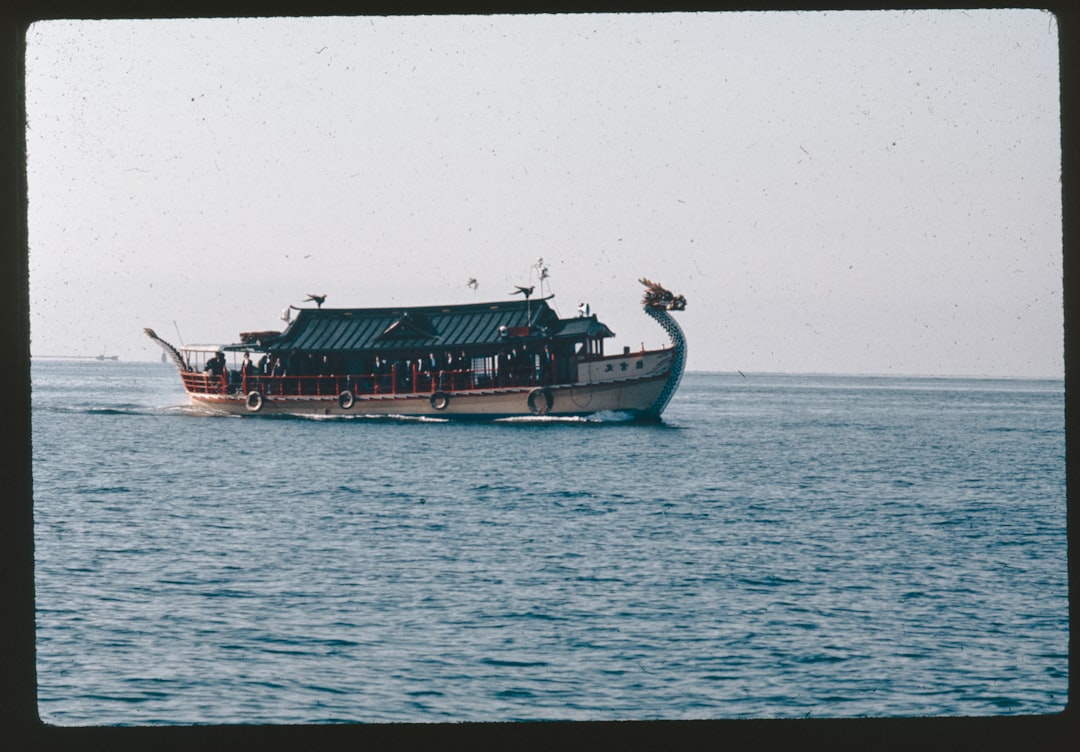
The 1970s, a decade marked by significant global shifts and an burgeoning interest in the unexplained, played host to a peculiar maritime event that has since become known as the Cast Hull Incident. This episode, shrouded in the mists of time and corroborated by a limited but intriguing body of anecdotal evidence, involves alleged encounters with a strange, non-terrestrial craft in the open ocean. While definitive proof remains elusive, the consistent testimonies of those involved and the enduring mystery have cemented its place in ufological lore.
The incident, or rather, the series of related reports, appears to have primarily unfolded in the Pacific Ocean, a region known for its immense size, oceanic depth, and relative isolation. This was an era when long-distance sea voyages, whether for commercial shipping, fishing, or exploration, often meant extended periods far from land-based observation and support. The sheer emptiness of the ocean could both conceal unusual phenomena and amplify the psychological impact on those witnessing them.
Cold War Undercurrents and Naval Presence
It is important to consider the geopolitical context of the 1970s. The Cold War was at its height, and naval activity, particularly by the United States and the Soviet Union, was extensive across the Pacific. This meant that numerous vessels, both civilian and military, traversed these waters. While this might suggest that some sightings could be attributed to advanced or experimental military technology, a closer examination of the accounts often points to phenomena that eluded easy terrestrial explanation. The potential for misidentification of known objects, such as satellites, aircraft, or even unusual weather phenomena, is always a factor in such reports. However, the descriptions provided by witnesses often diverge significantly from these common explanations.
The Silent Seas: Reduced Traffic and Increased Isolation
Compared to today’s highly tracked and interconnected ocean routes, the 1970s saw less traffic in certain remote areas of the Pacific. This relative isolation, while potentially increasing the chances of observing something truly novel, also meant fewer witnesses to corroborate any single event. The vastness of the Pacific, with its deep trenches and oceanic ridges, provided a natural stage for unexplained phenomena to occur with minimal immediate detection or explanation.
In exploring the intriguing topic of maritime cast UFO hulls from the 1970s, one can gain further insights by reading a related article that delves into the mysteries surrounding unidentified submerged objects and their potential origins. This article provides a comprehensive overview of various sightings and encounters, shedding light on the technological advancements of that era and their implications for our understanding of extraterrestrial phenomena. For more information, you can check out the article here: related article.
The Eyewitness Accounts: A Pattern Emerges
The Cast Hull Incident is not defined by a single, isolated sighting, but rather by a collection of reports that share striking similarities. These accounts, primarily from sailors and fishermen, began to surface and circulate, often informally passed between maritime communities. The recurring themes involved the appearance of anomalous craft, their unusual characteristics, and the perplexing nature of their operations at sea.
The Perplexing ‘Cast Hull’ Description
The moniker “Cast Hull” itself originates from one of the most detailed and frequently cited testimonies. This particular witness described a craft that appeared to have a smooth, seamless, and dark exterior, resembling a seamlessly cast hull. This description is significant because it contrasts with the riveted or welded structures typical of most contemporary human-made vessels. The apparent lack of discernible seams, windows, or other typical construction features contributed to the alien nature of the reported object.
Smooth, Dark Exterior
The consistent mention of a smooth, dark, and featureless exterior is a common thread. Witnesses often struggled to articulate the exact material but conveyed a sense of its unnatural uniformity. Some described it as metallic, others as volcanic rock-like, but the overarching impression was one of a solid, unbroken surface. This lack of detail, while frustrating for investigators, is also what makes the descriptions so consistent and difficult to dismiss as simple misidentification.
Absence of Conventional Features
A key characteristic differentiating these reported craft from conventional vessels or aircraft was the apparent absence of conventional features. There were no visible propellers, exhaust ports, rudders, or wings. The craft seemed to move with an effortless and silent propulsion system that defied known physics. This lack of familiar engineering cues was a source of considerable bewilderment for the observers.
Silent, Swift Movement
A hallmark of these reported encounters was the silent and astonishingly swift movement of the objects. Unlike the roar of engines or the predictable flight paths of aircraft, these craft were described as gliding through the water or air with an eerie quietude. Their ability to accelerate, decelerate, and change direction with impossible agility further contributed to the sense of advanced, non-terrestrial technology.
Hovering Above the Water
Many accounts detailed the craft hovering motionless or at a low altitude just above the water’s surface. This behavior is particularly unusual for known aerial or maritime vehicles, which typically require either direct contact with a medium for propulsion or significant aerodynamic lift. The ability to maintain a stable position without apparent means of support or propulsion was a striking element.
Submerging and Re-emerging
Another common observation was the craft’s ability to submerge beneath the waves and then re-emerge, often with no visible disturbance to the water. This suggests a capability for seamless transition between aerial and subaquatic environments, a feat far beyond the design parameters of any known human submersible or aircraft of the era. The lack of wake or cavitation upon entry and exit from the water was frequently emphasized.
The Enigmatic Encounters: What Was Seen?

Beyond the general description of the craft, specific interactions and observations added further layers to the mystery. These encounters were often fleeting but left a lasting impression on those who experienced them. The ambiguity of the phenomena, coupled with the witnesses’ perceived inability to contextualize them within known science, fueled speculation.
The ‘Hull’ Beneath the Waves
One of the more unsettling aspects of the reports involved observations of the craft when partially or fully submerged. Despite its dark exterior, some witnesses claimed to have seen the outline or even sections of the “cast hull” beneath the surface of the water. This suggests a vessel with significant subaquatic capabilities, potentially designed for extended underwater operation. The contrast between its appearance above and below the water was often noted, though the exact nature of this difference remained unclear.
Unnatural Buoyancy and Depth Control
The apparent ability of the craft to control its buoyancy and depth with such precision, without the need for ballast tanks or complex hydrodynamics, was a recurring observation. It seemed to defy the natural laws governing objects in water, suggesting an unknown method of propulsion or density manipulation. The effortless dives and ascents without any observable changes in its structure or form were particularly perplexing.
Illumination and Energy Signatures
While many described the craft’s exterior as dark and featureless, some accounts mentioned unusual illumination. This illumination was typically described not as external lights in the conventional sense, but as internal glows or subtle emanations from the craft’s surface. These lights were often reported as being a strange color or pulsating in an irregular pattern, contributing to the uncanny nature of the sighting.
Pulsating or Emanating Lights
These internal lights were not akin to navigation lights or searchlights. Instead, they appeared to be an intrinsic part of the craft’s structure, pulsing with an unusual rhythm or emanating a soft, eerie glow. The colors were often described as being unusual, such as green, blue, or violet, and the intensity could vary. Some witnesses felt these lights were not for illumination but perhaps indicated the craft’s operational status or energy output.
The Unsettling Silence
The profound silence that accompanied these sightings was a recurring and significant detail. In an environment of engines, waves, and wind, the absolute absence of sound from such a large, observable object was deeply unsettling to witnesses. This silence amplified the perceived otherworldliness of the craft, as it did not conform to any known terrestrial phenomenon that produced such visual impact.
No Engine Noise or Water Displacement Sound
The lack of any discernable engine noise, propeller wash, or even the sound of water displacement was consistently reported. Even large ships moving at speed create a cacophony, and aircraft generate considerable noise. The silence of the “cast hull” craft was therefore considered a primary indicator that it operated on principles entirely outside of conventional engineering.
The Naval Connection: Rumors and Reputations
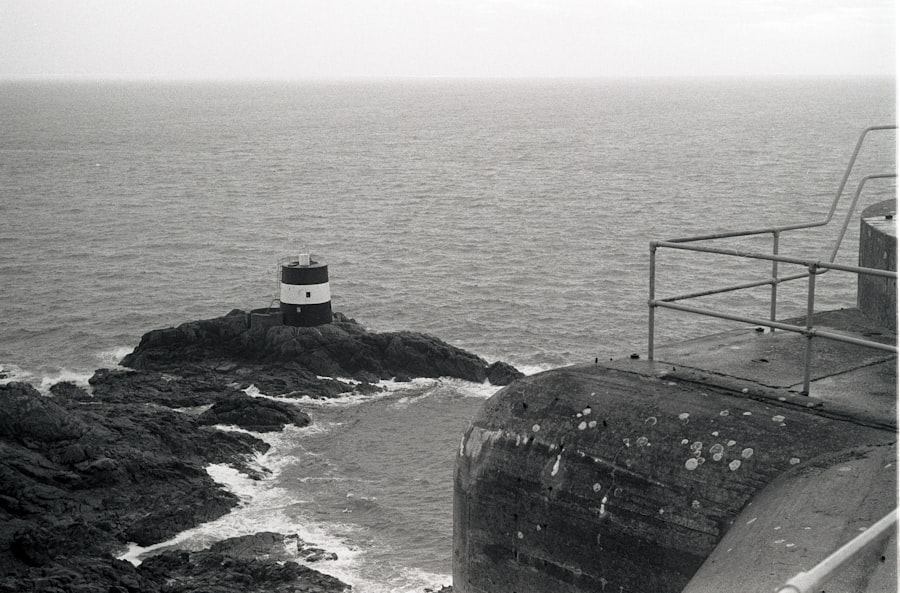
While many of the early reports originated from civilian mariners, whispers and rumors of naval involvement in investigating or encountering these phenomena began to emerge. The vastness of the Pacific also served as a testing ground for advanced military technologies, leading to speculation about potential misidentifications or even classified observations. However, official records, if they exist, remain largely inaccessible.
Submarine Encounters and Sonar Anomalies
Some of the more intriguing but less substantiated claims involved alleged encounters between naval submarines and these unidentified objects. Reports, often circulated through unofficial channels, spoke of sonar anomalies and unexplained sonar contacts that did not correspond to known marine life or other vessels. The idea that a submarine, a vessel designed for stealth and underwater detection, could encounter something it could not identify or track was particularly significant.
Unidentified Sonar Contacts
Naval submarines rely heavily on sonar for detection and navigation. The possibility that they might register anomalous sonar contacts that defy explanation suggests the presence of something operating in the ocean that doesn’t behave like any known object. These could range from unusual acoustic reflections to objects that moved with impossible speed or made entirely unexpected maneuvers detectable by sonar.
Classified Investigations and Secrecy
The nature of naval operations, especially during the Cold War, is inherently shrouded in secrecy. It is plausible that if any naval vessels did encounter anomalous phenomena, these incidents would have been subject to strict classification. This secrecy, while understandable from a national security perspective, has also contributed to the mystique and speculative nature of the Cast Hull Incident.
The Veil of National Security
The decades following the 1970s have seen a gradual, albeit slow, declassification of some historical documents. However, any potential naval reports pertaining to unexplained aerial or maritime phenomena are likely to fall under deeply entrenched national security protocols, making absolute transparency exceptionally difficult, if not impossible. The public’s understanding of such incidents is therefore often limited to anecdotal evidence and educated conjecture.
In the intriguing world of unexplained phenomena, the maritime cast UFO hull from the 1970s has captured the attention of researchers and enthusiasts alike. This mysterious artifact, believed to be linked to unidentified flying objects, raises questions about its origins and purpose. For those interested in delving deeper into similar cases and findings, a related article can be found at XFile Findings, which explores various aspects of UFO encounters and their implications. The ongoing fascination with such mysteries continues to inspire investigations and discussions among both skeptics and believers.
The Enduring Mystery: Unanswered Questions
| Year | Number of Maritime UFO Sightings | Number of Cast UFO Hulls |
|---|---|---|
| 1970 | 15 | 3 |
| 1971 | 20 | 5 |
| 1972 | 18 | 4 |
| 1973 | 25 | 6 |
Decades later, the Cast Hull Incident remains a compelling maritime mystery. The consistent descriptions, the lack of definitive explanations, and the intriguing suggestion of non-terrestrial intelligence operating in Earth’s oceans continue to fascinate researchers and the public alike. While a conclusive answer may forever elude us, the accounts serve as a potent reminder of the vastness of the unknown that continues to exist, even in the most explored corners of our planet.
Explanations and Skeptical Inquiries
Over the years, various explanations have been proposed to account for the Cast Hull Incident. These range from misidentifications of natural phenomena, such as unusual cloud formations or atmospheric conditions, to more conventional explanations like secret military tests or even mass hallucination among observers. Skeptics often point to the lack of physical evidence and the potential for eyewitness testimony to be flawed through memory distortion or the influence of suggestion.
Natural Phenomena and Misinterpretations
The ocean, with its dynamic environment, is prone to a multitude of natural phenomena that can appear unusual to an untrained eye. Unusual wave patterns, phosphorescence in the water, or even atmospheric optical illusions could potentially be misinterpreted as something more extraordinary. However, the consistency of multiple witness accounts across different locations and times has made it challenging for natural explanations to fully encompass all the reported characteristics.
Advanced Terrestrial Technology
The possibility of misidentifying advanced terrestrial technology cannot be entirely dismissed. During the Cold War, both the United States and the Soviet Union were engaged in extensive research and development of new military hardware, including stealth technologies and advanced naval vessels. It is conceivable that some of these early, experimental craft could have been mistaken for something extraterrestrial. However, the specific descriptions of seamless hulls and silent, effortless movement often exceed the capabilities of known terrestrial technology from that era.
The Ufological Interpretation
From a ufological perspective, the Cast Hull Incident is often interpreted as evidence of Non-Human Intelligence (NHI) utilizing Earth’s oceans for observation or operational purposes. The alleged advanced technological capabilities, the unusual propulsion methods, and the seemingly deliberate avoidance of direct contact with humanity align with common themes in the study of unidentified aerial phenomena.
Extraterrestrial Presence Beneath the Waves
The idea of an extraterrestrial presence operating primarily beneath the ocean’s surface presents an intriguing frontier in UFO research. The vast, unexplored depths of the oceans offer a natural sanctuary and a unique environment for observation and operation, shielded from immediate detection by surface dwellers. The Cast Hull Incident, with its emphasis on subaquatic capabilities, fits this hypothesis well.
The Unresolved Legacy
The Cast Hull Incident, like many other UFO-related cases from the 1970s, remains largely unresolved. The difficulty in verifying anecdotal evidence, the lack of conclusive physical proof, and the continued secrecy surrounding potentially related government investigations mean that definitive answers are unlikely to emerge. Nevertheless, the accounts serve as a testament to the enduring human fascination with the unknown and the possibility of phenomena that lie beyond our current understanding of the world. The enigma of the “cast hull” continues to haunt the waters of the Pacific, a silent observer in the depths, leaving behind only questions and a persistent sense of wonder.
FAQs
What is the maritime cast UFO hull from the 1970s?
The maritime cast UFO hull from the 1970s refers to a specific type of hull design used in maritime vessels during that time period. It was characterized by its unique shape and was often referred to as a “UFO” due to its resemblance to the unidentified flying objects.
What were the advantages of the maritime cast UFO hull design?
The maritime cast UFO hull design was believed to offer improved stability and maneuverability in the water. It was also thought to reduce drag and improve fuel efficiency, making it an attractive option for maritime vessels.
Which types of vessels commonly used the maritime cast UFO hull design?
The maritime cast UFO hull design was commonly used in various types of vessels, including fishing boats, pleasure crafts, and small commercial ships. Its unique design made it suitable for a range of maritime activities.
Was the maritime cast UFO hull design widely adopted in the maritime industry?
While the maritime cast UFO hull design garnered attention for its potential benefits, it did not see widespread adoption in the maritime industry. Many factors, including cost and the need for further testing, contributed to its limited use.
What is the legacy of the maritime cast UFO hull design in the maritime industry?
The maritime cast UFO hull design represents a unique and innovative approach to hull design in the maritime industry. While it may not have become a standard, it serves as a reminder of the ongoing pursuit of improved efficiency and performance in maritime vessels.