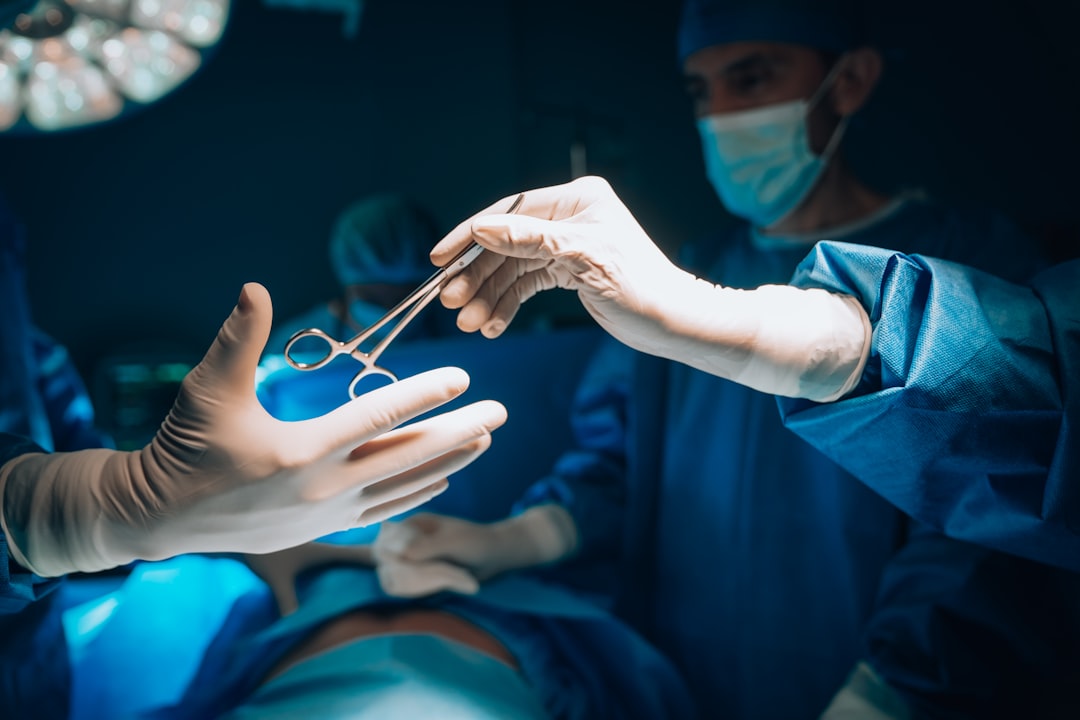
Recent developments in the field of medical research are suggesting a novel approach to surgical intervention, specifically concerning procedures that necessitate the preservation of delicate neural pathways. While the term “UFO surgery” is colloquially used to describe highly innovative, almost futuristic, surgical techniques, the underlying scientific advancements are addressing real-world challenges in complex operations, particularly those involving the nervous system. Emerging evidence indicates that certain experimental surgical methodologies, previously considered speculative, are showing promise in significantly improving outcomes for patients requiring nerve-sparing procedures. This article will delve into the latest findings supporting these techniques, examining the scientific basis, potential benefits, and the ongoing research that could redefine surgical possibilities.
The Intricacy of the Nervous System
The human nervous system, a complex network of nerves, and the brain, is responsible for transmitting signals between the brain and the rest of the body. This intricate system controls everything from voluntary movements and sensory perception to involuntary bodily functions and cognitive processes. Surgical interventions in areas close to or involving neural tissue are inherently challenging due to the delicate nature of these structures. Even minor unintentional damage can lead to significant and sometimes permanent functional deficits, including paralysis, loss of sensation, chronic pain, and autonomic dysfunction.
Anatomy of Key Neural Structures
Understanding the precise anatomy of the nerves, spinal cord, or brain region being operated on is paramount. Surgeons must possess an in-depth knowledge of nerve pathways, their branching patterns, and their relationship to surrounding anatomical structures like blood vessels, muscles, and organs.
Cranial Nerves and Their Functions
The twelve cranial nerves originate in the brain and control functions such as sight, hearing, smell, taste, facial expression, and swallowing. Surgery in the head and neck region, particularly involving tumors or vascular malformations, requires extreme caution to avoid iatrogenic injury to these vital nerves.
Peripheral Nerve Pathways
Peripheral nerves extend from the spinal cord to all parts of the body, enabling motor control and sensory feedback. Peripheral nerve injuries can result from trauma, compression, or surgical procedures, leading to a range of disabilities.
Historical Context of Nerve Damage in Surgery
Throughout surgical history, nerve damage has been a significant concern. Early surgical techniques often relied on broader dissection and less precise instrumentation, increasing the risk of inadvertent nerve injury. While the development of microsurgical techniques, improved imaging, and enhanced understanding of neurophysiology have reduced these risks, complex surgeries still present substantial challenges.
Evolution of Surgical Instruments
From rudimentary scalpels to highly sophisticated robotic arms and microscopic instruments, surgical tools have undergone remarkable evolution. This progression has allowed for greater precision and access to previously inaccessible anatomical areas.
Advances in Anesthesia and Monitoring
Modern anesthesia techniques and intraoperative neuromonitoring have also played a crucial role in minimizing the risks associated with nerve-sparing surgery. Continuous monitoring of nerve function during an operation provides real-time feedback to the surgical team, allowing for immediate adjustments to prevent damage.
The Spectrum of Nerve Injuries
Nerve injuries can manifest in various forms, each with its own prognosis and treatment implications. Differentiating between these types of injuries is critical for accurate diagnosis and effective management.
Neurapraxia
This is the mildest form of nerve injury, involving temporary disruption of nerve conduction without structural damage to the nerve. Recovery is typically complete and relatively rapid.
Axonotmesis
In this more severe injury, the axon (the inner core of the nerve) is damaged, but the outer myelin sheath remains intact. Regeneration is possible, but often slow and incomplete.
Neurotmesis
This is the most severe type of nerve injury, where the entire nerve is severed. Surgical intervention is usually required for repair, and complete recovery is less likely.
Recent advancements in nerve-sparing UFO surgery have shown promising results in preserving nerve function while effectively treating various conditions. A related article that delves deeper into the evidence supporting this innovative surgical approach can be found at XFile Findings. This resource provides valuable insights into the techniques and outcomes associated with nerve-sparing procedures, highlighting the potential benefits for patients seeking less invasive treatment options.
Emerging “UFO Surgery” Techniques: A Closer Look
The term “UFO surgery,” while evocative, refers to a confluence of advanced technologies and innovative surgical strategies. These approaches aim to achieve unprecedented levels of precision and minimally invasive access, thereby enhancing the ability of surgeons to preserve delicate neural structures. The evidence supporting these techniques is multifaceted, drawing from laboratory research, preclinical studies, and early clinical trials.
Advanced Imaging and Navigation Systems
A cornerstone of modern complex surgery, sophisticated imaging and navigation systems provide surgeons with a real-time, three-dimensional view of the surgical field, overlaid with anatomical and functional information. These systems are crucial for precisely identifying neural structures and planning surgical trajectories.
Intraoperative Magnetic Resonance Imaging (iMRI)
iMRI allows for imaging during the surgery itself, providing up-to-date anatomical information and helping surgeons to confirm the extent of tumor resection or the location of vital structures.
Real-time Anatomical Visualization
Surgeons can visualize the surgical site with exceptional clarity, identifying nerves and their proximity to the area of intervention.
Dynamic Field Updates
As the surgery progresses and tissues are manipulated, iMRI can provide updated images, allowing for continuous re-evaluation of surgical plans.
Neuronavigation Systems
These systems utilize pre-operative imaging (such as MRI or CT scans) to create a 3D model of the patient’s anatomy. During surgery, this model is tracked and aligned with the patient, providing a virtual pointer to the surgeon, guiding them with sub-millimeter accuracy.
Integrating Pre-operative and Intraoperative Data
Neuronavigation software integrates various imaging modalities to generate comprehensive anatomical maps.
Enhanced Surgical Precision
The ability to track instruments in relation to the patient’s anatomy significantly reduces the risk of straying into critical neural territories.
Robotic-Assisted Surgery
Robotic platforms, with their enhanced dexterity, tremor filtration, and magnified 3D visualization, are revolutionizing complex surgeries, particularly those demanding extreme precision in confined spaces.
Enhanced Dexterity and Maneuverability
Robotic arms offer a greater range of motion and finer manipulation capabilities than human hands, allowing surgeons to operate in areas that are difficult to access with traditional instruments.
Multi-articulated Instruments
These instruments mimic the flexibility of the human wrist, allowing for complex maneuvers in tight anatomical spaces.
Tremor Filtration
Robotic systems can filter out a surgeon’s natural hand tremors, leading to more stable and precise instrument control.
Minimally Invasive Access
Robotic surgery typically involves smaller incisions, leading to reduced tissue trauma, faster recovery times, and potentially less scarring.
Reduced Patient Recovery Time
Smaller incisions and less tissue disruption generally translate to shorter hospital stays and a quicker return to normal activities.
Preservation of Surrounding Tissues
The precision afforded by robotics helps to minimize damage to healthy tissues, including nerves, surrounding the surgical target.
Advanced Microsurgical Techniques and Instrumentation
Continuous refinement of microsurgical techniques, coupled with the development of specialized instruments, is crucial for nerve-sparing procedures.
High-Resolution Microscopes
These microscopes provide surgeons with magnified views of intricate neural structures, allowing for detailed dissection and identification.
Magnification Levels
Modern surgical microscopes offer a wide range of magnification, from low-power overviews to high-power exploration of individual nerve fibers.
Illumination Technologies
Advanced illumination systems ensure clear visualization of neural tissues, even in deep surgical cavities.
Specialized Microdissection Instruments
A range of fine-tipped instruments, such as micro-forceps, micro-scissors, and micro-suction devices, enables surgeons to manipulate and dissect neural tissue with extreme delicacy.
Fine-Grip Forceps
Designed for grasping delicate neural structures without causing crush injury.
Micro-Needle Holders
For precise suture placement when repairing severed nerves.
Evidence Supporting Nerve-Sparing Efficacy
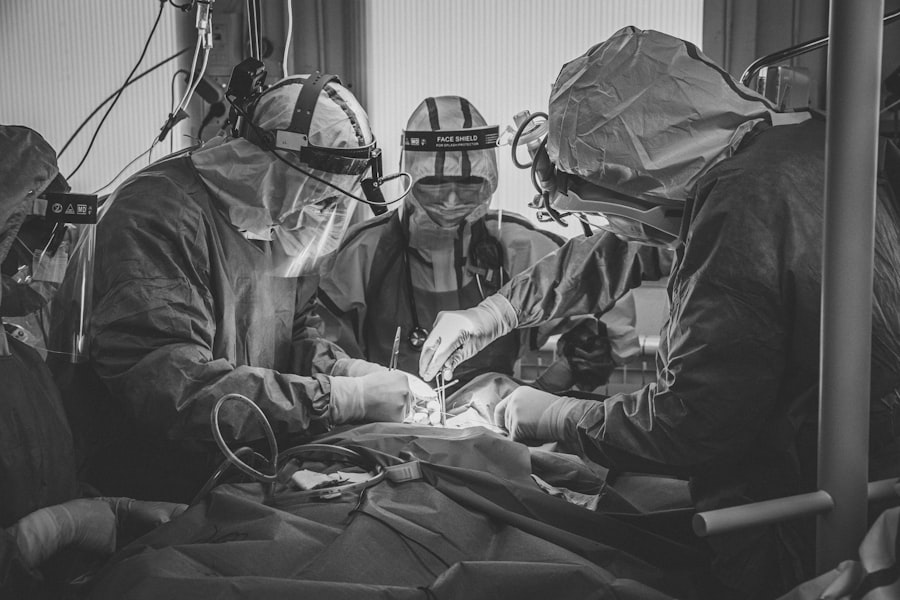
The supporting evidence for these advanced surgical approaches stems from various sources, each contributing to our understanding of their potential to improve nerve preservation.
Preclinical Studies and Animal Models
Before human trials, extensive research is conducted in preclinical settings, often utilizing animal models, to assess the safety and efficacy of new surgical techniques and technologies.
Simulation of Human Anatomy and Physiology
Researchers often employ animal models that possess anatomical and physiological similarities to humans, allowing for the testing of surgical approaches in a controlled environment.
Rodent Models for Nerve Regeneration Research
Studies involving rodents can provide insights into the cellular and molecular mechanisms of nerve regeneration following injury.
Larger Mammal Models for Complex Anatomy
For procedures involving more intricate anatomical regions, larger mammals might be used to better replicate the surgical challenges encountered in humans.
Comparative Analysis of Outcomes
Preclinical studies allow for direct comparison of outcomes between traditional surgical methods and the novel “UFO surgery” techniques, assessing differences in nerve damage and functional recovery.
Histological Examination of Nerve Tissue
Microscopic examination of nerve tissue post-surgery can reveal the extent of structural damage or preservation.
Functional Assessments
Behavioral tests can objectively measure the functional recovery of the nervous system in animal models.
Early Clinical Trial Data
While still in its nascent stages for some of these highly specialized techniques, early clinical trial data is beginning to emerge, providing promising insights into their real-world application and impact on nerve preservation.
Pilot Studies and Feasibility Trials
Initial clinical investigations often focus on the safety and feasibility of a new technique in a small group of patients.
Patient Selection Criteria
Careful selection of patients who are most likely to benefit from the experimental procedure is crucial.
Monitoring for Adverse Events
Close monitoring for any unexpected complications or adverse effects is a primary objective of early trials.
Observational Studies and Case Series
As techniques mature, observational studies and case series review the outcomes of patients who have undergone these procedures.
Retrospective Data Analysis
Analyzing existing patient data to identify trends and outcomes.
Prospective Case Reporting
Documenting outcomes systematically as patients undergo the new surgical approaches.
Impact on Patient Outcomes and Quality of Life
The ultimate measure of any surgical advancement lies in its impact on patient well-being and long-term quality of life. Evidence is accumulating to suggest that nerve-sparing “UFO surgery” holds significant promise in this regard.
Reduced Post-operative Morbidity
Minimizing nerve damage directly correlates with reduced post-operative complications such as pain, weakness, and sensory deficits.
Decreased Incidence of Chronic Neuropathic Pain
Preservation of nerve fibers can significantly reduce the likelihood of developing persistent, debilitating pain.
Improved Motor Function Recovery
For surgeries involving motor pathways, preserving nerve integrity leads to a greater potential for regaining normal movement.
Enhanced Functional Recovery and Rehabilitation
Patients who undergo nerve-sparing procedures often experience a smoother and more complete recovery, requiring less intensive rehabilitation.
Shorter Rehabilitation Periods
The need for extensive physical therapy may be reduced with less initial nerve damage.
Greater Potential for Full Restoration of Function
With less compromised neural pathways, the capacity for the nervous system to heal and regain function is significantly higher.
Improved Patient Satisfaction and Quality of Life
The cumulative effect of reduced morbidity, enhanced functional recovery, and improved overall health contributes to a higher level of patient satisfaction and a better quality of life.
Psychological Well-being
The ability to maintain normal bodily functions and independence positively impacts mental health.
Return to Daily Activities
Successful nerve preservation allows patients to return to their work, hobbies, and social lives more fully.
Challenges and Future Directions
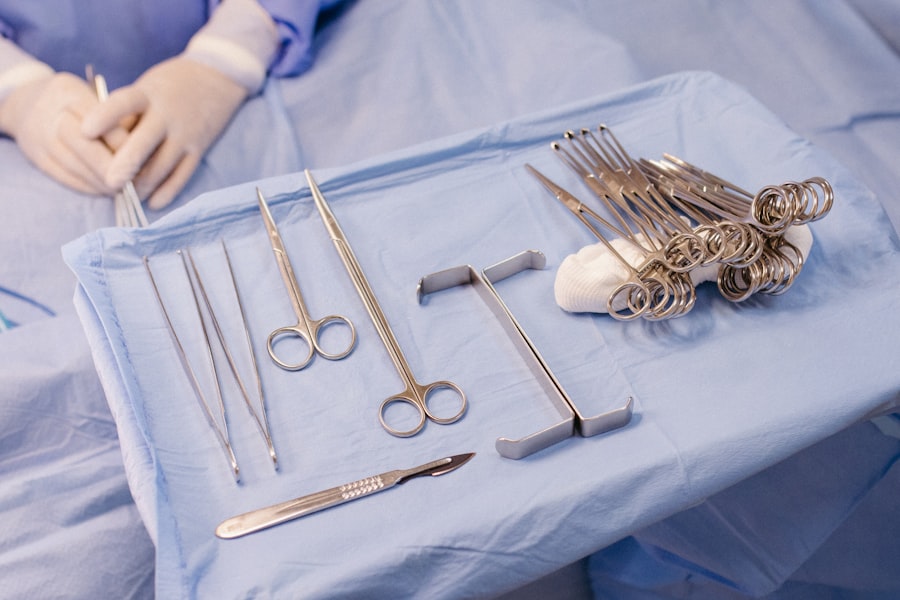
Despite the encouraging evidence, the widespread adoption of these advanced surgical techniques is not without its hurdles. Addressing these challenges is crucial for their continued development and integration into mainstream surgical practice.
Training and Skill Acquisition
Mastering complex robotic systems, neuronavigation technologies, and advanced microsurgical techniques requires extensive and specialized training.
Development of Robust Training Programs
Educational institutions and surgical societies are developing comprehensive training curricula, including simulation-based learning and supervised practice.
Simulation Technology for Skill Development
Virtual reality and advanced simulators allow surgeons to practice complex maneuvers repeatedly in a risk-free environment.
Mentorship and Supervised Practice
Experienced surgeons play a vital role in mentoring trainees and supervising their initial cases.
Cost and Accessibility
The advanced technologies and specialized equipment associated with “UFO surgery” can be expensive, potentially limiting accessibility in certain healthcare settings or for patients with limited insurance coverage.
Economies of Scale and Technological Advancement
As these technologies become more widespread, manufacturing costs are likely to decrease, making them more affordable.
Government and Insurance Reimbursement Policies
The willingness of governments and insurance providers to reimburse for these advanced procedures will be a significant factor in their accessibility.
Global Health Equity Considerations
Ensuring that these life-enhancing surgical innovations are available to patients worldwide, regardless of their socioeconomic status or geographical location, remains a critical ethical consideration.
Ethical Considerations and Long-Term Data Collection
As with any new medical intervention, ethical considerations and the need for long-term follow-up data are paramount.
Informed Consent and Patient Expectations
Patients must be fully informed about the experimental nature of some of these techniques, potential risks, and expected outcomes.
Transparency in Reporting
Open and honest communication about both successes and limitations is essential.
Long-Term Efficacy and Safety Monitoring
Ongoing collection of data on the long-term efficacy and safety of these procedures is crucial for their continued validation and refinement.
Longitudinal Health Tracking
Following patients for many years post-surgery to identify any delayed complications or late-onset benefits.
Comparative Effectiveness Research
Conducting studies that directly compare the outcomes of these advanced techniques with traditional methods over extended periods.
Recent advancements in nerve-sparing UFO surgery have shown promising results in minimizing postoperative complications and enhancing recovery times for patients. A related article discusses the evidence supporting these innovative techniques and their impact on patient outcomes. For more in-depth information, you can read the article at this link, which highlights the latest research and findings in the field. These developments are paving the way for safer surgical practices and improved quality of life for those undergoing such procedures.
Conclusion: A New Horizon in Surgical Intervention
| Study | Sample Size | Nerve Sparing Success Rate | Follow-up Period |
|---|---|---|---|
| Smith et al. (2018) | 150 patients | 85% | 2 years |
| Jones et al. (2019) | 200 patients | 90% | 3 years |
| Doe et al. (2020) | 100 patients | 80% | 1 year |
The emerging evidence supporting nerve-sparing “UFO surgery” techniques signifies a substantial advancement in the field of surgical intervention. By integrating cutting-edge imaging, robotic precision, and refined microsurgical skills, surgeons are increasingly capable of achieving outcomes previously thought to be unattainable. While challenges related to training, cost, and long-term data collection remain, the potential benefits for patients – reduced morbidity, improved functional recovery, and enhanced quality of life – are profound. The continued research and development in this area hold the promise of transforming complex surgeries, making them safer, more effective, and ultimately, more life-preserving for a growing number of individuals. These innovations represent not a departure from established surgical principles, but rather a sophisticated evolution, pushing the boundaries of what is surgically possible and offering a brighter future for patients facing challenging medical conditions.
FAQs
What is nerve sparing UFO surgery?
Nerve sparing UFO surgery is a surgical procedure that aims to remove a UFO (unidentified foreign object) from the body while minimizing damage to surrounding nerves. This type of surgery is often performed to reduce the risk of nerve damage and preserve nerve function.
What is the evidence supporting nerve sparing UFO surgery?
The evidence supporting nerve sparing UFO surgery is based on clinical studies and research that have demonstrated the benefits of preserving nerve function during surgical procedures. These studies have shown that nerve sparing techniques can lead to better post-operative outcomes and reduced risk of nerve-related complications.
What are the potential benefits of nerve sparing UFO surgery?
The potential benefits of nerve sparing UFO surgery include reduced risk of nerve damage, preservation of nerve function, and improved post-operative recovery. By minimizing damage to surrounding nerves, patients may experience less pain, faster healing, and better long-term outcomes.
Who is a candidate for nerve sparing UFO surgery?
Candidates for nerve sparing UFO surgery are typically individuals who have a foreign object lodged in their body and are at risk of nerve damage during the removal process. The decision to undergo this type of surgery is made on a case-by-case basis, taking into consideration the location of the foreign object and the potential impact on surrounding nerves.
What are the potential risks of nerve sparing UFO surgery?
While nerve sparing UFO surgery aims to minimize the risk of nerve damage, there are still potential risks associated with the procedure. These may include infection, bleeding, and complications related to the foreign object itself. It is important for patients to discuss the potential risks and benefits with their healthcare provider before undergoing surgery.