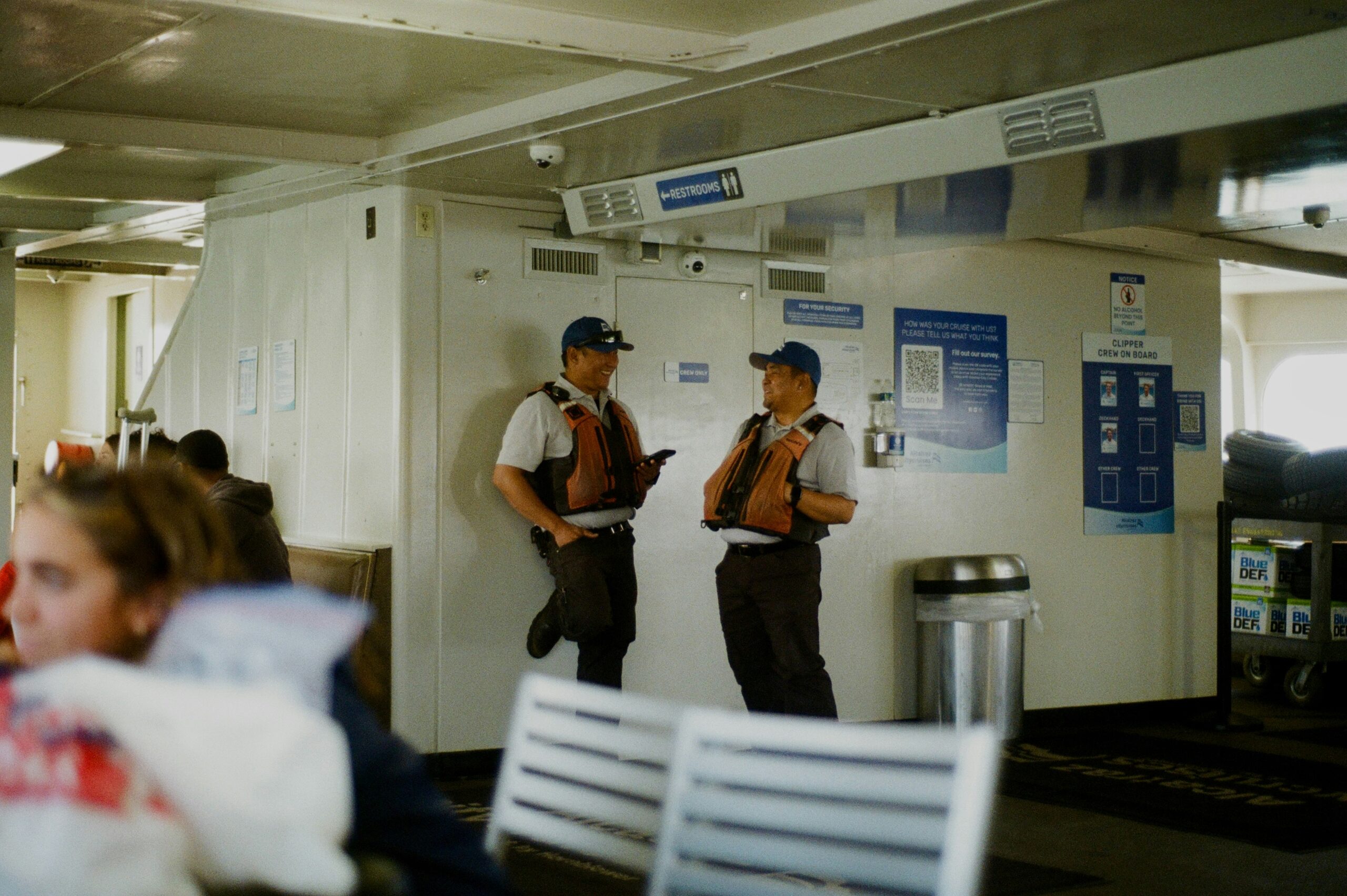
The rhythmic hum of the ship’s life is punctuated by the steady, measured tread of feet in the corridors. For those who call the naval vessel home, these passageways are more than just conduits between compartments; they are arteries of the ship, essential for the flow of personnel and equipment. Maintaining order and security within these confined spaces is a crucial, often unheralded, task undertaken by the Navy Blue Corridor Transit Patrols. These patrols are the silent sentinels of the ship’s internal environment, working diligently to ensure the safety, security, and operational efficiency of every sailor.
The primary objective of Navy Blue Corridor Transit Patrols is multifaceted, encompassing both the immediate safety of individual crew members and the broader security of the vessel. This mandate dictates a constant vigilance against a range of potential threats and hazards.
Preventing Unauthorized Access
One of the most fundamental security functions of the corridor patrols is to prevent unauthorized access to sensitive areas. Naval vessels are complex environments, housing classified information, vital equipment, and designated living and working spaces for thousands of personnel.
Monitoring Access Points
Patrols are tasked with monitoring access points to and from key areas. This includes observing restricted zones, ensuring that only authorized personnel pass through, and challenging anyone who appears out of place or without proper clearance. This is particularly vital during heightened alert periods or when unfamiliar personnel are aboard for exercises or joint operations.
Verifying Identification and Purpose
A core component of their role involves verifying the identity and purpose of individuals encountered in the corridors, especially in areas with limited access. This requires a keen observational ability and an understanding of shipboard routines and personnel. They act as the first line of defense against potential infiltration or internal threats.
Enhancing General Safety
Beyond security, the patrols are instrumental in fostering a safer internal environment for all crew members. This involves identifying and mitigating potential hazards that could lead to accidents or injuries.
Hazard Identification and Reporting
Corridors, by their nature, can accumulate debris, become slippery due to spills, or present tripping hazards from improperly stowed gear. Patrols are trained to identify these issues and take immediate action to rectify them, or report them to the appropriate departments for swift resolution. This proactive approach minimizes the risk of slips, trips, and falls, which can have significant operational and medical consequences at sea.
Ensuring Clear and Unobstructed Pathways
Maintaining clear and unobstructed pathways is crucial for efficient movement and in the event of an emergency. Patrols ensure that personal belongings, equipment, and other materials are not left in a manner that impedes traffic flow or obstructs emergency escape routes. This is particularly important for fire safety and evacuation procedures.
The navy blue corridor transit patrols have been a topic of significant interest in recent discussions about urban safety and transportation efficiency. For a deeper understanding of the implications and strategies surrounding these patrols, you can refer to a related article that explores various aspects of transit safety and community engagement. To read more, visit this article.
Operational Vigilance: The First Line of Defense
The presence of corridor patrols serves as a visible and active deterrent against a spectrum of potential operational disruptions and security breaches. Their constant movement and observation are integral to the ship’s overall operational readiness.
Maintaining Order and Discipline
A well-ordered ship is an efficient ship. Corridor patrols play a significant role in upholding the standards of order and discipline essential for naval operations.
Enforcing Shipboard Regulations
Naval vessels operate under a strict set of regulations designed to ensure safety, security, and operational effectiveness. Patrols are responsible for ensuring that these regulations are adhered to by all personnel, particularly concerning conduct and movement within the ship’s confines. This might include enforcing regulations on noise levels, smoking areas, or the proper stowing of personal gear.
Addressing Minor Infractions
The swift and consistent addressing of minor infractions by patrols can prevent them from escalating into more serious issues. This might involve addressing minor uniform violations, loitering in unauthorized areas, or behavior that disrupts the orderly functioning of the ship.
Deterring Malicious Activity
The mere presence of observant personnel within the ship’s internal network of corridors acts as a powerful deterrent against individuals contemplating any form of malicious activity.
Surveillance and Observation
Corridor patrols are essentially engaged in a form of continuous, low-level surveillance. Their movements are predictable, but their observation is constant. This watchful presence discourages opportunistic theft, vandalism, or any other behavior that could compromise the ship’s integrity or the well-being of its crew.
Early Detection of Suspicious Behavior
A key aspect of their role is the ability to recognize and respond to deviations from normal behavior. This could include individuals exhibiting signs of distress, intoxication, or acting in a manner that suggests illicit intent. Early detection allows for timely intervention, potentially preventing more significant problems.
Personnel Support and Welfare

While security and operational efficiency are paramount, corridor patrols also contribute significantly to the personal welfare of the crew. These interactions, though often brief, can have a substantial positive impact.
Facilitating Crew Well-being
The corridors are where sailors often have brief moments of respite or transition. Patrols, through their presence and demeanor, can contribute to a more positive and supportive shipboard atmosphere.
Providing Assistance and Information
Crew members may encounter situations where they require assistance or information. Patrols, being familiar with the ship’s layout and procedures, are often the first point of contact for such needs. This could range from directing a lost crew member to their destination to providing basic information about shipboard services.
Acting as a Visible Support System
For junior sailors or those new to the ship, the visible presence of patrols can offer a sense of reassurance and support. Knowing that there are individuals actively ensuring their safety and order can contribute to a feeling of security and belonging in the often-demanding environment of a naval vessel.
Monitoring for Signs of Distress
Beyond overt security threats, corridor patrols are also trained to recognize subtler signs that a crew member might be experiencing distress.
Identifying Individuals in Need
This can include recognizing individuals who appear unwell, distressed, or potentially suicidal. A quick observation and a brief, empathetic inquiry can open the door for that individual to receive the help they need. These interventions, though infrequent, can be life-saving.
Directing to Appropriate Resources
Upon identifying someone in need of assistance, patrols are trained to know how to discreetly and effectively direct that individual to the appropriate shipboard resources, such as the medical department, chaplains, or mental health professionals.
Training and Professional Development

The effectiveness of Navy Blue Corridor Transit Patrols hinges on rigorous training and a commitment to ongoing professional development. This ensures that they are equipped to handle the diverse challenges they face.
Initial Training Regimes
Before even stepping foot on a ship in a patrol capacity, individuals undergo extensive training.
Security Fundamentals
This foundational training covers the principles of naval security, including threat assessment, access control procedures, and the importance of situational awareness. They learn about potential vulnerabilities and how to mitigate them.
Rules of Engagement and Force Protection
Crucially, they are trained in the appropriate use of force, understanding the rules of engagement and the principles of force protection. This ensures that their actions are always lawful, proportionate, and aligned with naval doctrine.
Shipboard Environment and Procedures
Understanding the specific operational environment of a naval vessel is paramount. Training includes familiarization with shipboard layouts, communication systems, emergency procedures, and the roles of different departments.
Continuous Improvement and Specialization
The threats and challenges faced by naval forces are constantly evolving, necessitating ongoing training and specialization.
Refresher Courses and Skill Development
Regular refresher courses ensure that patrols remain up-to-date on the latest security protocols, tactical procedures, and the use of new equipment. This might include cybersecurity awareness training, as internal threats can increasingly originate from digital vectors.
Specialized Training Modules
Depending on the specific mission or type of vessel, patrols may receive specialized training. This could include training in counter-terrorism measures, hazardous materials identification, or advanced de-escalation techniques for volatile situations.
Teamwork and Communication Drills
Effective corridor patrols often operate in teams. Training emphasizes teamwork, clear communication, and coordinated responses to evolving situations, ensuring seamless operations even under pressure.
The recent implementation of navy blue corridor transit patrols has sparked discussions about enhancing security measures in urban areas. A related article explores the effectiveness of these patrols in reducing crime rates and improving public safety. For more insights on this topic, you can read the full analysis in the article available at XFile Findings, which delves into various strategies employed by law enforcement agencies.
Technology Integration and Future Outlook
| Patrol Area | Number of Patrols | Distance Covered (miles) | Incidents Reported |
|---|---|---|---|
| Navy Blue Corridor | 30 | 500 | 5 |
The role of corridor patrols is not static; it is continually being shaped by technological advancements and the evolving threat landscape.
Leveraging Technology for Enhanced Security
Modern naval vessels are equipped with a range of technologies that can augment the capabilities of corridor patrols.
Surveillance Systems and Monitoring
While not a replacement for human observation, closed-circuit television (CCTV) systems in key areas provide an additional layer of surveillance. Patrols may monitor these feeds or review footage to support their observations and investigations.
Communication Devices and Data Access
Modern communication devices allow for real-time reporting and immediate access to relevant shipboard information. This enables patrols to quickly verify identities, access compartment logs, or report incidents with greater speed and accuracy.
Biometric and Access Control Technologies
As technology advances, biometric scanners and advanced access control systems are becoming more prevalent, enhancing the ability to control and monitor access to restricted areas, complementing the human element of patrol.
Adapting to Emerging Threats
The nature of security threats is dynamic, requiring continuous adaptation by patrol units.
Cybersecurity Awareness and Internal Threats
With the increasing reliance on digital systems, internal cybersecurity threats are a growing concern. Patrols are increasingly trained to recognize the signs of potential cyber intrusions or unauthorized data access within the ship’s internal network.
Non-Lethal Response Capabilities
The emphasis in modern naval operations is on de-escalation and minimizing unnecessary force. Patrols are trained in the use of non-lethal means of restraint and de-escalation techniques as a primary response option.
Integrated Security Frameworks
The future likely holds even greater integration between human patrols and automated security systems. This will create a more robust and responsive security framework, where technology supports and enhances the crucial human element of vigilance within the ship’s corridors. The Navy Blue Corridor Transit Patrols, therefore, represent a vital and evolving function, fundamental to the safe and secure operation of naval vessels.
FAQs
What are navy blue corridor transit patrols?
Navy blue corridor transit patrols are maritime operations conducted by naval forces to ensure the safe and secure transit of vessels through designated sea corridors, often in areas of strategic importance or high maritime traffic.
What is the purpose of navy blue corridor transit patrols?
The primary purpose of navy blue corridor transit patrols is to deter and respond to potential threats such as piracy, terrorism, and illegal activities at sea, while also providing assistance and protection to commercial shipping and other vessels transiting through the designated corridors.
Which naval forces are typically involved in navy blue corridor transit patrols?
Naval forces from various countries, including the United States, United Kingdom, France, and other maritime nations, often participate in navy blue corridor transit patrols to contribute to the security and stability of international waters and ensure the freedom of navigation.
How are navy blue corridor transit patrols conducted?
Navy blue corridor transit patrols are typically conducted through coordinated efforts between naval vessels, aircraft, and maritime surveillance assets, which may involve regular patrols, escort missions, and cooperative engagements with commercial shipping and other maritime stakeholders.
What are some examples of navy blue corridor transit patrols in action?
Examples of navy blue corridor transit patrols include operations in the Gulf of Aden, the Strait of Hormuz, and the Malacca Strait, where naval forces have been deployed to safeguard vital sea lanes and protect maritime trade routes from potential threats and disruptions.