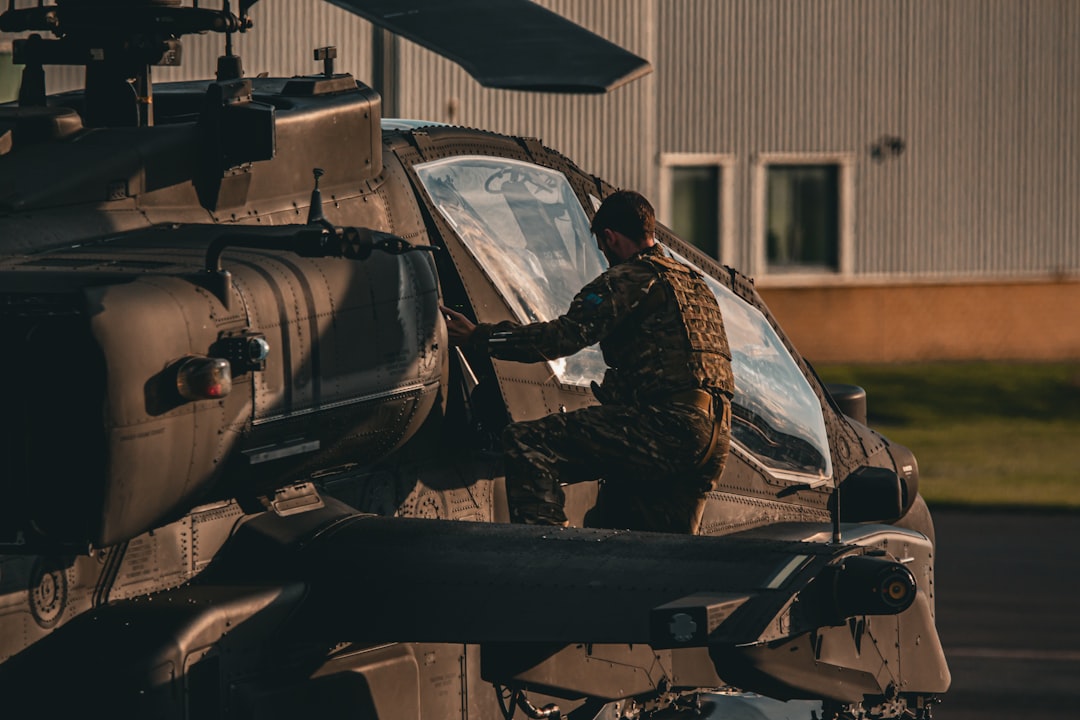
Declassified Army Radar Files Leak: Revealing Secrets
A significant volume of classified United States Army radar files has recently surfaced, having been declassified and subsequently leaked into the public domain. The exact origin of the leak remains under investigation by various federal agencies, but the content itself offers an unprecedented look into the development, capabilities, and operational use of Army radar systems across several decades. These documents, ranging from technical specifications and testing reports to classified operational logs and intelligence assessments, paint a complex picture of the nation’s evolving aerial surveillance and target acquisition strategies.
The implications of this data breach are far-reaching, impacting national security assessments, technological development, and historical understanding of military advancements. While some of the information contained within the files is historical in nature and may no longer reflect current operational capabilities, other sections point to persistent technological avenues and tactical considerations that could still hold relevance. The process of sifting through this extensive archive is ongoing, with researchers, analysts, and cybersecurity experts working to verify the authenticity and interpret the full scope of the revealed information.
Early Radar Development and the Cold War Era
The initial wave of declassified documents appears to focus on the formative years of Army radar technology, particularly during the intense technological race of the Cold War. These files detail the pioneering efforts to develop ground-based radar systems capable of detecting aircraft, missiles, and, in later stages, even terrestrial movements.
The Genesis of Ground-Based Radar Systems
- Initial Procurement and Design Challenges: Documents from the late 1940s and early 1950s illustrate the nascent stages of Army radar acquisition. They highlight the significant technical hurdles faced in developing systems that were both effective and deployable in a forward operating environment. Notes on early prototypes, such as the SCR-584 and its successors, reveal the iterative process of design, testing, and refinement. These reports often detail issues with component reliability, power consumption, and the susceptibility of early radar signals to jamming or countermeasures.
- From Air Defense to Ground Surveillance: While the primary initial impetus for radar development was air defense against bomber threats, the leaked files show a growing recognition of its potential for ground surveillance. Early experiments and testing logs demonstrate attempts to adapt radar technology for detecting enemy troop movements, armored vehicles, and other ground targets. This pivot in strategic thinking foreshadows the development of specialized ground surveillance radars (GSRs) that would become a staple of Army forces in later conflicts.
- Soviet Threat Perception and Countermeasures: A recurring theme in the Cold War-era files is the perceived threat from Soviet aviation and missile technology. Extensive reports detail the intelligence gathering efforts to understand Soviet radar capabilities and the subsequent development of American countermeasures. These documents include analyses of Soviet radar frequencies, transmission patterns, and proposed methods for electronic warfare (EW) to disrupt enemy detection.
The AN/TPS Series and its Evolution
- The AN/TPS-1 as a Foundation: The AN/TPS-1 radar system, a workhorse of its era, features prominently in the declassified files. Technical manuals, performance evaluations, and deployment records provide detailed insights into its operational parameters, such as range, resolution, and accuracy. These documents also reveal the numerous modifications and upgrades undertaken to enhance its capabilities against evolving threats.
- Adapting to Missile Threats: As intercontinental ballistic missiles (ICBMs) emerged as a significant threat, the Army began exploring radar solutions for early warning and tracking. The files contain studies and preliminary designs for radar systems intended to detect and monitor ballistic missile trajectories, a considerably more complex challenge than tracking aircraft. This era marks a critical step in the evolution of radar from primarily a tactical tool to a strategic asset for early warning.
- Challenges in Mobile Deployment: The inherent mobility of Army forces presented unique challenges for radar deployment. The declassified documents discuss the engineering efforts to create radar systems that could be transported, set up, and operated effectively in diverse terrains and under operational pressure. This includes considerations for power generation, environmental hardening, and simplified operator interfaces.
The recent leak of declassified army radar files has sparked significant interest and debate regarding the implications of military transparency and the potential existence of unidentified aerial phenomena. For those looking to delve deeper into this topic, a related article titled “Unveiling the Truth: The Impact of Declassified Military Files on UFO Research” provides an insightful analysis of how such disclosures can reshape public perception and scientific inquiry. You can read the article here: Unveiling the Truth: The Impact of Declassified Military Files on UFO Research.
The Vietnam War and Beyond: Tactical Applications Emerge
The declassified files from the Vietnam War period highlight the practical application and adaptation of radar technology in a counterinsurgency and conventional warfare environment. The emphasis shifts towards localized surveillance, target identification, and supporting ground operations.
Battlefield Surveillance and Target Acquisition
- The Rise of Ground Surveillance Radars (GSRs): Evidence suggests a significant expansion in the development and deployment of GSRs during the Vietnam War. Files detail the performance of systems like the AN/TPS-25 and its variants, often in harsh jungle environments. These reports include field assessments of their effectiveness in detecting enemy personnel, vehicles, and even riverine traffic. The challenges of distinguishing real targets from clutter, such as foliage and terrain, are frequently noted.
- Artillery Locating Radars (Counternap): The introduction and refinement of counter-battery radar systems, such as the AN/TPQ-37, are extensively documented. These files reveal the strategic importance of rapidly identifying enemy artillery positions to enable retaliatory strikes. Performance metrics, deployment strategies, and limitations in adverse weather conditions or heavily forested areas are meticulously recorded.
- Helicopter-Mounted Radars for Reconnaissance: The extensive use of helicopters in Vietnam led to the development and testing of radar systems integrated onto rotary-wing platforms. These files touch upon the challenges of maintaining stability for accurate radar operation from a moving platform and the applications for reconnaissance and target spotting in dense jungle terrain.
Electronic Warfare and Counter-Countermeasures
- Enemy Jamming Efforts and Responses: The declassified documents offer glimpses into the effectiveness of enemy electronic warfare tactics used against U.S. radar systems during the Vietnam War. Reports detail instances of jamming, spoofing, and interference, along with the documented attempts by U.S. forces to adapt their radar emissions and employ counter-countermeasure techniques.
- Development of ECM-Resistant Radars: The experience gained in Vietnam spurred advancements in developing radar systems with improved resistance to electronic jamming. The files indicate research into frequency agility, complex waveform generation, and signal processing techniques designed to mitigate the impact of enemy EW.
The Post-Cold War Era: Technological Sophistication and Network-Centric Operations
Following the conclusion of the Cold War, the leaked documents indicate a shift in focus towards increasing the precision, data integration, and interoperability of Army radar systems. The advent of digital technologies and network-centric warfare concepts began to shape radar development.
Digital Advancements and Signal Processing
- The Transition to Digital Radar: The files illustrate the gradual but significant transition from analog to digital radar systems. This period saw the introduction of digital signal processors (DSPs) that offered enhanced capabilities in target detection, tracking, and clutter rejection. Reports detail the advantages of digital processing in terms of flexibility, automation, and data analysis.
- Synthetic Aperture Radar (SAR) and High-Resolution Imaging: The declassified information includes studies and preliminary reports on the development of Synthetic Aperture Radar (SAR) for ground surveillance. SAR technology promised significantly higher resolution and the ability to generate detailed imagery of the terrain, even through adverse weather. The files touch upon the computational demands of SAR and the early challenges in processing and displaying the generated data.
- Miniaturization and Improved Portability: The demand for more portable and deployable radar systems led to efforts in miniaturization and power efficiency. Files from this era detail the engineering challenges in reducing the size and weight of radar components without compromising performance, enabling their integration onto smaller platforms or deployment by dismounted units.
Networked Surveillance and Data Fusion
- Integration with Command and Control Systems: The documents increasingly highlight efforts to integrate radar systems with wider command and control (C2) networks. The goal was to enable seamless sharing of radar data with other intelligence, surveillance, and reconnaissance (ISR) assets, as well as with ground commanders. This marked a crucial step towards the concept of a networked battlefield.
- Early Data Fusion Experiments: While full-fledged data fusion was a subsequent development, the declassified files reveal early experiments in combining radar data with information from other sensors, such as electro-optical and infrared (EO/IR) systems. The aim was to create a more comprehensive and accurate operational picture.
- The Role of Radar in Information Warfare: As the digital age progressed, the files hint at the evolving role of radar data in the broader context of information warfare. The ability to collect and disseminate precise targeting information, or conversely, to deny such information to adversaries, became a strategic consideration.
Modern Radar Systems: Advanced Capabilities and Future Directions
The most recent declassified files, though still classified until recently, offer insights into the sophisticated radar systems being developed and employed in the 21st century. These documents reveal advancements in areas such as phased array technology, multi-functionality, and the integration of artificial intelligence.
Phased Array and Multi-Function Capabilities
- Electronically Scanned Arrays (ESAs): The files detail the significant push towards Electronically Scanned Arrays (ESAs), including Active Electronically Scanned Arrays (AESAs). These advanced antenna technologies allow for rapid beam steering without physical movement, enabling faster scanning rates and the simultaneous tracking of multiple targets. The performance advantages and development challenges of ESAs are extensively documented.
- Multi-Mission Radars: The trend towards multi-mission radars, capable of performing a variety of tasks from air surveillance to ground mapping and electronic warfare, is evident. The declassified documents discuss the architectural and software challenges involved in designing radars that can seamlessly switch between different operational modes.
- Counter-Stealth Technology Research: While details are often heavily redacted, some documents suggest ongoing research and development into radar technologies capable of detecting low-observable (stealth) aircraft and missiles. This includes investigations into novel waveform designs and signal processing techniques.
Data Analytics and the Influence of AI
- Machine Learning for Target Recognition: The leaked files indicate early explorations and implementations of machine learning algorithms to enhance target recognition and classification capabilities. The aim is to automate the process of identifying specific types of vehicles or even individual targets based on radar signatures.
- Predictive Maintenance and Performance Optimization: Advanced diagnostic tools and data analytics are being applied to radar systems for predictive maintenance, aiming to reduce downtime and optimize operational readiness. The files suggest the use of sensor data to anticipate component failures.
- Challenges of Autonomous Operation: The integration of autonomous or semi-autonomous capabilities into radar systems is a recurring theme. The documents touch upon the complexities of artificial intelligence in decision-making for target prioritization and threat assessment, alongside the necessary human oversight.
The recent leak of declassified army radar files has sparked significant interest in the ongoing discussion about military transparency and the implications for national security. This incident has drawn parallels to a related article that explores the broader context of such leaks and their impact on public perception of government operations. For more insights on this topic, you can read the article at XFile Findings, which delves into the historical significance of similar disclosures and their effects on policy and public trust.
Security Implications and Future Outlook
The leak of these declassified Army radar files presents a complex security landscape. While the information has been formally declassified, its forceful and unauthorized release raises questions about the integrity of classified information handling and the potential for adversaries to gain insights into historical U.S. military capabilities and technological trajectories.
Information Security and Data Handling
- Vulnerabilities in Declassification Processes: The leak may expose vulnerabilities in the processes and protocols used for declassifying sensitive information. It raises concerns about whether adequate safeguards are in place to prevent unauthorized access or premature dissemination of data that, while no longer actively classified, could still reveal sensitive historical operational doctrines or technological evolutions.
- Adversarial Intent and Exploitation: While the documents are now public, the method of their acquisition and dissemination could indicate adversarial interest in understanding U.S. military technology. Even historical data can provide valuable context for adversaries in developing countermeasures or understanding the evolution of defensive capabilities.
- The Ethics of Public Access: The declassification process itself is designed to balance national security with public interest in transparency. However, unauthorized leaks complicate this balance, forcing a review of how such information is managed and when it is appropriate for public consumption, even after formal declassification.
International Reactions and Technological Disclosures
- Global Interpretations of U.S. Capabilities: The contents of the leaked files will undoubtedly be scrutinized by military analysts and governments worldwide. The disclosures, even historical ones, can offer insights into the long-term strategic thinking and technological investments of the United States, potentially influencing the military postures of other nations.
- Impact on Future Arms Development: Understanding the historical development of radar technology can inform future arms development strategies. For nations seeking to counter perceived threats, studying the evolution of U.S. radar capabilities might reveal pathways for developing more effective defensive or offensive systems.
- The Ongoing Nature of Technological Advancement: It is crucial to remember that the leaked documents represent a historical snapshot. The U.S. Army, like any military force, continuously evolves its technological capabilities. The information revealed, while significant, should not be interpreted as a reflection of current, cutting-edge operational systems without careful consideration of the timeline of the documented advancements. The ongoing nature of technological development means that the focus of relevant military research and development has likely moved beyond the scope of many of these historical disclosures.
FAQs
What are the declassified army radar files?
The declassified army radar files refer to previously classified documents and data related to radar technology and operations used by the military. These files may contain information about radar systems, capabilities, and historical radar data.
What information was leaked in the declassified army radar files?
The leaked declassified army radar files may contain sensitive information about radar technology, military operations, and potentially classified data related to national security. The specific details of the leaked information would depend on the content of the files.
How did the declassified army radar files become public?
The declassified army radar files may have become public through unauthorized access, intentional leaks, or accidental disclosures. The exact circumstances surrounding the release of the files would depend on the specific situation and the individuals involved.
What are the potential implications of the declassified army radar files leak?
The potential implications of the declassified army radar files leak could include compromising national security, revealing sensitive military capabilities to adversaries, and undermining the effectiveness of radar technology in military operations. The leak could also lead to investigations and legal consequences for those responsible.
What actions are being taken in response to the declassified army radar files leak?
In response to the declassified army radar files leak, the military and government agencies may conduct investigations to determine the extent of the breach, assess the potential damage, and take steps to mitigate any negative consequences. Legal actions may also be pursued against individuals responsible for the unauthorized release of the files.