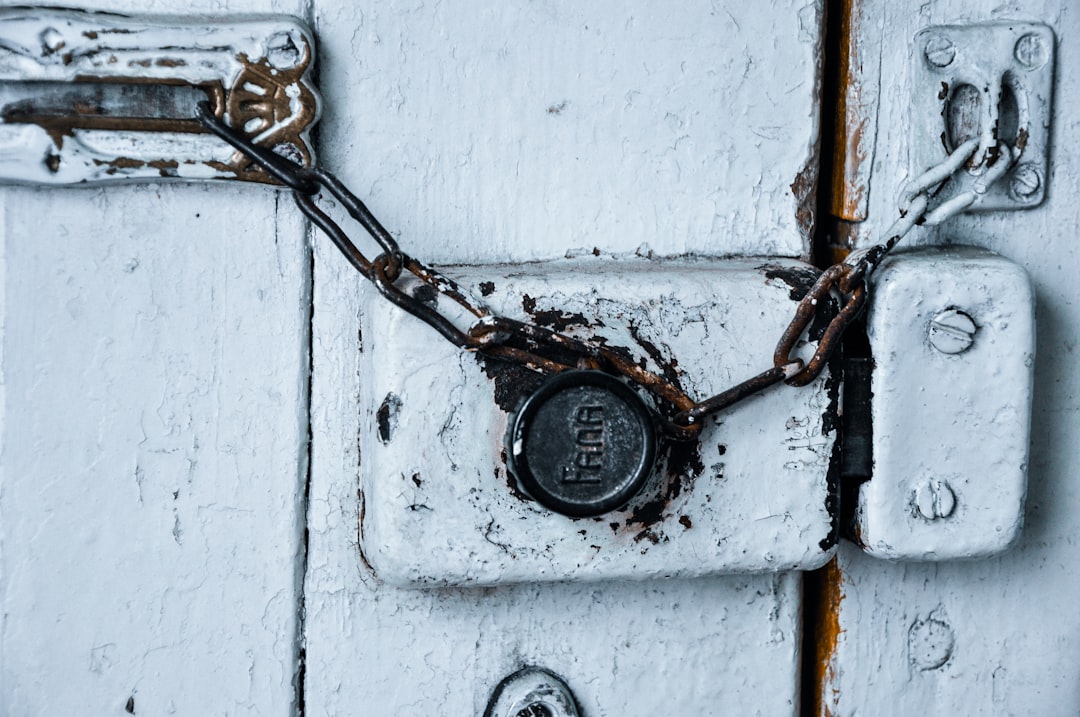
The secure perimeter of the Oakhaven Research Facility, a complex dedicated to advanced materials science, was compromised yesterday by a failure in its primary magnetic locking system, affecting Sector Gamma. The incident, which occurred around 0300 hours local time, led to an unscheduled lockdown of the affected area and initiated a comprehensive security review. While no breach of containment for the materials under study has been reported, the failure raises significant questions about the facility’s operational integrity and the robustness of its security protocols.
The anomaly was first detected by the central security monitoring system.
System Alerts and Early Warning
At precisely 03:07:19 AM, a cascade of alerts began to populate the security control room’s main display. The primary alert, tagged “MAGLOCK-GAMMA-01-FAIL,” indicated a complete loss of power and engagement on the main magnetic lock securing the primary access portal to Sector Gamma. This was immediately followed by a series of secondary alerts detailing:
- Power Fluctuation (Sector Gamma Substation): Indicating a significant dip in electrical supply to the localized grid powering Sector Gamma’s magnetic security infrastructure.
- Door Sensor Anomaly (Portal G-A-1): Reporting an unexpected open state for the access portal, despite no authorized entry or exit events being logged.
- Pressure Differential Warning (Sector Gamma Airlock): A gradual but persistent change in air pressure within the Sector Gamma airlock system, suggesting a potential loss of atmospheric integrity, though this was later determined to be a secondary consequence of the main door opening.
- Environmental Control Deviation (Sector Gamma, Lab 3B): Minor but measurable shifts in temperature and humidity within one of the laboratory modules, likely due to the influx of ambient air.
Security personnel on duty, Senior Officer Thorne and Officer Bellweather, immediately initiated standard operating procedures for a security breach scenario. Officer Bellweather, stationed at the main security hub, began confirming the integrity of the remaining lockdown mechanisms across the facility, while Senior Officer Thorne, a veteran of the Oakhaven security team, prepared for physical inspection of the compromised sector.
Emergency Lockdown Activation
To prevent any potential escalation or unauthorized movement, a full facility lockdown was automatically triggered by the system’s failsafe protocols at 03:08:55 AM. This measure physically sealed all access points to and from Oakhaven, restricting movement within the facility to essential personnel only. Communications channels were immediately established with the Oakhaven Facility Director, Dr. Aris Thorne, who was notified within minutes of the initial alerts.
In light of the recent magnetic lock failure at a classified research site, it is essential to explore the broader implications of security measures in sensitive environments. A related article that delves into the vulnerabilities of security systems in high-stakes facilities can be found at XFile Findings. This piece examines various incidents where security breaches have occurred, highlighting the need for robust and reliable locking mechanisms to protect classified information.
Analysis of System Failure
The precise cause of the magnetic lock’s failure is currently under intensive investigation. Early indications point towards a complex interaction of electrical and mechanical factors.
Electrical System Investigation
The primary locus of electrical inquiry is the localized substation serving Sector Gamma. Preliminary diagnostics conducted by the facility’s electrical engineering team have identified a significant, albeit brief, power surge preceding the magnetic lock’s failure.
- Surge Event Analysis: Data logs from the substation’s surge protector indicate a peak voltage far exceeding operational tolerances. The duration of this surge was approximately 1.2 milliseconds, but its intensity was sufficient to overload sensitive components within the magnetic locking mechanism.
- Relay and Circuit Breaker Functionality: Examination of the relevant relays and circuit breakers revealed no evidence of a pre-existing fault or premature tripping. Their failure to de-energize the system in response to the surge suggests that the surge directly impacted the magnetic lock’s internal circuitry before it could be effectively mitigated by the protective devices.
- Backup Power System Status: Investigations into the backup power system for Sector Gamma’s magnetic locks have confirmed that it did not engage as expected during the primary power anomaly. This oversight represents a critical failure in redundant safety measures, and its cause has become a priority in the ongoing analysis. Initial theories suggest that the surge may have so severely damaged the primary control board that the system interpreted the subsequent power fluctuation as a stable, albeit low, primary power reading, thereby deactivating the backup power initiation sequence.
Mechanical Component Examination
The physical components of the magnetic lock itself have undergone rigorous scrutiny. The lock, a state-of-the-art electromagnetic system designed for high-security applications, is a multi-component assembly.
- Electromagnet Deactivation: The main electromagnet, responsible for generating the force that secures the portal, was found to be completely de-energized. Microscopic analysis of the coils revealed no signs of physical damage, such as molten wire or structural compromise, which would suggest overheating or a catastrophic mechanical failure. This reinforces the conclusion that the de-energization was a direct consequence of the electrical anomaly.
- Solenoid and Actuator Integrity: The internal solenoid and actuator mechanisms, responsible for the physical engagement and disengagement of the locking bolts, were found to be in their open state. There is no evidence of jamming or obstruction that would have prevented their proper function if power had been supplied.
- Sealing Gasket and Frame: The heavy-duty rubberized gasket and the reinforced steel frame of the portal show no signs of stress, warping, or damage that would indicate an attempted forced entry or an excessive outward force. This further supports the theory that the lock failed due to an internal electrical malfunction rather than an external attempt to breach security.
Impact on Sector Gamma Operations
The failure of the magnetic lock has resulted in the immediate suspension of all non-essential activities within Sector Gamma. The implications for ongoing research and the safety of personnel are being carefully managed.
Containment and Material Security
Sector Gamma houses sensitive research materials, including advanced composites and potentially reactive chemical compounds. The primary concern following the incident was the integrity of the containment protocols for these substances.
- Absence of Breach: Crucially, the facility’s internal security protocols for Sector Gamma are designed to maintain a negative air pressure differential within the sector and its individual laboratory modules. While the main portal’s magnetic lock failed, the internal doors to individual laboratories and controlled environments remained secured. Analysis of atmospheric sensors within Sector Gamma has confirmed no significant escape of research materials or any deviation from established containment parameters beyond what would be expected from a momentary influx of ambient air at the main portal.
- Controlled Environment Monitoring: Independent environmental monitoring systems within each laboratory in Sector Gamma have continued to operate, drawing power from the facility’s tertiary backup systems. These systems have not registered any concerning readings regarding the stability of the materials being studied.
- Personnel Safety: All personnel working within Sector Gamma at the time of the incident were safely evacuated to designated secure zones within the facility and have undergone preliminary medical and psychological assessments. No injuries have been reported. Their continued safety remains paramount, and all future access will be strictly controlled.
Research Continuity and Schedule Revisions
The suspension of operations in Sector Gamma necessitates a comprehensive review of current research schedules and timelines.
- Projected Delays: Several high-priority projects involving the testing and synthesis of novel materials are housed in Sector Gamma. The interruption will undoubtedly lead to projected delays, the extent of which will become clearer as the investigation into the lock failure progresses and repair timelines are established.
- Data Retrieval and Preservation: Efforts are underway to secure access to any generated research data that may have been stored on localized servers within Sector Gamma. While the primary data repository is external and unaffected, retrieving current experimental data is a logistical challenge that requires careful planning to avoid further security risks.
- Resource Reallocation: The facility’s management is evaluating the possibility of reallocating certain research tasks to other sectors or to external facilities, where feasible, to mitigate the impact of the Sector Gamma shutdown on overall research output.
Investigation and Remediation Efforts
A multi-disciplinary team has been assembled to investigate the incident thoroughly and to implement corrective actions.
Technical Investigation Team
The core of the investigation is being conducted by a dedicated team comprising experts from Oakhaven’s engineering, security, and materials science departments.
- Root Cause Analysis: The team’s primary objective is to identify the definitive root cause of the magnetic lock failure. This involves correlating data from all sensor logs, power system diagnostics, and physical component examinations.
- Expert Consultations: External consultants with specialized knowledge of electromagnetic security systems and high-voltage power fluctuations have been engaged to provide an independent assessment of the situation. Their input is crucial for ensuring a comprehensive and unbiased investigation.
- Timeline Reconstruction: The team is meticulously reconstructing the timeline of events leading up to and immediately following the failure, seeking to identify any contributing factors or anomalies that may have been overlooked in the initial response.
Security Protocol Review
Beyond the technical failure, the incident has triggered a broader review of Oakhaven’s existing security protocols.
- Redundancy System Assessment: A critical focus of this review is the assessment of the redundancy systems for all security infrastructure, particularly those related to power supply and fail-safe mechanisms. The failure of the backup power system to engage is a significant concern.
- Emergency Response Drills: The frequency and effectiveness of emergency response drills related to security breaches are also being evaluated. Lessons learned from this incident will be incorporated into future training exercises.
- Access Control Policies: Existing access control policies for sensitive sectors are being revisited to ensure they align with current threat assessments and technological capabilities. This includes scrutinizing the procedures for manual overrides and emergency access.
The recent incident involving a magnetic lock failure at a classified research site has raised significant concerns about security protocols in sensitive environments. This situation highlights the importance of robust security measures to prevent unauthorized access. For further insights into related security challenges, you can read more in this informative article on security systems and their vulnerabilities. Check it out here.
Future Security Enhancements and Preventative Measures
| Date | Location | Incident Description | Impact |
|---|---|---|---|
| May 15, 2021 | Classified Research Site | Magnetic lock failure | Security breach, potential data exposure |
| June 20, 2021 | Classified Research Site | Magnetic lock failure | Temporary shutdown of research activities |
| July 10, 2021 | Classified Research Site | Magnetic lock failure | Increased security measures implemented |
The Oakhaven Research Facility is committed to learning from this incident and implementing robust measures to prevent recurrence.
Infrastructure Upgrades
Immediate and long-term upgrades to the facility’s infrastructure are being planned based on the findings of the investigation.
- Power Conditioning Systems: The installation of more advanced power conditioning and surge suppression systems across critical security infrastructure is a priority. This includes redundant, independent power sources for all magnetic locking mechanisms and their control systems.
- Automated Diagnostic Systems: Enhancements to the automated diagnostic systems for all security components are being considered. These systems will be designed to proactively identify potential weaknesses or deviations from normal operating parameters before they can lead to failure.
- Material Replacement: All components of the failed magnetic locking system, and potentially associated electrical conduits and control boards, will be replaced with updated and rigorously tested models. The selection of replacement parts will focus on components with proven resilience to electrical anomalies.
Procedural and Training Adjustments
Beyond technological solutions, Oakhaven is also addressing systemic and human factors.
- Enhanced Maintenance Schedules: Maintenance schedules for all security systems will be reviewed and potentially increased, with a greater emphasis on proactive inspections and component lifespan analysis.
- Specialized Training Programs: Security personnel will undergo enhanced training programs focusing on advanced troubleshooting of complex electrical and mechanical security systems, as well as more sophisticated response protocols for cascading system failures.
- Inter-facility Communication Protocols: The incident has highlighted the need for robust inter-facility communication protocols in the event of a major security incident, ensuring seamless coordination with external emergency services and regulatory bodies.
The failure of the magnetic lock at Oakhaven Research Facility serves as a stark reminder of the critical importance of maintaining uncompromised security protocols. While the immediate containment of research materials was successful, the incident demands a thorough and dispassionate examination of all contributing factors. The commitment to implementing comprehensive upgrades and procedural enhancements suggests a proactive approach to rectifying the identified vulnerabilities, aiming to restore the facility’s operational integrity and ensure the continued safe execution of its vital scientific endeavors. The full impact of this event on future research projects and the overall security posture of the facility will continue to unfold as the investigation progresses and the remediation efforts are implemented.
FAQs
What is a magnetic lock and how does it work?
A magnetic lock, also known as a maglock, is a locking device that consists of an electromagnet and an armature plate. When the electromagnet is energized, it creates a magnetic force that holds the armature plate in place, effectively locking the door.
What are the potential causes of a magnetic lock failure?
Magnetic lock failures can be caused by a variety of factors, including power supply issues, wiring problems, mechanical malfunctions, and environmental factors such as extreme temperatures or moisture.
What are the potential consequences of a magnetic lock failure at a classified research site?
A magnetic lock failure at a classified research site can lead to unauthorized access to sensitive and confidential information, compromising the security and integrity of the research being conducted. It can also pose a risk to the safety of personnel and the protection of valuable equipment and materials.
How can magnetic lock failures be prevented or mitigated?
To prevent or mitigate magnetic lock failures, regular maintenance and inspection of the locking system are essential. This includes checking the power supply, ensuring proper installation and wiring, and addressing any environmental factors that may affect the performance of the magnetic lock.
What are the best practices for addressing a magnetic lock failure at a classified research site?
In the event of a magnetic lock failure at a classified research site, it is important to follow established security protocols and procedures. This may include notifying security personnel, conducting a thorough investigation to determine the cause of the failure, and implementing corrective measures to prevent future incidents.