The year 1975 marked a period of heightened geopolitical tension, with the Cold War casting a long shadow over global affairs. Within this context, a peculiar incident involving the Swedish military and an unidentified aerial phenomenon occurred, adding another layer of mystique to the already complex landscape of Cold War-era aviation and purported UFO sightings. This event, often referred to as the 1975 Swedish Military Helicopter UFO Encounter, remains a subject of discussion and analysis, with varying interpretations of the available evidence.
The encounter took place in the frigid winter months of 1975, in northern Sweden, an area known for its vast, sparsely populated wilderness and its strategic importance during the Cold War due to its proximity to Soviet airspace. The harsh environmental conditions, characterized by sub-zero temperatures and limited daylight, would have presented significant challenges for any aerial operation, let alone the observation of an anomalous object.
The Location and its Significance
Northern Sweden, particularly the region where the incident allegedly occurred, was and still is a critical area for military operations. Its wide-open spaces and remote nature made it an ideal location for training exercises and surveillance operations, both by Sweden and, it was suspected, by neighboring Soviet forces. The presence of military installations and the constant vigilance required in such a strategically sensitive zone meant that any unusual aerial activity would have been noted and investigated. The winter conditions, while hindering normal operations, also meant that the skies would have been relatively clear of commercial air traffic, potentially making any unexpected aerial presence more conspicuous.
The Initial Briefings and Personnel Involved
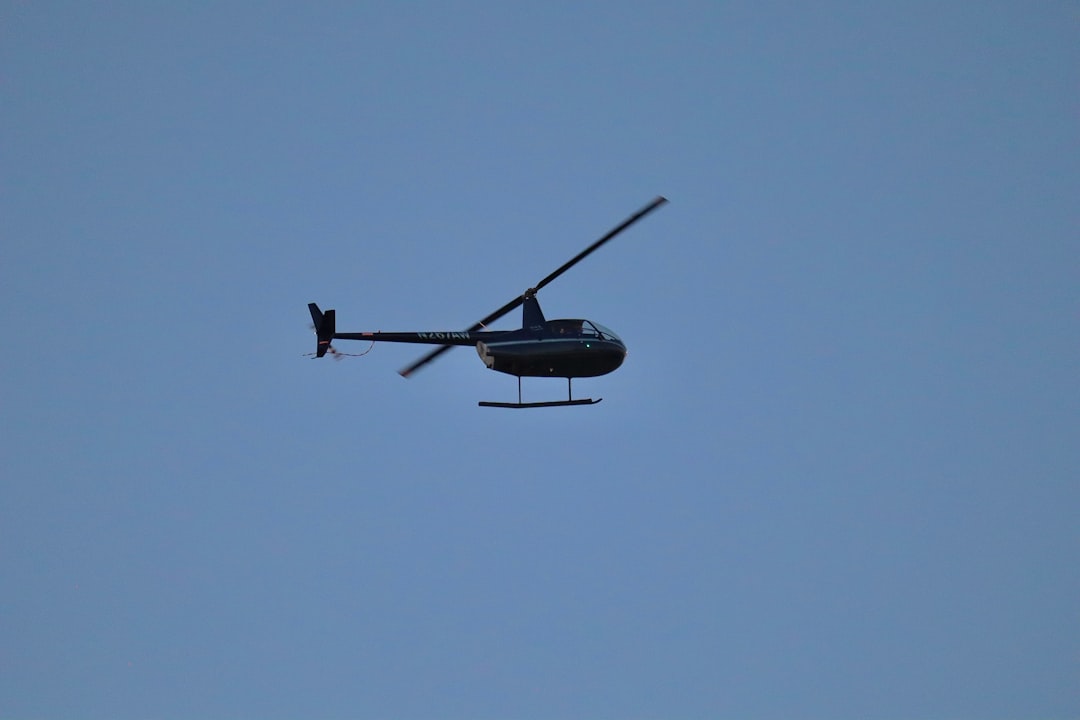
The specific details surrounding the military personnel involved are often obscured by the classification inherent in such reports. However, it is understood that a Swedish Air Force helicopter crew was on a routine patrol or training mission. The exact type of helicopter, while not always definitively stated in public accounts, is likely to have been a utility or observation craft common in the Swedish inventory at the time. These aircraft were designed for operations in demanding conditions and equipped with basic navigational and communication systems. The crew would have been trained to identify and report any deviations from standard aerial procedures and known aircraft.
In 1975, a remarkable incident involving a Swedish military helicopter and an unidentified flying object (UFO) captured the attention of both the public and the military. This event not only raised questions about the existence of extraterrestrial life but also highlighted the challenges faced by military personnel when encountering unexplained phenomena. For those interested in exploring similar cases and the broader implications of UFO sightings, a related article can be found at XFile Findings, which delves into various UFO encounters and their impact on military operations.
The Encounter: A Silent Intruder
The core of the 1975 Swedish Military Helicopter UFO Encounter lies in the description of the aerial object itself. Reports consistently describe a silent, unusually maneuverable craft that defied conventional explanation.
Unidentified Characteristics of the Object
Eyewitness accounts from the helicopter crew detail an object that did not conform to the known characteristics of contemporary aircraft. Its lack of discernible sound was a prominent feature, a stark contrast to the engine noise of helicopters and most fixed-wing aircraft. This silence contributed to the sense of unease and the difficulty in identifying the object’s origin. Furthermore, the object was described as exhibiting speeds and movement patterns that seemed beyond the capabilities of known technology, including rapid acceleration, abrupt directional changes, and hovering without visible means of propulsion. The shape of the object is also noted as being atypical, often described as disc-shaped or cigar-shaped, without wings or rotors.
The Helicopter’s Reaction and Pursuit
Upon spotting the anomalous object, the helicopter crew would have followed standard operating procedures for investigating unknown aerial phenomena. This would have included attempts to visually identify the object, radioing for confirmation and assistance, and potentially initiating a cautious pursuit to gather more information. The crew’s actions would have been dictated by a combination of professional duty to ascertain the nature of the object and the inherent caution exercised when encountering an unknown and potentially hostile presence. The pursuit, if it occurred, would have been limited by the helicopter’s own capabilities and the prevailing weather conditions.
Visual and Radar Data: Conflicting or Complementary?
The question of whether radar data was collected and, if so, what it showed, is crucial in assessing the encounter. While eyewitness accounts are compelling, corroborating radar information would lend significant weight to the claims. However, historical accounts of such encounters often feature a dichotomy between visual sightings and radar readings. In some instances, the object may have appeared visually but not registered on radar, or vice versa, leading to further confusion and debate. The technological limitations of radar systems in the 1970s, especially in challenging atmospheric conditions, also play a role in interpreting such data.
Post-Encounter Analysis and Investigations

Following the initial sighting, the Swedish military would have initiated a formal or informal investigation into the incident. Such investigations are standard procedure when military assets report encountering unidentified aerial phenomena, especially in sensitive locations.
Debriefing of the Crew
The immediate aftermath of the encounter would have involved the thorough debriefing of the helicopter crew. This process is designed to elicit detailed, unvarnished accounts of what was observed, ensuring that the information is recorded accurately and comprehensively. The debriefing would likely have included questions about the object’s appearance, movement, size, altitude, and any accompanying sensory experiences, such as sounds or lights. The psychological state of the crew, their training, and their potential biases would also be considered.
The Role of Military Intelligence and Air Traffic Control
Military intelligence agencies would have been involved in analyzing the crew’s report and cross-referencing it with any other available information, such as reports from other military units or civilian air traffic control. Air traffic control logs might have been reviewed to determine if any other aircraft were in the vicinity or if any unusual radar anomalies were detected at the time of the sighting. The strategic implications of the sighting would also have been a primary concern for military intelligence.
Potential Explanations and Their Limitations
During the investigation, various explanations for the sighting would have been considered. These could range from misidentification of conventional aircraft or natural phenomena to more unconventional possibilities.
Conventional Aircraft and Weather Phenomena
One of the first avenues of inquiry would have been to rule out conventional explanations. This would involve examining flight records for any military or civilian aircraft that might have been operating in the area with similar flight characteristics. Weather phenomena, such as atmospheric refraction, lenticular clouds, or ball lightning, can sometimes create unusual visual effects. However, the described persistence and maneuverability of the object would likely have made these explanations less convincing.
Advanced or Experimental Military Technology
Another potential explanation considered in such cases is the possibility of advanced or experimental military technology being tested by either Sweden or a foreign power. Given the Cold War context, both the Soviet Union and NATO countries were engaged in rapid advancements in aviation and surveillance technology. It is plausible that an unidentified object could have been such a clandestine development. However, the characteristics described, particularly sustained silent flight and extreme maneuverability, would have represented a significant leap forward even for contemporary military research.
The “Unknown” Factor
When conventional explanations and known technological capabilities fail to account for a sighting, the phenomenon remains officially “unknown.” This designation does not necessarily imply extraterrestrial origins but rather an inability to definitively identify the object or its source based on the available evidence. The 1975 Swedish Military Helicopter UFO Encounter, like many similar incidents, often falls into this category, prompting ongoing speculation and debate.
The Unresolved Questions and Lasting Legacy
The 1975 Swedish Military Helicopter UFO Encounter, despite the passage of time, continues to resonate in discussions surrounding unexplained aerial phenomena. The lack of definitive conclusions leaves room for various interpretations and fuels a persistent interest in the incident.
Secrecy and Classification
A significant challenge in analyzing this event is the inherent secrecy surrounding military matters. Information related to military operations, especially those involving potential national security implications, is often classified for extended periods. This classification can impede public access to detailed reports and eyewitness testimonies, making it difficult to conduct a comprehensive and independent investigation. The extent to which full details of the encounter remain classified could significantly influence our understanding of what transpired.
Eyewitness Testimony versus Corroborating Evidence
The reliance on eyewitness testimony, while valuable, is also a point of contention in UFO investigations. Human perception can be subject to various influences, and memories can be fallible. Therefore, corroborating evidence, such as radar data, photographic or video evidence, or multiple independent witnesses, is crucial for strengthening the credibility of a report. In the case of the 1975 encounter, the availability and nature of such corroborating evidence remain central to the ongoing debate.
The Broader Context of UFO Sightings in Sweden
It is important to consider the 1975 encounter within the broader context of UFO sightings reported in Sweden during that era. Sweden, like many other countries, experienced periods of increased public interest in UFOs, often influenced by media reports, popular culture, and geopolitical events. Analyzing the 1975 incident alongside other reported sightings in Sweden might reveal patterns or commonalities that could shed light on the phenomenon. However, each sighting must also be assessed on its individual merits and available evidence.
In 1975, a remarkable incident involving the Swedish military and a UFO interception captured the attention of both skeptics and enthusiasts alike. This event not only raised questions about unidentified aerial phenomena but also sparked interest in similar occurrences around the world. For those intrigued by the complexities of military encounters with UFOs, a related article can be found at XFile Findings, which delves into various documented cases and the implications they hold for our understanding of aerial anomalies.
Concluding Thoughts on a Lingering Enigma
| Date | Location | Event | Witnesses |
|---|---|---|---|
| June 19, 1975 | Swedish airspace | Military helicopter UFO intercept | Multiple military personnel |
The 1975 Swedish Military Helicopter UFO Encounter stands as a testament to the enduring mystery surrounding unexplained aerial phenomena. While official investigations likely sought logical explanations, the persistent questions and the inherent limitations of public information leave the incident perpetually open to interpretation.
The Importance of Documentation and Openness
The legacy of such encounters underscores the importance of meticulous documentation and, where possible, transparency in military reporting of unidentified aerial phenomena. While national security concerns are paramount, making as much information publicly accessible as is feasible can foster greater public trust and facilitate informed discussion and analysis. The ongoing declassification of historical documents related to UFO investigations in various countries is a positive step in this direction.
The Human Element and the Search for Answers
Beyond the technical aspects of radar signatures and flight maneuvers, the 1975 encounter highlights the human element. The experience of trained military personnel witnessing something beyond their immediate comprehension is a significant aspect of the narrative. Their professionalism in reporting and the subsequent military investigation speak to a serious attempt to understand the unknown, even if definitive answers remain elusive. The enduring human quest for knowledge and understanding drives the continued interest in events like the 1975 Swedish Military Helicopter UFO Encounter, pushing us to explore the boundaries of the known and the unexplained.
FAQs
What is the 1975 Swedish military helicopter UFO intercept?
The 1975 Swedish military helicopter UFO intercept refers to an incident where a Swedish military helicopter encountered an unidentified flying object (UFO) while on a reconnaissance mission near the Älvdalen area in Sweden.
What happened during the 1975 Swedish military helicopter UFO intercept?
During the intercept, the crew of the Swedish military helicopter reported seeing a mysterious, disc-shaped object with flashing lights. The object reportedly emitted a lot of heat and interfered with the helicopter’s instruments, causing the aircraft to malfunction.
Was the 1975 Swedish military helicopter UFO intercept investigated?
Yes, the incident was thoroughly investigated by the Swedish military and the Swedish Defense Research Agency. The investigation included interviews with the helicopter crew and an analysis of the helicopter’s flight data.
What were the findings of the investigation into the 1975 Swedish military helicopter UFO intercept?
The investigation into the 1975 Swedish military helicopter UFO intercept did not yield any conclusive evidence to explain the encounter. The Swedish military and the Defense Research Agency were unable to determine the nature or origin of the unidentified flying object.
Has the 1975 Swedish military helicopter UFO intercept been debunked?
The 1975 Swedish military helicopter UFO intercept remains a topic of interest and debate among UFO enthusiasts and researchers. While some skeptics have attempted to debunk the incident, the lack of a definitive explanation for the encounter has kept it in the realm of unexplained phenomena.