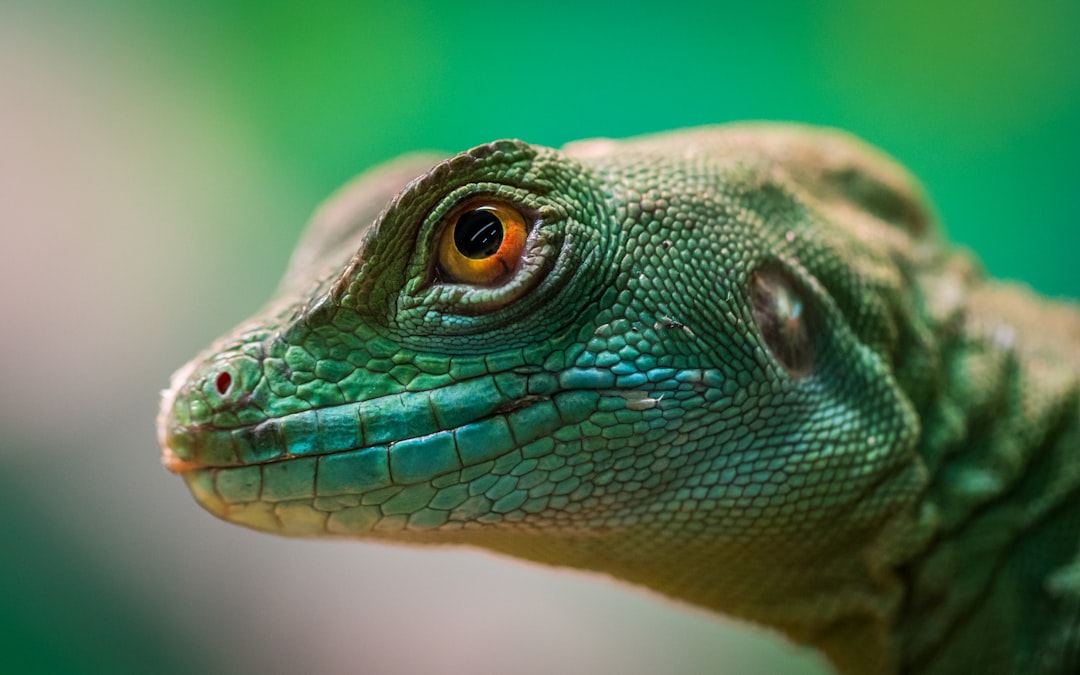
For millennia, prevailing scientific and societal narratives have largely relegated non-human life to the realm of instinct, innate programming, and the unyielding dictates of evolutionary biology. Within this framework, reptilian species, with their ancient lineage and often perceived stoic demeanor, have been consistently characterized as creatures of rigid, unchanging control structures. Their societies, where they exist as complex social units, are typically understood through the lens of territoriality, dominance hierarchies, and reproductive imperatives. However, a growing body of research, often operating at the fringes of traditional ethology and behavioral ecology, suggests a more nuanced and indeed, a more participatory relationship between humanity and these ancient vertebrates. This exploration delves into the ways in which human activities, both intentional and unintentional, have demonstrably influenced the formation, maintenance, and even the potential evolution of reptilian control structures. Rather than a one-way street of biological determinism, the evidence points towards a dynamic interplay where human presence acts as a potent selective pressure, subtly but significantly reshaping the social fabric of reptilian life.
It is a disservice to both scientific rigor and the intricate reality of the natural world to maintain a purely anthropocentric view when examining the complex web of life. The notion of “control structures” in reptilian societies is itself a subject of ongoing debate. While not reflecting the multifaceted political and social constructs of human civilization, these structures nevertheless govern resource allocation, social standing, and reproductive success. They are the unwritten rules that dictate interactions, from the solitary hunter’s territorial march to the communal basking sites of many lizard species. Understanding how human influence permeates these structures requires a multidisciplinary approach, drawing from fields such as behavioral ecology, conservation biology, genetics, and even landscape ecology. The scale of human impact, from localized habitat modification to the global dissemination of pollutants, creates a pervasive environmental context within which reptilian social dynamics are now inextricably woven.
Habitat Alteration and its Sociopolitical Ramifications
The most immediate and observable impact of human presence on reptilian control structures stems from the profound alteration of their habitats. The expansion of human settlements, agriculture, and infrastructure has led to widespread deforestation, desertification, wetland drainage, and the fragmentation of natural landscapes. These changes are not merely physical; they directly affect the resources, social cues, and reproductive opportunities that form the bedrock of reptilian social organization. The introduction of novel stressors, such as noise pollution and artificial light, further disrupts established behavioral patterns, forcing organisms to adapt or face decline.
Resource Competition and Shifts in Dominance Dynamics
As human activities encroach upon and modify reptilian territories, direct and indirect competition for essential resources intensifies. This competition often manifests as a reshaping of dominance hierarchies. For instance, in species that rely on specific types of vegetation for food or shelters, the conversion of these habitats for agricultural purposes can lead to a scarcity that places immense pressure on existing social orders.
Food Availability and Territorial Defense
The availability of food is a primary driver of territoriality, particularly among larger reptilian predators and many herbivorous species. Human-induced changes, such as the removal of prey species or the introduction of invasive plants that outcompete native food sources, can drastically alter the carrying capacity of an environment. In turn, this can lead to increased conflict over dwindling resources. Dominant individuals who are typically best positioned to defend prime feeding grounds may find their hold weakened if they are unable to secure sufficient sustenance due to human-driven environmental degradation. Conversely, individuals or groups that can adapt to new, often human-provided, food sources, such as discarded human waste or crops, might experience a rise in social standing, bypassing traditional routes to dominance. This introduces a novel element of control that is directly contingent on human actions, rather than purely on innate aggressive capacity or established social cues.
Shelter and Nesting Site Availability
Reptiles, often ectothermic, are fundamentally reliant on their environment for thermoregulation and protection. The provision of suitable shelter and nesting sites is crucial for survival and reproduction, and thus intrinsically linked to social structure. Habitat fragmentation, caused by roads, buildings, or plantations, can isolate populations, disrupt dispersal patterns, and limit access to preferred basking spots or secure nesting areas. For species that exhibit communal nesting or rely on specific microhabitats for protection from predators, the loss of these areas due to human development can lead to significant social disruption. Established territorial boundaries, which often dictate access to optimal nesting sites, may become irrelevant or even disadvantageous if these sites are destroyed or become inaccessible. This can force individuals into new territories, potentially elevating less dominant individuals to positions of greater influence if they are more adaptable to the altered landscape or can exploit temporary, human-created refuges.
Invasive Species and Their Disruption of Established Orders
The introduction of non-native species, often facilitated by human global trade and travel, presents a formidable challenge to existing reptilian ecosystems. These invasive species can directly prey upon native reptiles, compete for resources, or alter the habitat in ways that destabilize established social structures.
Predation and Population Dynamics
Invasive predators, such as introduced snakes or monitor lizards in regions where they are not native, can decimate local reptile populations. This can lead to a collapse of existing social hierarchies if the dominant individuals or a significant portion of the population are targeted. The subsequent recovery, if it occurs, might see a drastically altered social landscape, with individuals who are more adept at evading introduced predators or who can exploit novel predator avoidance strategies gaining prominence. This is a direct consequence of human-mediated introductions, fundamentally altering the ‘rules of engagement’ within a reptilian society.
Competition for Niche Spaces
Invasive plants and invertebrates can also disrupt reptilian control structures by outcompeting native species for essential resources or by altering the physical environment. For example, invasive grasses might reduce the availability of suitable hiding places or basking surfaces for certain lizard species, impacting their ability to thermoregulate and defend territories. This indirect impact, mediated by human-introduced species, can lead to shifts in dominance if individuals can adapt to utilize the novel resources or landscapes created by the invasives, or if they are better equipped to deal with the altered environmental conditions.
In exploring the intriguing concept of humanity’s potential influence over reptilian control structures, one can delve into the article titled “The Hidden Forces: Humanity and Reptilian Dynamics,” which discusses the intricate relationship between human consciousness and alleged extraterrestrial governance. This article provides a comprehensive analysis of how these dynamics may shape our societal structures and individual experiences. For further insights, you can read more about this topic in the article available at The Hidden Forces: Humanity and Reptilian Dynamics.
Anthropogenic Climate Change and Thermal Niches
The overarching impact of anthropogenic climate change, driven by human emissions of greenhouse gases, presents a pervasive and accelerating influence on reptilian life. As ectotherms, reptiles are intensely sensitive to ambient temperatures, and shifts in these temperatures directly affect their physiology, behavior, and reproductive success. These changes, in turn, cascade through their social structures.
Temperature Regulation and Behavioral Adaptations
Reptilian life is intimately tied to thermal gradients. Maintaining optimal body temperature is critical for metabolic processes, including digestion, immune function, and activity levels. As global temperatures rise, basking behaviors, crucial for thermoregulation, are becoming more challenging, especially in already hot environments.
Thermoregulatory Challenges and Social Spacing
In many lizard species, social spacing is influenced by the availability of optimal basking sites. If ambient temperatures become too high for extended periods, individuals may be forced to seek shade, altering their typical foraging patterns and territorial patrols. This can lead to a breakdown of established territorial boundaries as individuals are confined to fragmented areas of suitable microclimate. Dominant individuals, who typically exert control over prime basking locations, might find their ability to assert dominance diminished if these locations become physiologically untenable for prolonged periods. Subordinate individuals, or those with a greater capacity to tolerate heat stress or exploit cooler microhabitats, might experience a relative advantage.
Nocturnal Activity Shifts
In some species, rising temperatures may necessitate a shift towards increased nocturnal activity. This can fundamentally alter social interactions, as crepuscular or diurnal species attempt to adjust their activity patterns to avoid the most extreme heat of the day. Such a shift can disrupt established communication signals, predator-prey dynamics, and breeding cycles, potentially leading to a renegotiation of social roles and dominance as individuals adapt to a new temporal niche.
Reproductive Timing and Phenological Mismatches
Climate change is also impacting the timing of crucial life-cycle events, including breeding and egg-laying. Reptiles often have specific temperature thresholds that trigger these events. Mismatches between these thresholds and the availability of food or suitable nesting conditions can have devastating consequences.
Breeding Season Disruptions
Warmer springs can lead to earlier emergence from hibernation and earlier breeding attempts. However, if insect populations, a crucial food source for many hatchlings, do not synchronize their emergence with the reptilian breeding season, hatchlings may face starvation. This phenological mismatch, a direct consequence of climate change, can weaken populations and alter the competitive landscape for reproductive success, potentially favoring individuals or lineages that are more resilient to these asynchronous environmental cues.
Nest Temperature and Sex Determination
For many turtle and lizard species, the temperature of the nest during incubation determines the sex of the offspring. As global temperatures rise, there is a concern that many species will produce an overwhelming majority of one sex, potentially leading to population collapse. This is a form of human control over the genetic future of these species, influencing the very composition of their social and reproductive units in ways that are entirely alien to their natural evolutionary trajectory. The impact on future social structures is profound, potentially leading to skewed sex ratios that limit reproductive opportunities and necessitate novel mating strategies or social arrangements.
Human-Induced Pollutants and Physiological Disruption
The pervasive presence of human-made pollutants in the environment, ranging from agricultural chemicals to microplastics and industrial waste, poses a significant and often insidious threat to reptilian health and behavior. These pollutants can interfere with hormonal systems, compromise immune function, and directly impact neurological processes, all of which have downstream effects on social behavior and control structures.
Endocrine Disruption and Behavioral Alterations
Many pollutants are known endocrine disruptors, meaning they mimic or interfere with the body’s natural hormones. Reptiles, like all vertebrates, rely on a complex interplay of hormones for a wide range of physiological and behavioral functions, including aggression, reproduction, and social signaling.
Hormonal Imbalance and Aggressive Encounters
Exposure to endocrine-disrupting chemicals (EDCs) can lead to imbalances in sex hormones, stress hormones, and thyroid hormones. This can manifest as altered aggressive behavior, reduced territorial defense, or increased vulnerability to predation, all of which can impact an individual’s social standing. For example, a dominant male whose testosterone levels are suppressed by EDCs might be less successful in defending his territory or challenging rivals, leading to a shift in dominance. Conversely, some EDCs can paradoxically increase aggressive tendencies, leading to inter-individual conflict that destabilizes established social equilibria.
Reproductive Impairment and Social Hierarchy
Reproductive hormones are critical for mate selection, courtship rituals, and parental care. EDCs can impair reproductive function, leading to reduced fertility, altered mating success, and even feminization or masculinization of individuals. These reproductive impairments can have profound effects on social structures, particularly in species where reproductive success is a primary determinant of social status. If dominant individuals are rendered infertile or less effective breeders due to pollution, their social authority can be undermined, creating opportunities for less dominant individuals to rise within the hierarchy.
Bioaccumulation and Trophic Cascades
Many pollutants bioaccumulate in organisms, meaning they build up in tissues over time. This effect is magnified at higher trophic levels, meaning that predators consuming contaminated prey can accumulate even higher concentrations of these toxins. This can have devastating effects on populations at the top of food chains, which often include larger reptilian species.
Reduced Fitness in Top Predators
Reptilian apex predators, such as large snakes, crocodilians, and monitor lizards, are often the most vulnerable to bioaccumulation of pollutants. Reduced reproductive success, compromised immune systems, and neurological deficits can all result from chronic exposure. This can lead to a decline in population numbers and a breakdown of existing social structures, particularly if dominance is linked to physical prowess and reproductive capability. The removal or weakening of dominant individuals due to pollution can create a vacuum, leading to increased competition among remaining individuals or the emergence of novel leadership, free from the established order.
Shifting Predator-Prey Dynamics
The physiological effects of pollutants are not limited to the individuals directly exposed. The weakening of predator populations due to pollution can lead to a trophic cascade, where prey populations expand unchecked. This can, in turn, impact the herbivore and plant communities, creating a ripple effect throughout the ecosystem. For reptilian species that are part of these food webs, these shifts can alter foraging opportunities, habitat use, and inter-species competition, indirectly influencing their social dynamics and control structures.
Genetic Modification and Selective Pressures
While direct human genetic modification of wild reptilian populations is largely theoretical and ethically fraught, the indirect influence of human actions on reptilian gene pools is undeniable. Through selective breeding of captive animals, habitat fragmentation that leads to genetic isolation, and the introduction of hybrids, humanity is inadvertently shaping the genetic landscape of these species, which has long-term implications for their social behavior.
Captive Breeding Programs and Artificial Selection
The practice of captive breeding for conservation or the pet trade can exert strong selective pressures on reptilian populations. While often aimed at preserving species, the artificial environments and the focus on traits amenable to captivity can inadvertently select for behaviors that differ from those favored in the wild.
Behavioral Traits Favored in Captivity
In captive settings, traits such as docility, reduced aggression, and tolerance to human presence may be unintentionally favored over traits like strong territorial defense or the ability to navigate complex social hierarchies. Over generations, this can lead to a genetic predisposition towards less confrontational or socially complex behaviors. When these captive-bred individuals are reintroduced into the wild, or when their genes mix with wild populations, they can introduce novel behavioral repertoires that may disrupt existing social structures. Dominant individuals in the wild may find their authority challenged by individuals exhibiting less aggressive but more adaptable behaviors.
Hybridization and Gene Flow
In regions where escaped or released captive reptiles or their hybrids interbreed with wild populations, gene flow can introduce novel genetic material that alters the behavioral repertoire of the wild population. This hybridization can dilute existing genetic adaptations related to social behavior and introduce genes that confer different social aptitudes. The consequences for control structures can be complex, potentially leading to the emergence of new dominant strategies or to a general weakening of established social cohesion.
Environmental Stressors and Evolutionary Adaptation
The persistent environmental stressors introduced by human activities – pollution, climate change, habitat fragmentation – are acting as powerful selective pressures on wild reptilian populations. Individuals with genetic predispositions that allow them to better cope with these stressors are more likely to survive and reproduce, passing on those advantageous genes.
Adaptation to Novel Environmental Conditions
Over time, natural selection can favor individuals within a reptilian population that exhibit altered behavioral responses to human-induced environmental changes. For example, populations exposed to chronic noise pollution might evolve a greater tolerance to such stimuli, or individuals that can effectively exploit human-provided food sources might become more prevalent. These adaptations, driven by human impact, can fundamentally alter the dynamics of social interaction and dominance as individuals with different capacities navigate the environment.
Genetic Drift in Fragmented Populations
Habitat fragmentation isolates populations, leading to reduced gene flow and increased genetic drift. In smaller, isolated populations, random genetic changes can have a significant impact on the genetic makeup of the population, including genes that influence social behavior. This drift can lead to the loss of certain behavioral traits or the fixation of others, potentially altering the social structure of the population in ways that are not directly driven by individual social competition but by stochastic genetic processes amplified by human land use.
In recent discussions about the influence of extraterrestrial beings on human society, the concept of humanity infecting reptilian control structures has gained traction among conspiracy theorists. This intriguing idea suggests that human actions and awareness could disrupt the covert operations of these alleged reptilian overlords. For those interested in exploring this topic further, a related article can be found at XFile Findings, which delves into the implications of such a scenario and examines the potential for human resistance against these hidden forces.
The Role of Human Perception and Interaction
Beyond the direct environmental and genetic influences, human perception and interaction with reptilian species also play a significant, albeit often overlooked, role in shaping their social control structures. The way humans view and interact with these animals can create novel selective pressures and introduce new dynamics into their societies.
Human-Induced Fear Responses and Avoidance Behaviors
The presence of humans, as predators or simply as large, unpredictable entities, can induce fear and avoidance behaviors in reptiles. These responses, honed over evolutionary time, can influence how reptiles use their environment and interact with each other.
Altered Foraging and Resting Sites
Fearsome human presence can lead reptiles to abandon traditionally preferred foraging or basking sites, forcing them to utilize less optimal but safer locations. This displacement can disrupt established territorial patterns and social hierarchies, as dominant individuals are unable to maintain control over formerly prized territories. Subordinate individuals might find opportunities to establish themselves in these newly accessible, albeit potentially suboptimal, areas.
Predator-Prey Dynamics with Humans
For some reptilian species, humans may become a novel predator. Interactions with humans, whether through accidental encounters, hunting, or even tourism, can lead to the development of specific avoidance strategies. These strategies, in turn, can influence social dynamics, as individuals who are more adept at detecting and evading human presence may experience greater survival and reproductive success, potentially shifting social standing.
Human Intervention and Conservation Efforts
Conservation efforts, while often well-intentioned, can also unintentionally influence reptilian control structures. Reintroduction programs, habitat management, and the removal of individuals for captive breeding can all alter the social landscape of wild populations.
Reintroduction Programs and Social Disruption
When individuals or groups of reptiles are reintroduced into a population, they may not fit into the existing social hierarchy. Their unfamiliarity with the established social cues and dominance rankings can lead to increased conflict or displacement of resident individuals. This artificial introduction of individuals, guided by human conservation goals, can fundamentally alter the social fabric of the target population.
Habitat Management and Resource Patchiness
Human management of habitats, such as the creation of artificial waterholes or the controlled burning of vegetation, can alter the distribution and abundance of resources. This can lead to shifts in territorial behavior and dominance dynamics, as individuals compete for access to these human-influenced resource patches. The social structure may restructure around these novel, human-created resource centers.
Conclusion: A Symbiotic, Though Unequal, Relationship
The evidence overwhelmingly suggests that human influence on reptilian control structures is not a speculative fringe theory but a demonstrable reality. From the broad strokes of habitat alteration and climate change to the insidious creep of pollution and the subtle pressures of human perception, humanity has become an undeniable architect, shaping the social evolution of these ancient creatures. The notion of reptilian societies operating in isolation from human impact is no longer tenable. Instead, a complex, often unequal, and undeniably symbiotic relationship has emerged.
The future of reptilian control structures will undoubtedly continue to be intertwined with human actions. As climate change accelerates, pollution persists, and human populations expand, the selective pressures on these species will only intensify. Understanding these influences is not merely an academic exercise; it is a crucial step towards effective conservation and a more accurate understanding of the intricate tapestry of life on Earth. The stoic façade of reptilian control may mask a reality far more dynamic and, in many ways, profoundly shaped by the very species that once perceived them as mere instinct-driven automatons. Future research must continue to unravel the nuances of this relationship, moving beyond simplistic classifications to embrace the complex interplay between human activity and the intricate social lives of reptiles. The silent architects of their own dominance are now, in part, influenced by the actions of another species, a testament to the interconnectedness of all life on this planet.
FAQs
What are reptilian control structures?
Reptilian control structures refer to the belief that a group of reptilian humanoids, often associated with conspiracy theories, are controlling and manipulating human society and world events.
What is the theory of humanity infecting reptilian control structures?
The theory of humanity infecting reptilian control structures suggests that humans are becoming aware of and resisting the influence of the supposed reptilian control over society, leading to a shift in power dynamics.
Is there any scientific evidence to support the existence of reptilian control structures?
No, there is no scientific evidence to support the existence of reptilian control structures. The belief is considered a conspiracy theory and is not supported by mainstream science or credible sources.
What are some common beliefs associated with reptilian control structures?
Common beliefs associated with reptilian control structures include the idea that powerful individuals and organizations are actually reptilian humanoids in disguise, and that they are working to manipulate and control human society for their own agenda.
How can one critically evaluate claims about reptilian control structures?
It is important to critically evaluate claims about reptilian control structures by seeking information from credible sources, examining evidence and logical reasoning, and being aware of the potential influence of misinformation and conspiracy theories.