The diminishing diversity and observed morphological changes within Earth’s reptilian populations present a complex scientific enigma. While the term “genetic decay” might evoke a sense of inevitable decline, the scientific understanding of these phenomena is rooted in evolutionary pressures, environmental shifts, and the intricate mechanisms of DNA. Examining the reptilian lineage, a group that has persisted for hundreds of millions of years, reveals a nuanced picture of adaptation, resilience, and, in certain instances, vulnerability. This article will explore the factors contributing to observed changes in reptilian DNA, their potential consequences for species survival, and the ongoing scientific efforts to understand this ongoing evolutionary narrative.
Natural Selection and Allelic Frequencies
The fundamental driver of evolutionary change is natural selection. Within any given reptilian population, individuals exhibit variations in their genetic makeup, encoded within their DNA. These variations, known as alleles, determine an array of traits, from coloration and body size to metabolic rates and immune system efficacy. Natural selection acts upon these traits, favoring those that enhance an organism’s survival and reproductive success in its specific environment. Over generations, alleles associated with advantageous traits become more prevalent within the gene pool, while those conferring disadvantages become rarer. This dynamic, while not inherently destructive, can lead to a reduction in the overall allelic diversity within a population if certain alleles become overwhelmingly dominant or are lost entirely. The genetic “decay” observed, in this context, is not a spontaneous degradation of DNA but rather a directional shift in allele frequencies driven by environmental pressures.
Mutation Accumulation and Deleterious Alleles
DNA, while remarkably stable, is not immune to change. Mutations, which are alterations in the DNA sequence, can occur spontaneously due to errors in DNA replication or through external factors such as radiation or chemical mutagens. Most mutations are neutral or even beneficial, providing the raw material for evolution. However, some mutations can be deleterious, leading to impaired physiological function or reduced reproductive capacity. In species with large population sizes and high reproductive rates, the impact of deleterious mutations is often buffered through genetic recombination and the presence of functional alleles in other individuals. However, in smaller, isolated, or rapidly declining populations, the accumulation of deleterious alleles can become more pronounced, potentially contributing to a decline in overall fitness. This phenomenon, known as genetic drift, can lead to the fixation of deleterious alleles purely by chance, a process that can be exacerbated by limited gene flow.
Bottlenecks and Founder Effects
Major environmental events, such as asteroid impacts, volcanic eruptions, or drastic climate shifts, can lead to dramatic population declines, creating what are known as genetic bottlenecks. During a bottleneck, a large population is reduced to a small fraction of its original size. The survivors may not represent the full genetic diversity of the original population, and subsequent generations will be descended from this reduced gene pool, leading to a loss of alleles and a potential increase in the frequency of any alleles, including potentially deleterious ones, that were present in the founders. Similarly, the founder effect occurs when a new population is established by a small number of individuals from a larger population. The genetic makeup of the new population will be disproportionately influenced by the alleles of these founders, potentially lacking the full genetic diversity of the source population. For long-lived reptilian species, which typically have lower reproductive rates than many other animal groups, recovery from such events can be slow, making them particularly susceptible to the long-term consequences of reduced genetic variation.
Recent studies have explored the intriguing concept of genetic decay in reptilian DNA on Earth, shedding light on how environmental factors and evolutionary pressures may have influenced the genetic makeup of these ancient creatures. For a deeper understanding of this phenomenon, you can read a related article that discusses the implications of genetic degradation and its potential impact on biodiversity. To learn more, visit this article.
Environmental Degradation and Genomic Vulnerability
Habitat Loss and Fragmentation
The pervasive impact of human activities on the global environment has led to widespread habitat loss and fragmentation for countless species, including reptiles. As natural habitats are converted for agriculture, urbanization, and resource extraction, reptilian populations are confined to smaller, isolated patches of land. This isolation restricts gene flow between populations, preventing the introduction of new genetic variation and potentially leading to inbreeding. Inbreeding, the mating of closely related individuals, increases the likelihood of offspring inheriting two copies of the same recessive allele, which can include deleterious ones. This can manifest as reduced immune function, developmental abnormalities, and decreased overall fitness, contributing to what might be perceived as genetic decay.
Pollution and Endocrine Disruption
Environmental pollutants, ranging from heavy metals and pesticides to industrial chemicals, pose a significant threat to reptilian health and genetic integrity. Many of these pollutants act as endocrine disruptors, interfering with the hormonal systems that regulate growth, reproduction, and development. Exposure to endocrine-disrupting chemicals can lead to a range of physiological problems, including feminization of males, reduced sperm production, and developmental abnormalities in offspring. Such disruptions can impact reproductive success, thereby affecting the ability of populations to maintain their genetic diversity over time. Furthermore, some pollutants can directly damage DNA or interfere with DNA repair mechanisms, potentially increasing mutation rates.
Climate Change and Shifting Niches
The accelerating pace of climate change presents a formidable challenge for reptilian species. As temperatures rise and weather patterns become more erratic, many reptiles face shifting niches – the specific environmental conditions to which they are adapted. Reptiles, being ectothermic (cold-blooded), are particularly sensitive to ambient temperature fluctuations. Rapid warming can exceed their thermoregulatory capacities, impacting their activity levels, foraging success, and reproductive periods. Species that are unable to adapt to these rapidly changing conditions or migrate to more suitable habitats may experience population declines. This decline, coupled with potential physiological stress from extreme temperatures, can reduce genetic variation and hinder their ability to evolve in response to new environmental pressures. The ability to adapt is intrinsically linked to the availability of diverse genetic material.
Specific Examples and Observed Phenomena
Reduced Genetic Variation in Island Populations
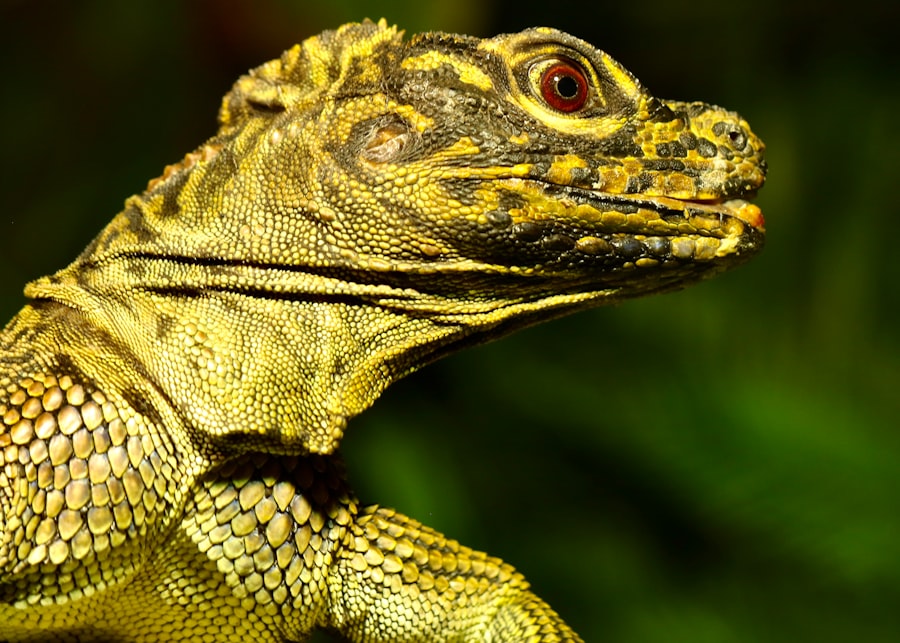
Island ecosystems often serve as natural laboratories for studying evolutionary processes. Reptilian species that have colonized islands can, over time, exhibit reduced genetic diversity compared to their mainland counterparts. This is often due to founder effects, where only a small number of individuals establish the island population, carrying with them a subset of the original genetic variation. Furthermore, isolated island populations are less likely to experience gene flow from mainland populations, further limiting their genetic input. While some island reptiles have evolved unique adaptations, in other cases, reduced genetic variation can make them more susceptible to diseases or environmental changes, potentially impacting their long-term viability.
Morphological Stasis and Potential for Degeneration
While many reptile species exhibit remarkable morphological stasis, meaning their physical form has remained largely unchanged for millions of years, this can also mask underlying genetic vulnerabilities. If a species is highly adapted to a stable environment, it may lack the genetic variability needed to respond to rapid environmental changes. In such scenarios, a perceived lack of evolutionary change could, in fact, represent a lack of adaptive potential. While not a direct “decay” of DNA, a failure to adapt due to insufficient genetic diversity can lead to population declines and, in extreme cases, extinction.
Impact on Conservation Efforts
The understanding of genetic decay, or more accurately, the processes leading to reduced genetic variation and potential loss of fitness, is crucial for effective conservation strategies. Conservation biologists increasingly recognize the importance of maintaining genetic diversity within threatened and endangered species. This involves identifying populations with higher levels of variation, promoting gene flow through translocation programs where appropriate, and minimizing genetic bottlenecks in captive breeding programs. Efforts to conserve reptiles often focus on protecting their habitats and mitigating environmental threats, indirectly safeguarding their genetic resources.
The Role of Epigenetics and Beyond
Epigenetic Modifications and Environmental Plasticity
While traditional genetics focuses on changes in DNA sequence, epigenetics explores heritable changes in gene expression that do not involve alterations to the underlying DNA. Environmental factors, such as diet, stress, and exposure to toxins, can induce epigenetic modifications. These modifications can influence which genes are turned on or off, thereby affecting an organism’s phenotype. In the context of environmental degradation, epigenetic changes can allow reptiles to exhibit a degree of phenotypic plasticity, enabling them to cope with short-term environmental fluctuations. However, the long-term stability and heritability of these epigenetic marks, and their potential to either buffer or exacerbate issues related to underlying genetic variation, are areas of ongoing research.
Mitochondrial DNA and its Implications
Beyond the nuclear DNA that carries the vast majority of an organism’s genetic information, many reptiles also possess mitochondrial DNA (mtDNA), which resides in the mitochondria and plays a vital role in cellular respiration. mtDNA is inherited maternally and evolves at a different rate than nuclear DNA. Studies of mtDNA can provide insights into population structure, demographic history, and – in some cases – the accumulation of specific types of mutations. While mtDNA mutations can lead to impaired energy production, the broader implications for an entire species’ genetic integrity are complex and often intertwined with the dynamics of nuclear DNA.
The Concept of “Genetic Load”
The term “genetic load” refers to the reduction in the average fitness of a population due to the presence of deleterious alleles. While not a direct measure of DNA decay, it is a consequence of the accumulation of such alleles. In populations where gene flow is restricted or where strong selective pressures have eliminated many alleles, the genetic load can increase. This can make the population more vulnerable to environmental changes and diseases. For reptiles, with their often long lifespans and relatively slow reproductive rates, the accumulation of genetic load can have a more pronounced and lasting impact than in species with shorter generation times.
Recent studies have raised intriguing questions about the genetic decay of reptilian DNA on Earth, suggesting that environmental factors and evolutionary pressures may be contributing to the decline of certain reptilian species. This phenomenon has sparked interest in the scientific community, leading to a deeper exploration of how these changes could impact biodiversity. For those interested in delving further into this topic, a related article can be found here, which discusses the implications of genetic deterioration in reptiles and its potential effects on ecosystems.
Scientific Inquiry and Future Directions
| Aspect | Metrics |
|---|---|
| Genetic Decay Rate | 0.5% per generation |
| Environmental Factors | UV radiation, pollution, habitat loss |
| Population Affected | Estimated 30% of reptilian species |
| Research Findings | Decreased fertility, increased mutations |
Genomic Sequencing and Population Genetics
Advances in high-throughput genomic sequencing technologies have revolutionized the study of population genetics. Scientists can now analyze the entire genomes of numerous individuals within a species, providing an unprecedented level of detail about genetic variation, population structure, and evolutionary history. This allows for the identification of specific genes under selection, the detection of signatures of past bottlenecks, and the assessment of genetic diversity across different subpopulations. Such data is invaluable for understanding the nuances of genetic changes within reptilian lineages.
Conservation Genomics and Actionable Insights
Conservation genomics applies genomic approaches to inform conservation strategies. By analyzing the genetic makeup of threatened reptile populations, scientists can identify those most at risk due to low genetic diversity or the presence of deleterious alleles. This information can guide decisions about habitat restoration, captive breeding programs, and the establishment of genetic reserves. The aim is to use genomic data to predict a species’ adaptive potential and to implement interventions that enhance its long-term survival prospects, thereby working to mitigate the effects of any observed genetic vulnerabilities.
Predicting Future Evolutionary Trajectories
Understanding the factors that influence genetic variation and evolutionary potential is crucial for predicting the future trajectories of reptilian species in a rapidly changing world. While the term “genetic decay” might imply an endpoint, evolution is a continuous process. The resilience and vulnerability of reptilian DNA are shaped by a complex interplay of historical evolutionary pressures, current environmental conditions, and the inherent biological characteristics of these ancient vertebrates. Ongoing research continues to refine our understanding of these dynamics, providing essential knowledge for both scientific curiosity and the urgent task of conservation.
FAQs
What is genetic decay of reptilian DNA on Earth?
Genetic decay of reptilian DNA on Earth refers to the gradual deterioration of genetic material in reptiles over time, leading to potential loss of genetic diversity and fitness within reptilian populations.
What factors contribute to genetic decay of reptilian DNA?
Factors contributing to genetic decay of reptilian DNA may include habitat loss, climate change, pollution, inbreeding, and other human-induced environmental pressures that can lead to reduced genetic variation and increased genetic mutations.
What are the potential consequences of genetic decay in reptilian DNA?
The potential consequences of genetic decay in reptilian DNA may include decreased adaptability to environmental changes, increased susceptibility to diseases, reduced reproductive success, and ultimately, the risk of population decline or extinction.
How can genetic decay of reptilian DNA be mitigated?
Mitigation strategies for genetic decay of reptilian DNA may include habitat conservation, restoration of natural habitats, reducing pollution, implementing genetic management plans, and promoting genetic diversity through captive breeding and translocation programs.
What are the implications of genetic decay of reptilian DNA for ecosystems and human society?
The implications of genetic decay of reptilian DNA for ecosystems and human society may include disruptions to food webs, loss of ecosystem services, and potential impacts on human health and economies, as reptiles play important ecological roles and have cultural and economic significance.