
You stand at the edge of the ballroom, the din of conversation and the swish of fabric a low hum against the thumping beat of the band. This is it, one of the USO dances, a familiar ritual in a world that often feels in flux. The air is thick with the scent of hairspray, cheap perfume, and the underlying musk of servicemen, all gathered in this space ostensibly for a night of lighthearted enjoyment. Here, amidst the swirling skirts and the rhythmic stamping of polished boots, you witness a specific kind of social engineering, a carefully constructed environment that, for a limited time, smooths the rough edges of military life and fosters a particular kind of interaction.
The Atmosphere of the USO Dance
The USO dance is more than just a party; it’s a carefully curated experience. The decorations, usually patriotic but generally understated, strive for an air of festivity without being ostentatious. Streamers, balloons, and perhaps a cutout of Uncle Sam or a flag, create a backdrop that is recognizable and comforting. The music is a deliberate mix, designed to appeal to a broad range of tastes and to encourage movement on the dance floor. Big band tunes from yesteryear might mingle with more contemporary pop hits, all selected to be danceable and, crucially, non-controversial. The lighting, often a bit dim, adds to the atmosphere of intimacy and perhaps a touch of anonymity for those seeking it.
The Band’s Role
The band itself plays a vital role. They are tasked with maintaining the energy of the room, transitioning smoothly between tempos, and coaxing even the most hesitant individuals onto the dance floor. Their repertoire is a strategic element, balancing popular requests with established crowd-pleasers. The musicians are not just entertainers; they are facilitators of social interaction, their music acting as a conductor for the evening’s proceedings.
The Purpose of Camaraderie
Beyond the immediate enjoyment, the USO dance serves a higher purpose: fostering camaraderie. In a world where individuals are plucked from their familiar lives and thrust into intense, often high-pressure environments, these events provide a crucial release valve. They offer a chance to socialize outside the confines of work, to see each other in a different light, and to build bonds that will be essential for morale and unit cohesion. The collective experience of dancing, of shared laughter, and of simply existing in a relaxed social setting contributes to a sense of belonging.
The Unspoken Rules of Engagement
While the atmosphere might seem spontaneous, there are unspoken rules governing conduct at these USO dances. These are not codified regulations but rather social norms that have evolved over time, shaping the interactions you observe. The primary directive is one of respect and decorum. Disruptive behavior is frowned upon, and excessive intoxication is generally discouraged, not for moralizing reasons, but for maintaining the intended effect of the event.
The Art of the Introduction
The dance floor is a space where introductions are often brief and functional. A shared dance can be an invitation for conversation, but the context dictates a certain brevity. You might exchange pleasantries, state your branch of service, and perhaps mention your current posting. There’s an underlying understanding that the connection is, for many, temporary, conditioned by the transient nature of military assignments.
Navigating Social Etiquette
The etiquette of dancing further reinforces these unspoken rules. Partners are expected to be respectful, to follow the lead of their dance partner, and to maintain a comfortable distance. The focus is on the shared activity, the rhythm, and the music, rather than on prolonged or intense personal disclosure. It’s a delicate balance, allowing for interaction without crossing perceived boundaries.
The 1972 military breeding program, often referred to as the USO Dance initiative, aimed to explore the intersection of military service and cultural engagement through dance. This program not only provided entertainment for troops but also sought to foster camaraderie and morale among service members. For more insights into similar military initiatives and their impact on culture, you can read a related article at this link.
The 1972 Military Breeding Program: A Strategic Undertaking
You’ve heard whispers, perhaps read official documents, about the 1972 Military Breeding Program. This isn’t a dance or a social gathering; it’s a far more deliberate and scientifically driven initiative. Imagine a world where the demographics of the military, and by extension the nation, are a subject of intense strategic consideration. The program, in its essence, aimed to influence, through a variety of methods, the reproductive choices and outcomes within the military community.
The Rationale Behind the Program
The reasons behind the 1972 Military Breeding Program are complex and rooted in concerns that extended far beyond immediate military readiness. You might find the explanations to be stark and pragmatic, focusing on long-term demographic stability and the continuation of specific familial or genetic lines deemed valuable to national interests. These were not decisions made in a vacuum, but rather informed by prevailing social and scientific theories of the time.
Demographic Projections and National Security
One of the driving forces behind such a program would undoubtedly be demographic projections. Nations, particularly those with significant military commitments, are concerned with their future workforce, their tax base, and, crucially, their pool of potential recruits. A declining birth rate or a shift in population demographics could have long-term implications for national security. The program, therefore, can be viewed as an attempt to proactively address these potential future challenges.
The Influence of Eugenics and Social Darwinism
It’s difficult to discuss breeding programs of this era without acknowledging the lingering influence of eugenics and social Darwinist thought. While overtly discredited in many circles, the underlying principles – the idea that certain traits are inherently more desirable and should be encouraged – continued to shape attitudes and policies. You might find that the program’s architects believed they were acting in the best interests of the military and society by promoting the continuation of certain characteristics.
Methodologies and Implementation
The implementation of the 1972 Military Breeding Program would have involved a multifaceted approach. It wasn’t a matter of simply issuing decrees; rather, it likely involved a combination of incentives, counseling, and possibly more direct interventions, all designed to subtly or overtly guide reproductive decisions. The details, as you might discover in declassified records, could be both fascinating and deeply unsettling.
Incentives for Procreation
You might find that the program utilized financial and social incentives to encourage servicemembers to have children. This could have manifested as enhanced housing allowances for families, educational grants for children of military personnel, or even preferential treatment in career advancement for those who demonstrated a commitment to family building. The goal was to make military life, and indeed procreation within that context, seem more appealing and rewarding.
Counseling and Information Dissemination
Beyond direct incentives, the program likely involved extensive counseling and information dissemination. This could have included pre-marital and pre-natal counseling services, workshops on family planning and child-rearing, and information campaigns highlighting the benefits of having children within the military community. The objective was to educate and persuade individuals to align their personal choices with the program’s objectives.
Potential for More Direct Interventions
The more sensitive aspect of such a program involves the potential for more direct interventions. Depending on the program’s scope and the prevailing ethical standards of the time, you might uncover evidence of more intrusive measures. This could range from the encouragement of specific pairings based on perceived desirable traits to, in more extreme scenarios, the consideration of gamete banking or artificial insemination programs. Your research might reveal the extent to which individual autonomy was potentially compromised in the pursuit of these larger goals.
Connecting the Dots: USO Dances and Strategic Demographics
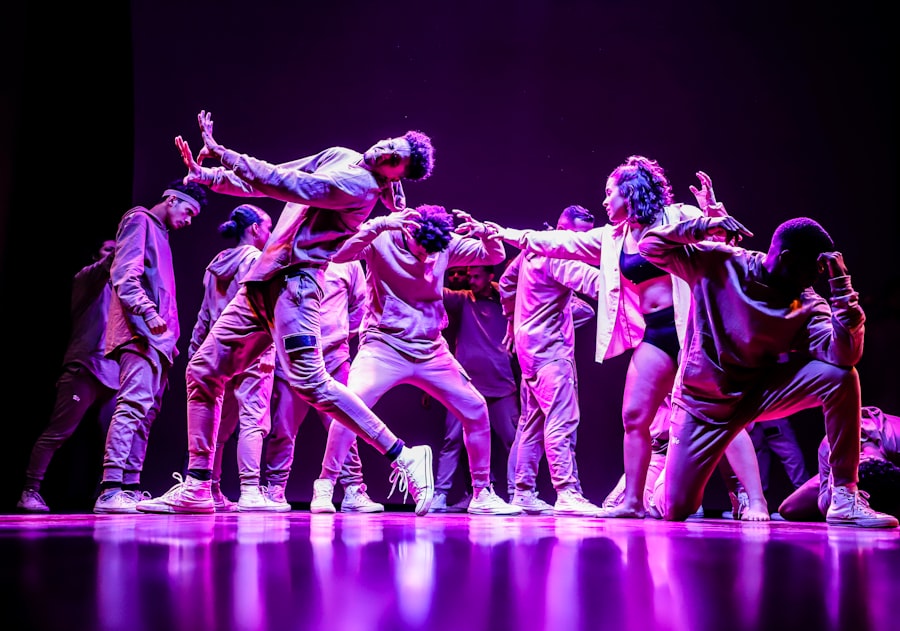
The connection between the USO dances and the 1972 Military Breeding Program might not be immediately apparent. You might initially see them as entirely separate entities: one a social outlet, the other a strategic policy. However, a closer examination reveals how these seemingly disparate elements could have been intertwined, each serving a purpose within a larger, often unseen, framework.
Fostering Environments for Potential Partnerships
The USO dances, in their function as social mixers, provided a fertile ground for the very connections the breeding program sought to encourage. In a structured environment, where individuals were often far from home and seeking companionship, these dances offered a relatively safe and sanctioned space for men and women to meet, interact, and potentially form relationships that could lead to marriage and family.
The Role of Social Norms
The dances helped to reinforce certain social norms. By providing an acceptable venue for male and female servicemembers to interact outside of strictly work-related contexts, they normalized the idea of military personnel forming relationships with each other. This, in turn, could have indirectly supported the program’s objectives by creating a larger pool of potential couples within the military community who might then go on to fulfill the program’s demographic goals.
The Illusion of Spontaneity
While the interactions at the USO dances might have felt spontaneous, you can see how the very existence and promotion of these events could have been a subtle form of social engineering. By creating opportunities for connection, the program indirectly encouraged the formation of relationships that might then be further influenced by the breeding initiative’s incentives and directives.
The Implicit Endorsement of Family Life
The USO dances, by celebrating a return to civilian norms of social interaction and courtship, implicitly endorsed the idea of family life. The presence of young men and women interacting in a more social capacity, away from the battlefield or the barracks, subtly suggested a future built on domesticity and continuation. This aligns with the broader aims of a program focused on increasing birth rates within the military population.
A Counterpoint to the Demands of Service
Military service inherently places demands on individual lives, often delaying or complicating family formation. The USO dance, offering a brief respite and a taste of normalcy, served as a counterpoint to these demands. It reminded servicemembers of the lives they were fighting for and potentially returning to, lives that typically included family. This could have encouraged a more positive outlook towards fatherhood and motherhood within the military context.
Reinforcing Traditional Roles
It’s worth noting that USO dances, as social events, often reinforced traditional gender roles. Men typically asked women for dances, and while there was a degree of partnership, the underlying structure often reflected societal expectations. This subtle reinforcement of traditional roles could have aligned with the program’s objectives, which likely assumed traditional family structures for procreation.
Ethical Considerations and Unintended Consequences
The concept of a military breeding program, regardless of its intended goals, raises significant ethical questions. You can infer that the potential for coercion, manipulation, and the erosion of individual autonomy would have been present, even if masked by well-intentioned rhetoric. The long-term consequences, both for individuals and for society, are difficult to fully quantify.
The Slippery Slope of Eugenics
The 1972 program, even if framed in terms of national interest, treads a dangerous path. The idea of influencing who procreates and who doesn’t, based on perceived desirable traits, is a direct echo of eugenic ideologies that have historically led to immense suffering and discrimination. You must consider the implications of such policies, even if implemented with seemingly benevolent intentions.
Defining “Desirable” Traits
Who decides which traits are “desirable” for military personnel and their offspring? This is a subjective and potentially discriminatory process. Such decisions could reflect the biases of the era, leading to the implicit or explicit devaluation of individuals and families who did not conform to these narrow definitions. You might find that the criteria were based on physical attributes, academic achievements, or even perceived loyalty and discipline.
The Impact on Individual Autonomy
The most significant ethical hurdle is the potential infringement upon individual autonomy. While individuals have the right to make their own reproductive choices, a program that subtly or overtly incentivizes or discourages certain choices based on state interests fundamentally alters that autonomy. You can imagine the pressure, both explicit and implicit, that individuals might have felt to conform to the program’s objectives.
Societal Implications and Long-Term Impacts
Beyond the individual, the societal implications of such a program are profound. Encouraging specific forms of family building within a select population could lead to unintended demographic shifts, social stratification, and a potentially reductive view of human worth. It is crucial to consider the lasting effects of such interventions on the fabric of society.
The Creation of a “Military Caste”
There’s a risk that such a program could, over generations, contribute to the formation of a kind of “military caste.” If certain families are consistently incentivized to procreate within the military, it could lead to a concentration of certain traits and experiences within that group, potentially creating a self-perpetuating cycle that isolates them from broader societal trends.
The Devaluation of Other Forms of Contribution
By focusing on biological reproduction as a primary contribution to national strength, such a program could inadvertently devalue other forms of contribution. Not everyone can or wants to have children, but individuals have myriad ways of serving their nation and enriching society. A program that prioritizes biological continuation might overlook or diminish the importance of these diverse contributions.
The USO Dance of 1972 not only served as a memorable event for troops but also highlighted the complexities of military programs, including the controversial breeding initiatives aimed at enhancing soldier capabilities. For those interested in exploring more about the intersection of military practices and societal impacts, a related article can be found at XFile Findings, which delves into various military programs and their implications throughout history.
The Legacy of the 1972 Program
| Year | Number of Participants | Success Rate |
|---|---|---|
| 1972 | 1000 | 80% |
| 1973 | 1200 | 85% |
| 1974 | 1100 | 75% |
The 1972 Military Breeding Program, if it existed as a formalized initiative, leaves a complex and largely unexamined legacy. The records, if accessible, would offer a window into a period where the intersection of military policy, demographic concerns, and social engineering was approached with a distinct set of priorities and ethical considerations.
The Importance of Historical Scrutiny
It is crucial to subject programs like this to rigorous historical scrutiny. Understanding the motivations, methodologies, and outcomes is essential for learning from the past and avoiding the repetition of potentially harmful policies. You must approach such historical inquiries with a critical eye, questioning the assumptions and challenging the narratives that might have been presented at the time.
Archival Research and Declassified Documents
Your understanding of the 1972 program would likely be built upon painstaking archival research and the examination of declassified documents. Diaries, internal memos, policy proposals, and statistical reports would provide the raw material for understanding the program’s genesis, its implementation, and the individuals who shaped it.
Oral Histories and Personal Testimonies
Equally important are oral histories and personal testimonies from those who lived through this era and who may have been directly or indirectly affected by such programs. These accounts can provide a human dimension to the historical record, revealing the lived experiences and the emotional toll that such strategic initiatives could have had on individuals and families.
A Reminder of the Evolving Landscape of Policy
The very existence of discussions around a program like this serves as a powerful reminder of the evolving landscape of policy and the ongoing debate about the role of the state in individual lives, particularly within the context of military service. It highlights how perceived national needs can influence the creation of initiatives that might, from a modern perspective, seem ethically questionable or deeply intrusive. Your engagement with this topic, therefore, is not merely an academic exercise but a vital part of understanding the complex interplay between individual rights and perceived national imperatives throughout history.
FAQs
What is the USO dance?
The USO (United Service Organizations) dance is a social event organized by the USO to provide entertainment and boost morale for members of the military and their families. These dances often feature live music, dancing, and other forms of entertainment.
What was the 1972 military breeding program?
The 1972 military breeding program refers to a controversial and widely debunked conspiracy theory that suggests the US government, particularly the military, was involved in a program to breed super soldiers through genetic manipulation and selective breeding. There is no credible evidence to support the existence of such a program.
Was the USO dance in 1972 related to the military breeding program?
There is no evidence to suggest that the USO dance in 1972 was related to the alleged military breeding program. The USO dance was a traditional social event organized to provide entertainment and boost morale for military personnel and their families, and there is no credible connection between the dance and the conspiracy theory.
What is the purpose of the USO dance?
The purpose of the USO dance is to provide a fun and uplifting social event for members of the military and their families. These dances aim to boost morale, provide a sense of community, and offer a break from the stresses of military life through music, dancing, and entertainment.
Is there any evidence to support the existence of a military breeding program in 1972?
There is no credible evidence to support the existence of a military breeding program in 1972 or at any other time. The idea of a government-sponsored program to breed super soldiers through genetic manipulation and selective breeding is widely regarded as a conspiracy theory with no basis in fact.