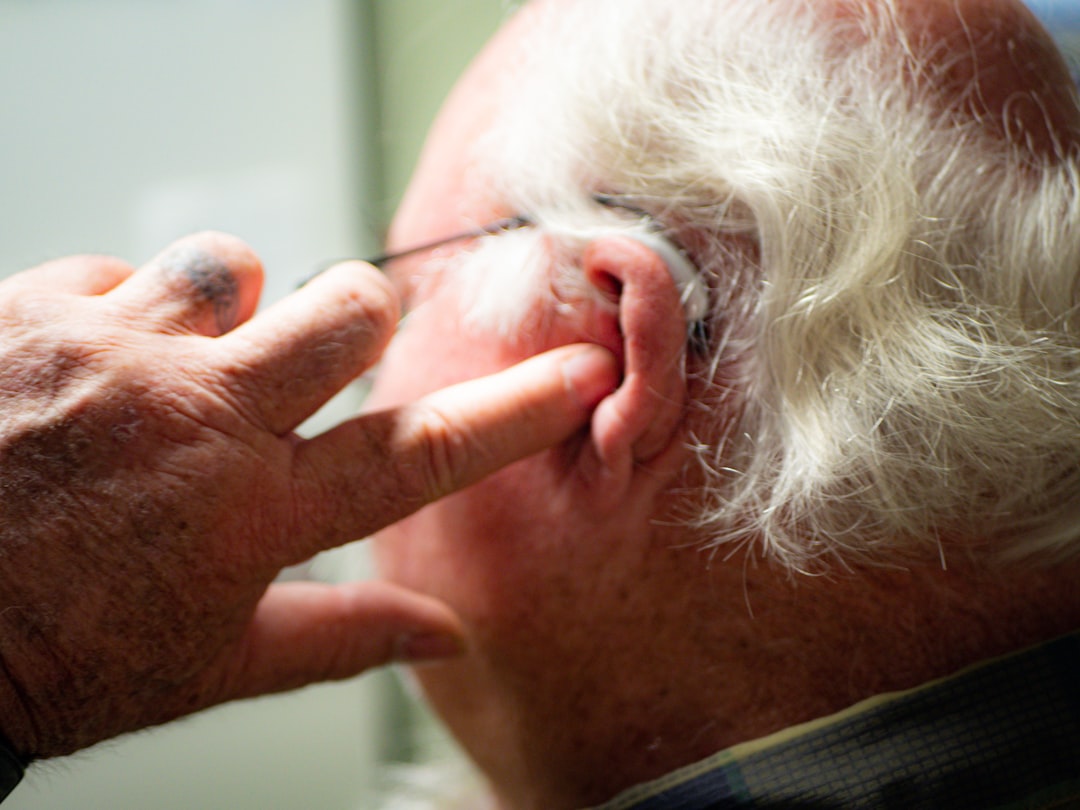
You experience a high-frequency ringing in your ears, a persistent, often invisible, signal. It’s not the kind of sound that announces its presence with a booming thunderclap; instead, it’s a subtle intruder, a constant companion that can range from a faint whisper to a piercing shriek. You might have heard it referred to as tinnitus, a general term for the perception of sound when no external sound is present. But what if this particular ringing, this high-frequency hue, is more than just a random occurrence? What if it’s a specific marker, a signal that points to something more? You’ve encountered the concept of the “Maxwell Marker,” and it’s time to understand what it means for you and the high-frequency ringing that occupies your auditory landscape.
Your ears, intricate biological instruments, are responsible for translating the vibrations in the air into the complex symphony of sounds that fill your world. When they falter, when they generate their own internal noise, the experience can be disconcerting, even distressing. The high-frequency ringing you perceive is a specific subset of this auditory phenomenon. It’s a pitch that often sits in the upper range of human hearing, a delicate, sometimes sharp, sound that can be easily masked by external noise but becomes acutely noticeable in quieter environments. You might feel it as a single tone, or it could be a more complex mixture of frequencies.
The Spectrum of Auditory Perception
To grasp the significance of high-frequency ringing, it’s helpful to consider the broader spectrum of human hearing. You can typically perceive sounds ranging from approximately 20 Hz to 20,000 Hz, although this range diminishes with age and exposure to loud noises. The high-frequency ringing you experience falls into that upper echelon, a range where the hair cells in your cochlea, responsible for detecting these higher pitches, might be under particular stress or may have sustained damage. This sensitivity to high frequencies makes this specific ringing particularly noticeable, often described as a hissing, buzzing, or a pure tone.
Distinguishing Between Types of Tinnitus
It is crucial to understand that tinnitus is not a disease in itself, but a symptom. The ringing in your ears can manifest in various ways. There’s subjective tinnitus, which only you can hear, and objective tinnitus, which a medical professional can also detect. The high-frequency ringing you’re experiencing is almost always subjective. Its character also varies: some people describe a low-pitched hum, a rhythmic pulsing, or a chirping sound. Your specific experience, the high-frequency nature of the sound, is a key characteristic that the Maxwell Marker seeks to interpret. You might find yourself straining to identify the exact pitch, a mental exercise that can further exacerbate your awareness of the sound.
The Subjectivity of Sound Perception
The very nature of sound is subjective. What one person perceives as a deafening roar, another might consider a moderate noise. This applies even more intensely to tinnitus. You might describe the ringing as a high-pitched whistle, while someone else with a similar underlying cause might characterize it as a piercing squeal. The absence of an external sound source makes your perception the sole arbiter of reality, leading to a deeply personal and often isolating experience. You learn to navigate your world with this internal soundtrack, a soundtrack that you alone inhabit.
High frequency ringing in the ears, commonly known as tinnitus, can be a distressing condition that affects many individuals. For those seeking more information on this topic, a related article can be found at XFile Findings, which explores various aspects of tinnitus, including its causes, symptoms, and potential treatment options. Understanding the nuances of this condition can help individuals manage their symptoms more effectively and improve their quality of life.
Introducing the Maxwell Marker Concept
You’re encountering the term “Maxwell Marker,” a concept that attempts to provide a more nuanced understanding of certain types of high-frequency tinnitus. It’s not a medical diagnostic tool in the traditional sense, but rather a theoretical framework, a way of categorizing and potentially understanding the underlying causes or implications of this specific auditory symptom. Think of it as a diagnostic lens, one focused on a particular type of ringing, aiming to reveal clues about its origin. The name itself, “Maxwell,” evokes a sense of scientific inquiry, of looking for underlying principles and patterns.
Origins and Evolution of the Concept
While the precise historical origins of the term “Maxwell Marker” can be difficult to pin down, its emergence likely stems from the continuous effort by audiologists and researchers to refine their understanding of tinnitus. As clinical observations accumulate and research into the auditory system advances, new ways of classifying and interpreting symptoms become necessary. The “Maxwell Marker” represents an attempt to identify a specific constellation of characteristics within high-frequency tinnitus that might correlate with particular underlying issues. You might be tempted to search for definitive scientific papers by a researcher named Maxwell; however, the term is more likely a shorthand for a recognized pattern within the field. The evolution of this concept is tied to the ongoing quest to move beyond simply acknowledging tinnitus to understanding its potential root causes.
What Constitutes a “Marker”?
In a medical or scientific context, a marker is typically an indicator of a particular condition, process, or state. It could be a physical sign, a laboratory value, or in this case, a specific characteristic of a symptom. The “Maxwell Marker” suggests that the high-frequency nature of your ringing, perhaps in conjunction with other subtle characteristics of the sound itself or associated symptoms, acts as a signal. This signal, according to the concept, points towards a particular set of potential causes or implications. You’re looking for specific patterns within your experience, patterns that the Maxwell Marker theory posits are significant.
Beyond General Tinnitus Classification
You understand that tinnitus is broadly classified. However, the “Maxwell Marker” aims to go deeper. It suggests that simply labeling your sound as “high-frequency tinnitus” might not be specific enough. The marker implies that there are subtle differentiators within this broad category that hold diagnostic weight. You might have a ringing that is purely tonal, or it might have a fluctuating character. The intensity, the perceived pitch, and even how it responds to different environmental stimuli could all be part of what the Maxwell Marker theory considers. You are essentially looking for a more precise diagnosis within your symptom.
Potential Causes Linked to the Maxwell Marker

The core of the “Maxwell Marker” concept lies in its association with specific underlying causes. When you experience high-frequency ringing that aligns with what is considered the Maxwell Marker, it suggests a focus on particular physiological systems or pathological processes. This is where the theoretical framework becomes most practical, guiding you and potentially your healthcare provider toward a more targeted investigation. You’re moving from a general symptom to a potential indicator of a specific problem.
Inner Ear Pathology and Hair Cell Damage
The most frequently cited link to high-frequency tinnitus, and by extension the Maxwell Marker, is damage to the delicate hair cells within your cochlea. These microscopic structures are responsible for converting sound vibrations into electrical signals that your brain interprets as sound. High-frequency sounds are detected by hair cells located at the base of the cochlea. Exposure to loud noises (noise-induced hearing loss), the aging process (presbycusis), and certain ototoxic medications can all lead to the degeneration or damage of these specific hair cells. When these cells are compromised, they can send aberrant signals to your brain, which you perceive as ringing. You might be experiencing this ringing because of damage to these very specific cells.
Noise-Induced Hearing Loss
You’ve likely been exposed to loud sounds at some point in your life. Concerts, machinery, even prolonged use of headphones at high volumes can contribute to noise-induced hearing loss. This type of damage is often cumulative, meaning that repeated exposure, even to moderately loud sounds over time, can have a significant impact. The high-frequency range is typically the first to be affected. You might not even realize how loud the sounds were at the time, but the cumulative effect on your auditory system can be profound.
Age-Related Hearing Loss (Presbycusis)
As you age, your hearing naturally deteriorates. This process, known as presbycusis, affects individuals differently, but a common feature is a gradual decline in the ability to hear higher frequencies. The hair cells in your cochlea are subject to cumulative wear and tear over the years. This natural degradation can lead to the perception of high-frequency tinnitus. You might notice this ringing creeping in as part of the natural aging process.
Ototoxic Medications
Certain medications, while beneficial for other conditions, can have a detrimental effect on your hearing. These are known as ototoxic medications. They can damage the hair cells in your cochlea, leading to hearing loss and tinnitus. You should always discuss potential side effects with your doctor and be aware of any medications that have a known ototoxic profile.
Vestibular System Involvement
The vestibular system, located in your inner ear, is primarily responsible for balance. However, it is intricately connected to the auditory system. Conditions affecting the vestibular system can sometimes manifest with tinnitus, including high-frequency ringing. Issues like Meniere’s disease, an inner ear disorder that affects hearing and balance, can present with tinnitus as a prominent symptom. You might experience the ringing in conjunction with feelings of dizziness or vertigo, further suggesting a link to the vestibular system.
Meniere’s Disease
Meniere’s disease is characterized by episodes of vertigo, hearing loss, tinnitus, and a feeling of fullness in the ear. The tinnitus associated with Meniere’s can vary in pitch and intensity, but high-frequency ringing is a common complaint. The fluctuating nature of symptoms in Meniere’s disease often makes diagnosis and management challenging. You might notice a pattern of waxing and waning ringing that corresponds with other vestibular symptoms.
Labyrinthitis and Vestibular Neuritis
These conditions involve inflammation of the inner ear (labyrinthitis) or the vestibular nerve (vestibular neuritis). They often arise from viral infections and can cause sudden onset of vertigo, hearing loss, and tinnitus. The ringing in these cases can be particularly disruptive and persistent. You might experience a sudden and dramatic shift in your auditory experience if you develop one of these conditions.
Neurological or Systemic Conditions
While less common, the Maxwell Marker concept also acknowledges that high-frequency tinnitus can sometimes be a symptom of underlying neurological or systemic conditions. These can include conditions affecting the auditory nerve or the brain regions responsible for processing sound. You should not dismiss the ringing if other neurological symptoms are present.
Acoustic Neuroma
This is a rare, benign tumor that develops on the cranial nerve leading from your inner ear to your brain. Symptoms can include hearing loss in one ear, tinnitus, and balance problems. The tinnitus associated with an acoustic neuroma is often unilateral (occurs in one ear) and can be high-pitched. However, you might not experience any other symptoms in the early stages, making regular check-ups important.
Cardiovascular Issues
In some instances, certain cardiovascular conditions can lead to pulsatile tinnitus, which sometimes can have a higher-pitched component. This type of tinnitus is often synchronized with your heartbeat. While not the typical Maxwell Marker presentation, it’s a consideration for certain presentations of ringing.
Identifying and Interpreting the Maxwell Marker

To ascertain if your high-frequency ringing aligns with the Maxwell Marker concept, you need to engage in careful self-observation and, crucially, consult with a healthcare professional. It’s not about self-diagnosis, but about gathering information that can inform a professional evaluation. You are the primary observer of your internal experience.
Detailed Symptom Tracking
You should begin by meticulously tracking your symptoms. When did the ringing start? Is it constant or intermittent? Does it vary in intensity throughout the day or in response to specific activities? Does it affect one ear or both? What is the perceived pitch, and does it change? Keeping a detailed journal can provide invaluable information for your doctor. You are essentially building a case file for your own auditory experience.
Audiological Evaluation and Testing
A comprehensive audiological evaluation is paramount. This will involve a series of tests to assess your hearing across different frequencies. An audiologist can identify any hearing loss, including loss in the high-frequency range, and can also help characterize the nature of your tinnitus. You might undergo pure-tone audiometry, speech audiometry, and tympanometry. These tests provide objective data about your auditory function.
Pure-Tone Audiometry
This test measures your ability to hear pure, single frequencies at different volumes. The results are plotted on an audiogram, which visually represents your hearing thresholds for each frequency. A pattern of loss in the higher frequencies can be a key indicator.
Word Recognition Scores
In addition to detecting sounds, it’s important to assess your ability to understand speech. Word recognition tests evaluate how well you can discern spoken words, especially at different volumes and with background noise.
The Role of the Medical Professional
The Maxwell Marker is a conceptual tool, not a definitive diagnostic test. Its true value lies in guiding a medical professional’s investigation. Armed with your detailed symptom history and the results of audiological tests, a doctor, likely an otolaryngologist (ear, nose, and throat specialist) or an audiologist, can begin to narrow down the potential causes of your high-frequency ringing. You are collaborating with a medical expert to unravel the mystery of your ringing.
High frequency ringing in the ears, often referred to as tinnitus, can be a perplexing condition that affects many individuals. For those seeking to understand the underlying causes and potential treatments, a related article on this topic can provide valuable insights. You can explore more about this condition and its implications in the article found at Xfile Findings, which delves into various aspects of tinnitus and offers guidance for managing its effects. Understanding these nuances can be crucial for anyone experiencing this unsettling symptom.
Management and Mitigation Strategies
| Frequency Range | Intensity Level | Duration |
|---|---|---|
| 10 kHz – 20 kHz | High | Intermittent |
| 20 kHz – 30 kHz | Very High | Continuous |
| Above 30 kHz | Extreme | Varies |
If your high-frequency ringing is indeed indicative of the Maxwell Marker, understanding the underlying cause is the first step towards management. The goal is not always to eliminate the ringing entirely, but to reduce its impact on your quality of life. You might be able to find significant relief through various strategies.
Addressing Underlying Medical Conditions
The most effective management strategy involves treating the root cause, if one can be identified. If your ringing is due to ototoxic medications, your doctor may be able to switch you to an alternative. If a cardiovascular issue is contributing, managing that condition can help alleviate the tinnitus. You are focused on treating the source of the problem.
Sound Therapy and Masking
When a specific treatable cause cannot be found, or as an adjunct to other treatments, sound therapy can be beneficial. This involves using external sounds to mask or distract from the tinnitus. You might use white noise generators, fan sounds, or specialized sound machines that produce tones designed to blend with or cover your ringing. You are essentially introducing new sounds to alter your perception of the tinnitus.
White Noise Machines
These devices produce a constant, soothing sound that can help mask the irritating high-frequency ringing, making it less noticeable, especially when trying to sleep or concentrate.
Tinnitus Maskers
Some devices are specifically designed to emit sounds that are programmed to be less perceptually intrusive than the tinnitus itself. These can offer a more targeted approach to masking.
Lifestyle Adjustments and Stress Management
Your lifestyle plays a significant role in how you perceive and cope with tinnitus. You might find that certain factors exacerbate your ringing, and making adjustments can lead to improvement. Stress, fatigue, and certain dietary choices can all influence tinnitus perception. You are taking proactive steps to manage your overall well-being.
Stress Reduction Techniques
Practicing mindfulness, meditation, yoga, or deep breathing exercises can help reduce stress levels, which in turn can often lessen the intensity of tinnitus. You are learning to control your reactions to the ringing.
Limiting Exposure to Loud Noises
Protecting your hearing from further damage is crucial. You should wear hearing protection in loud environments and consider lowering the volume on personal listening devices. You are actively safeguarding your auditory health.
Cognitive Behavioral Therapy (CBT)
CBT is a type of psychotherapy that helps you change negative thought patterns and behaviors associated with your tinnitus. It doesn’t eliminate the sound, but it can help you develop coping mechanisms to reduce the distress and anxiety it causes. You are retraining your brain to react differently to the ringing.
The Future of Understanding High-Frequency Tinnitus
The “Maxwell Marker” represents a step forward in the ongoing effort to understand and manage high-frequency tinnitus. As research progresses, you can anticipate even more refined diagnostic approaches and targeted treatment strategies. The field is continually evolving, offering hope for improved outcomes for individuals experiencing this challenging symptom. You are part of a growing understanding of auditory health.
Advancements in Diagnostic Technology
Future diagnostic technologies may offer more precise ways to assess the physiological underpinnings of tinnitus. You might see the development of advanced imaging techniques or electrophysiological measures that can pinpoint the exact source of the aberrant neural signals. You are on the cusp of more sophisticated diagnostic tools.
Personalized Treatment Approaches
The trend in medicine is towards personalized treatment. For high-frequency tinnitus, this means developing therapeutic interventions tailored to your specific tinnitus profile and its underlying cause. You can expect treatments that are more precisely matched to your individual needs.
Hope for Tinnitus Management
While a universal cure for tinnitus remains elusive, the continued research and the development of conceptual frameworks like the Maxwell Marker offer significant hope for improved management. By understanding the nuances of your high-frequency ringing, you are better equipped to work with healthcare professionals to find relief and improve your quality of life. You are not alone in this pursuit of auditory well-being.
FAQs
What is high frequency ringing in ears?
High frequency ringing in ears, also known as tinnitus, is the perception of sound in the ears or head when no external sound is present. It is often described as a ringing, buzzing, hissing, or whistling sound.
What causes high frequency ringing in ears?
High frequency ringing in ears can be caused by a variety of factors, including exposure to loud noise, ear infections, earwax buildup, age-related hearing loss, and certain medications. In some cases, it may be a symptom of an underlying health condition.
How is high frequency ringing in ears diagnosed?
High frequency ringing in ears is typically diagnosed through a physical examination, hearing tests, and a review of the patient’s medical history. In some cases, additional tests such as imaging studies may be ordered to rule out any underlying health conditions.
Can high frequency ringing in ears be treated?
While there is no cure for high frequency ringing in ears, there are treatments available to help manage the symptoms. These may include hearing aids, sound therapy, counseling, and relaxation techniques. In some cases, addressing the underlying cause of the tinnitus may help alleviate the symptoms.
When should I see a doctor about high frequency ringing in ears?
If you are experiencing high frequency ringing in ears that is persistent, bothersome, or accompanied by other symptoms such as dizziness or changes in hearing, it is important to see a doctor for an evaluation. Additionally, if the tinnitus is sudden or severe, seeking medical attention is recommended.