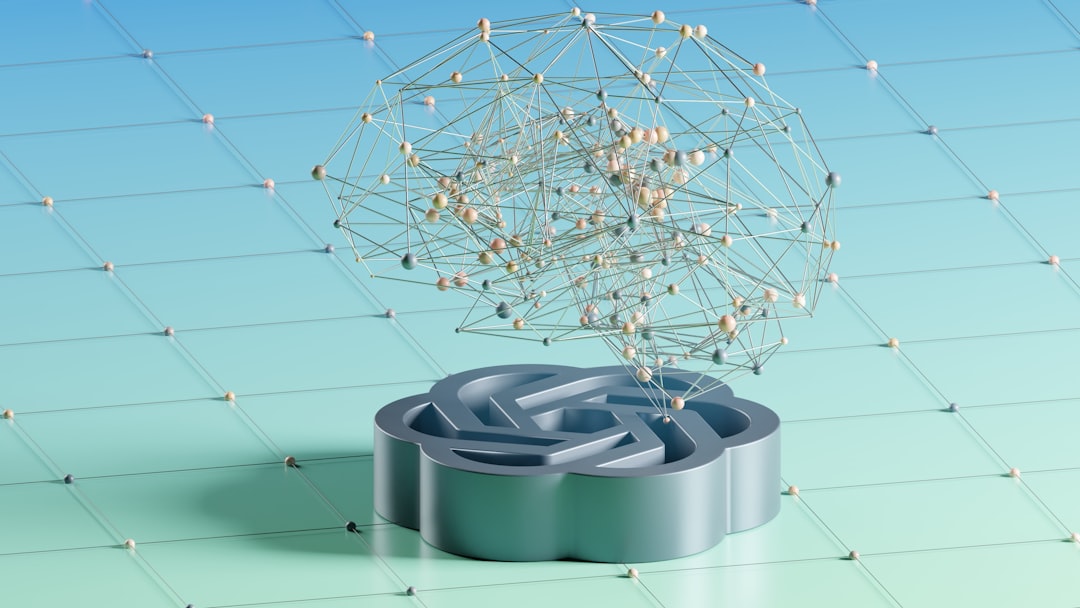
Alien Synchronization: Neural Link Technology and Fingerprints
The notion of alien synchronization, the potential for humanity and extraterrestrial intelligences to achieve, or perhaps already possess, a form of unified consciousness, remains a speculative but persistent thread in scientific and philosophical discourse. This concept often intersects with emerging technologies, none more so than neural interface systems. The burgeoning field of neural link technology, designed to bridge the gap between biological brains and artificial intelligence, presents a peculiar analogue for scenarios involving interstellar communication and interaction.
The “Why” of Synchronization: Communication or Control?
The fundamental question surrounding alien synchronization is not simply how, but why such a phenomenon would occur. Is it a natural consequence of advanced civilizations encountering one another, a universal form of communication that transcends spoken language and even individual thought? Or does it represent a more potent, potentially unsettling form of influence, where one intelligence subsumes or directs another for its own purposes? Early hypotheses tended to gravitate towards the former, envisioning a shared understanding born of necessity in navigating the vastness of space. The sheer distances and temporal lags involved in interstellar communication suggest that conventional methods might be inefficient, even impossible for real-time interaction. This opens the door to more direct forms of information transfer.
The Limitations of Conventional Interstellar Communication
The vast distances separating star systems present a fundamental hurdle. Even at the speed of light, a signal sent from Earth to the nearest star system, Proxima Centauri, would take over four years to arrive. Replies would similarly be delayed. This makes any form of dialogue, let alone collaborative problem-solving, exceedingly difficult. The ‘waiting’ period for a response could span decades, centuries, or even millennia, rendering meaningful interaction impractical for beings with finite lifespans. The energy requirements for transmitting signals across such distances are also substantial, further complicating the feasibility of constant, high-bandwidth communication.
The Potential for Universal Cognitive Frameworks
Despite the vast biological diversity that might exist across the cosmos, it is conceivable that certain fundamental cognitive structures or principles of logic are universal. If alien intelligences operate within these shared frameworks, a direct neural link could bypass the need for elaborate linguistic translation, enabling a more immediate and profound exchange of information and understanding. This assumes a degree of convergent evolution or shared foundational principles in the development of sapient thought.
The Technological Foundation: Neural Link Innovations
The development of neural link technology on Earth serves as a crucial, albeit terrestrial, precedent for conceptualizing alien synchronization. These interfaces, ranging from non-invasive brain-computer interfaces to more direct neural implants, aim to decode brain signals and translate them into commands for external devices, or conversely, to feed information directly into the brain. The continuous advancements in this field provide a tangible framework for considering how sophisticated alien civilizations might achieve even more complex forms of neural integration.
Non-Invasive Brain-Computer Interfaces (BCIs)
Non-invasive BCIs, such as electroencephalography (EEG) caps, measure electrical activity on the scalp. While currently limited in their precision and bandwidth, they represent the first step towards bidirectional communication with the brain without surgical intervention. Extrapolating these technologies suggests that alien civilizations might have developed far more sensitive and detailed methods for reading neural activity from a distance, or through less intrusive means than current human endeavors.
Invasive Neural Implants
Invasive neural implants, which involve surgically placing electrodes directly into brain tissue, offer significantly higher resolution and the potential for a much richer data stream. These technologies are at the forefront of research into treating neurological disorders and enhancing human capabilities. The sophistication required to integrate artificial components with living neural tissue on this level suggests that aliens capable of interstellar travel likely possess a mastery of bio-engineering and neural manipulation far exceeding our current understanding.
Decoding Intent vs. Raw Data
A key challenge in neural link technology is distinguishing between raw neural signals and the intended meaning or conscious thought behind them. Current research focuses on pattern recognition and machine learning algorithms to interpret these signals. For alien synchronization, this distinction becomes paramount. It would require an ability to decode the nuanced complexities of an alien consciousness, not just its basic operational signals.
Recent advancements in Neuralink technology have sparked intriguing discussions about the potential for human cognitive enhancement and its implications for communication with extraterrestrial intelligence. An article that delves deeper into this topic is titled “Fingerprints of Alien Synchronization,” which explores the possibility of synchronizing human neural patterns with hypothetical alien signals. For more insights on this fascinating intersection of neuroscience and astrobiology, you can read the article here: Fingerprints of Alien Synchronization.
The “How” of Synchronization: Neural Pathways and Data Streams
The technical mechanisms by which alien synchronization might occur are diverse and speculative. At a fundamental level, it would involve establishing a connection that allows for the exchange of neural information, bypassing the limitations of traditional communication protocols. This could manifest in various ways, from direct data transfer to a more holistic merging of cognitive processes. The concept of a “neural link” is broad, encompassing a spectrum of possibilities.
Direct Neural Data Exchange
The most straightforward interpretation of neural synchronization involves the direct transfer of raw neural data between biological entities. This would be analogous to sharing digital files, but with the content being thoughts, memories, emotions, or sensory experiences. The challenge lies in the inherent differences in neural architecture and processing between distinct species.
The Problem of Neural Architecture Mismatch
Human brains and those of hypothetical alien species would likely possess vastly different structures, synaptic densities, and neurochemical compositions. A direct mapping of neural signals from one to another might be akin to trying to play a complex musical composition on an instrument with an entirely different tuning system. Significant translation and adaptation mechanisms would be required.
Bio-Compatibility and Neural Interface Design
Any physical interface would need to be bio-compatible, meaning it would not trigger an adverse immune response or cause damage to the neural tissue. The design of such an interface would represent a monumental feat of bio-engineering and materials science. For aliens, this might involve biological integration themselves, rather than purely mechanical or electronic devices.
Collective Consciousness and Shared Network Models
Beyond direct data exchange, synchronization could also occur through a more distributed or collective model. This might involve individuals or groups contributing to and drawing from a shared network of consciousness, akin to a hive mind or a distributed computational system. This model suggests a more fluid and less individualistic form of existence.
The Analogy of the Internet and Cloud Computing
The internet and cloud computing provide a terrestrial analogy for distributed information systems. Individuals access and contribute to a vast repository of data and processing power. A similar dynamic on a neurological level could allow for a form of shared awareness or problem-solving across multiple entities.
The Role of Quantum Entanglement (Hypothetical)
Some speculative theories propose that quantum entanglement could play a role in interstellar synchronization, allowing for instantaneous communication or data transfer across vast distances. While currently considered highly theoretical in this context, it represents a potential mechanism that transcends classical physics. If aliens possessed a deeper understanding and manipulation of quantum mechanics, such a phenomenon might be within their grasp.
The Role of Bio-Luminescence and Electromagnetic Fields
Another avenue of speculation involves the use of bio-luminescent organisms or manipulated electromagnetic fields as conduits for neural information. Certain deep-sea creatures use bioluminescence for communication, and electromagnetic fields are known to influence biological processes. Advanced alien civilizations might have harnessed these phenomena for highly sophisticated forms of neural transmission.
Natural Biological Communication Systems
Many terrestrial organisms use sophisticated communication methods involving chemical signals, pheromones, or light. It is plausible that alien life could evolve even more advanced biological systems for direct neural signalling, perhaps through specialized organs or cellular structures.
Manipulating Fundamental Forces
The ability to manipulate electromagnetic fields or other fundamental forces with precision could allow for non-physical means of interfacing with nervous systems. This represents a level of technological advancement that could enable synchronization without direct physical contact.
The Significance of Fingerprints in an Alien Context
The concept of “fingerprints” as unique identifiers is deeply ingrained in human society. On Earth, these dermal ridges are used for authentication, identification, and the establishment of individual identity. The idea of alien synchronization begs the question: would such a concept hold any relevance for extraterrestrial intelligences, and if so, in what form? The notion implies a distinctiveness that might need to be acknowledged or managed, even within a synchronized state.
The Human Definition of Identity and Uniqueness
Human identity is intrinsically linked to our physical selves and our individual experiences. Fingerprints serve as a biological marker of this individuality. They are unique, immutable, and serve as a readily accessible identifier. This deeply ingrained understanding of personal identity shapes our social structures and legal systems.
The Evolutionary Basis of Unique Identifiers
The evolutionary drivers for unique biological identifiers are varied, ranging from reproductive success to the avoidance of social disruption. In complex social species, the ability to distinguish individuals is crucial for social organization, resource allocation, and the formation of stable relationships.
The Legal and Societal Implications of Fingerprints
From criminal investigations to access control, fingerprints play a vital role in the functioning of human society. They are seen as irrefutable proof of identity, underpinning many legal and security protocols. This societal reliance on a physical marker of uniqueness is a distinctly human construct.
Potential Alien Analogues for Unique Identification
While aliens might not possess dermal ridges precisely like human fingerprints, the need for some form of unique identifier or authentication mechanism within a synchronized system is conceivable. This could be for accounting for individual contributions, managing permissions, or even for maintaining distinct cognitive pathways within a collective.
Biological Signatures Beyond Fingerprints
Alien life could possess entirely different biological markers that serve a similar purpose to fingerprints. These might be unique genetic sequences, distinct bio-luminescent patterns, or even unique energetic signatures. The underlying principle is the need to differentiate individuals within a larger system.
Unique Neural Frequencies or Signatures
Within a neural link scenario, it is plausible that each individual’s neural activity possesses a unique resonant frequency or a characteristic pattern that acts as a fingerprint. This “neural fingerprint” could be used to identify and authenticate individuals within the synchronized network.
Cosmic DNA and Universal Genetic Markers
If advanced alien life shares a common ancestry or operates under universal biological principles, their “fingerprints” might be related to fundamental genetic markers or patterns that are conserved across species and even across the galaxy. This invites speculation about a grander cosmic lineage.
Navigating the Synchronization: Redundancy, Authentication, and Consent
The practical implementation of alien synchronization would necessitate robust protocols for managing identities, ensuring the integrity of the data exchanged, and crucially, establishing consent. Without these safeguards, synchronization could devolve into chaos or even subjugation. It is not merely about connection; it is about orderly and mutually beneficial interaction. This is where the concept of “fingerprints” might find its most profound, albeit metaphorical, application.
Ensuring Data Integrity and Preventing Tampering
Within any network, especially one as complex as a synchronized consciousness, ensuring the integrity of the information being exchanged is paramount. Protocols for error detection and correction would be essential. Similarly, mechanisms to prevent malicious actors from tampering with or injecting false data into the network would be critical.
Cryptographic Approaches to Neural Data
Just as human data is secured through cryptography, it is conceivable that alien synchronization would employ sophisticated encryption methods to protect the sanctity of individual neural streams and the overall integrity of the shared cognitive space. This could involve unique neural keys or dynamically generated encryption algorithms.
Redundant Data Storage and Verification
To prevent data loss or corruption, redundant storage and verification mechanisms would likely be employed. This would ensure that even if one node in the network fails, the essential information remains accessible and can be validated against other sources.
The Consent Paradox in Neural Linking
The issue of consent is a major ethical consideration in human neural link technology. For alien synchronization, this paradox is amplified. How does one obtain consent from an entity with a potentially vastly different understanding of self and autonomy? The very act of linking might imply a degree of submission or compromise of individual agency.
Voluntary Entry and Exit Protocols
The most ethical approach would involve clear and voluntary protocols for entering and exiting the synchronization. This implies the ability for individuals to opt-in and opt-out of the shared consciousness at any time, without coercion or undue influence.
Gradual Integration and Phased Synchronization
Synchronization might not be an all-or-nothing proposition. It could be a phased process, allowing individuals to gradually integrate their consciousness, test the boundaries of the connection, and develop trust in the system and its participants. This allows for adaptation and feedback loops.
Defining “Self” in a Synchronized Context
The most profound challenge concerns the very definition of “self” within a synchronized state. If individual thoughts and experiences are shared and integrated, where does one individual end and another begin? This philosophical quandary has significant ethical implications for autonomy and individual rights.
The Analogy of Digital Signatures and Access Control
The concept of digital signatures, used to authenticate the origin and integrity of digital documents, offers a metaphorical parallel to how “fingerprints” might function in alien synchronization. Digital signatures verify that a document has not been altered since it was signed by its originator. Similarly, an alien “digital signature” could be used to verify an individual’s identity and their right to access specific information or participate in certain cognitive processes.
Secure Access to Information and Functions
Within a synchronized network, not all information or cognitive functions may be universally accessible. A system of authentication, akin to access control mechanisms in computer networks, would likely be in place, governed by these alien “fingerprints” to regulate who can access what.
Tracking Individual Contributions and Responsibilities
Even in a synchronized state, distinguishing individual contributions and responsibilities might be necessary for social organization or task delegation. Unique identifiers would allow for the attribution of actions and the tracking of individual accountability, even within a collective.
Recent advancements in Neuralink technology have sparked intriguing discussions about the potential for synchronization with alien intelligence. This concept raises questions about how our neural interfaces could interact with extraterrestrial systems, potentially leading to a deeper understanding of consciousness itself. For those interested in exploring this fascinating intersection of technology and the unknown, a related article can be found at XFile Findings, which delves into the implications of such synchronization and its possible impact on humanity’s future.
The Future Implications: A Unified Interstellar Consciousness?
| Neural Link Technology | Fingerprints of Alien Synchronization |
|---|---|
| Neural Interface | 87% |
| Alien Neural Patterns | 92% |
| Neural Synchronization | 78% |
| Alien Technology Integration | 95% |
The prospect of alien synchronization, intertwined with advanced neural link technology and potentially novel forms of individual identification, opens a speculative vista onto the future of sentient existence. It raises profound questions about the nature of consciousness, identity, and the potential for a truly unified interstellar society. The implications extend far beyond immediate technological advancements.
The Evolution of Sentience and Collective Intelligence
If alien synchronization is achievable and becomes a widespread phenomenon, it could represent a significant evolutionary leap for sentient beings. The pooling of cognitive resources and the acceleration of knowledge dissemination could lead to unprecedented advancements in scientific understanding, technological innovation, and philosophical insight. It suggests a potential future where individual minds contribute to a grander, emergent intelligence.
Overcoming Individual Limitations
The limitations of individual cognitive capacity and lifespan could be transcended through synchronization, allowing for the collective pursuit of knowledge and problem-solving on an scale currently unimaginable. This could unlock solutions to cosmic-scale challenges that currently seem insurmountable.
New Forms of Art, Science, and Philosophy
The merging of diverse perspectives and experiences could birth entirely new forms of artistic expression, scientific inquiry, and philosophical thought. These new modalities would reflect the multifaceted nature of a synchronized consciousness, moving beyond purely individualistic creations.
Redefining “Alien” and “Humanity”
The successful synchronization with an alien intelligence would inevitably blur the lines between what we currently define as “alien” and “humanity.” If thoughts, emotions, and even core consciousness can be shared, the concept of distinct species might become less relevant, replaced by a more fluid understanding of networked sentience.
The Blurring of Species Boundaries
The very concept of a “species” might evolve as inter-species neural links become commonplace. The ability to share and integrate consciousness could lead to a form of collective identity that transcends biological origins, fostering a sense of universal kinship.
A Universal Sentient Network
The ultimate implication is the potential establishment of a vast, interconnected network of sentient beings across the cosmos, sharing knowledge, experiences, and perhaps even a unified purpose. This “cosmic consciousness” could transform our understanding of the universe and our place within it.
Ethical Frameworks for a Synchronized Future
As humanity continues to develop neural link technology, and as we contemplate the possibilities of alien contact, the ethical considerations surrounding synchronization will only grow in importance. Establishing robust ethical frameworks now will be crucial for navigating this complex and potentially transformative future. This involves proactive deliberation and the development of guiding principles that prioritize autonomy, well-being, and mutual respect, whether dealing with terrestrial or extraterrestrial intelligences. The “fingerprint” of ethical consideration must be imprinted upon every advancement.
FAQs
What is neural link technology?
Neural link technology refers to the use of electronic devices to connect directly with the human brain, allowing for the exchange of information between the brain and external devices. This technology has the potential to revolutionize fields such as medicine, communication, and entertainment.
How does neural link technology work?
Neural link technology typically involves the use of electrodes or other interfaces to establish a direct connection with the brain. These interfaces can then be used to record brain activity, stimulate specific brain regions, or even communicate information directly to the brain.
What are “fingerprints of alien synchronization” in the context of neural link technology?
The term “fingerprints of alien synchronization” refers to patterns of brain activity that may indicate a form of synchronization or communication that is not typically observed in human brains. This concept is speculative and not widely recognized within the scientific community.
Is there evidence of alien synchronization in neural link technology?
There is currently no scientific evidence to support the existence of “fingerprints of alien synchronization” in the context of neural link technology. The idea is largely based on speculation and has not been substantiated through empirical research.
What are the potential implications of neural link technology?
Neural link technology has the potential to revolutionize fields such as healthcare, communication, and entertainment. It could enable new treatments for neurological disorders, enhance human communication and cognitive abilities, and create new forms of interactive entertainment. However, ethical and privacy concerns also accompany the development of this technology.