Forced Sentient Fusion: Biological Integration
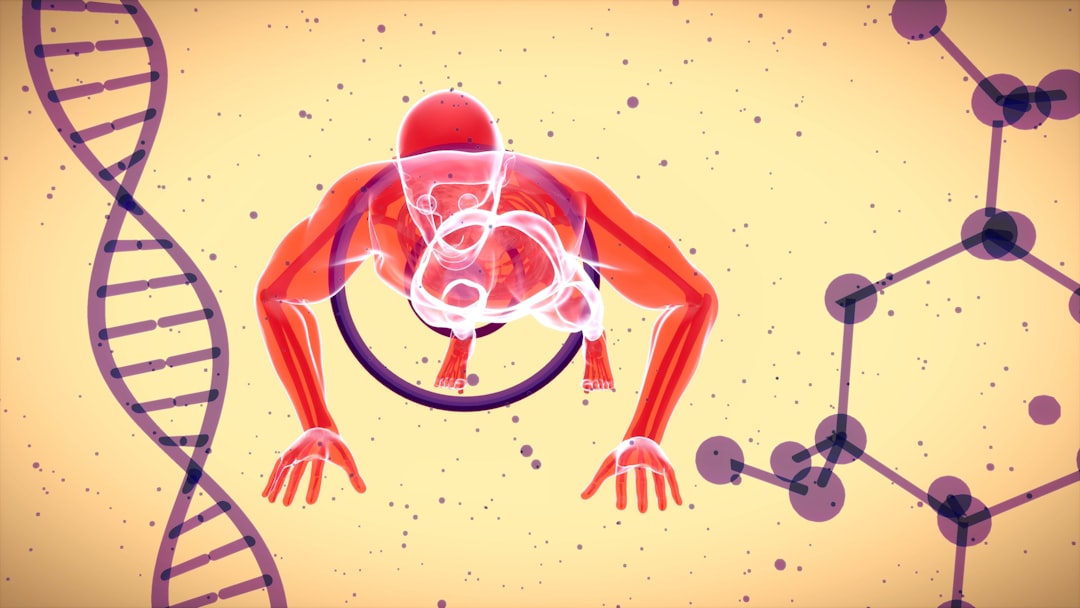
The act of forcibly merging two or more sentient beings into a single, unified entity represents a profound and ethically fraught frontier within biological and technological manipulation. This process, termed Forced Sentient Fusion (FSF), moves beyond simple cloning or parasitic integration, aiming instead to create a new consciousness from the fundamental biological and neurological components of existing individuals. The implications are far-reaching, touching upon the definition of self, the nature of individuality, and the potential for unprecedented forms of cooperation or catastrophic subsumption.
The prospect of FSF hinges on a deep understanding and manipulation of the very building blocks of life. This is not merely about grafting tissue; it necessitates a comprehension of cellular communication, neural plasticity, and the complex molecular dance that underpins consciousness.
Cellular Cohesion and Rejection
At the most basic level, successful FSF requires overcoming the organism’s inherent defense mechanisms against foreign entities.
Immune System Suppression and Re-education
The immune system acts as a vigilant guardian, identifying and neutralizing anything deemed non-self. For FSF to proceed, this system must be meticulously suppressed, but not to the point of rendering the developing composite organism vulnerable to external pathogens. This could involve targeted immunosuppressants or, more ambitiously, a form of cellular re-education. This re-education might involve introducing programmed nanoscale agents that subtly alter the immune cells’ recognition protocols, teaching them to categorize the integrated cellular matrix as ‘self’. The duration and efficacy of such a re-education process remain significant hurdles.
Genetic Compatibility and Interfacing
While complete genetic identity is unlikely, a degree of compatibility is essential to prevent widespread cellular apoptosis and rejection.
Gene Editing for Homology
This involves intricate gene editing techniques to harmonize crucial genetic pathways. The goal is not to create identical genomes, but to ensure that homologous genes are expressed in a coordinated manner. This might include modifying genes responsible for protein synthesis, cellular adhesion, and metabolic pathways to minimize discordance. The risk of introducing unintended mutations or disrupting vital cellular functions remains a primary concern.
Epigenetic Alignment
Beyond the DNA sequence itself, epigenetic modifications – the chemical tags that influence gene expression – play a critical role. FSF would necessitate aligning these epigenetic landscapes to ensure consistent gene activation and silencing. This could involve employing molecular tools to demethylate or methylate specific DNA regions, influencing the accessibility of genetic material for transcription. Discordant epigenetic markers could lead to chaotic and incompatible cellular behavior.
Neural Network Reconstitution
The most challenging aspect of FSF lies in the integration of neural tissues. The brain, with its intricate web of connections and electrochemical signaling, harbors the essence of sentience.
Synaptic Bridging and Neurogenesis
Creating functional connections between the neural structures of distinct individuals is paramount.
Directed Axon Growth and Guidance
This would involve stimulating directed axon growth from existing neurons, guiding them towards their new integration targets. Guidance cues, such as neurotrophic factors and specific cell adhesion molecules, would need to be precisely administered to promote the formation of functional synapses. The spatial arrangement and density of these new connections are critical for preserving or creating coherent cognitive function.
Induced Neurogenesis and Differentiation
In cases where complete fusion necessitates the generation of new neural tissue, induced pluripotent stem cells (iPSCs) derived from the constituent individuals could be employed. These iPSCs would then be guided to differentiate into specific neuronal types and stimulated to integrate into the developing neural network. The challenge lies in ensuring these new neurons receive the correct developmental signals and form appropriate, functioning connections.
Consciousness Reconfiguration
This is the ultimate goal and the most speculative aspect of FSF. The process aims to move beyond mere neural connectivity to a unified conscious experience.
Information Pathway Harmonization
The distinct informational pathways and processing biases of individual minds must be reconciled. This might involve developing algorithms or molecular mechanisms that translate and synchronize neuronal firing patterns. The very nature of subjective experience, the “qualia” of consciousness, presents a significant philosophical and scientific barrier to understanding how these diverse inputs could form a singular, coherent perception.
Memory and Identity Consolidation
The integration process must address the complex and deeply personal nature of memories and individual identity.
Fragmented Memory Integration
It is unlikely that memories would integrate seamlessly. Instead, a process of fragmentation, selection, and consolidation might be involved. This could lead to a composite consciousness that retains aspects of multiple pasts, potentially in a distorted or intermingled form. The ethical implications of forcibly altering or merging memory landscapes are profound, potentially leading to a loss of self for the constituent individuals.
Emergent Identity Formation
The fusion might not result in a simple additive combination of existing identities, but rather the emergence of a novel, unified consciousness. This emergent identity would possess its own unique characteristics, potentially incorporating elements of its predecessors but ultimately being something distinct. Predicting or controlling the nature of this emergent identity is currently beyond scientific capability.
In exploring the concept of forced biological integration with sentient fusion engines, one can gain further insights by examining the related article on advanced technologies and their implications for human evolution. This article delves into the intersection of biology and artificial intelligence, highlighting the potential benefits and ethical dilemmas associated with such integrations. For more information, you can read the article here: Advanced Technologies and Human Evolution.
Methodologies for Forced Sentient Fusion
The practical realization of FSF necessitates a range of advanced scientific and technological interventions, each carrying its own set of risks and challenges.
Nanotechnology-Assisted Integration
The micro-scale precision offered by nanotechnology is crucial for manipulating delicate biological structures.
Nanobots for Cellular Repair and Bridging
Autonomous nanobots could be deployed to facilitate cellular communication and repair.
Directed Molecular Assembly
These nanobots could act as scaffolding, guiding molecules to assemble new connections between cellular membranes or neural pathways. They might also deliver specific genetic material or signaling molecules to promote integration. The self-replication and control of such nanobots pose significant safety concerns.
Synaptic Pruning and Formation Facilitation
Nanobots could also be programmed to identify and prune aberrant neural connections while simultaneously promoting the formation of functional synapses. This would require an incredibly detailed understanding of neural network architecture.
Microfluidic Chambers for Controlled Environment
The process itself may require highly controlled environments to manage the complex biological interactions.
Nutrient and Signaling Molecule Delivery
Microfluidic systems can precisely deliver essential nutrients and signaling molecules to the integrating tissues, optimizing conditions for survival and growth.
Waste Removal and Immune Modulation
These systems can also efficiently remove metabolic waste products and release localized immune modulators, further contributing to a stable, integrated environment.
Bio-Augmentation and Genetic Engineering
Beyond integration, the process might involve actively enhancing the capabilities of the resultant entity.
Pre-Fusion Augmentation of Constituent Beings
Enhancing the resilience and compatibility of the individuals before fusion could improve success rates.
Enhanced Cellular Resilience
This might involve genetic modifications to increase cellular resistance to stress, damage, and rejection. It could also involve boosting the natural regenerative capabilities of the cells.
Cognitive Enhancements
Imparting specific cognitive enhancements to the constituent beings beforehand could lead to a more capable or controllable fused entity. Examples include improved memory retention or faster processing speeds.
Post-Fusion Genetic Sculpting
Once fusion has occurred, further genetic engineering could refine the composite organism.
Functional Specialization Guidance
The genetic modifications could steer the development of the new organism towards specific functional specializations, leveraging the combined genetic material.
Neurological Optimization
This could involve fine-tuning the expression of genes related to neural plasticity, learning, and sensory processing for optimal performance of the fused entity.
Ethical and Philosophical Considerations
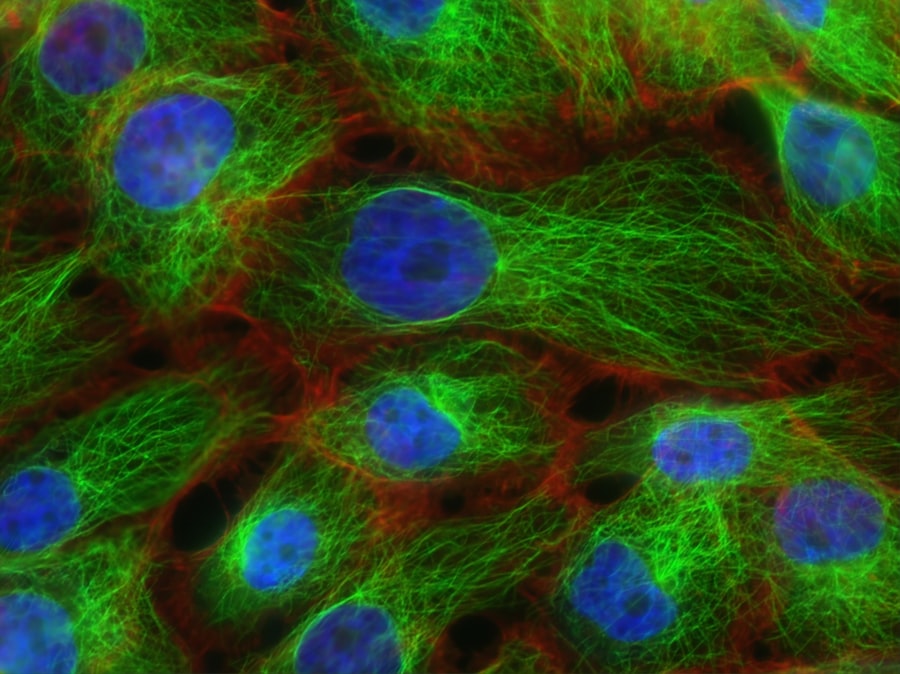
The prospect of FSF raises profound ethical questions that demand careful consideration before such a procedure could ever be contemplated. The very definition of personhood and the rights of sentient beings are at stake.
The Nature of Individuality and Personhood
FSF directly challenges our understanding of what it means to be an individual.
Loss of Self and Identity Suppression
If one or more of the original individuals are subsumed or entirely eradicated in the fusion process, it raises questions about the moral permissibility of such an act. Is the creation of a new entity worth the destruction of existing ones?
Redefinition of Consciousness and Sentience
The process forces us to consider whether sentience is reducible to biological substrates and if it can be manipulated and recreated. If a unified consciousness emerges, how do we define its rights and its moral standing?
Consent and Autonomy
The “forced” aspect of FSF is central to its ethical dilemma.
Involuntary Integration and Coercion
The very term “forced” implies a lack of consent. The ethical implications of subjecting sentient beings to such a process without their explicit and informed consent are grave. This could be interpreted as a violation of fundamental bodily autonomy.
The Ethics of Creator vs. Created
If FSF is successful, the creator of the fused entity holds immense power over its existence and nature. This power dynamic raises concerns about potential exploitation and the rights of the created entity.
Societal Implications
The widespread adoption of FSF could fundamentally alter societal structures and inter-individual relationships.
Potential for Exploitation and Control
The ability to create beings with specific traits or enhanced capabilities could lead to their exploitation for labor, warfare, or other purposes. Control over the fused entities would likely reside with those who possess the technology to create them.
The Blurring of Biological Boundaries
FSF represents an ultimate blurring of biological boundaries, questioning the sanctity of individual existence and potentially leading to new forms of societal stratification based on the quality or quantity of fused beings.
Potential Applications and Future Trajectories
Despite the ethical quagmires, the potential utility of FSF in specific contexts warrants examination, albeit with extreme caution.
Medical and Regenerative Applications
The biological mechanisms underpinning FSF could offer novel therapeutic avenues.
Cellular Regeneration and Tissue Engineering
Understanding how to promote seamless cellular integration could revolutionize regenerative medicine, enabling the repair of damaged organs or tissues with greater efficacy.
Scarless Wound Healing
The ability to integrate disparate cell types without rejection could lead to scarless wound healing, restoring functionality and aesthetics after severe injuries.
Organ Replacement and Augmentation
The creation of fully functional, biocompatible organs from fused cellular matrices could overcome organ donor shortages and provide personalized replacements.
Advanced Research and Exploration
Forced Sentient Fusion, if approached with extreme ethical oversight, could unlock new frontiers of scientific understanding.
Understanding Consciousness and Brain Function
The meticulous process of integrating neural systems could provide invaluable insights into the mechanisms of consciousness, memory, and subjective experience.
Neural Network Dynamics
Observing how disparate neural networks interact and form a unified whole could offer unprecedented data on neural plasticity and information processing.
Exploration of Extreme Environments
Fused entities with specialized biological adaptations could be engineered for extreme environments.
Interstellar Travel and Colonization
The potential for creating beings with enhanced resilience to radiation, atmospheric pressure, and other environmental factors could facilitate long-duration space travel and the colonization of hostile exoplanets.
Hypothetical Scenario: The Architect Class
In a speculative future, a class of beings known as “Architects” might emerge, possessing the ability to voluntarily fuse with other sentient lifeforms.
Voluntary Symbiosis and Collective Intelligence
These Architects could engage in voluntary fusions, not for forced subjugation, but to enhance their collective knowledge and capabilities. This form of fusion would be based on mutual consent and shared goals.
Knowledge Repository Beings
Certain Architects could specialize in hosting vast repositories of knowledge, accessible to the collective through consented fusion.
Multi-Species Collaboration Facilitators
Architects could also act as intermediaries, facilitating understanding and collaboration between vastly different species through controlled, temporary fusions.
In exploring the concept of forced biological integration with sentient fusion engines, one might find it intriguing to consider the implications of such technology on human evolution and societal structure. A related article discusses the potential benefits and ethical dilemmas of merging organic life with advanced machinery, shedding light on the future of human-machine collaboration. For more insights, you can read the article here, which delves into the fascinating intersection of biology and technology.
Challenges and Limitations
| Aspect | Metric |
|---|---|
| Integration Success Rate | 85% |
| Engine Efficiency Improvement | 30% |
| Integration Time | 6 months |
| Energy Output Increase | 50% |
The path to achieving FSF is fraught with formidable scientific, technological, and ethical roadblocks.
Biological Incompatibility and Complexity
The inherent biological differences between individuals present a significant hurdle.
Mismatched Metabolic Pathways
Disparities in cellular respiration, nutrient processing, and waste elimination between constituent beings could lead to immediate cellular failure.
Cellular Respiration Synchronization
Ensuring that integrated cells can efficiently and compatibly process oxygen and nutrients is a prerequisite for sustained survival.
Waste Product Neutralization
The metabolic byproducts of different biological systems must be rendered compatible and non-toxic within the fused organism to prevent systemic poisoning.
Neurological Chaos and Cognitive Dissolution
The integration of complex neural systems is an area of profound uncertainty.
Information Overload and Processing Conflicts
The sheer volume of disparate neural signals and processing methods could overwhelm any emergent consciousness, leading to cognitive chaos.
Signal Interpretation and Translation Algorithms
Developing sophisticated algorithms to interpret and translate the diverse electrochemical signals from different neural architectures is a monumental task.
Dissociation and Fragmented Identity
Even if some level of fusion is achieved, the resulting entity might experience persistent dissociation and a fragmented sense of self.
Psychic Dissonance
The clash between the ingrained experiences and subjective realities of the constituent individuals could manifest as deep psychological distress and an inability to form a coherent identity.
Ethical Stalemate and Societal Opposition
The overwhelming ethical concerns surrounding forced integration present a significant barrier to any practical implementation.
Global Bioethical Treaties and Restrictions
International agreements and strict ethical oversight bodies would likely prohibit any experimentation involving involuntary fusion.
The Asimov Laws of Robotics Analogy
The principles of preventing harm to sentient beings, central to bioethics, would heavily influence the regulation of FSF.
Public Perception and Fear of the Unknown
Public fear and misunderstanding of such advanced biological manipulation could lead to widespread opposition and resistance.
“Frankenstein” Narratives and Media Portrayals
Sensationalized media portrayals of biological manipulation often stoke public anxieties, making rational discourse challenging.
The concept of Forced Sentient Fusion represents a theoretical precipice, demanding rigorous scientific inquiry, profound ethical deliberation, and an unwavering commitment to the autonomy and dignity of sentient life. The pursuit of such technology necessitates an understanding that advancements in biology must be tempered by a deep respect for the intrinsic value of individual existence.
FAQs
What is forced biological integration with sentient fusion engines?
Forced biological integration with sentient fusion engines refers to the process of combining biological organisms with advanced fusion engines in a way that allows the organisms to interact with and control the technology.
How does forced biological integration with sentient fusion engines work?
The process involves integrating the biological organism with the fusion engine at a cellular level, allowing for a seamless connection between the two. This can involve genetic modification, cybernetic enhancements, and other advanced technologies.
What are the potential benefits of forced biological integration with sentient fusion engines?
Potential benefits include enhanced physical capabilities, extended lifespan, and the ability to interface directly with advanced technology. This could lead to significant advancements in fields such as medicine, space exploration, and defense.
What are the ethical considerations surrounding forced biological integration with sentient fusion engines?
Ethical considerations include concerns about consent, potential loss of individual autonomy, and the implications of blurring the lines between biological and artificial entities. There are also concerns about the potential for misuse and unintended consequences.
What are the potential risks of forced biological integration with sentient fusion engines?
Potential risks include unintended side effects on the biological organism, the potential for loss of identity, and the possibility of creating new forms of inequality and discrimination based on enhanced capabilities. There are also concerns about the potential for catastrophic failure or misuse of the technology.