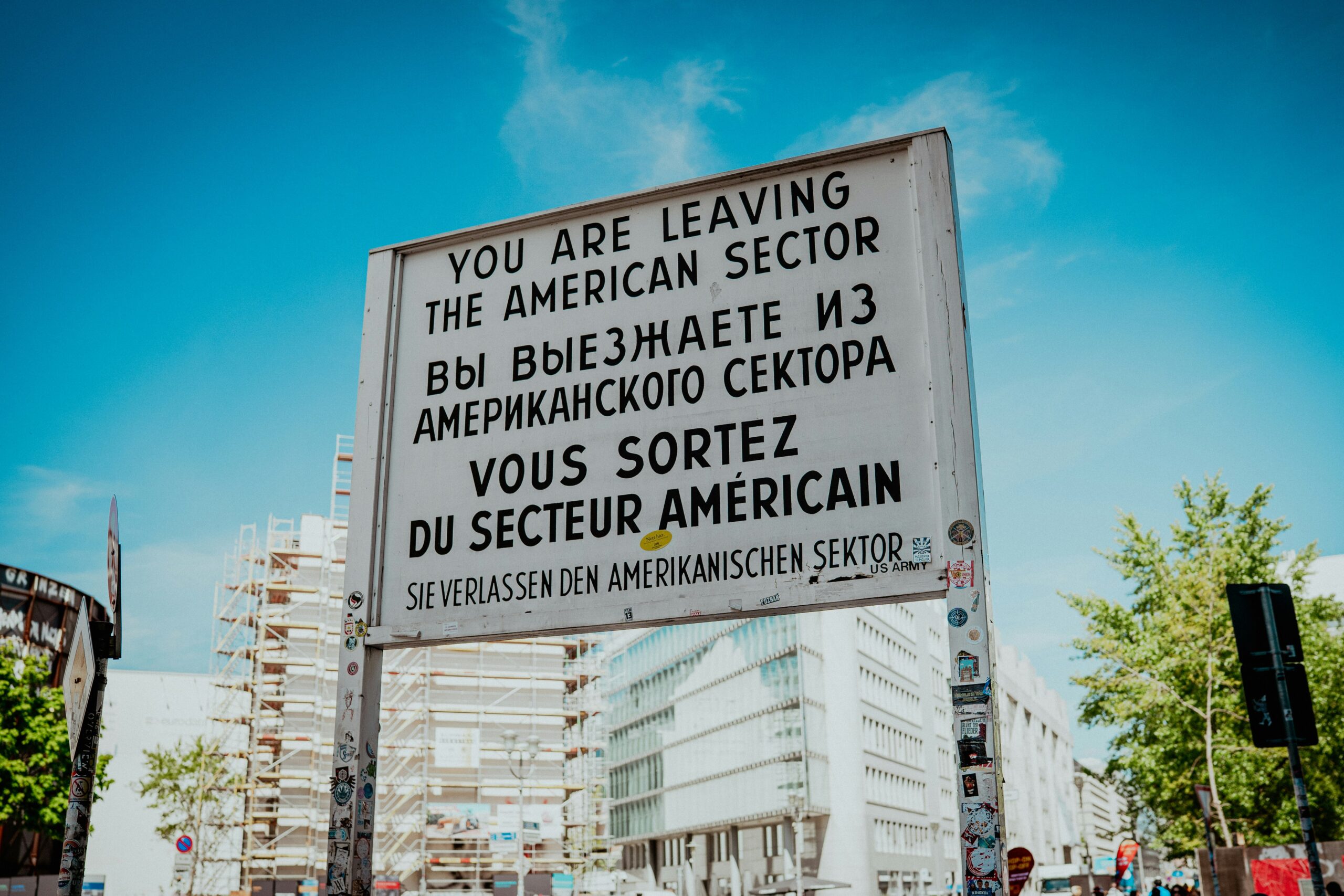
The shadows of the Cold War, a period defined by ideological struggle and proxy conflicts, have long been the subject of historical scrutiny. Yet, beneath the well-trodden narratives of superpower brinkmanship lie numerous untold stories, clandestine operations, and forgotten figures whose contributions, or missteps, profoundly shaped the course of history. “Classified Cold War: Untold History” seeks to illuminate these obscured corners, drawing back the curtain on intelligence coups, technological races shrouded in secrecy, and the human cost of a world teetering on the precipice of annihilation. This exploration delves beyond the familiar headlines to uncover the nuanced realities of a conflict that was as much about whispers in dimly lit rooms as it was about mushroom clouds.
The Cold War was fundamentally an intelligence war, fought in the shadows by men and women whose bravery and ruthlessness were rarely acknowledged. Beyond the glamorous portrayals in fiction, the reality of espionage was a gritty, often thankless, endeavor, fraught with danger and moral ambiguity. The constant, gnawing suspicion that the enemy was always a step ahead fueled an insatiable demand for information, driving both sides to extraordinary lengths.
The Art of the Double Agent
The intricate dance of the double agent was a cornerstone of Cold War intelligence. These were individuals who, for a myriad of reasons – ideology, financial gain, coercion, or even a twisted sense of patriotism – played a dangerous game, feeding information to one side while appearing loyal to another. The discovery, or even the suspicion, of a double agent could have catastrophic consequences, leading to compromised operations, severed intelligence networks, and the deaths of loyal operatives. “Classified Cold War: Untold History” would delve into some of the most audacious and successful double-agent operations, examining the psychological profiles, the recruitment strategies, and the ultimate fates of these pivotal figures. Were they heroes, villains, or simply pawns in a larger game? The archival evidence often paints a complex, and sometimes heartbreaking, portrait. The case of Kim Philby, the infamous British intelligence officer who served as a Soviet mole for decades, is a prime example of the devastating impact such betrayals could have, undermining decades of Western intelligence efforts. Understanding the motivations behind defection and betrayal is crucial to grasping the full spectrum of Cold War espionage.
Technological Arms Race: Beyond Nuclear Weapons
While the nuclear arms race dominated headlines, the Cold War also saw an equally intense, and often less understood, technological competition. The drive to gain an edge in satellites, reconnaissance aircraft, submarines, and electronic warfare was relentless. These were battles fought not with bullets, but with ingenuity and innovation, often in secret laboratories and proving grounds.
The Stealth of the Skies: Reconnaissance and Surveillance
The skies above the Iron Curtain were a constant battleground, albeit an invisible one. The development of sophisticated reconnaissance aircraft, from the iconic U-2 to the later, more elusive SR-71 Blackbird, was a testament to the desperate need for a clear picture of Soviet military capabilities. These missions were incredibly dangerous, pushing the boundaries of human endurance and aviation technology. The shootdown of Gary Powers in 1960 was a stark reminder of the risks involved, but it also spurred further innovation in stealth technology and counter-intelligence measures. “Classified Cold War: Untold History” would explore the untold stories of the pilots who flew these high-risk missions, the engineers who designed the groundbreaking aircraft, and the analysts who painstakingly pieced together photographic and electronic intelligence, often working under immense pressure. The advancements made during this period laid the groundwork for much of today’s modern surveillance technology, from drones to satellite imaging.
The Subterranean Struggle: Undersea Warfare
Beneath the waves, a silent war was waged. The development of advanced submarines, both nuclear-powered and conventionally armed, became a critical element of the strategic balance. The ability to launch devastating attacks from the deep, undetected, was a constant fear and a primary objective for both superpowers. Innovations in sonar, silent propulsion systems, and underwater weaponry were driven by this unseen arms race. Declassified documents would reveal the cat-and-mouse games played between NATO and Soviet submarines in the frigid waters of the Arctic and the Atlantic, the near misses, and the occasional, hushed-up, encounters. The book would shine a light on the submariners themselves, the claustrophobic existence, and the immense responsibility they carried.
For those interested in delving deeper into the intricacies of Classified Cold War history, a compelling article can be found at this link: Classified Cold War Insights. This article explores the covert operations and secretive strategies employed during the Cold War, shedding light on previously undisclosed documents and testimonies that reveal the complexities of this tense period in global history.
The Human Element: Lives Behind the Iron Curtain
The Cold War was not just a geopolitical struggle; it was a human tragedy playing out on a global scale. Millions lived under oppressive regimes, their freedoms curtailed, their futures dictated by the machims of state control. Yet, even in the darkest of times, the human spirit found ways to resist, to dissent, and to yearn for a better future.
The Thaw and the Iron Fist: Crushing Dissent
The periods of “thaw” offered glimmers of hope for greater freedom and liberalization within the Soviet bloc. However, these moments were often brutally curtailed by the iron fist of Soviet control. The crushing of the Hungarian Uprising in 1956 and the Prague Spring in 1968 serve as stark reminders of the Soviet Union’s unwavering determination to maintain its sphere of influence by force. “Classified Cold War: Untold History” would explore the personal stories of those who dared to speak out, the clandestine networks that supported them, and the immense courage it took to challenge a totalitarian state. The testimonies of dissidents, smuggled out of the USSR, provided the West with invaluable insights into the realities of life behind the Iron Curtain and fueled the ideological battle.
The Gulag’s Shadow: Forgotten Victims
The Gulag system, a vast network of forced labor camps, remains one of the most horrific legacies of the Soviet Union. While its existence was known, the true scale of suffering and the sheer number of victims were often downplayed or concealed by Soviet propaganda. Declassified records and personal accounts would bring to light the stories of ordinary citizens, intellectuals, and political prisoners who endured unimaginable hardship, starvation, and death in these brutal facilities. The book would aim to give a voice to those whose lives were extinguished in the Gulag, ensuring their suffering is not forgotten and serves as a potent warning against the dangers of unchecked state power. The human cost of political repression, captured in the diaries and letters of Gulag survivors, provides a visceral understanding of the era.
The Defection Dilemma: Seeking Freedom
Defection from behind the Iron Curtain was a perilous undertaking, fraught with danger. Yet, the allure of freedom, the promise of a life without surveillance and repression, drove many to attempt the impossible. From artists and scientists to ordinary citizens, the desire for self-determination led to numerous dramatic escapes, often involving elaborate planning, daring risks, and the bravery of those who aided them.
Crossing the Divide: Daring Escapes
“Classified Cold War: Untold History” would recount some of the most astonishing and successful defection stories, detailing the methods used, the networks that facilitated them, and the profound impact these individuals had upon their arrival in the West. These stories are not merely tales of personal escape; they are narratives of courage, resilience, and the enduring human longing for liberty. The narratives of those who managed to flee across the Berlin Wall, through clandestine tunnels, or by daring sea voyages would be central to this exploration. The psychological impact of leaving everything behind, and the challenges of reintegrating into a foreign society, would also be integral.
The Proxy Battlegrounds: Conflicts Beyond the Superpowers
While the United States and the Soviet Union never directly engaged in combat, their ideological struggle played out in proxy wars and conflicts across the globe. These wars, often fueled by superpower intervention and support for opposing factions, brought immense suffering to the nations involved, leaving behind legacies of division, instability, and unresolved grievances.
The Scars of Vietnam: A Nation Divided
The Vietnam War remains one of the most deeply divisive and traumatic conflicts of the Cold War. The ideological battleground in Southeast Asia became a stark example of the unintended consequences of superpower intervention, the brutal realities of guerrilla warfare, and the profound societal divisions that such conflicts could create. “Classified Cold War: Untold History” would move beyond the well-documented military aspects to explore the human cost experienced by Vietnamese civilians, the complex motivations of those on both sides of the conflict, and the long-term ramifications for the nation.
The Domino Theory’s Shadow: Fear and Miscalculation
The “Domino Theory’s” influence on American foreign policy during the Cold War is a critical, and often misunderstood, element. The fear that the fall of one nation to communism would lead to the collapse of others in a chain reaction, drove significant military and political interventions. This book would examine the origins of this theory, the intelligence that informed it, and the devastating miscalculations it led to, particularly in Southeast Asia. The voices of strategists, policymakers, and ordinary citizens grappling with the implications of this doctrine would be central to understanding its pervasive impact.
The Afghan Quagmire: A Legacy of Conflict
The Soviet invasion of Afghanistan in 1979, and the subsequent proxy war that ensued, had far-reaching and devastating consequences. The decade-long conflict not only crippled the Soviet military and contributed to its eventual collapse, but it also plunged Afghanistan into years of civil war and instability, providing fertile ground for the rise of extremist ideologies. “Classified Cold War: Untold History” would delve into the untold stories of the Afghan people caught in the crossfire, the mujahideen fighters who received covert American support, and the intelligence operations that shaped the course of the conflict. The unintended consequences of superpower meddling in regional conflicts would be a key theme.
Unintended Consequences: The Rise of Extremism
The covert support provided by the United States and other nations to the Afghan mujahideen during the Soviet occupation, while intended to counter Soviet influence, inadvertently contributed to the rise of radical Islamist groups. This chapter would explore the complex and often paradoxical outcomes of these interventions, highlighting how the fight against one perceived threat could, in fact, sow the seeds of future challenges. The long-term implications of arming and supporting disparate factions in a volatile region would be a significant point of analysis.
The End of an Era: The Unraveling of the Soviet Union
The collapse of the Soviet Union in 1991 was a seismic event that marked the end of the Cold War and ushered in a new global order. Yet, the internal dynamics and the complex interplay of factors that led to its disintegration are often oversimplified. “Classified Cold War: Untold History” would explore the less-discussed elements that contributed to the Soviet Union’s demise, moving beyond the standard narratives of economic hardship and Gorbachev’s reforms.
The Cracks Within: Internal Pressures and Dissatisfaction
While external pressures from the West played a role, the seeds of Soviet decline were largely sown from within. Decades of political repression, economic stagnation, and growing popular dissatisfaction created deep fissures within the Soviet system. This section would examine the burgeoning internal opposition, the influential dissident movements, and the intellectual currents that challenged the legitimacy of the Communist Party. The internal dissent, often suppressed and overlooked by Western observers, played a crucial role in the eventual unraveling.
The Baltic States’ Struggle for Independence
The Baltic states – Estonia, Latvia, and Lithuania – played a crucial and often overlooked role in the final years of the Soviet Union. Their persistent struggle for independence, fueled by centuries of occupation and a strong national identity, became a potent symbol of resistance and inspiration for other Soviet republics. “Classified Cold War: Untold History” would highlight the clandestine activism, the peaceful protests, and the international lobbying efforts that ultimately led to their liberation, demonstrating how agency from below could contribute to seismic geopolitical shifts.
The Economic Strain: A System in Decline
The Soviet economy, once a symbol of its strength, became a major liability in its final decades. The inherent inefficiencies of a centrally planned economy, coupled with the burden of immense military spending and an inability to keep pace with Western technological advancements, led to widespread shortages and a declining standard of living. This chapter would delve into the specific economic challenges, including the impact of the arms race on civilian consumption, and the black market economy that thrived in the shadows, illustrating how economic pressures corroded the foundations of the Soviet state.
For those interested in the intricate details of classified Cold War history, a fascinating article can be found at XFile Findings, which delves into the covert operations and espionage tactics employed during this tense period. This resource offers a comprehensive look at the hidden narratives that shaped international relations and the geopolitical landscape of the time. Exploring such articles can provide valuable insights into the complexities of Cold War dynamics and the secrets that were kept from the public eye.
Legacy and Lessons: What the Untold Histories Reveal
| Event | Date | Location | Significance |
|---|---|---|---|
| Berlin Airlift | 1948-1949 | Berlin, Germany | Response to Soviet blockade, symbol of Western commitment to containment |
| Cuban Missile Crisis | 1962 | Cuba | Closest the world came to nuclear war, led to improved communication between US and USSR |
| U-2 Incident | 1960 | Soviet Union | Heightened tensions, led to cancellation of Eisenhower-Khrushchev summit |
The tapestry of the Cold War is woven with threads of both triumph and tragedy, of remarkable achievements and profound failures. By uncovering the classified histories, we gain a more nuanced understanding of the forces that shaped our world and the enduring lessons that remain relevant today.
The Shadow of Secrecy: The Cost of Covert Operations
The Cold War was characterized by an unprecedented level of secrecy, with intelligence agencies operating with significant autonomy and often with little public oversight. While these covert operations were sometimes successful in achieving their objectives, they also led to morally questionable actions, unintended consequences, and a erosion of public trust. This section would reflect on the ethical dilemmas inherent in covert warfare and the importance of transparency and accountability in foreign policy. The long-term impact of clandestine operations on international relations and the lives of those caught in their wake would be a central theme.
The Unseen Price: Human Cost of Secrecy
Beyond the geopolitical implications, the pursuit of clandestine objectives often came at a significant human cost. The sacrifices of intelligence operatives, the collateral damage to civilian populations caught in the crossfire of proxy wars, and the psychological toll on individuals involved in morally ambiguous operations would be explored. This would serve as a reminder that behind every classified file and every declassified document, there are human stories of courage, fear, and resilience.
Echoes in the Present: Relevance for Today’s World
The lessons learned from the Cold War, particularly its hidden narratives, offer crucial insights into contemporary global challenges. Understanding the dynamics of ideological conflict, the dangers of unchecked power, and the unintended consequences of foreign intervention remains vital in navigating the complexities of the 21st century. “Classified Cold War: Untold History” aims to illuminate these connections, reminding us that while the Cold War may have ended, its echoes continue to resonate, shaping the geopolitical landscape and the human experience in ways that are still being understood. The book would encourage readers to draw parallels with current international relations, the resurgence of great power competition, and the ongoing debates surrounding intelligence oversight and the ethics of warfare.

Why Manhattan Project Scientists Couldn’t Explain the Green Fireballs
FAQs
What is Classified Cold War history?
Classified Cold War history refers to the secret and confidential information, events, and operations that took place during the Cold War era, which lasted from 1947 to 1991. This includes classified documents, espionage activities, covert operations, and other sensitive information related to the geopolitical tensions between the United States and the Soviet Union.
Why is Classified Cold War history important?
Classified Cold War history is important because it provides valuable insights into the strategies, tactics, and decision-making processes of the major powers during the Cold War. Understanding this classified history can help researchers, historians, and policymakers gain a more comprehensive understanding of the dynamics that shaped the Cold War era and its impact on global politics.
How is Classified Cold War history declassified?
Classified Cold War history is declassified through a formal process governed by government agencies, such as the Central Intelligence Agency (CIA) and the National Archives and Records Administration (NARA). Declassification typically involves reviewing and releasing classified documents and information that are no longer considered sensitive or relevant to national security.
What are some examples of Classified Cold War history?
Examples of Classified Cold War history include covert operations such as the CIA’s involvement in overthrowing foreign governments, espionage activities conducted by intelligence agencies, classified military strategies and technologies, and diplomatic negotiations that were kept secret at the time.
How does Classified Cold War history impact current events?
Classified Cold War history continues to impact current events by shaping geopolitical relationships, influencing national security policies, and providing historical context for contemporary international conflicts. Understanding the classified history of the Cold War can help policymakers and analysts make informed decisions about present-day challenges and threats.