The vast, ochre expanse of Mars, often perceived as a silent and serene world, is in reality a place of dynamic and often violent atmospheric phenomena. Among these, the planet-encircling dust storms stand out as the most dramatic, capable of obscuring entire continents and fundamentally altering the Martian climate. For decades, scientists have sought to understand the genesis, evolution, and impact of these colossal tempests, not just for the sake of unraveling Martian meteorological mysteries, but also for their implications for future human exploration. Recent advancements in remote sensing and data analysis have provided an unprecedented glimpse into these turbulent events, allowing us to witness Mars’s atmosphere in a state of profound upheaval.
Martian dust storms are not mere terrestrial dust devils writ large. They are gargantuan atmospheric events, some of which can engulf the entire planet, reducing solar insolation to a fraction of its normal levels. These storms are primarily driven by thermal contrasts in the atmosphere, exacerbated by the fine, iron-oxide-rich dust that pervades the Martian surface. While smaller, localized dust devils are a common sight, their scaled-up counterparts, the regional and global dust storms, represent a more complex interplay of atmospheric dynamics. Understanding their triggers, growth mechanisms, and eventual dissipation is crucial for comprehending Mars’s present and past climate.
The Anatomy of a Martian Dust Storm
Origins and Triggers
The genesis of Martian dust storms is a complex topic that continues to be refined by ongoing research. While the exact trigger mechanisms are still debated, several key factors are understood to play a significant role. Surface heating, driven by solar radiation, creates temperature gradients in the Martian atmosphere. These gradients can lead to the formation of low-pressure systems. As warm air rises and cool air sinks, winds are generated. When these winds are strong enough to lift the fine, electrostatic dust particles that cover much of the Martian surface, the process of a dust storm begins.
The Role of Thermal Tides
One significant contributor to atmospheric circulation on Mars is the thermal tide. This is a global atmospheric wave, similar to Earth’s tides, but driven by the absorption of solar radiation by the Martian surface and atmosphere. As different regions of the planet heat up and cool down throughout the Martian sol (day), this creates pressure differences that drive atmospheric circulation. These large-scale circulations can contribute to the development of the initial convective cells that lift dust.
Localized Heating and Convection
Beyond the global thermal tides, localized heating of the surface plays a crucial role. Areas with dark, heat-absorbing regolith can experience rapid and intense heating during the day. This can lead to the formation of strong updrafts and localized convective cells. If these cells are sufficiently powerful and the surface dust is readily available and electrostatically charged, they can initiate the lifting of dust into the atmosphere.
Orographic Effects and Topography
The varied Martian topography also influences the formation and intensity of dust storms. Mountain ranges and large geological features can channel winds, create lee waves, and alter atmospheric pressure patterns. In regions with steep elevation changes, such as the slopes of volcanoes like Olympus Mons, or within the vast canyons of Valles Marineris, localized thermal effects and wind patterns can become amplified, potentially acting as nurseries for dust storms.
The Dust-Atmosphere Feedback Loop
Once dust is lifted into the atmosphere, a critical feedback loop is established that can amplify the storm’s intensity. Dust particles absorb solar radiation, causing the surrounding atmosphere to heat up. This heating leads to increased atmospheric instability, stronger updrafts, and consequently, the lifting of even more dust. This self-sustaining cycle is a hallmark of powerful Martian dust storms. The dust also scatters and absorbs sunlight, reducing the amount of solar energy reaching the surface, which in turn can lead to localized cooling and changes in wind patterns.
Recent advancements in remote viewing techniques have shed light on the mysterious phenomena of Mars dust storms, as detailed in a related article on the subject. These storms, which can envelop the entire planet and last for weeks, have intrigued scientists and enthusiasts alike. For a deeper exploration into the implications of remote viewing in understanding Martian weather patterns, you can read more in the article found here: Mars Dust Storm Remote Viewing Insights.
Remote Viewing: Our Eyes on the Martian Sky
The ability to “remote view” Martian dust storms refers to the techniques and technologies that allow scientists on Earth to observe and analyze these events from afar. This involves a sophisticated network of orbiting spacecraft, landers, and rovers, each contributing a unique perspective and dataset. By analyzing data from these diverse sources, scientists can piece together a comprehensive picture of a dust storm’s life cycle.
Orbital Reconnaissance: The High-Altitude Perspective
Spacecraft in orbit around Mars are the primary observers of global and regional dust storms. Their vantage point allows them to track the movement and expansion of these colossal events across vast distances. Instruments on board these orbiters measure various atmospheric parameters, providing the foundational data for understanding the storm’s overall behavior.
Spectroscopic Analysis of Dust Composition
One of the key capabilities of orbital missions is the ability to perform spectroscopic analysis. By analyzing the light reflected and emitted by the Martian atmosphere, scientists can determine the composition of the dust particles. This helps identify the mineralogy of the dust, which can provide clues about its origin and how it was lifted. For instance, the characteristic reddish hue of Mars is due to iron oxides in the dust, but spectroscopic analysis can reveal the presence of other minerals and their distribution.
Thermal Imaging of Atmospheric Heating
Infrared sensors on orbiters are crucial for thermal imaging. Dust particles absorb sunlight, leading to localized heating of the atmosphere. Thermal imaging allows scientists to map these hot spots, identifying areas of intense atmospheric activity and potential storm development. These thermal maps are essential for understanding the energy dynamics within a dust storm.
Tracking Dust Plumes and Aerosol Distribution
High-resolution cameras on orbiting spacecraft can directly image the vast plumes of dust lifted into the atmosphere. By tracking the movement of these plumes over time, scientists can map wind patterns and understand the scale and direction of the storm. Aerosol mapping provides insights into the vertical distribution of dust within the atmosphere, which is important for understanding how it interacts with sunlight and influences atmospheric temperature.
Surface-Based Observations: Ground Truth from Rovers and Landers
While orbiters provide the broad overview, landers and rovers on the Martian surface offer invaluable ground-truth data. These missions can directly measure atmospheric conditions at their landing sites and observe the local impact of dust storms. Their close-up perspective complements the orbital observations, providing crucial details about the storm’s immediate effects.
Atmospheric Pressure and Wind Speed Measurements
Rovers and landers are equipped with weather stations that continuously monitor atmospheric pressure and wind speed. During a dust storm, these readings can show dramatic fluctuations. Rapid drops in pressure can indicate the approach of a storm, while increased wind speeds are a direct consequence of the atmospheric disturbances. These measurements are vital for validating atmospheric models.
Visibility and Light Levels
The impact of dust storms on surface visibility is profound. Rovers equipped with cameras can document the dramatic reduction in visibility as dust levels increase. Changes in ambient light levels are also recorded, which is critical for understanding the reduction in solar power available to the rovers themselves and any future human habitats.
Dust Accumulation and Settling
As dust storms subside, dust particles eventually settle back onto the Martian surface. Rovers can observe and measure the thickness and characteristics of this deposited dust. This information is crucial for understanding the geological impact of dust storms and how they contribute to the ongoing erosion and resurfacing of Mars.
The Dynamics of a Dust Storm’s Evolution
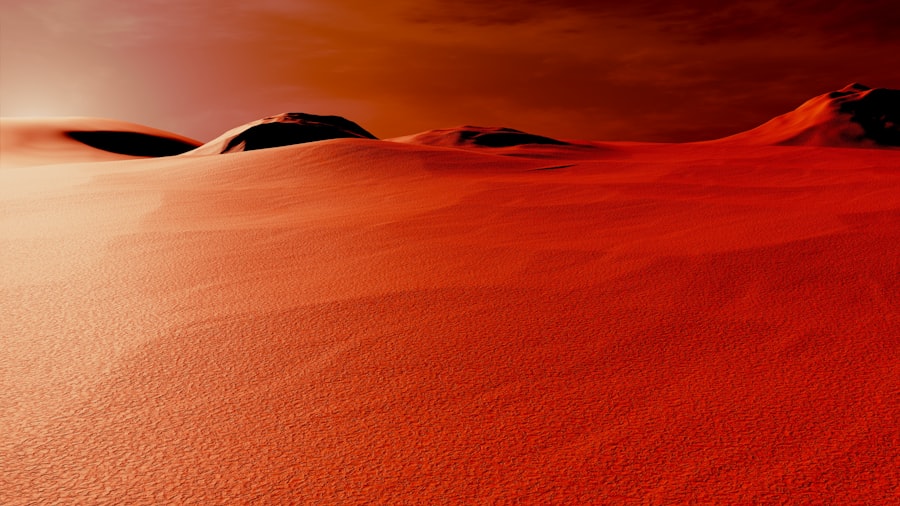
A Martian dust storm is not a static event; it is a dynamic phenomenon that evolves over time, from its nascent beginnings to its eventual dissipation. Understanding this evolution is key to predicting their behavior and mitigating their impact.
Initiation: The Spark of a Storm
The initiation phase is characterized by the initial lifting of dust into the atmosphere. This can be triggered by localized events, such as strong convective updrafts or the passage of weather systems. The electrostatic properties of the Martian dust play a significant role here; the fine particles can easily become charged, aiding in their suspension in the atmosphere.
Convective Cells and Dust Devils
The earliest stages of dust storm development can often be traced back to the formation of strong convective cells. These are columns of rising warm air that can reach significant altitudes. In certain conditions, these convective cells can coalesce and amplify, leading to the formation of larger dust devils which can then merge and grow into more significant dust storms.
Interaction with Planetary Waves
Larger-scale atmospheric phenomena, such as planetary waves, can also influence the initiation of dust storms. These waves are disturbances in the atmospheric circulation that propagate around the planet. Their interaction with local weather patterns can create conditions conducive to dust lifting.
Growth and Intensification: The Feedback Loop Takes Hold
Once initiated, dust storms can rapidly grow in size and intensity due to the dust-atmosphere feedback loop. As more dust is lifted, the atmosphere heats up, leading to stronger winds and further dust lifting. This positive feedback mechanism is what allows dust storms to escalate from local events to regional or even global phenomena.
The Role of Water Ice Clouds
Water ice clouds play a more complex role in dust storm intensification. While they can have a cooling effect by reflecting sunlight, they can also form at altitudes where they interact with dust, potentially influencing atmospheric stability and circulation patterns in ways that can either dampen or amplify a storm.
Momentum Transfer and Wind Patterns
As the dust storm grows, it significantly alters atmospheric momentum transfer. The increased dust load and associated heating can create new wind patterns and amplify existing ones, driving the storm’s expansion and intensification.
Maturity and Plateau: The Peak of the Tempest
At its mature stage, a dust storm can cover vast areas of the Martian surface, sometimes encompassing an entire hemisphere. During this phase, the storm may reach a relative plateau in terms of its intensity and coverage, though it remains a powerful and disruptive force. Solar energy reaching the surface is significantly reduced.
Global Dust Loading
During a mature global dust storm, the entire Martian atmosphere becomes laden with fine dust particles. This significantly alters the planet’s radiative balance, with the dust absorbing and scattering incoming solar radiation.
Reduced Solar Insolation
The most significant impact on the Martian surface during a mature dust storm is the dramatic reduction in solar insolation. This can lead to a substantial drop in surface temperatures and a decrease in the amount of energy available for solar-powered systems, such as those used by rovers and future human habitats.
Dissipation: The Calm After the Storm
Eventually, dust storms begin to dissipate. This can be due to several factors, including changes in solar insolation (e.g., the onset of Martian winter), shifts in atmospheric circulation patterns, or the depletion of available dust. As the storm weakens, dust particles begin to settle back onto the surface.
Seasonal Cycles and Solar Angle
Seasonal changes on Mars play a significant role in dust storm dissipation. As the angle of the sun changes with the seasons, the amount of solar energy reaching the surface fluctuates, influencing atmospheric temperature gradients and wind patterns, which can lead to the weakening of a storm.
Atmospheric Mixing and Stratification
As a storm dissipates, atmospheric mixing patterns can change. The stable stratification of the atmosphere, which can be disrupted by a storm, begins to reassert itself, leading to the settling of dust particles.
Impact on the Martian Environment and Exploration
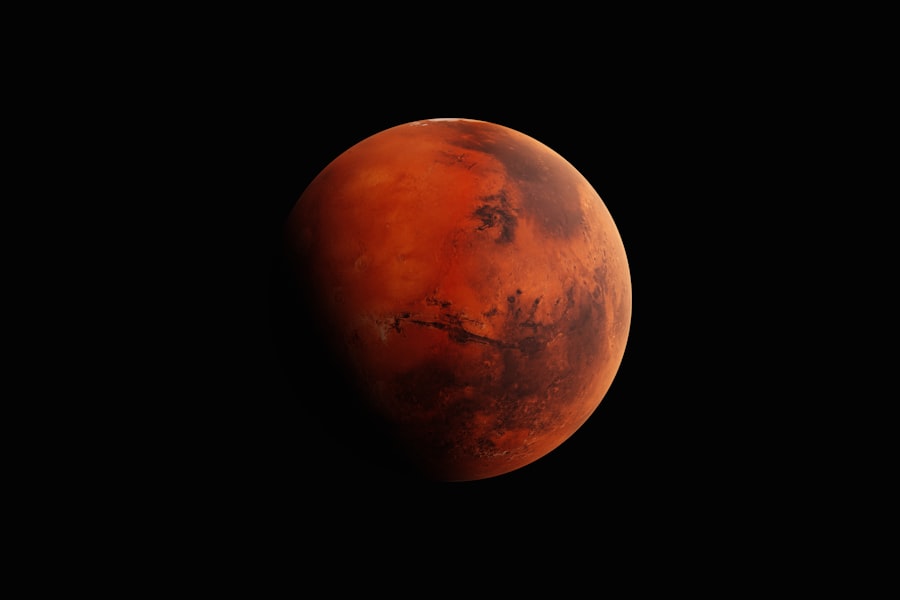
Martian dust storms have profound implications for the planet’s environment and pose significant challenges for human exploration. Understanding these impacts is crucial for planning future missions and for interpreting the geological history of Mars.
Surface and Atmospheric Changes
Dust storms are powerful agents of erosion and resurfacing on Mars. They can sculpt the landscape, transport dust over vast distances, and deposit layers of fine material. The altered atmospheric conditions during a storm can also influence chemical reactions occurring in the atmosphere and on the surface.
Erosion and Deposition
The abrasive action of wind-blown dust can erode rock formations, creating distinctive geological features. The deposition of dust can bury existing features and create new sedimentary layers, contributing to the ongoing geological evolution of the planet.
Chemical Alterations
The presence of abundant dust in the atmosphere can influence atmospheric chemistry. Dust particles can act as surfaces for chemical reactions, and their interaction with sunlight can drive photochemical processes, leading to the formation of new compounds.
Challenges for Robotic and Human Missions
Dust storms present formidable challenges for both robotic and future human explorers. The reduced solar insolation impacts power generation for solar-powered rovers and landers, and can significantly reduce the operational time of these missions. For humans, dust poses risks to equipment, health, and the integrity of habitats.
Power Generation and Operational Limitations
For solar-powered missions, dust storms can be mission-critical events. The thick dust clouds can reduce the amount of sunlight reaching solar panels to near zero, forcing missions into a low-power or hibernation state. This can lead to lost science opportunities and extend mission timelines.
Equipment Degradation and Contamination
The fine Martian dust is abrasive and can get into sensitive equipment, causing wear and tear and potential malfunctions. For human missions, dust contamination poses risks to respiratory health, can degrade seals and moving parts, and may even damage sensitive electronics.
Habitat Integrity and Safety
Human habitats on Mars would need to be designed to withstand the abrasive effects of dust and to prevent its ingress. Dust storms would necessitate measures to ensure the integrity of habitats and the safety of their occupants, potentially requiring extended periods indoors.
Recent studies on Mars have shed light on the phenomenon of dust storms, which can significantly impact the planet’s atmosphere and surface conditions. For those interested in exploring this topic further, a related article discusses the implications of remote viewing techniques in understanding these storms and their effects on Martian exploration. You can read more about it in this insightful piece on Mars dust storms. This research not only enhances our knowledge of Martian weather patterns but also informs future missions to the Red Planet.
Future Directions in Dust Storm Research
| Metrics | Data |
|---|---|
| Start Date | May 30, 2018 |
| End Date | July 20, 2018 |
| Duration | 52 days |
| Peak Dust Opacity | 10.8 tau |
| Effects | Reduced solar power for Opportunity rover |
The ongoing study of Martian dust storms is a vibrant field, with new discoveries being made as technology advances and our understanding deepens. Future research will focus on refining predictive models, understanding the role of dust in climate evolution, and developing strategies to mitigate the challenges they pose for exploration.
Advanced Modeling and Prediction
Scientists are continuously improving atmospheric models of Mars to better predict the onset, intensity, and duration of dust storms. This involves incorporating more detailed data from orbiters and rovers, as well as improving our understanding of the fundamental physics governing atmospheric processes on Mars.
Machine Learning and Artificial Intelligence
The application of machine learning and artificial intelligence techniques is showing great promise in analyzing the vast datasets generated by Martian missions. These tools can help identify patterns and correlations that might be missed by traditional methods, leading to more accurate predictions.
Integrated Climate Models
Developing integrated climate models that can simulate the long-term evolution of the Martian atmosphere, including the role of dust storms, is a key goal. This will help us understand how Mars has transitioned from a potentially warmer, wetter planet to the cold, arid world it is today.
The Dust-Climate Connection
The long-term impact of dust storms on the Martian climate is a critical area of investigation. Understanding how dust cycles have influenced the planet’s atmospheric composition and temperature over geological timescales is essential for understanding Mars’s past habitability and its potential for future life.
Past Habitability and Climate Evolution
Dust storms may have played a significant role in shaping Mars’s climate history. Understanding their frequency and intensity in the past could shed light on whether Mars once harbored conditions more favorable to life.
Potential for Terraforming
The role of dust in the Martian atmosphere is also relevant to discussions about potential terraforming of the planet. Understanding how dust influences atmospheric temperature and composition could inform strategies for modifying the Martian environment.
Mitigating Dust Storm Impacts for Exploration
Developing effective strategies to mitigate the impacts of dust storms on future human missions is a paramount concern. This includes designing resilient equipment, developing dust-repellent materials, and establishing robust operational protocols.
Dust Mitigation Technologies
Research into dust mitigation technologies, such as advanced filtration systems, electrostatic dust removal, and dust-resistant coatings for equipment, is crucial for enabling long-term human presence on Mars.
Operational Strategies and Contingency Planning
Developing operational strategies that account for the potential impacts of dust storms is essential. This includes planning for periods of reduced solar power, developing contingency plans for equipment failures, and ensuring the safety and well-being of astronauts during storm events.
The silent roar of a Martian dust storm, though visually awe-inspiring from afar, represents a complex and powerful atmospheric force. Through the persistent efforts of remote viewing and data analysis, humanity is slowly but surely unraveling the mysteries of these colossal tempests, paving the way for a deeper understanding of the Red Planet and the future of our presence among the stars.

The CIA Asked a Man to Look at Mars 1 Million Years Ago
FAQs
What is remote viewing?
Remote viewing is the practice of seeking impressions about a distant or unseen target, purportedly using extrasensory perception (ESP) or “sensing” with the mind.
What is a dust storm on Mars?
A dust storm on Mars is a planet-wide event where the entire surface of the planet is engulfed in dust, reducing visibility and affecting the planet’s climate.
What is the significance of a dust storm on Mars?
Dust storms on Mars can have a significant impact on the planet’s atmosphere and climate, as well as on the operations of spacecraft and rovers on the surface.
How does remote viewing work for Mars dust storms?
Remote viewing for Mars dust storms involves individuals attempting to gather information about the storm using their mind’s eye, without physically being present on the planet.
What are the limitations of remote viewing for Mars dust storms?
Remote viewing is not scientifically proven and is considered a pseudoscience by the majority of the scientific community. As such, any information gathered through remote viewing should be taken with skepticism and not relied upon as factual data.