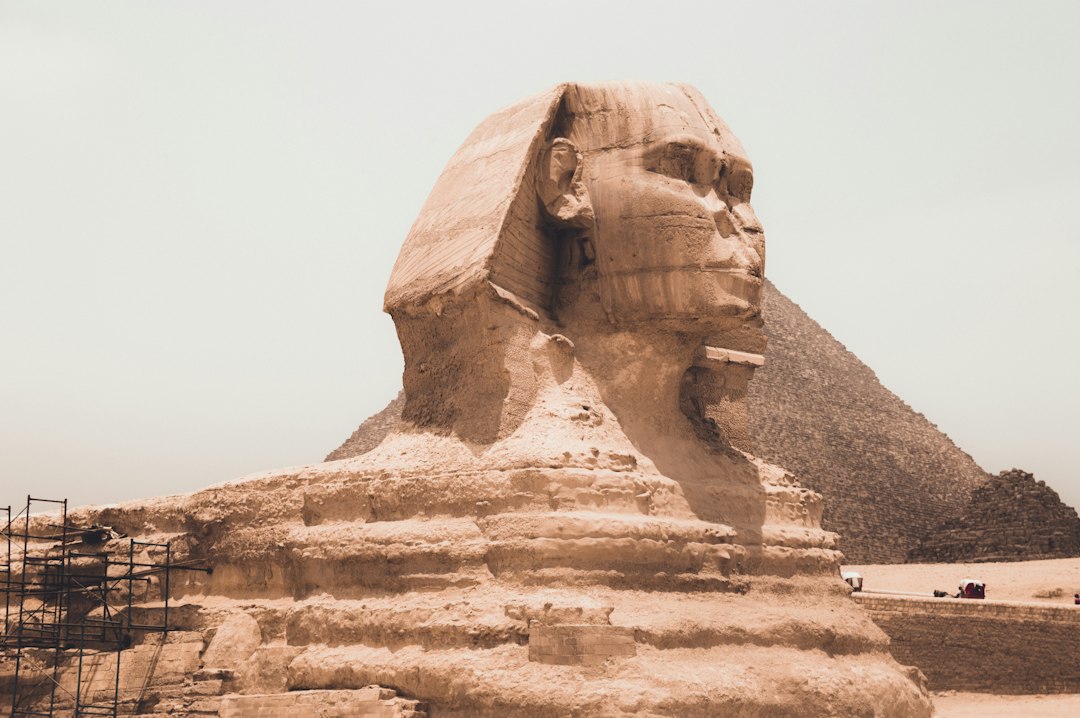
The desert sands, silent sentinels of millennia, have long guarded the secrets of the Giza Plateau. While the majestic pyramids of Khufu, Khafre, and Menkaure stand as colossal testaments to ancient Egyptian ingenuity, whispers of a deeper, more intricate world beneath their shadow have persisted for generations. These are not mere tombs or burial chambers, but the tantalizing hints of a forgotten metropolis, a hidden underground city that, if fully unearthed, could rewrite our understanding of one of history’s most enigmatic civilizations. For decades, archaeologists and researchers have painstakingly chipped away at the veil of sand and stone, driven by an insatiable curiosity to uncover the lost layers of Giza. The journey to illuminate this subterranean realm is ongoing, fraught with challenges but brimming with the promise of extraordinary revelations.
The very scale and mystery of the Giza pyramids have always fueled speculation about what lies beneath the surface, beyond the well-documented burial chambers. Ancient texts, though often allegorical, hinted at vast complexes and unseen pathways associated with these monumental structures. These early accounts, often dismissed as myth by pragmatic scholars, have nevertheless served as an enduring inspiration for those who dared to believe in more than meets the eye.
The Shadow of the Pharaohs: Ancient Accounts and Folklore
Long before modern excavation, tales circulated among local populations and ancient travelers. These narratives spoke of hidden passages, underground temples, and even entire cities built to serve the pharaohs in their afterlife, or perhaps, in their earthly reign. These stories, passed down through oral traditions, often depicted intricate networks of tunnels, storerooms, and living quarters that extended far beyond the visible monuments. The sheer effort involved in constructing the pyramids themselves suggested an equally monumental supporting infrastructure, and where else could such a complex be built but beneath the very ground they occupied?
The First Cracks in the Monolith: Early Archaeological Ventures
While the initial focus of archaeology in Giza was understandably on the surface structures, a few early explorers began to notice anomalies. These might have been unusual geological formations, subtle shifts in the ground, or intriguing inscriptions that hinted at subterranean access points. These observations, though often inconclusive, provided the first tangible evidence that the pyramids were more than just isolated structures. They were the peaks of a much larger, more complex system.
Recent discoveries related to the Giza pyramids have sparked interest in the possibility of an underground city that may lie beneath the iconic structures. This hidden network could potentially reveal more about the ancient civilization that built the pyramids and their way of life. For those interested in exploring this fascinating topic further, you can read more about it in the article available at this link.
Probing the Earth: Modern Technologies and Geophysical Surveys
The 20th and 21st centuries have witnessed a paradigm shift in archaeological exploration, moving beyond the pickaxe and shovel to embrace sophisticated technologies capable of peering beneath the earth’s crust without disturbing its fragile layers. These non-invasive techniques have become indispensable in the quest to map the hidden underground city of Giza.
The Unseen Blueprint: Ground-Penetrating Radar (GPR) and Magnetometry
Ground-penetrating radar (GPR) has proven to be an invaluable tool in the Giza exploration. By emitting radio waves into the ground and analyzing the reflected signals, GPR can create detailed cross-sections of the subsurface, revealing anomalies such as voids, buried structures, and changes in soil density. Magnetometry, on the other hand, measures variations in the Earth’s magnetic field, which can be caused by buried metallic objects or fired clay structures. Together, these geophysical methods have painted an increasingly compelling picture of an extensive network of subterranean features.
Beyond the Visible: Seismic Refraction and Electrical Resistivity
Other advanced techniques such as seismic refraction and electrical resistivity have also been employed. Seismic refraction measures the speed of seismic waves as they travel through different geological layers, helping to identify changes in rock density and the presence of voids or tunnels. Electrical resistivity surveys measure the electrical resistance of the soil, which can vary significantly depending on the presence of moisture, compacted earth, or man-made structures. These methods, when used in conjunction, provide a multi-faceted approach to understanding the subsurface composition and potential architecture of the hidden city.
Whispers of Structure: Identifying Subterranean Features
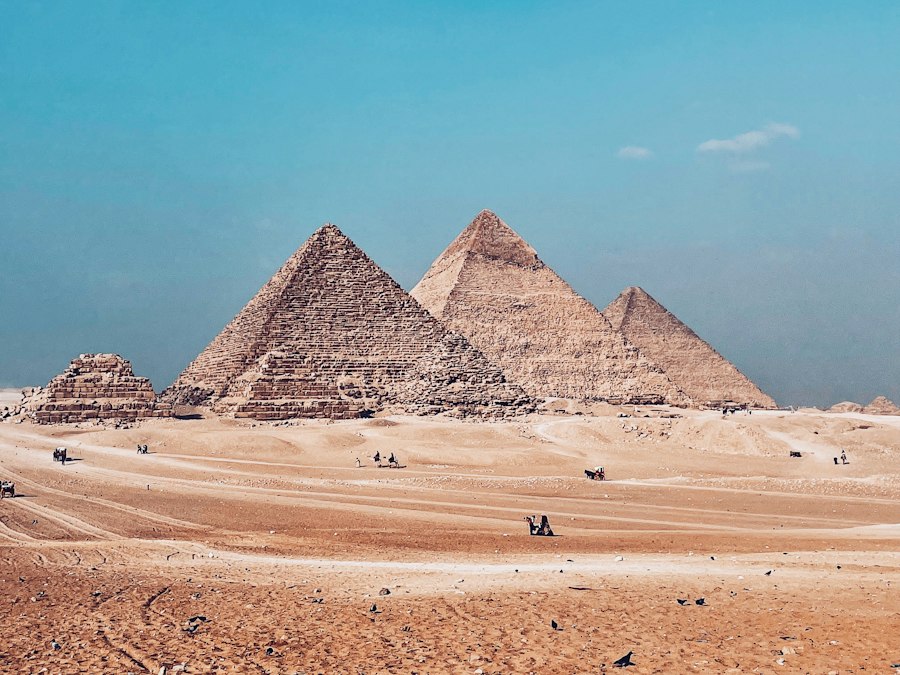
The geophysical data, when meticulously analyzed, begins to reveal distinct patterns that strongly suggest the presence of deliberate construction rather than natural geological formations. These are not random caves, but organized spaces, hinting at human intention and sophisticated planning.
The Maze Beneath the Sand: Evidence of Tunnels and Passageways
The most compelling evidence points to an extensive network of tunnels and passageways. GPR scans have frequently detected linear anomalies consistent with man-made tunnels, often connecting different areas or leading towards the pyramids. These are not simply rough-hewn passages but appear to be deliberately constructed, with varying widths and depths, suggesting a planned system for movement and access. The sheer scale of these detected anomalies suggests a far more interconnected underground complex than previously imagined.
Echoes of Activity: Anomalous Voids and Chamber-like Structures
Beyond the linear tunnels, researchers have identified numerous anomalous voids and chamber-like structures. These are areas of significant emptiness beneath the surface, often larger and more regularly shaped than would be expected from natural geological processes. These could represent storerooms, workshops, administrative offices, or even living quarters for the vast workforce that supported the pyramid builders. The precise purpose of these chambers remains a subject of intense speculation, but their presence is undeniable.
Purpose and Function: Theories on the Hidden City’s Role
The discovery of such an extensive subterranean complex naturally leads to questions about its purpose and function. Why would the ancient Egyptians invest so much effort in constructing an entire city beneath the surface? Various theories, drawing upon our understanding of ancient Egyptian society and beliefs, attempt to shed light on these profound questions.
The Logistics of Immortality: Support for the Pyramid Builders
One of the most plausible theories is that the underground city served as a vital logistical hub for the massive workforce involved in pyramid construction. This would have included housing, feeding, and providing for thousands of laborers, artisans, and administrators. Subterranean structures would have offered protection from the harsh desert elements and provided a secure base of operations. Imagine a self-sufficient city humming with activity beneath the very feet of those building the eternal monuments above.
The Pharaoh’s Eternal Domain: Mortuary and Ritual Complexes
Another significant theory posits that the underground city was an integral part of the mortuary cult and ritualistic practices associated with the pharaohs. These hidden spaces could have housed temples, chapels, and chambers dedicated to religious ceremonies, provisions for the deceased pharaoh’s afterlife, and even residences for the priests and cult officials who would tend to these needs eternally. The underworld, or Duat, held immense religious significance in ancient Egypt, and a physical manifestation of this realm beneath the pyramids would have been a powerful symbolic and practical undertaking.
A City of Secrets: Administrative and Defensive Hubs
It is also conceivable that the underground city served as an administrative center for the entire region, housing government offices, record-keeping facilities, and perhaps even secure storage for valuable resources. In times of conflict or unrest, these subterranean structures would have provided an excellent defensive position, offering protection and a strategic advantage. The Egyptians were renowned for their organizational skills, and a hidden administrative and defensive hub would be a testament to their foresight and planning.
Recent discoveries surrounding the Giza pyramids have sparked intrigue about the existence of an underground city that may lie beneath these ancient structures. This fascinating topic is explored in greater detail in a related article that delves into the mysteries and potential archaeological significance of this hidden realm. For those interested in learning more about these findings, you can read the full article here. The implications of such a discovery could reshape our understanding of ancient Egyptian civilization and its architectural prowess.
The Path Forward: Challenges and Future Prospects
| Metric | Details |
|---|---|
| Location | Giza Plateau, Egypt |
| Estimated Age | Approximately 4,500 years (Old Kingdom period) |
| Structure Type | Underground tunnels and chambers beneath the pyramids |
| Purpose | Believed to be burial chambers, storage, or ritual spaces |
| Length of Tunnels | Several kilometers of interconnected passageways |
| Number of Chambers | Multiple, including known burial chambers and unexplored rooms |
| Discovery | First documented in the 19th century, ongoing archaeological exploration |
| Current Status | Partially explored, with some areas restricted for preservation |
| Significance | Provides insight into ancient Egyptian burial practices and architecture |
Uncovering the full extent and nature of the hidden underground city of Giza is a monumental undertaking, fraught with challenges but brimming with the promise of unlocking further historical mysteries. The work is far from over, and the future holds the potential for even more astounding discoveries.
The Delicate Balance: Preservation and Excavation
One of the most significant challenges is the delicate balance between excavation and preservation. The ancient structures are incredibly fragile, and any excavation must be conducted with the utmost care to avoid damage. The unique arid environment of Giza has preserved these sites for millennia, and sudden exposure to different atmospheric conditions could lead to rapid deterioration. Therefore, a slow, meticulous, and technologically advanced approach is paramount.
The Technological Frontier: Advancements in Subsurface Imaging and Robotics
The continued advancement of subsurface imaging technologies will be crucial. Future research may involve more sophisticated versions of GPR, Lidar (Light Detection and Ranging), and even neutrino tomography, a relatively new technique that uses naturally occurring neutrinos to image dense structures. Furthermore, the development of specialized robotic probes capable of navigating confined spaces and performing detailed surveys could revolutionize the exploration of these subterranean realms, minimizing human intrusion and maximizing data collection.
A New Chapter in History: The Unfolding Narrative of Giza
The ongoing exploration of the hidden underground city of Giza promises to add a profound new chapter to our understanding of ancient Egypt. The potential for discovering artifacts, inscriptions, and architectural features that shed light on the daily lives, beliefs, and social structures of this ancient civilization is immense. This is not just about finding more tombs; it’s about uncovering a lost world, a testament to the ingenuity and complexity of a civilization that continues to captivate and inspire us. The desert sands may have held their secrets for millennia, but the whispers from the depths are growing louder, beckoning us to uncover the full story of the hidden underground city of the Giza Pyramids.
Did Radar Really Find a City Beneath the Giza Pyramid?
FAQs
What is the Giza pyramids underground city?
The Giza pyramids underground city refers to a network of tunnels and chambers beneath the Giza plateau in Egypt, believed to have been used for various purposes by the ancient Egyptians.
How were the underground chambers discovered?
The underground chambers beneath the Giza pyramids were discovered using modern technology such as ground-penetrating radar and other non-invasive techniques that allowed researchers to map out the underground structures without disturbing the pyramids themselves.
What is the purpose of the underground city?
The purpose of the underground city beneath the Giza pyramids is still a topic of debate among archaeologists and researchers. Some theories suggest that the chambers were used for burial rituals, storage of goods, or even as a refuge for the pharaohs in times of danger.
Are the underground chambers open to the public?
As of now, the underground chambers beneath the Giza pyramids are not open to the public due to preservation efforts and ongoing research. However, there are plans to potentially open some parts of the underground city to visitors in the future.
What other mysteries surround the Giza pyramids?
In addition to the underground city, the Giza pyramids are surrounded by various mysteries such as the construction techniques used, the alignment with the stars, and the purpose of the Sphinx. These mysteries continue to intrigue researchers and visitors alike.