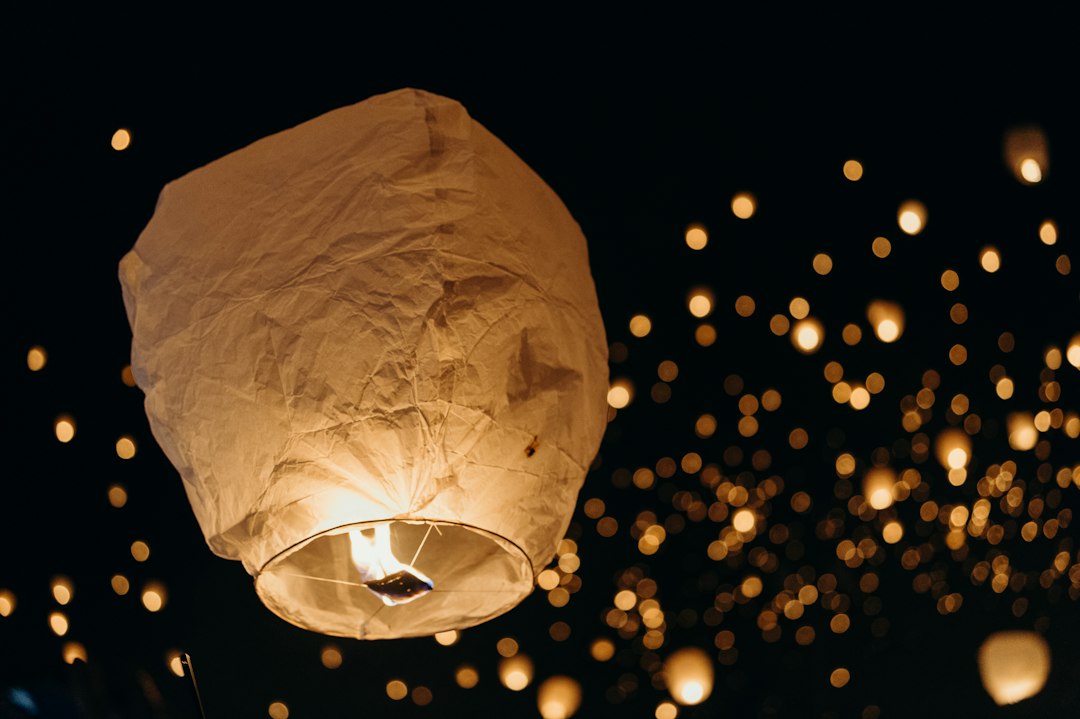
Understanding the All-too-Real Risks of Sky Lanterns
The allure of sky lanterns, those luminous orbs that drift gracefully into the night sky, is undeniable. They evoke images of celebration, romance, and quiet contemplation, often associated with cultural festivals and personal wishes. However, beneath their ethereal beauty lies a growing concern for public safety and environmental impact. While often marketed as harmless and eco-friendly, the reality is that sky lanterns, when launched without proper consideration and knowledge, pose significant and often overlooked risks. This article aims to provide a comprehensive overview of these risks, offering guidance for responsible usage and highlighting why a “moderate confidence” rating in their safety, as suggested by various authorities, is indeed warranted. It is crucial for individuals considering launching sky lanterns to understand the potential consequences and to prioritize safety and environmental responsibility above all else. The perceived innocence of these floating lights can easily mask dangers that can affect property, wildlife, and even human lives. Therefore, a thorough understanding of the inherent risks is the first and most important step towards mitigating them.
In recent discussions about the safety and environmental impact of sky lanterns, the article on AARO’s moderate confidence findings provides valuable insights. For a deeper understanding of the implications and regulations surrounding the use of these lanterns, you can read the related article here: AARO Moderate Confidence Sky Lanterns. This resource explores the potential risks associated with sky lanterns and offers recommendations for their safe use.
Investigating the Mechanisms of Sky Lantern Hazards
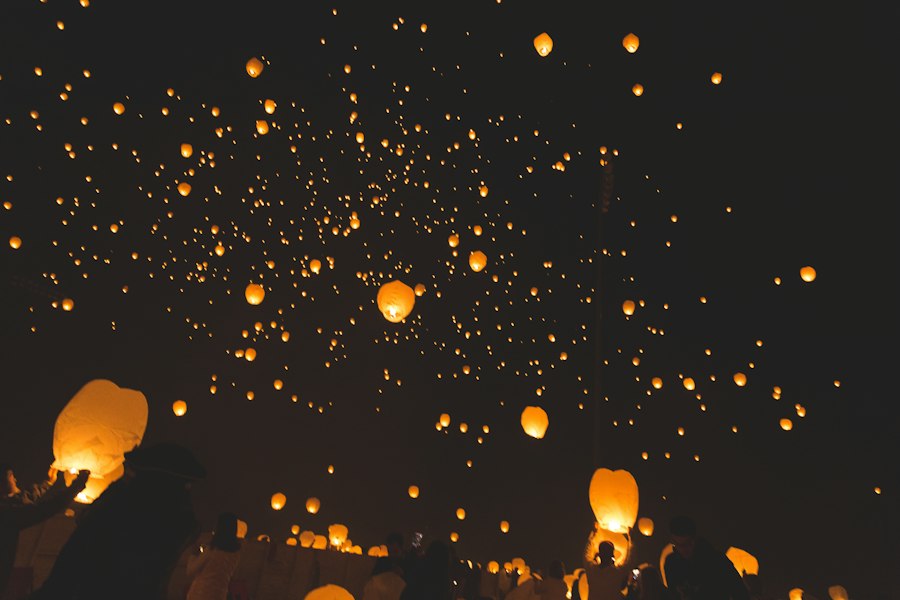
The fundamental design of a sky lantern, while simple, is the root of its potential dangers. A typical sky lantern consists of a lightweight frame, usually made of bamboo or wire, covered with thin, flammable paper. Within this structure, a small fuel source, often a wax-impregnated pad or a small amount of flammable material, is ignited. The heat generated by this fuel source heats the air inside the lantern, causing it to become less dense than the surrounding air. This buoyancy is what allows the lantern to ascend. However, this process is inherently uncontrolled once the lantern is released.
The Unpredictable Ascent and Descent
The primary hazard associated with sky lanterns stems from their unpredictable trajectory and eventual descent. Once launched, there is no mechanism to steer or control the direction of the lantern. Wind conditions play a significant role, capable of carrying the lantern miles from its launch point. This lack of control means that a lantern can drift over populated areas, agricultural fields, sensitive ecological zones, or even directly towards aircraft. The risk of fire ignition is ever-present, as the burning fuel source remains exposed throughout the flight.
The Fiery Payload: Fire Risks and Ignition Potential
The most significant and immediate danger posed by sky lanterns is their potential to cause fires. The burning fuel source, even if contained within the lantern for a period, can fall to the ground while still ignited. This falling ember or the lantern itself, if it lands while still burning, can easily ignite dry vegetation, brush, rooftops, or any flammable material it encounters. Rural areas, with their abundance of dry grasses and wooded landscapes, are particularly vulnerable. The consequences can range from small, localized brush fires to large, destructive wildfires that threaten homes, businesses, and natural habitats. The material of the lantern itself, being paper, is highly flammable, and while it is intended to burn out at high altitudes, this is not always guaranteed, especially in adverse wind conditions or if the fuel source is larger than intended.
Environmental Contamination: Debris and Pollution
Beyond the immediate fire risk, sky lanterns also contribute to environmental pollution. The materials used in their construction – paper, bamboo, wire, and fuel – are left behind once the lantern has completed its flight and fallen to the earth. This debris can litter landscapes, contaminate water sources, and pose a threat to wildlife. Birds and other animals can ingest small pieces of the lantern or become entangled in the wire frames, leading to injury or death. The presence of plastic components in some modern lanterns exacerbates this issue, as plastics are non-biodegradable and can persist in the environment for long periods, breaking down into harmful microplastics.
Assessing the “Moderate Confidence” Classification
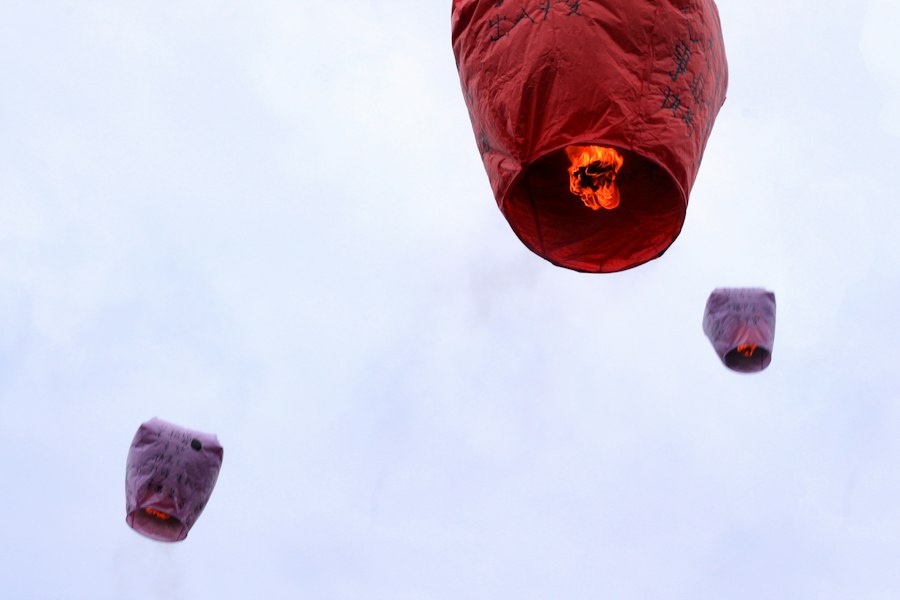
The designation of “moderate confidence” regarding the safety of sky lanterns by various regulatory bodies and fire safety experts is not arbitrary. It reflects a cautious yet informed stance based on a thorough evaluation of the inherent risks and documented incidents. This classification acknowledges that while not all sky lantern launches result in disaster, the potential for severe harm is significant enough to warrant serious consideration and preventative measures.
Understanding the Nuances of “Moderate Confidence”
“Moderate confidence” implies that while there are some mitigating factors or scenarios where sky lanterns might be considered less risky, the overall probability of adverse events remains substantial. It suggests that complete reliance on their inherent safety is ill-advised. This confidence level is typically derived from:
- Incident Reports: A consistent stream of documented incidents involving sky lanterns causing fires, damaging property, and endangering wildlife. These reports, collected by fire departments, environmental agencies, and aviation authorities, form the empirical basis for safety assessments.
- Risk Analysis: Probabilistic risk assessments that consider factors such as wind speed, direction, humidity, presence of flammable materials, population density, and aviation activity. These analyses often reveal a non-negligible probability of catastrophic outcomes.
- Expert Consensus: The collective opinion of fire chiefs, aviation safety experts, environmental scientists, and emergency responders who have firsthand experience with the consequences of sky lantern usage.
The Role of Regulatory Bodies and Fire Services
Fire services and regulatory bodies, such as the National Fire Protection Association (NFPA) in the United States or similar organizations internationally, often issue warnings and recommendations concerning sky lanterns. Their “moderate confidence” classification is a call to action, urging the public to exercise extreme caution and, in many cases, to refrain from using them altogether. These organizations aim to protect lives and property, and their assessments are grounded in their mandate to prevent and mitigate fire-related emergencies. They recognize that while the intention behind launching a sky lantern might be benign, the execution carries a latent danger that can escalate rapidly.
Bridging the Gap Between Perception and Reality
The perception of sky lanterns as purely celebratory items often overshadows the reality of their potential dangers. The “moderate confidence” rating serves as a crucial bridge between this idealized perception and the pragmatic understanding of risk. It highlights that the absence of immediate, visible harm in a particular instance does not equate to inherent safety. It underscores the importance of acknowledging the latent risks and making informed decisions based on comprehensive information rather than superficial assumptions. This nuanced approach encourages responsible behavior and prioritizes public and environmental well-being.
Implementing Best Practices for Sky Lantern Deployment
Despite the inherent risks, responsible individuals may still wish to utilize sky lanterns. In such cases, adherence to stringent safety protocols and a thorough understanding of optimal deployment conditions are paramount. These practices are designed to minimize the probability of ignition, control the trajectory, and mitigate the impact of any debris. It is essential to view these guidelines not as suggestions but as mandatory requirements for any responsible launch.
Pre-Launch Diligence: Site Selection and Environmental Assessment
The success of a safe sky lantern launch begins long before ignition. Careful selection of the launch site and a thorough assessment of the surrounding environment are critical.
- Wind Conditions: This is arguably the most crucial factor. Sky lanterns should never be launched in windy conditions. A gentle breeze can quickly escalate into a strong gust, carrying the lantern unpredictably and increasing the risk of uncontrolled descent onto flammable surfaces. Ideally, conditions should be calm, with minimal to no wind. Launching at dawn or dusk can sometimes offer more stable air conditions.
- Proximity to Flammables: The launch site must be well away from any potential fire hazards. This includes, but is not limited to:
- Dry grass, brush, and forests.
- Buildings, including homes, barns, and sheds.
- Agricultural fields, especially those with dry crops.
- Fuel storage areas, including gas stations and propane tanks.
- Airports and flight paths.
- Aviation Clearance: It is imperative to check local aviation regulations and ensure that launching sky lanterns will not interfere with air traffic. Many jurisdictions have outright bans or require specific permissions for launching objects that could pose a hazard to aircraft. Contacting local air traffic control or aviation authorities is highly recommended.
- Population Density: Avoid launching in densely populated areas where the risk of falling debris or fire igniting property is higher. Remote, open spaces with minimal human activity are preferable.
- Weather Forecast: Beyond immediate wind conditions, check the broader weather forecast for any impending changes that could introduce wind or make conditions more hazardous.
Safe Ignition and Launch Procedures
Once the site is deemed suitable, the ignition and launch process itself requires careful execution.
- Controlled Ignition: The fuel source should be ignited carefully and securely. Ensure that the flame does not spread to the paper or frame prematurely. Some lanterns are designed with a holder for the fuel source; ensure this is correctly positioned and secured.
- Tethering and Control (if applicable): While not standard for most disposable sky lanterns, some reusable or experimental designs might incorporate tethering mechanisms. If such a system is in place, it must be robust enough to prevent uncontrolled ascent and allow for safe retrieval. However, for traditional, single-use sky lanterns, this is generally not an option, reinforcing the need for perfect launch conditions.
- Holding Position: The lantern should be held upright and stable until it is fully inflated with hot air and begins to lift on its own. Rushing the launch can lead to instability and an uncontrolled initial trajectory.
- Clear Launch Area: Ensure that no individuals or objects are in the immediate vicinity of the lantern during ignition and launch.
Post-Launch Responsibilities: Monitoring and Cleanup
The responsibility does not end once the lantern has ascended. Continued vigilance and thorough cleanup are essential components of safe usage.
- Observation: For as long as the lantern is visible, observers should track its flight path to the best of their ability. This allows for immediate reporting of any potential hazards or the location of its descent.
- Debris Management: After the lantern has landed, it is crucial to locate and properly dispose of all debris. This includes the paper, frame, and any remaining fuel source. The debris should be collected and disposed of in an environmentally responsible manner, ideally in a trash receptacle. Do not leave any remnants behind, as these can still pose fire risks or environmental hazards.
- Fire Watch: If launching in an area with dry vegetation, it is prudent to conduct a fire watch for a reasonable period after the lantern has landed to ensure no smoldering or re-ignition occurs.
In recent discussions about the safety and environmental impact of sky lanterns, the AARO has expressed moderate confidence in their usage, highlighting both the cultural significance and potential hazards associated with these floating devices. For those interested in exploring this topic further, a related article provides insights into the various perspectives on sky lanterns and their implications. You can read more about it in this detailed analysis.
Understanding Legal Restrictions and Alternatives
| Metric | Value | Unit | Confidence Level | Notes |
|---|---|---|---|---|
| Average Flight Duration | 8 | minutes | Moderate | Typical burn time before descent |
| Maximum Altitude | 300 | meters | Moderate | Depends on weather conditions |
| Material Composition | Rice paper and bamboo frame | N/A | High | Standard materials used |
| Ignition Temperature | 250 | °C | Moderate | Temperature required to ignite fuel cell |
| Environmental Impact | Low to Moderate | N/A | Moderate | Depends on disposal and local regulations |
| Safety Incidents Reported | 5 | per 1000 uses | Moderate | Includes fire hazards and injuries |
The growing awareness of the dangers associated with sky lanterns has led many jurisdictions to implement outright bans or significant restrictions on their use. Understanding these legal frameworks is crucial for ensuring compliance and avoiding potential penalties. Furthermore, exploring safer alternatives can fulfill the desire for celebratory illumination without the inherent risks.
Navigating the Legal Landscape of Sky Lanterns
The legal status of sky lanterns varies significantly from country to country, and even within regions of the same country. Many fire services, aviation authorities, and local governments have recognized the risks and enacted bans or regulations to protect the public.
- Outright Bans: Numerous municipalities, counties, and even entire states or countries have prohibited the sale, possession, and/or launching of sky lanterns. These bans are typically enacted due to documented fire incidents and the potential hazard they pose to aviation and property.
- Permit Requirements: In some areas, launching sky lanterns may require a permit from local authorities, such as the fire department or aviation administration. These permits often come with strict conditions regarding launch location, time, and weather.
- Federal Aviation Administration (FAA) Regulations (USA): The FAA considers sky lanterns to be unregistered aircraft and can impose penalties for their launch if they interfere with air traffic or pose a safety hazard. They have issued advisories against their use.
- Local Ordinances: It is imperative to research and understand the specific laws and ordinances in your local area before considering the use of sky lanterns. Ignorance of the law is not a valid defense. Fire departments and local government websites are usually good resources for this information.
Exploring Safer and More Sustainable Alternatives
For those who wish to create a similar celebratory or contemplative atmosphere without the risks associated with sky lanterns, a variety of safer and more sustainable alternatives exist. These options provide illumination and visual appeal while significantly reducing the potential for fire and environmental damage.
- LED Lanterns and Lights: Battery-operated LED lanterns and string lights offer a vibrant and customizable lighting solution. They are safe, reusable, and come in a wide array of colors and designs. They can be hung, placed on the ground, or even floated on water (if designed for such use).
- Floating Candles and Water Features: For events near water bodies, floating candles or decorative waterproof lights can create a beautiful and mesmerizing display. Ensure the candles are contained within secure holders to prevent fire hazards on the water’s surface.
- Projection Lighting: Advanced projection systems can cast intricate patterns or images onto buildings or natural landscapes, creating a stunning visual spectacle without any physical flame or falling debris.
- Drones with LED Lights: For larger events, programmed drone displays with integrated LED lights can create dynamic and captivating aerial light shows that are both controlled and reusable.
- Traditional Lanterns with LED Inserts: Many traditional-style paper or fabric lanterns can be fitted with LED bulbs instead of open flames, offering the aesthetic appeal without the fire risk.
- Sparklers (with caution): While still requiring caution, sparklers are a contained pyrotechnic that generally poses a lower risk than sky lanterns, especially when used in a controlled environment and under adult supervision. However, they still present a fire hazard and should be handled with care.
By understanding the legal implications and embracing these safer alternatives, individuals can achieve their desired celebratory ambiance without compromising safety or contributing to environmental degradation. The trend towards banning sky lanterns reflects a growing societal understanding of their risks, and it is wise to conform to these regulations and embrace more responsible forms of illumination.
The Ethical Imperative: Considering the Greater Good
Beyond the immediate physical risks and legal ramifications, there exists an ethical dimension to the use of sky lanterns that warrants consideration. The decision to launch a sky lantern, however personal it may feel, has potential ripple effects that extend beyond the individual. This ethical imperative calls for a broader perspective, urging individuals to weigh their desires against the well-being of their community, the environment, and all living creatures.
Stewardship of the Environment and Wildlife
As stewards of the planet, humans have a responsibility to minimize their impact on the natural world. Sky lanterns, with their tendency to create litter and potentially harm wildlife, directly contradict this principle. The debris left behind can pollute landscapes and waterways, and the wire frames, in particular, pose a significant entanglement hazard for birds and other animals. Even the paper and bamboo, while biodegradable, contribute to waste when disposed of improperly. The ethical consideration here is simple: is the fleeting beauty of a sky lantern worth the potential harm and lasting impact on the environment and its inhabitants? Choosing not to launch, or opting for eco-friendly alternatives, demonstrates a commitment to environmental preservation and a respect for biodiversity.
Community Safety and Shared Responsibility
Public safety is a shared responsibility. When an individual launches a sky lantern, they are introducing a potential hazard into a shared space. The risk of fire can impact neighboring properties, strain the resources of emergency services, and endanger the lives of fellow community members. The “moderate confidence” assessment by safety experts is a clear indication that the risk is not negligible. Ethically, one must consider whether their personal desire for a momentary spectacle outweighs the collective safety and well-being of their community. Responsible decision-making involves prioritizing the common good and avoiding actions that could put others at risk. This includes respecting regulations and choosing activities that do not create undue burdens on emergency responders or damage shared resources.
The Legacy of Our Actions
The choices we make today have a lasting impact on the future. By embracing responsible practices and advocating for safer alternatives, we contribute to a more sustainable and secure world. The widespread adoption of sky lantern bans and the shift towards environmentally conscious celebrations are indicative of a growing ethical awareness. The ethical imperative, therefore, is to contribute positively to this evolution by making informed choices, educating others, and actively participating in the creation of a culture that values safety, environmental responsibility, and the well-being of all. The legacy we leave behind should be one of thoughtful consideration and a commitment to protecting our planet and its inhabitants for generations to come. Ultimately, the decision to launch a sky lantern is a test of one’s commitment to these principles.
Aguadilla UFO Video: What the Pentagon Got Wrong.
FAQs
What are Aaro Moderate Confidence Sky Lanterns?
Aaro Moderate Confidence Sky Lanterns are a type of sky lanterns that are designed to be easy to use and safe for outdoor events and celebrations.
How do Aaro Moderate Confidence Sky Lanterns differ from traditional sky lanterns?
Aaro Moderate Confidence Sky Lanterns are specifically designed with safety features such as flame-retardant paper and a wire-free design to reduce the risk of accidents during use.
Are Aaro Moderate Confidence Sky Lanterns environmentally friendly?
Yes, Aaro Moderate Confidence Sky Lanterns are made from biodegradable materials, making them environmentally friendly and safe for the ecosystem.
Can Aaro Moderate Confidence Sky Lanterns be used indoors?
No, Aaro Moderate Confidence Sky Lanterns are designed for outdoor use only. It is important to follow the instructions provided to ensure safe and proper use.
Are Aaro Moderate Confidence Sky Lanterns suitable for all ages?
While Aaro Moderate Confidence Sky Lanterns are designed to be safe and easy to use, adult supervision is recommended when children are using them to ensure proper handling and safety precautions are followed.