
The recent resurfacing of an image, purportedly captured by NASA and later analyzed by the infamous hacker Gary McKinnon, has once again ignited public fascination with unidentified flying objects. This particular image, often described as depicting a cigar-shaped anomaly against the backdrop of Earth’s atmosphere, has become a focal point for those who believe in the existence of extraterrestrial visitation and the potential for government cover-ups. While the origins and authenticity of the image remain subjects of intense debate, its connection to McKinnon lends it a certain notoriety, drawing attention from both UFO enthusiasts and skeptical investigators.
The narrative surrounding this image is intricately woven with the story of Gary McKinnon himself. McKinnon, a British former IT worker, gained international infamy in the early 2000s for allegedly hacking into numerous U.S. military and NASA computer networks. His stated motivation for these intrusions was not financial gain or malice, but rather a fervent desire to uncover evidence of extraterrestrial life and advanced technologies, particularly anything related to UFOs. He claimed to have found documents and images, including the cigar-shaped anomaly, that pointed towards a vast conspiracy to conceal the truth about alien encounters. His pursuit, while illegal, resonated with many who felt a similar sense of curiosity and distrust towards official explanations.
The renewed interest in the cigar-shaped UFO image can be attributed to several factors. Firstly, the enduring mystery surrounding McKinnon’s alleged discoveries continues to capture the public imagination. Secondly, the persistent appeal of the cigar-shaped UFO as a classic alien craft archetype, frequently depicted in science fiction and reported in eyewitness accounts, makes it an instantly recognizable and intriguing subject. Lastly, in an era where information, or misinformation, can spread rapidly through online channels, any perceived “leak” or new evidence related to UFOs is likely to gain traction. This article will delve into the details of the image, its alleged connection to McKinnon, the scientific and skeptical perspectives, and the broader implications of such artifacts in the ongoing UFO discourse.
The Alleged NASA Image and its Characteristics
The image in question, often circulated in online forums and UFO-related discussions, presents a distinct visual. It typically shows a dark, elongated object with a smooth, unbroken surface, often described as resembling a cigar or a torpedo. The object appears to be in the Earth’s upper atmosphere, with the curvature of the planet and atmospheric haze visible in the background. The lighting in the image often suggests that the object is illuminated by an external source, possibly the sun, casting subtle shadows or highlights on its surface. The clarity and resolution of the image can vary depending on the source and its dissemination, but in its more prominent versions, the object is clearly discernible and not easily dismissed as a known atmospheric phenomenon or a mundane man-made object.
The technical details surrounding the image, if it is indeed a genuine NASA capture, are crucial to its analysis. This would involve understanding the specific mission or satellite that recorded the photograph, the date and time of capture, and the equipment used. Without this contextual information, the image remains an isolated artifact, open to interpretation and speculation. The absence of such verifiable metadata is a common challenge when dealing with alleged UFO imagery, making it difficult to establish its provenance and assess its credibility. Nevertheless, the visual distinctiveness of the object, its unusual shape, and its placement in what appears to be a high-altitude environment have fueled considerable discussion.
Visual Interpretation and Common Features
When examining the visual characteristics of the cigar-shaped UFO image, several common descriptors emerge from those who analyze it. The predominant feature is its elongated, cylindrical form, often with rounded ends. This shape is a recurring motif in many UFO sightings, distinguishing it from more commonly reported disc-shaped craft. The surface of the object is generally depicted as smooth and seamless, lacking any visible wings, rotors, or other conventional aerodynamic features. This smoothness contributes to its enigmatic appearance, suggesting a design that defies known principles of aeronautical engineering. The color of the object can also vary in different versions of the image, but it is often presented in shades of gray, white, or metallic hues, consistent with materials that might reflect light.
The environmental context of the image is equally important. It is almost always presented against a dark sky, with hints of Earth’s atmosphere or horizon visible. This suggests an object operating at considerable altitudes, potentially beyond the range of conventional aircraft. The lighting conditions are also a subject of interest. If illuminated by the sun, the way light plays on the object’s surface can offer clues about its material composition and three-dimensional form. Some analyses focus on the potential for glare, lens flares, or other photographic artifacts that could be mistaken for a physical object, while others argue that the object’s distinct shape and apparent solidity rule out such explanations.
Distinguishing from Known Objects and Phenomena
A critical aspect of evaluating any purported UFO image is its ability to be explained by known objects or natural phenomena. In the case of the cigar-shaped anomaly, skeptics often propose a range of possibilities. These include atmospheric phenomena such as lenticular clouds, which can sometimes form elongated shapes, or optical illusions caused by light refraction or reflection. Man-made objects, such as balloons, high-altitude research aircraft, or even space debris, are also frequently cited as potential explanations. The challenge lies in the fact that the image, as presented, often lacks the detail or context to definitively rule out these mundane explanations.
For instance, while a cigar shape might not immediately bring to mind a typical balloon, certain weather balloons, especially when viewed from a specific angle or with atmospheric distortions, could potentially present an elongated appearance. Similarly, experimental aircraft, particularly those designed for high-altitude reconnaissance, might possess unconventional designs that could be misidentified. The presence of dust particles, water droplets, or even insects on the camera lens or sensor, especially in older imaging technologies, can also create unusual artifacts that, when captured in an image, might be misinterpreted as solid objects. The scientific approach demands that all plausible conventional explanations be thoroughly investigated before resorting to extraordinary hypotheses.
In relation to Gary McKinnon’s discovery of the cigar-shaped NASA image, you may find the article on XFile Findings particularly intriguing. It delves into various unexplained phenomena and government cover-ups, providing context to McKinnon’s claims and the broader implications of his findings. For more information, you can read the article here: XFile Findings.
Gary McKinnon’s Pursuit of Extraterrestrial Evidence
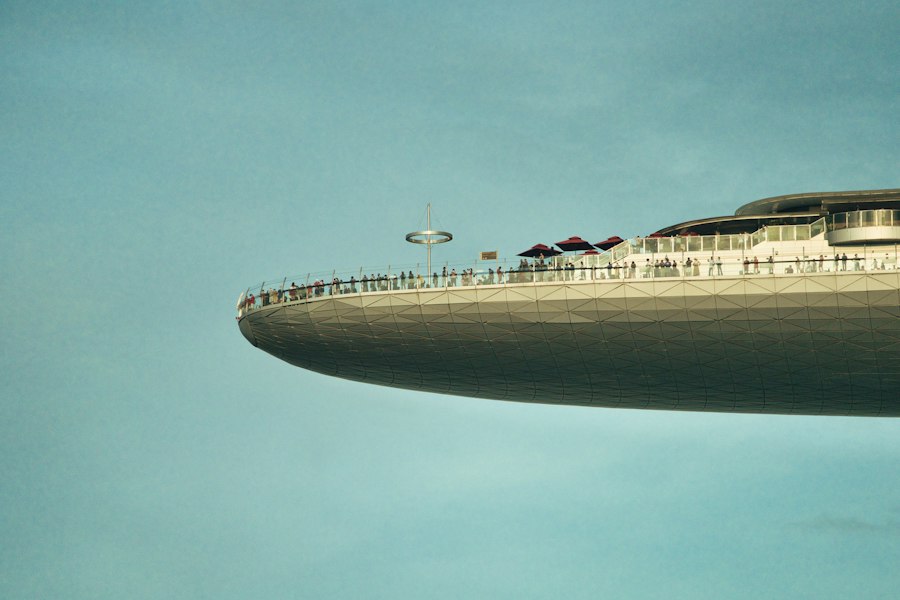
Gary McKinnon’s involvement with the alleged NASA cigar-shaped UFO image stems from his highly publicized hacking activities. Driven by a profound belief in alien life and a deep-seated suspicion of governmental secrecy, McKinnon embarked on a prolonged campaign to infiltrate sensitive computer networks. His primary objective was to find irrefutable proof that governments, particularly the U.S., were withholding information about UFOs and extraterrestrial encounters from the public. He famously stated that he was looking for “free energy” technology and evidence of alien spacecraft, believing that this information was being deliberately concealed.
McKinnon’s hacking spree lasted for several years, during which he allegedly accessed systems belonging to NASA, the U.S. Army, the U.S. Air Force, and the Department of Defense. His activities were eventually detected, leading to an international manhunt and a protracted legal battle. The U.S. government sought his extradition to face charges of computer hacking, and the case attracted significant media attention due to its unusual nature and the sensitive targets involved. McKinnon’s claims of discovering secret UFO files, including the cigar-shaped image, became central to his defense and a source of fascination for UFO researchers and the public alike.
The Hacker’s Claims and Alleged Discoveries
During his interrogation and subsequent public statements, Gary McKinnon detailed what he claimed to have found within the compromised networks. He spoke of spreadsheets that listed UFOs as a real phenomenon, along with terms like “non-terrestrial officers” and “fleet transfers.” He also mentioned finding photographic evidence, including the cigar-shaped anomaly. McKinnon asserted that the image showed an extraterrestrial spacecraft observed in orbit, and that its existence was being deliberately hidden. He described how he was able to access and download certain files before being detected, suggesting a level of success in his clandestine research.
McKinnon’s narrative painted a picture of a vast, clandestine operation involving advanced alien technology and a global effort to suppress this knowledge. He believed that the cigar-shaped object was just one piece of a much larger puzzle, and that governments were actively engaged in covering up the reality of alien visitation. His assertions, while unverified by official channels, resonated with many who felt that the official explanations for UFO sightings were insufficient and that a concerted effort was being made to maintain public ignorance. The allure of his story lay in the idea that an ordinary individual, through sheer determination and technical skill, had managed to pierce the veil of secrecy surrounding one of humanity’s greatest mysteries.
The Legal and Public Ramifications
The legal battle surrounding Gary McKinnon’s extradition was complex and highly publicized. While the U.S. sought to prosecute him for his alleged crimes, McKinnon fought extradition, citing concerns about his mental health and the potential for harsh sentencing. The case raised questions about international jurisdiction and the definition of cybercrime. Ultimately, after years of legal wrangling, McKinnon was granted leave to appeal an extradition order, and the then-Home Secretary Charles Clarke blocked his extradition in 2006, citing humanitarian grounds.
The public ramifications of McKinnon’s case were significant. He became a controversial figure, hailed by some as a whistleblower and condemned by others as a criminal. His story brought the topic of UFOs and government secrecy into mainstream discourse. Many UFO enthusiasts viewed him as a hero who bravely challenged authority in pursuit of the truth. The alleged discoveries, particularly the cigar-shaped UFO image, became iconic within the UFO community, representing tangible, albeit unconfirmed, evidence of extraterrestrial activity. His case highlighted the persistent public interest in the possibility of alien life and the lingering distrust of official narratives surrounding unexplained phenomena.
Scientific and Skeptical Scrutiny of the Image

The scientific community and seasoned skeptics approach claims of UFO sightings, especially those involving photographic evidence, with a high degree of caution and a demand for rigorous analysis. The alleged NASA cigar-shaped UFO image is no exception. Scientists and skeptics typically employ a systematic process to evaluate such claims, focusing on the verifiability of the evidence, the plausibility of alternative explanations, and the potential for misinterpretation or fabrication. The absence of verifiable metadata, a clear chain of provenance, and independent corroboration are immediate red flags in the scientific assessment of such imagery.
Skeptics, in particular, are adept at identifying common sources of error and deception in UFO photography. They often point to photographic artifacts, atmospheric distortions, and the psychological tendency to see patterns and meaning in ambiguous data. Without a thorough examination of the original photographic negatives, digital files, and any associated metadata, it is extremely difficult to move beyond speculation. The scientific method requires that hypotheses be testable and falsifiable, and in the realm of alleged UFO imagery, these requirements are frequently unmet.
Analyzing Image Authenticity and Provenance
The authenticity and provenance of the cigar-shaped UFO image are the primary concerns for scientific and skeptical investigators. The question is not just what the image depicts, but whether it is a genuine record of a real event, captured by the purported source (NASA), and unaltered. This involves a complex process of digital forensics and historical research. Without access to the original, uncompressed image files and any accompanying technical data from the camera or satellite that supposedly captured it, it becomes almost impossible to verify its legitimacy.
The journey of the image from its alleged origin to its current online presence is often murky. If it was indeed a NASA image, it would have a specific identifier, mission log, and technical specifications. The fact that such information is rarely, if ever, provided for the widely circulated versions of the cigar-shaped UFO image is a significant obstacle to its acceptance. Furthermore, the possibility of digital manipulation is a constant concern. Image editing software has become so sophisticated that it is relatively easy to alter photographs to create convincing, yet entirely fabricated, evidence. Skeptics therefore demand transparency and verifiable data to support any claims of authenticity.
Exploring Mundane Explanations for the Anomaly
When confronted with the cigar-shaped UFO image, scientific and skeptical analyses invariably explore a range of mundane explanations that could account for the visual phenomenon. These explanations are grounded in a deep understanding of atmospheric physics, optics, and common human perceptions. One of the most frequently cited possibilities is that the object is a form of atmospheric plasma or a transient electrical discharge in the upper atmosphere, though these are typically not long-lasting and cigar-shaped. Another line of reasoning involves optical illusions, such as mirages or the Fata Morgana effect, which can distort the appearance of distant objects or create phantom images.
Another significant area of investigation involves man-made objects. High-altitude balloons, used for meteorological research or carrying scientific instruments, can sometimes appear elongated or unusual when viewed from certain angles, especially if they are partially deflated or caught in specific atmospheric conditions. Similarly, early experimental aircraft or even drones, particularly those designed for long-duration flights at high altitudes, might possess unconventional designs that could be misinterpreted. The presence of debris in the upper atmosphere, such as discarded rocket stages or satellite components, can also, under certain lighting and atmospheric conditions, create unusual visual effects that might be mistaken for a solid object. Even seemingly simple explanations, like insects or dirt on the camera lens, have been known to create phantom images that are then misinterpreted.
The Enduring Appeal of the Cigar-Shaped UFO Narrative
The cigar-shaped UFO image, particularly when linked to a figure like Gary McKinnon, taps into a rich vein of human curiosity and a persistent, albeit often unacknowledged, fascination with the unknown. The allure of this particular narrative lies in its multifaceted appeal, combining the mystery of alien visitation with the thrill of a clandestine investigation and the suspicion of a global conspiracy. This enduring appeal ensures that such images and stories continue to circulate and captivate public attention, even in the face of skepticism and the lack of definitive proof.
The narrative’s strength lies in its ability to resonate with a desire for something beyond the ordinary. The idea that advanced beings are visiting Earth, and that their presence is being deliberately concealed by powerful authorities, offers a compelling counter-narrative to mundane reality. The cigar shape itself, a classic archetype in UFO lore, adds to this mystique, representing a form that is distinctly non-human and technologically advanced. When coupled with the story of an individual who dared to challenge the system to uncover this truth, the narrative becomes even more potent.
Archetypes of Alien Craft and Their Significance
The cigar-shaped UFO is not an isolated phenomenon in the realm of UFO lore; it is part of a broader taxonomy of alleged alien craft shapes that have captured the human imagination. The classic disc or saucer is perhaps the most iconic, but the cigar, the triangle, the boomerang, and various other forms have also been frequently reported. Each shape carries its own symbolic weight and contributes to the evolving mythology of extraterrestrial visitation. The cigar, in particular, often suggests a powerful, sleek, and fast-moving vessel, perhaps a form of interstellar transport or a reconnaissance craft designed for efficient travel.
The significance of these archetypal shapes lies in their consistent appearance across a wide range of sightings and cultures, leading some to believe they represent genuine technological forms that are not of Earthly origin. For others, these recurring shapes are a product of collective imagination, influenced by early science fiction portrayals and a shared human understanding of what a “flying machine” might look like, even if it operates on alien principles. Regardless of their origin, these distinct shapes serve as recognizable symbols within the UFO community, easily evoking the idea of alien presence and advanced technology.
Conspiracy Theories and the Public Imagination
The narrative surrounding Gary McKinnon and the cigar-shaped UFO image is intrinsically linked to the broader landscape of conspiracy theories. These theories, which posit that secret groups or governments are manipulating events and withholding critical information from the public, often find fertile ground in unexplained phenomena like UFOs. The idea that NASA, a publicly funded scientific agency, might be involved in a cover-up of extraterrestrial contact is a potent concept that fuels distrust of official narratives and a desire for alternative explanations.
The alleged discovery of documents and images by McKinnon, suggesting a deliberate suppression of information, directly feeds into this conspiratorial mindset. It validates the suspicion that official explanations are incomplete or intentionally misleading. The cigar-shaped UFO image, therefore, becomes more than just a blurry photograph; it becomes a symbol of this alleged conspiracy, a tangible piece of evidence that proponents believe points to a hidden reality. The enduring appeal of these conspiracy theories lies in their ability to offer simple, albeit often unfounded, explanations for complex and unsettling phenomena, and to empower individuals who feel marginalized or distrustful of authority.
Gary McKinnon’s infamous hacking incident brought to light various intriguing aspects of NASA’s operations, including a peculiar cigar-shaped image that has sparked much debate among enthusiasts of the unexplained. For those interested in delving deeper into this topic, a related article can be found at XFile Findings, which explores the implications of McKinnon’s discoveries and the broader context of UFO sightings and government secrecy. This connection between technology and the unknown continues to captivate researchers and conspiracy theorists alike.
The Future of UFO Investigations and Public Perception
| Metric | Details |
|---|---|
| Subject | Gary McKinnon NASA Image |
| Image Type | Cigar-shaped object |
| Source | NASA archives (alleged) |
| Date of Image | Unknown / Early 2000s (alleged) |
| Image Resolution | Not publicly confirmed |
| Image Format | Digital (alleged screenshot) |
| Public Interest | High among UFO enthusiasts |
| Verification Status | Unverified / Controversial |
| Associated Event | Gary McKinnon’s hacking of NASA and US military computers |
| Image Description | Cigar-shaped unidentified object appearing in NASA images |
As technology advances and public discourse around UFOs evolves, the way such images and claims are investigated and perceived is also changing. The advent of sophisticated image analysis tools, coupled with the increasing transparency of some government bodies regarding UFO-related data, suggests a future where the study of these phenomena may become more rigorous and less reliant on anecdotal evidence or unsubstantiated claims. The lingering questions surrounding the Gary McKinnon image and similar artifacts will likely continue to be a subject of debate, but the methodologies for evaluating them are becoming more sophisticated.
The ongoing efforts by organizations and governments to collect and analyze UFO sightings, often under the new terminology of Unidentified Aerial Phenomena (UAP), represent a significant shift. While often cautious and data-driven, these investigations acknowledge that there are genuine unexplained observations that warrant further study. This shift from outright dismissal to a more open, albeit still scientifically grounded, approach may, over time, lead to a greater understanding of the phenomena, whether that understanding ultimately points to terrestrial explanations, unknown natural phenomena, or, as some hope, evidence of something more. The legacy of images like the cigar-shaped UFO will undoubtedly continue to be a part of this evolving narrative.
Technological Advancements in Image Analysis
The digital age has brought about unprecedented advancements in image analysis, which can be applied to the study of alleged UFO imagery. Sophisticated software can now be used to enhance resolution, reduce noise, and analyze subtle details within an image that might not be immediately apparent to the naked eye. Techniques such as spectral analysis, forensic image comparison, and metadata extraction can, in some cases, provide crucial insights into the origin and authenticity of photographic or video evidence.
When applied to images like the purported NASA cigar-shaped UFO, these tools could potentially help in identifying digital artifacts, signs of manipulation, or the presence of specific camera sensor characteristics that might link the image to a particular device or origin. Furthermore, if the image originates from a known source like NASA, the ability to compare it against authenticated images from the same period and equipment could help to either corroborate or refute its claims. The challenge, however, remains the accessibility of the original, high-resolution files and comprehensive technical data, which are often not available for widely circulated alleged UFO images. Despite these limitations, the continuous development of these analytical tools offers a more promising future for the objective assessment of visual evidence related to unexplained aerial phenomena.
The Evolving Role of Government and Scientific Institutions
The once-rigid stance of many government agencies and scientific institutions regarding UFOs has begun to soften, at least in some quarters. While outright pronouncements of alien visitation remain rare, there is a growing recognition that certain unexplained aerial phenomena warrant serious investigation. This shift is partly driven by national security concerns, as governments are interested in identifying any potential airborne threats, regardless of their origin.
The U.S. Department of Defense’s establishment of the All-domain Anomaly Resolution Office (AARO) and the ongoing efforts by NASA to study UAPs signal a more open approach. These initiatives aim to collect and analyze data in a systematic, scientific manner, declassifying certain information and encouraging pilots and other observers to report unusual sightings without fear of ridicule. While these efforts are focused on unexplained phenomena in general and not specifically on validating old claims like Gary McKinnon’s cigar-shaped UFO image, they contribute to a broader trend of increased transparency and scientific inquiry into a subject that has long been relegated to the fringes. The future of UFO investigations will likely be shaped by these evolving institutional approaches, aiming for a more evidence-based understanding of the aerial mysteries that continue to intrigue humanity.

The Man Who Hacked NASA’s Deepest Secret
FAQs
What is the Gary McKinnon cigar shaped NASA image?
The Gary McKinnon cigar shaped NASA image refers to a controversial claim made by hacker Gary McKinnon that he found evidence of a cigar-shaped UFO in NASA’s computer systems.
Who is Gary McKinnon?
Gary McKinnon is a British hacker who gained unauthorized access to 97 United States military and NASA computers between February 2001 and March 2002.
What did Gary McKinnon claim to have found in NASA’s computer systems?
Gary McKinnon claimed to have found evidence of a cigar-shaped UFO and other information related to extraterrestrial life during his unauthorized access to NASA’s computer systems.
Was Gary McKinnon prosecuted for hacking into NASA’s computer systems?
Yes, Gary McKinnon was prosecuted by the United States government for hacking into NASA’s computer systems. He faced extradition to the United States but ultimately was not extradited due to concerns about his mental health.
Is there any evidence to support Gary McKinnon’s claims about the cigar shaped UFO in NASA’s computer systems?
There is no concrete evidence to support Gary McKinnon’s claims about the cigar-shaped UFO in NASA’s computer systems. NASA has not confirmed the existence of such evidence, and skeptics have dismissed McKinnon’s claims as unsubstantiated.