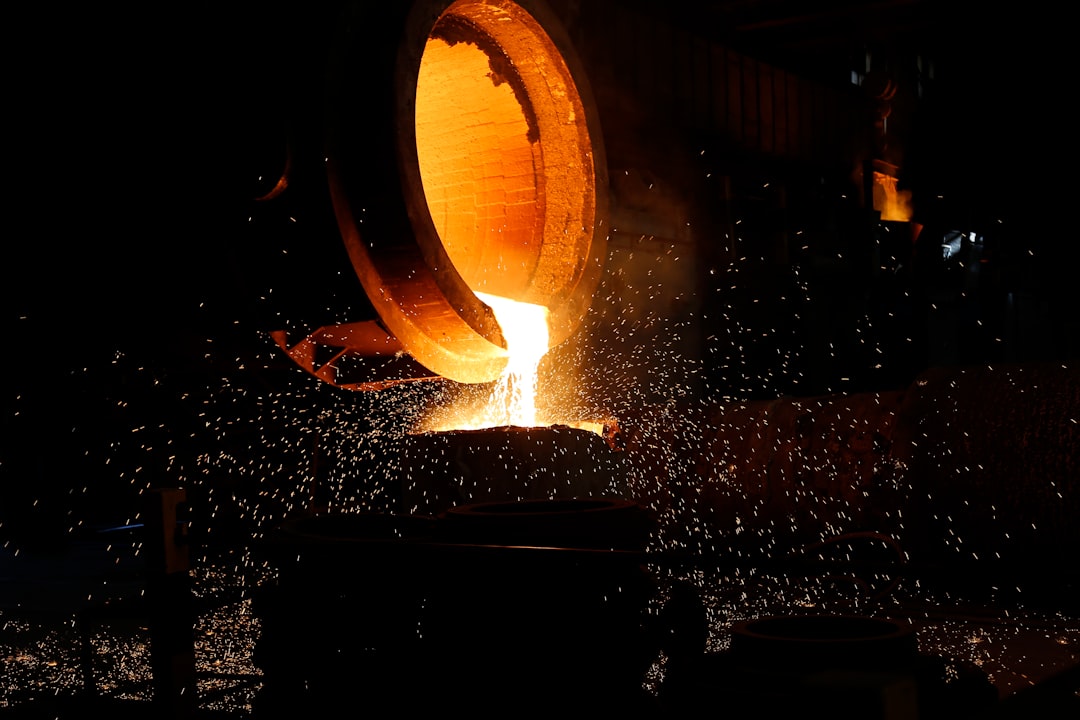
Metallurgy testing is a critical field that encompasses a variety of techniques and methodologies aimed at understanding the properties and behaviors of metals and alloys. This discipline plays a vital role in industries ranging from aerospace to automotive, where the performance and reliability of materials can significantly impact safety and functionality. By employing various testing methods, metallurgists can assess the mechanical, physical, and chemical properties of metals, ensuring that they meet the required standards for specific applications.
The insights gained from these tests not only inform material selection but also guide the development of new alloys and manufacturing processes. The significance of metallurgy testing extends beyond mere compliance with industry standards; it is essential for innovation and advancement in material science.
Metallurgy testing provides the foundation for such advancements by enabling researchers and engineers to explore the limits of existing materials and to develop new ones that can meet the challenges of modern applications. Through rigorous testing, the metallurgical community can ensure that materials are not only safe but also optimized for performance.
Key Takeaways
- Metallurgy testing is essential for evaluating metal properties and ensuring material performance.
- Selecting appropriate metals and maintaining controlled environments are critical for accurate test results.
- Key tests include tensile strength, hardness, corrosion resistance, and microstructure analysis.
- Understanding thermal, electrical, fatigue, and creep properties helps predict metal behavior under various conditions.
- Proper interpretation of test data guides material selection and improves engineering applications.
The Importance of Classified Metallurgy Tests
Classified metallurgy tests serve as a framework for systematically evaluating the properties of metals and alloys. These tests are categorized based on the specific characteristics they measure, such as mechanical strength, ductility, or resistance to environmental factors. By classifying tests, metallurgists can streamline their research processes and ensure that they are employing the most relevant methodologies for their objectives.
This classification also aids in standardizing procedures across laboratories, facilitating comparisons between different studies and enhancing the reliability of results. Moreover, classified tests allow for a more focused approach to material evaluation. For instance, tensile tests specifically measure how materials respond to stretching forces, while hardness tests assess resistance to deformation.
By understanding the nuances of each test type, metallurgists can better interpret results and make informed decisions regarding material selection and application. This structured approach not only enhances the efficiency of testing but also contributes to the overall advancement of metallurgy as a science.
Selecting the Right Metals for Testing
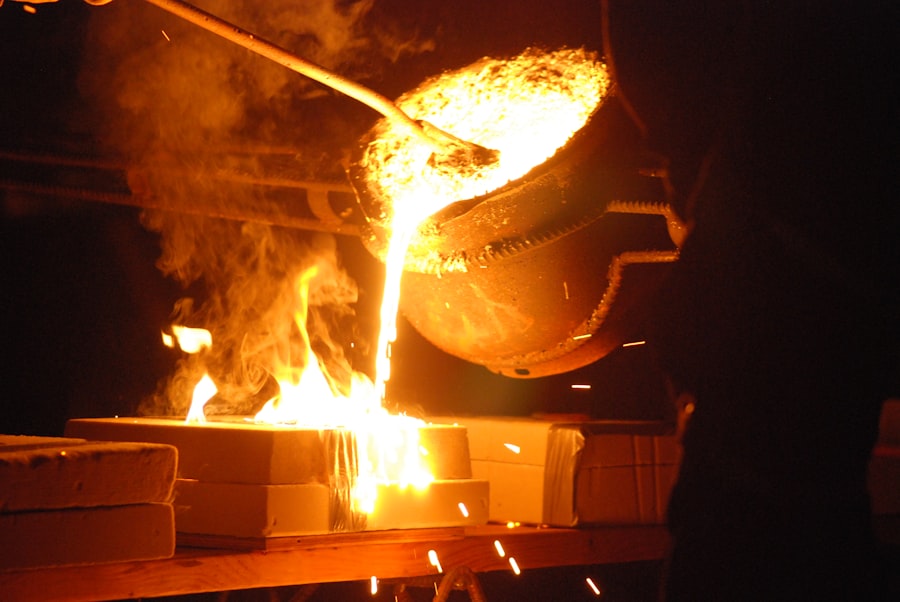
Choosing the appropriate metals for testing is a fundamental step in metallurgy research. The selection process often hinges on the intended application and the specific properties that need to be evaluated. For example, if a project requires materials that can withstand high temperatures, metals such as titanium or nickel-based alloys may be prioritized due to their superior thermal stability.
Conversely, if corrosion resistance is a primary concern, stainless steels or aluminum alloys might be more suitable candidates. In addition to application-specific considerations, metallurgists must also take into account the availability and cost of materials. Some metals may offer exceptional properties but are prohibitively expensive or difficult to source.
Therefore, a balance must be struck between performance characteristics and practical considerations.
Setting Up a Controlled Testing Environment
Establishing a controlled testing environment is essential for obtaining accurate and reproducible results in metallurgy testing. A controlled environment minimizes external variables that could skew data, such as temperature fluctuations, humidity levels, or contamination from other materials. By maintaining consistent conditions throughout the testing process, metallurgists can ensure that their findings are reliable and reflective of the true properties of the materials being evaluated.
Key elements of a controlled environment include temperature regulation, proper ventilation, and cleanliness. For instance, many metallurgical tests require specific temperature ranges to accurately assess material properties. Therefore, laboratories often utilize climate-controlled chambers to maintain these conditions.
Additionally, ensuring that testing equipment is calibrated and free from contaminants is vital for achieving precise measurements. By prioritizing these factors, metallurgists can enhance the integrity of their testing processes and produce results that contribute meaningfully to the field.
Conducting Tensile Strength Tests
| Test ID | Test Name | Sample Type | Test Date | Result | Classification Level | Technician | Notes |
|---|---|---|---|---|---|---|---|
| MT-1801 | Hardness Test | Steel Alloy | 2024-05-10 | HRC 58 | Classified | J. Smith | Within expected range |
| MT-1802 | Tensile Strength | Aluminum Composite | 2024-05-12 | 450 MPa | Classified | A. Johnson | Meets design specifications |
| MT-1803 | Corrosion Resistance | Nickel Alloy | 2024-05-15 | Pass | Classified | M. Lee | Tested under salt spray conditions |
| MT-1804 | Microstructure Analysis | Titanium Alloy | 2024-05-18 | Grain size 8 | Classified | S. Patel | Uniform grain distribution |
| MT-1805 | Impact Test | Steel Alloy | 2024-05-20 | 45 J | Classified | R. Kim | Fracture surface ductile |
Tensile strength tests are among the most fundamental assessments in metallurgy, providing critical insights into how materials respond to stretching forces. During this test, a sample is subjected to increasing tension until it fractures, allowing researchers to measure key parameters such as yield strength, ultimate tensile strength, and elongation at break. These metrics are invaluable for understanding a material’s ductility and overall mechanical performance.
The results from tensile strength tests inform engineers about how a material will behave under real-world conditions. For example, materials with high tensile strength are often preferred in applications where structural integrity is paramount, such as in construction or aerospace components. Conversely, materials with lower tensile strength but higher ductility may be more suitable for applications requiring flexibility or formability.
By conducting these tests meticulously, metallurgists can provide essential data that guides material selection and design processes.
Analyzing Microstructures and Grain Size
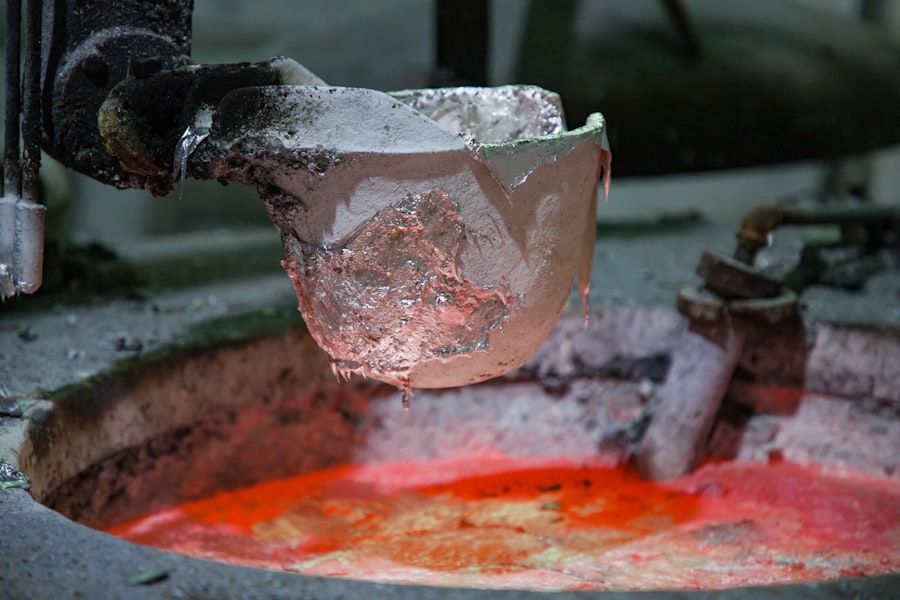
The microstructure of a metal plays a pivotal role in determining its mechanical properties and overall performance. Analyzing microstructures involves examining the arrangement of grains within a material at a microscopic level. Grain size can significantly influence characteristics such as strength, toughness, and ductility; smaller grains typically enhance strength through mechanisms like grain boundary strengthening.
Metallurgists employ various techniques to analyze microstructures, including optical microscopy and scanning electron microscopy (SEM). These methods allow for detailed observation of grain morphology and distribution. By correlating microstructural features with mechanical properties obtained from tensile tests or hardness assessments, researchers can gain deeper insights into how processing methods affect material behavior.
This understanding is crucial for optimizing manufacturing processes and developing new alloys tailored for specific applications.
Investigating Corrosion Resistance
Corrosion resistance is another critical property evaluated in metallurgy testing, particularly for materials exposed to harsh environments. Corrosion can lead to significant degradation over time, compromising structural integrity and leading to costly failures. Therefore, understanding how different metals react to corrosive agents is essential for ensuring longevity and reliability in various applications.
To investigate corrosion resistance, metallurgists often conduct tests such as salt spray tests or electrochemical polarization studies. These methods simulate real-world conditions to assess how materials withstand corrosive environments over time. The results provide valuable information about which alloys are best suited for specific applications, such as marine environments or chemical processing facilities.
By prioritizing corrosion resistance in material selection, industries can enhance safety and reduce maintenance costs associated with corrosion-related failures.
Understanding Hardness and Toughness
Hardness and toughness are two interrelated properties that play a significant role in determining how materials perform under stress. Hardness refers to a material’s resistance to deformation or indentation, while toughness measures its ability to absorb energy before fracturing. Both properties are crucial for applications where materials must withstand impact or wear.
Various methods exist for measuring hardness, including Rockwell, Brinell, and Vickers tests. Each method has its advantages depending on the material type and thickness being tested. Toughness is often assessed through impact tests such as Charpy or Izod tests, which evaluate how well a material can withstand sudden forces without breaking.
By understanding both hardness and toughness through rigorous testing, metallurgists can select materials that not only resist wear but also maintain structural integrity under dynamic loading conditions.
Examining Thermal Conductivity and Electrical Conductivity
Thermal conductivity and electrical conductivity are essential properties that influence how metals perform in various applications. Thermal conductivity refers to a material’s ability to conduct heat, while electrical conductivity measures its capacity to conduct electric current. Both properties are critical in fields such as electronics, energy production, and thermal management systems.
Metallurgists employ techniques like laser flash analysis for thermal conductivity measurements and four-point probe methods for electrical conductivity assessments. Understanding these properties allows engineers to select appropriate materials for specific applications; for instance, copper is often chosen for electrical wiring due to its excellent conductivity, while aluminum may be preferred in heat exchangers due to its favorable thermal properties. By thoroughly examining these characteristics through metallurgy testing, researchers can optimize material choices for enhanced performance in their respective fields.
Exploring Fatigue and Creep Resistance
Fatigue and creep resistance are vital considerations in metallurgy testing, particularly for materials subjected to cyclic loading or high temperatures over extended periods. Fatigue refers to the progressive failure of a material due to repeated stress cycles, while creep describes the slow deformation that occurs under constant load over time. To evaluate fatigue resistance, metallurgists conduct fatigue tests that simulate real-world loading conditions by applying cyclic stresses until failure occurs.
Creep tests involve subjecting materials to elevated temperatures while maintaining constant stress levels over extended durations. The data obtained from these tests help engineers understand how materials will perform under operational conditions that may lead to fatigue or creep failure. By selecting materials with superior fatigue and creep resistance, industries can enhance safety and reliability in critical applications.
Interpreting Test Results and Applying Findings
Interpreting test results is a crucial step in metallurgy testing that requires careful analysis and contextual understanding. Metallurgists must consider not only the numerical data obtained from various tests but also how these results relate to real-world applications and performance expectations. This process often involves comparing findings against established standards or benchmarks within the industry.
Once results are interpreted, applying findings becomes paramount in driving innovation and improving material selection processes. Engineers may use insights gained from metallurgy testing to refine existing products or develop new ones tailored to specific needs. Additionally, findings can inform manufacturing practices by highlighting optimal processing conditions or alloy compositions that enhance desired properties.
Ultimately, effective interpretation and application of test results contribute significantly to advancements in metallurgy and material science as a whole. In conclusion, metallurgy testing encompasses a wide array of methodologies aimed at understanding the properties of metals and alloys crucial for various industries. From selecting appropriate metals for testing to interpreting results effectively, each step plays an integral role in ensuring that materials meet performance standards while driving innovation in material science.
As technology continues to evolve, the importance of rigorous metallurgy testing will only grow, paving the way for safer and more efficient applications across multiple sectors.
In the realm of classified metallurgy tests, the article on XFile Findings provides valuable insights into the methodologies and implications of such tests. This resource delves into the intricacies of material analysis and the importance of maintaining confidentiality in sensitive projects, making it a crucial read for professionals in the field.
FAQs
What is Building 18 in the context of classified metallurgy tests?
Building 18 refers to a specific facility historically used for conducting classified metallurgy tests, often related to national security and defense research. It was designed to handle sensitive materials and experiments that required high levels of security and specialized equipment.
What types of metallurgy tests were conducted in Building 18?
The metallurgy tests conducted in Building 18 typically involved analyzing the properties and behaviors of metals under various conditions. These tests could include stress testing, corrosion resistance, alloy composition analysis, and the study of materials used in nuclear weapons or other defense applications.
Why were the metallurgy tests in Building 18 classified?
The tests were classified because they involved sensitive information related to national defense, including the development and maintenance of nuclear weapons. Protecting the details of these tests was crucial to maintaining security and preventing the proliferation of nuclear technology.
Who conducted the metallurgy tests in Building 18?
The tests were usually conducted by government scientists, engineers, and specialized contractors working for national laboratories or defense agencies. These personnel had the necessary security clearances to handle classified materials and information.
What safety measures were in place for metallurgy tests in Building 18?
Due to the classified and potentially hazardous nature of the tests, Building 18 was equipped with advanced safety protocols, including controlled access, radiation shielding, contamination controls, and emergency response systems to protect personnel and the environment.
Is Building 18 still in use for classified metallurgy tests?
The current status of Building 18 depends on the specific facility and government agency. Some buildings with similar functions have been decommissioned or repurposed, while others may still be active under strict security measures. Public information on this topic is limited due to classification.
How did metallurgy tests in Building 18 contribute to national security?
The metallurgy tests helped ensure the reliability, safety, and effectiveness of materials used in defense systems, particularly nuclear weapons. By understanding material properties and behaviors, scientists could improve weapon design and maintenance, thereby strengthening national security.
Can the public access information about the metallurgy tests conducted in Building 18?
Most information about the metallurgy tests in Building 18 remains classified and is not available to the public. Some declassified documents or general historical accounts may be accessible through government archives or research institutions, but detailed technical data is typically restricted.