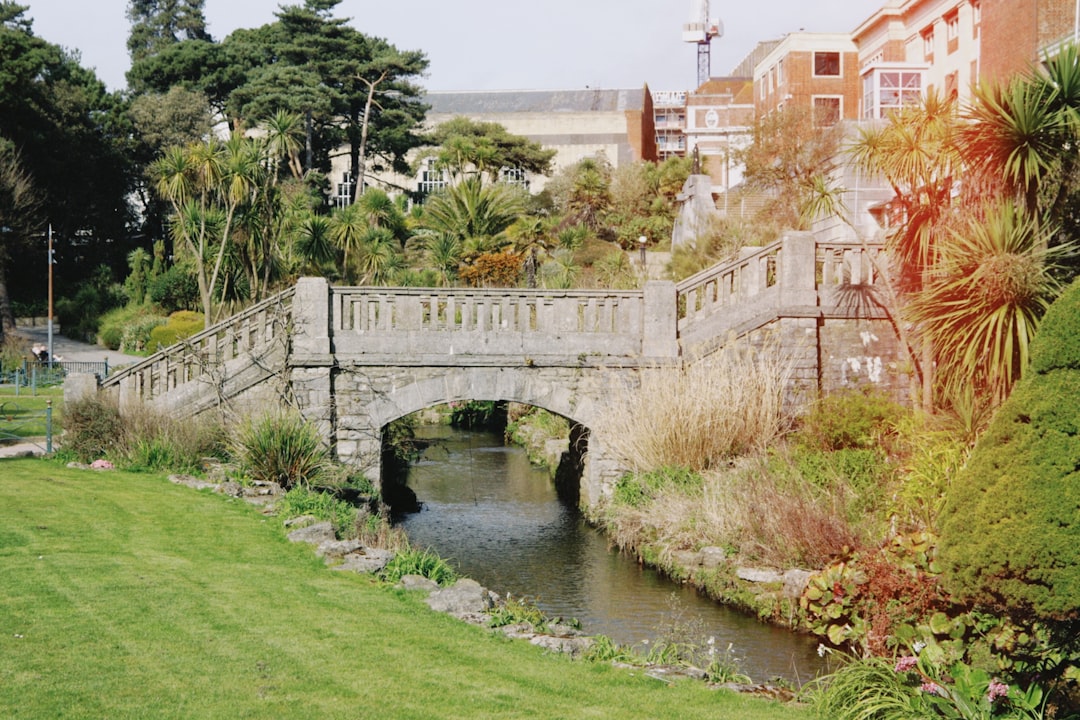
RAF Bentwaters Woodbridge, located in Suffolk, England, has a storied history that intertwines with the Cold War and the broader narrative of military aviation. Originally established during World War II, the airbase served as a crucial operational hub for the Royal Air Force and later transitioned to a United States Air Force (USAF) base during the 1950s. Its strategic location made it a key player in NATO’s defense strategy against the Soviet Union, housing various aircraft and personnel dedicated to maintaining peace and security in Europe.
The base was not only a center for military operations but also a focal point for numerous incidents that would later spark public interest and speculation. The significance of RAF Bentwaters Woodbridge extends beyond its military functions; it has become synonymous with some of the most controversial events in military history. Among these events, the most notable is the alleged nuclear weapons incident that occurred in December 1980.
This incident, shrouded in secrecy and speculation, has left an indelible mark on the base’s legacy and continues to fuel debates about government transparency and military accountability. As the years have passed, the stories surrounding RAF Bentwaters Woodbridge have evolved, drawing in historians, conspiracy theorists, and those simply curious about the truth behind the events that transpired.
Key Takeaways
- RAF Bentwaters Woodbridge was the site of a significant nuclear weapons incident with lasting national security implications.
- Eyewitnesses reported unusual events, but government officials have consistently denied or covered up details.
- Theories about the incident range from accidental mishandling to covert operations involving the USAF.
- Investigations and inquiries have been inconclusive, leaving many questions unanswered.
- The incident’s legacy continues to influence military protocols and public skepticism regarding transparency.
The Nuclear Weapons Incident
The nuclear weapons incident at RAF Bentwaters Woodbridge is often described as one of the most significant unexplained events in military history. On the night of December 26, 1980, multiple U.S. Air Force personnel reported witnessing strange lights in the sky near the base.
These lights were initially dismissed as mere reflections or misinterpretations of natural phenomena. However, as more reports emerged, it became clear that something unusual was occurring. Eyewitnesses described seeing triangular-shaped craft hovering silently above the forest surrounding the base, leading to speculation about extraterrestrial involvement or advanced military technology.
As investigations unfolded, it was revealed that the incident coincided with the presence of nuclear weapons at RAF Bentwaters Woodbridge. The base was known to house tactical nuclear weapons as part of NATO’s deterrent strategy against potential Soviet aggression. This connection raised alarm bells among military officials and government agencies, prompting a series of inquiries into what had transpired that night.
The combination of unidentified aerial phenomena and the presence of nuclear armaments created a perfect storm of intrigue and concern, leading many to question the safety protocols in place at such a sensitive military installation.
Eyewitness Accounts
Eyewitness accounts from that fateful night provide a compelling narrative that has captivated both skeptics and believers alike. Numerous military personnel stationed at RAF Bentwaters Woodbridge reported seeing bright lights and experiencing unusual sensations during the incident. Some described feeling a sense of dread or unease as they observed the lights moving in ways that defied conventional aircraft capabilities.
These testimonies were not isolated; they came from credible sources, including security personnel and officers who had undergone rigorous training to identify potential threats. One particularly striking account came from Staff Sergeant Jim Penniston, who claimed to have approached one of the unidentified craft. According to his testimony, he touched the craft’s surface and experienced a surge of information flooding his mind, which he later documented in a notebook.
His detailed notes included symbols and drawings that he believed were significant, further fueling speculation about the nature of the encounter. Such firsthand accounts have become central to discussions surrounding the incident, as they challenge conventional explanations and invite deeper exploration into what truly occurred that night.
Government Denials and Cover-ups
In the aftermath of the incident, government responses were marked by denials and attempts to downplay the significance of what had transpired. Official statements from both the U.S. Air Force and British authorities sought to dismiss eyewitness accounts as misinterpretations or fabrications.
This pattern of denial has led many to believe that there was more at stake than what was publicly acknowledged. The lack of transparency surrounding military operations and incidents involving nuclear weapons only fueled suspicions of a cover-up. The government’s reluctance to engage with the public’s curiosity about the incident has been met with frustration from those who witnessed it firsthand.
Many former military personnel have come forward over the years, expressing their discontent with how their experiences were handled by superiors. The insistence on maintaining secrecy regarding nuclear capabilities and potential threats has created an environment where trust between military officials and the public has been eroded. This dynamic raises important questions about accountability and the ethical implications of withholding information from citizens who may be directly affected by such incidents.
Theories and Speculations
| Metric | Details |
|---|---|
| Location | RAF Bentwaters and RAF Woodbridge, Suffolk, England |
| Operational Period | 1950s – 1993 |
| Primary Use | US Air Force bases hosting nuclear weapons and tactical aircraft |
| Nuclear Weapons Type | B61 nuclear bombs |
| Number of Nuclear Weapons | Estimated 150-200 warheads during peak deployment |
| Aircraft Deployed | F-111E, F-4 Phantom II, and other tactical fighter-bombers |
| Role in Cold War | Forward deployment of US nuclear weapons in Europe as deterrence |
| Decommissioning | 1993, following end of Cold War and arms reduction treaties |
The mysterious nature of the events at RAF Bentwaters Woodbridge has given rise to a plethora of theories and speculations regarding what truly occurred that night. Some individuals assert that the lights witnessed by military personnel were extraterrestrial spacecraft, suggesting that advanced alien technology may have been observing or interacting with Earth. This theory has gained traction within UFO enthusiast communities, who point to similar sightings around military installations as evidence of a broader phenomenon.
Conversely, others propose that the lights were experimental military aircraft or advanced drones being tested by either U.S. or allied forces. This theory posits that the secrecy surrounding military operations could explain why eyewitnesses were met with skepticism rather than support when reporting their experiences.
The intersection of advanced technology and national security creates fertile ground for speculation, as many are left wondering whether they were witnesses to an extraordinary event or simply caught up in a misunderstanding.
The Role of the United States Air Force

The United States Air Force played a pivotal role in both the events surrounding RAF Bentwaters Woodbridge and the subsequent handling of information related to the incident. As a key NATO installation during the Cold War, the base was home to numerous U.S. Air Force personnel tasked with maintaining readiness against potential threats from the Soviet Union.
The presence of nuclear weapons added an additional layer of complexity to their operations, making any incident involving unidentified aerial phenomena particularly sensitive.
However, these investigations were often criticized for their lack of transparency and thoroughness.
Many former personnel have expressed frustration over how their reports were handled, feeling that their experiences were dismissed rather than taken seriously by their superiors.
The Impact on National Security
The implications of the nuclear weapons incident at RAF Bentwaters Woodbridge extend beyond mere curiosity; they raise significant concerns about national security protocols during a time when tensions between superpowers were at an all-time high. The presence of unidentified aerial phenomena near a facility housing nuclear weapons poses serious questions about potential vulnerabilities within military operations. If such incidents could occur without proper oversight or response mechanisms in place, it raises alarms about how prepared military forces are to address unexpected threats.
Moreover, this incident serves as a reminder of the importance of transparency in military operations. When government agencies choose to withhold information from both personnel and civilians, it can lead to distrust and speculation that undermines public confidence in national security measures. The events at RAF Bentwaters Woodbridge highlight the need for open communication between military officials and citizens regarding potential threats and incidents involving sensitive materials.
Investigations and Inquiries
In light of the significant public interest surrounding the incident at RAF Bentwaters Woodbridge, various investigations and inquiries have been conducted over the years. These efforts have sought to uncover more information about what transpired on that December night and whether any official protocols were violated. However, many of these inquiries have been met with limited success due to classified information restrictions and government reluctance to disclose sensitive details.
One notable investigation was conducted by Dr. David Clarke, a researcher who sought to compile eyewitness accounts and official documents related to the incident. His work aimed to shed light on what happened at RAF Bentwaters Woodbridge while also addressing broader questions about government transparency regarding UFO sightings and military encounters with unidentified aerial phenomena.
Despite his efforts, many aspects of the incident remain shrouded in mystery, leaving unanswered questions that continue to intrigue researchers and enthusiasts alike.
The Legacy of RAF Bentwaters Woodbridge
The legacy of RAF Bentwaters Woodbridge is multifaceted, encompassing its historical significance as a military installation as well as its role in shaping public perceptions of government transparency and accountability. The events surrounding the nuclear weapons incident have left an indelible mark on both local communities and those interested in military history. As time passes, stories about what occurred at the base continue to circulate, contributing to its status as a site of intrigue.
Moreover, RAF Bentwaters Woodbridge has become a focal point for discussions about UFOs and government cover-ups within popular culture. Documentaries, books, and online forums dedicated to exploring these themes have emerged over time, ensuring that interest in this enigmatic chapter of history remains alive. The base’s legacy serves as a reminder of how complex interactions between military operations, public perception, and government accountability can shape narratives that endure long after events have transpired.
Lessons Learned and Future Implications
The events at RAF Bentwaters Woodbridge offer valuable lessons for contemporary military operations and government transparency initiatives. As technology continues to advance rapidly, ensuring robust protocols for addressing unidentified aerial phenomena becomes increasingly critical for national security agencies worldwide.
Additionally, this incident underscores the importance of thorough investigations into unexplained occurrences involving military assets or sensitive materials. By prioritizing transparency and accountability within defense agencies, governments can work towards rebuilding trust with citizens who may feel left in the dark regarding matters affecting their safety.
Unanswered Questions and Ongoing Controversy
The nuclear weapons incident at RAF Bentwaters Woodbridge remains one of history’s most intriguing unsolved mysteries, characterized by unanswered questions and ongoing controversy surrounding government responses to eyewitness accounts. As new generations continue to explore this enigmatic chapter in military history, it is clear that interest in what transpired on that December night will not wane anytime soon. Ultimately, RAF Bentwaters Woodbridge serves as both a historical landmark and a cautionary tale about transparency within national security operations.
As long as questions linger regarding what truly occurred during this incident—and whether similar events may happen again—public curiosity will persist alongside calls for greater accountability from those entrusted with safeguarding national interests.
The history of RAF Bentwaters and Woodbridge, particularly regarding their role in the Cold War and the presence of nuclear weapons, is a fascinating topic that has garnered significant attention. For those interested in exploring this subject further, a related article can be found at X File Findings, which delves into various aspects of military history and the implications of nuclear armament during that era.
WATCH THIS! They Disabled Our Nuclear Arsenal in 1980 and the Government Still Won’t Admit It
FAQs
What was RAF Bentwaters?
RAF Bentwaters was a Royal Air Force station located in Suffolk, England. It was used primarily by the United States Air Force during the Cold War.
What role did RAF Bentwaters play during the Cold War?
RAF Bentwaters served as a key NATO airbase hosting U.S. tactical fighter aircraft. It was strategically important for air defense and rapid response in Europe during the Cold War.
Were nuclear weapons stored at RAF Bentwaters?
Yes, RAF Bentwaters was one of several U.S. Air Force bases in the UK that stored nuclear weapons as part of NATO’s deterrence strategy during the Cold War.
What types of nuclear weapons were kept at RAF Bentwaters?
The base primarily stored tactical nuclear weapons, including nuclear bombs designed for use by fighter-bomber aircraft stationed there.
When did RAF Bentwaters stop hosting nuclear weapons?
Nuclear weapons were removed from RAF Bentwaters in the early 1990s following the end of the Cold War and subsequent arms reduction agreements.
What is the current status of RAF Bentwaters?
RAF Bentwaters was closed as an active military base in the 1990s. Parts of the site have been repurposed for civilian use, including as a business park and for other commercial activities.
Why was RAF Bentwaters significant in the context of nuclear weapons?
RAF Bentwaters was significant because it was part of the forward deployment of U.S. nuclear weapons in Europe, which was a critical element of NATO’s strategy to deter Soviet aggression during the Cold War.