
The phenomenon of Unidentified Aerial Phenomena (UAP) has long been a subject of intrigue, particularly within the confines of military installations. Historical records indicate that sightings of unexplained aerial objects have been reported at military bases since the mid-20th century. One of the earliest and most notable incidents occurred in 1947, when a pilot named Kenneth Arnold reported seeing nine unusual flying objects near Mount Rainier in Washington.
This event sparked widespread interest and speculation about the existence of extraterrestrial life, leading to numerous reports from military personnel stationed at various bases. Over the decades, these sightings have often been dismissed as misidentified aircraft or atmospheric phenomena, yet the frequency and consistency of reports from credible witnesses have kept the conversation alive. As the years progressed, military bases became focal points for UAP sightings, with numerous incidents documented in official reports.
The Cold War era saw an uptick in sightings, as heightened tensions and advanced military technology led to increased scrutiny of the skies. Notable cases, such as the 1980 Rendlesham Forest incident in the UK, involved multiple military personnel witnessing strange lights and objects near the RAF Bentwaters base. These encounters not only raised questions about the nature of these phenomena but also highlighted the potential implications for national security.
The history of UAP sightings at military bases is not merely a collection of anecdotes; it represents a complex interplay between human perception, technological advancement, and the unknown.
Key Takeaways
- UAP sightings at military bases have a long history, prompting ongoing investigations and concern.
- The Pentagon established a dedicated task force to analyze and disclose information about UAPs.
- UAP encounters can affect military operations and raise significant national security issues.
- Collaboration between military personnel and civilian researchers is key to advancing UAP understanding.
- Advances in tracking technology are shaping the future of UAP study and disclosure efforts.
Recent Developments in UAP Disclosure
In recent years, the topic of UAPs has gained unprecedented attention, particularly following the release of classified information by government agencies. The U.S. government’s acknowledgment of UAPs has shifted from a dismissive stance to one of serious inquiry.
In 2020, the Pentagon established a task force to investigate UAP sightings, signaling a significant change in how these phenomena are perceived by military and governmental authorities. This move was largely influenced by a series of videos released by the Navy that captured encounters with unidentified objects exhibiting flight characteristics beyond known technology. The public release of these videos ignited a renewed interest in UAPs, prompting calls for transparency and further investigation.
The push for disclosure has also been fueled by advocacy from former military personnel and politicians who have publicly shared their experiences and urged for more comprehensive investigations into UAPs. The establishment of the Office of the Director of National Intelligence (ODNI) report in June 2021 marked a pivotal moment in UAP discourse, as it provided a preliminary assessment of over 140 sightings reported by military personnel since 2004. This report acknowledged that many of these encounters remain unexplained, further legitimizing the need for ongoing research and transparency regarding UAPs.
As public interest continues to grow, so does the pressure on government entities to provide clarity on what these phenomena might represent.
The Pentagon’s Task Force for Unidentified Aerial Phenomena
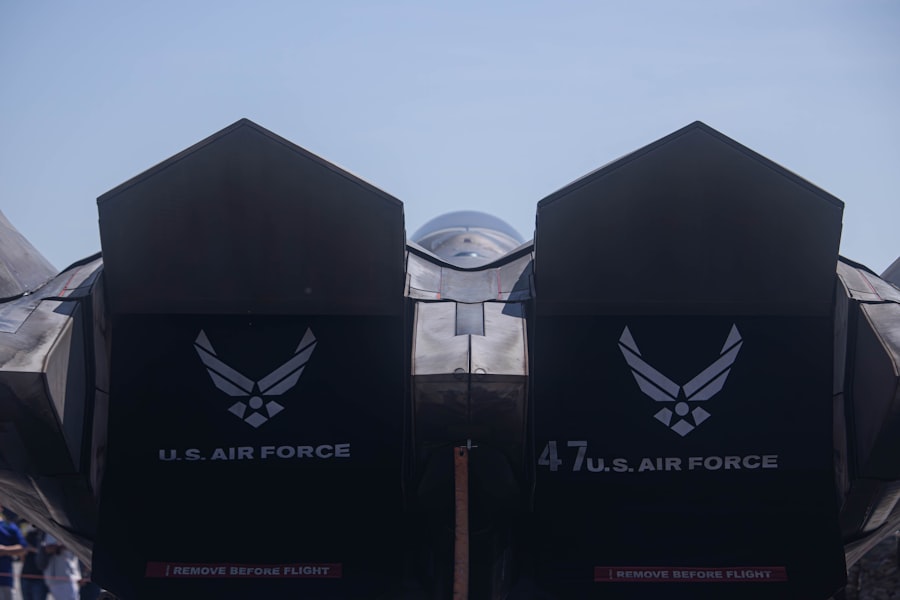
The Pentagon’s establishment of a task force dedicated to investigating UAPs represents a significant institutional response to a phenomenon that has long been shrouded in secrecy. Formed in August 2020, the Unidentified Aerial Phenomena Task Force (UAPTF) was created to evaluate reports from military personnel and analyze data related to UAP encounters. This initiative reflects a recognition that UAPs could pose potential risks to national security and aviation safety.
By systematically investigating these incidents, the task force aims to provide a clearer understanding of what these phenomena are and whether they represent advanced technology from foreign adversaries or something entirely different. The task force operates under the auspices of the Office of Naval Intelligence and collaborates with various branches of the military and intelligence community. Its primary objectives include collecting data on UAP sightings, analyzing patterns, and developing strategies for addressing any potential threats posed by these unidentified objects.
The establishment of this task force has not only legitimized the study of UAPs within military circles but has also encouraged a more open dialogue about the implications of these phenomena for national security. As it continues its work, the task force is expected to play a crucial role in shaping future policies regarding UAP investigations and disclosures.
How UAPs Impact Military Operations
The presence of UAPs poses unique challenges for military operations, particularly concerning airspace security and operational readiness. Military personnel are trained to identify and respond to various aerial threats, but UAPs often exhibit flight characteristics that defy conventional understanding. Reports indicate that some UAPs can maneuver at incredible speeds, change direction abruptly, and operate at altitudes beyond the capabilities of known aircraft.
Such capabilities raise concerns about potential vulnerabilities in national defense systems and highlight the need for enhanced protocols to address unidentified aerial threats. Moreover, UAP encounters can disrupt training exercises and operational missions. Pilots may be forced to divert their attention from primary objectives to investigate or evade unidentified objects in their vicinity.
This distraction can compromise mission effectiveness and safety, underscoring the importance of understanding these phenomena. As military operations increasingly rely on advanced technology and situational awareness, addressing UAPs becomes essential not only for safeguarding personnel but also for maintaining strategic advantages over adversaries.
The Role of Military Personnel in UAP Investigations
| Metric | Details |
|---|---|
| Number of UAP Sightings Near Military Bases (2020-2023) | Approximately 150 reported incidents |
| Percentage of UAP Reports Declassified | About 30% |
| Military Bases with Highest UAP Activity | Area 51, Nellis AFB, Edwards AFB, Naval Air Station Oceana |
| Average Duration of UAP Encounters | 5 to 20 minutes |
| Number of Official Military UAP Investigations | Over 20 investigations since 2017 |
| Publicly Released Military UAP Videos | 3 major videos released by the Department of Defense |
| Reported UAP Flight Characteristics | High speed, sudden acceleration, silent hovering |
| Military Response Actions | Radar tracking, pilot intercepts, data collection |
Military personnel play a critical role in the investigation and reporting of UAP sightings. As firsthand witnesses to these phenomena, their accounts provide valuable insights into the nature and behavior of unidentified objects. Many service members have come forward with their experiences, often describing encounters that defy explanation and challenge conventional understanding of aviation technology.
Their testimonies lend credibility to the ongoing discourse surrounding UAPs and underscore the need for thorough investigations. In addition to reporting sightings, military personnel are often involved in data collection efforts related to UAP encounters. This includes utilizing advanced radar systems, infrared sensors, and other technologies to capture evidence of unidentified objects.
The collaboration between service members and intelligence analysts is crucial for analyzing this data and identifying patterns that may emerge from multiple sightings. As more military personnel engage in these investigations, their contributions will be instrumental in shaping future research efforts and informing policy decisions regarding UAPs.
UAP Encounters and National Security Concerns
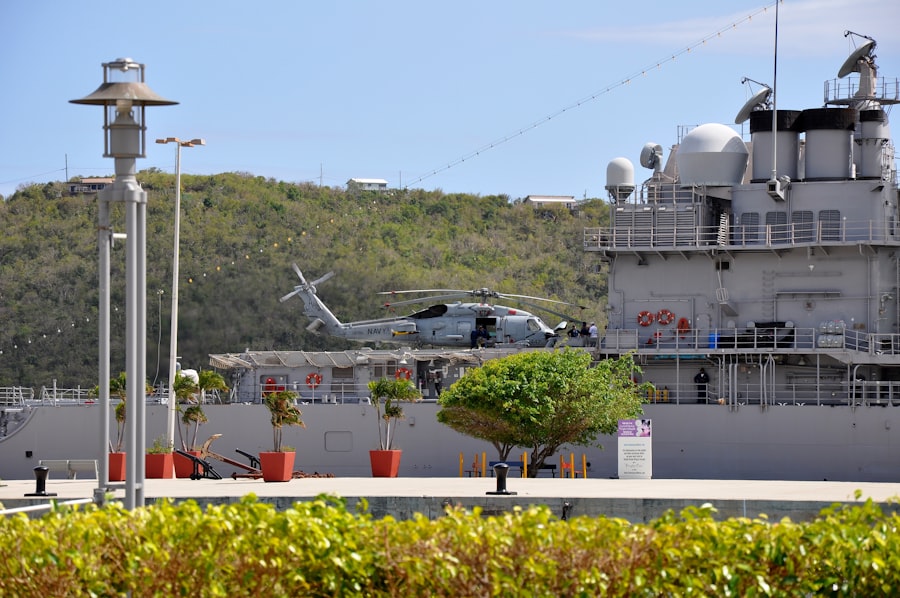
The implications of UAP encounters extend beyond mere curiosity; they raise significant national security concerns that warrant serious attention from government officials and military leaders alike. The potential for foreign adversaries to develop advanced aerial technologies that remain unidentified poses a direct threat to national defense capabilities. If these phenomena are indeed manifestations of foreign technology, they could compromise airspace security and strategic operations.
Furthermore, the psychological impact on military personnel who encounter UAPs cannot be overlooked. Witnessing unexplained aerial phenomena can lead to confusion and uncertainty among service members tasked with defending national interests. This psychological strain may affect decision-making processes during critical operations, highlighting the need for comprehensive training programs that address both the technical aspects of identifying aerial threats and the psychological ramifications of encountering the unknown.
The Connection Between Military Bases and UAP Hotspots
Military bases have emerged as notable hotspots for UAP sightings, leading researchers to explore potential connections between these installations and unexplained aerial phenomena. Several factors contribute to this correlation, including the presence of advanced radar systems, extensive flight operations, and heightened security measures that attract attention from unidentified objects. The concentration of military assets at these locations may inadvertently create an environment conducive to UAP encounters.
Additionally, some researchers speculate that certain geographical features surrounding military bases may play a role in attracting UAP activity. Areas with unique topographical characteristics or electromagnetic anomalies could influence the behavior of unidentified objects. As investigations continue, understanding these connections may provide valuable insights into why military bases are frequently associated with UAP sightings.
The Impact of UAP Disclosure on Public Perception
The recent push for transparency regarding UAPs has significantly influenced public perception surrounding these phenomena. As government agencies release previously classified information and acknowledge the existence of unexplained aerial encounters, public interest has surged. Many individuals who once viewed discussions about UAPs as fringe or conspiratorial are now engaging in serious conversations about their implications.
This shift in perception has also led to increased scrutiny of government actions related to UAP investigations. Citizens are demanding accountability and transparency from officials tasked with addressing these phenomena. As more information becomes available, public expectations for clarity regarding UAPs will likely continue to grow, prompting further discussions about their origins and potential implications for humanity.
Collaborations Between Military and Civilian UAP Researchers
The intersection between military investigations into UAPs and civilian research efforts has fostered an environment ripe for collaboration. As interest in UAPs expands beyond military circles, civilian researchers have begun to engage with former service members and government officials to gather insights into their experiences with unidentified aerial phenomena. This collaboration has led to a more comprehensive understanding of UAP encounters and has encouraged interdisciplinary approaches to studying these phenomena.
Civilian researchers often bring diverse perspectives and methodologies that complement military investigations. By combining resources and expertise, both sectors can work together to analyze data more effectively and develop innovative strategies for addressing UAP-related challenges. This collaborative spirit not only enhances research efforts but also promotes transparency and accountability within both military and civilian spheres.
The Technology Used to Track and Study UAPs
Advancements in technology have played a pivotal role in tracking and studying UAPs effectively. Military installations utilize sophisticated radar systems capable of detecting objects at various altitudes and speeds, providing critical data on unidentified aerial encounters. Additionally, infrared sensors equipped on aircraft can capture thermal signatures associated with flying objects, offering further insights into their behavior.
Emerging technologies such as artificial intelligence (AI) are also being integrated into UAP research efforts. AI algorithms can analyze vast amounts of data collected from radar systems and other sensors, identifying patterns that may not be immediately apparent to human analysts.
The Future of UAP Disclosure and Military Involvement
As discussions surrounding UAPs continue to evolve, the future of disclosure remains uncertain yet promising. The increasing acknowledgment from government entities suggests a willingness to engage with this complex issue openly. Continued pressure from both the public and advocacy groups will likely drive further investigations into UAP encounters while demanding transparency regarding findings.
Military involvement will remain crucial as new policies are developed to address UAP-related challenges effectively. As technology advances and collaboration between military personnel and civilian researchers deepens, there is potential for groundbreaking discoveries that could reshape humanity’s understanding of aerial phenomena. The future holds promise for greater clarity regarding UAPs, fostering an environment where knowledge can be shared openly while addressing national security concerns responsibly.
In conclusion, the exploration of Unidentified Aerial Phenomena at military bases encapsulates a rich history intertwined with contemporary developments in disclosure efforts. As investigations continue to unfold, both military personnel and civilian researchers will play vital roles in unraveling the mysteries surrounding these enigmatic encounters while navigating their implications for national security and public perception alike.
Recent discussions surrounding UAP (Unidentified Aerial Phenomena) disclosure have brought attention to military bases and their potential involvement in the investigation of these phenomena. For a deeper understanding of the implications of UAP sightings near military installations, you can read more in this related article on the topic.