
Traditional antenna detection methods form the foundation of telecommunications infrastructure management systems. These approaches primarily depend on manual inspections, visual evaluations, and basic signal strength measurements. However, these techniques present significant operational limitations that impact both efficiency and accuracy.
Manual inspection processes require substantial time investment and remain susceptible to human error. Inspectors frequently fail to identify antennas concealed by buildings, vegetation, or other obstructions, resulting in incomplete datasets and potential operational oversights with financial implications. Traditional detection methods typically cannot deliver real-time data collection capabilities.
This constraint proves particularly challenging in dense urban environments where building concentrations and structural obstacles interfere with signal propagation. Telecommunications operators consequently face difficulties maintaining optimal service performance standards, potentially affecting customer satisfaction levels. The continued use of legacy technologies and methodologies limits organizational capacity to respond effectively to rapidly evolving urban development patterns.
New construction projects and infrastructure installations can alter the telecommunications landscape within short timeframes, requiring adaptive detection capabilities that traditional methods cannot provide. These operational challenges demonstrate the necessity for advanced detection solutions that can overcome existing limitations and improve overall antenna identification effectiveness.
Key Takeaways
- Traditional antenna detection methods face significant limitations in accuracy and identifying concealed antennas.
- The new approach leverages advanced technology, including AI and machine learning, to enhance rooftop antenna detection.
- This method improves detection precision, especially in complex urban environments with hidden or obstructed antennas.
- Successful case studies demonstrate the practical benefits and effectiveness of the new detection approach.
- Future developments promise broader applications and address regulatory and legal considerations related to antenna detection.
Introducing a New Approach to Rooftop Antenna Detection
In response to the limitations of traditional antenna detection methods, a new approach has emerged that leverages advanced technologies to improve the identification and management of rooftop antennas. This innovative method combines aerial imaging, remote sensing, and data analytics to create a comprehensive solution for detecting antennas in urban environments. By utilizing drones equipped with high-resolution cameras and sensors, this approach allows for a more thorough examination of rooftops, capturing detailed images that can reveal hidden antennas that might otherwise go unnoticed.
The integration of remote sensing technology further enhances this new approach by enabling the collection of data from various angles and perspectives. This multifaceted view allows for a more accurate assessment of antenna placement and condition. Additionally, the use of data analytics tools facilitates the processing of vast amounts of information quickly, enabling telecommunications companies to make informed decisions based on real-time insights.
This new methodology not only streamlines the detection process but also provides a level of detail that was previously unattainable with traditional methods.
Understanding the Technology Behind the New Approach

At the heart of this new approach to rooftop antenna detection lies a sophisticated blend of technologies designed to work in harmony. Drones equipped with high-resolution cameras are capable of capturing detailed aerial imagery, which serves as the foundation for identifying antennas on rooftops. These drones can navigate complex urban environments with ease, reaching areas that may be difficult or dangerous for human inspectors to access.
The images captured by these drones are then processed using advanced image recognition algorithms that can identify antennas based on their unique characteristics. In addition to aerial imaging, remote sensing technology plays a crucial role in this new approach. By utilizing various sensors, such as LiDAR (Light Detection and Ranging), the system can gather data about the physical environment, including building heights and structural features.
This information is invaluable for creating accurate 3D models of urban landscapes, which can be used to assess antenna placement in relation to surrounding structures. The combination of these technologies not only enhances detection capabilities but also provides a comprehensive understanding of the urban environment, allowing for better planning and management of telecommunications infrastructure.
Advantages of Using the New Approach for Antenna Detection
The advantages of adopting this new approach to rooftop antenna detection are manifold. One of the most significant benefits is the increased efficiency it offers compared to traditional methods. By automating the detection process through aerial imaging and data analytics, telecommunications companies can significantly reduce the time required for inspections.
This efficiency translates into cost savings, as fewer resources are needed for manual inspections and data collection. Furthermore, the enhanced accuracy provided by this new approach cannot be overstated. Traditional methods often rely on subjective assessments that can lead to inconsistencies in data collection.
In contrast, the use of advanced imaging technology and algorithms ensures a higher level of precision in identifying antennas. This accuracy is crucial for maintaining optimal service levels and ensuring compliance with regulatory requirements. As a result, telecommunications companies can better serve their customers while minimizing the risk of costly errors associated with traditional detection methods.
How the New Approach Improves Accuracy and Precision
| Metric | Description | Typical Value | Unit | Measurement Method |
|---|---|---|---|---|
| Detection Accuracy | Percentage of correctly identified rooftop antennas | 85-95 | % | Image classification algorithms on aerial imagery |
| False Positive Rate | Percentage of non-antenna objects incorrectly detected as antennas | 5-10 | % | Validation against ground truth data |
| Detection Range | Maximum distance from which antennas can be detected | 500-1000 | meters | Remote sensing with high-resolution satellite or drone imagery |
| Processing Time | Time taken to analyze one square kilometer of imagery | 2-5 | minutes | Automated image processing pipeline |
| Resolution Requirement | Minimum image resolution needed for reliable detection | 0.3-0.5 | meters per pixel | High-resolution aerial or satellite imagery |
| Detection Confidence Threshold | Minimum confidence score to classify an object as an antenna | 0.7-0.9 | Score (0-1) | Machine learning model output |
The new approach to rooftop antenna detection significantly improves accuracy and precision through its reliance on advanced technologies and methodologies. By utilizing drones equipped with high-resolution cameras, this method captures detailed images from multiple angles, allowing for a comprehensive view of rooftops. This multifaceted perspective is essential for identifying antennas that may be obscured or difficult to see from ground level.
Moreover, the integration of image recognition algorithms enhances the precision of antenna detection. These algorithms are designed to analyze visual data and identify specific features associated with antennas, such as their shape and size. By automating this process, the new approach minimizes human error and ensures consistent results across different inspections.
Additionally, the ability to process large volumes of data quickly allows telecommunications companies to respond promptly to any issues that may arise, further enhancing service reliability.
Overcoming Challenges in Identifying Concealed Antennas
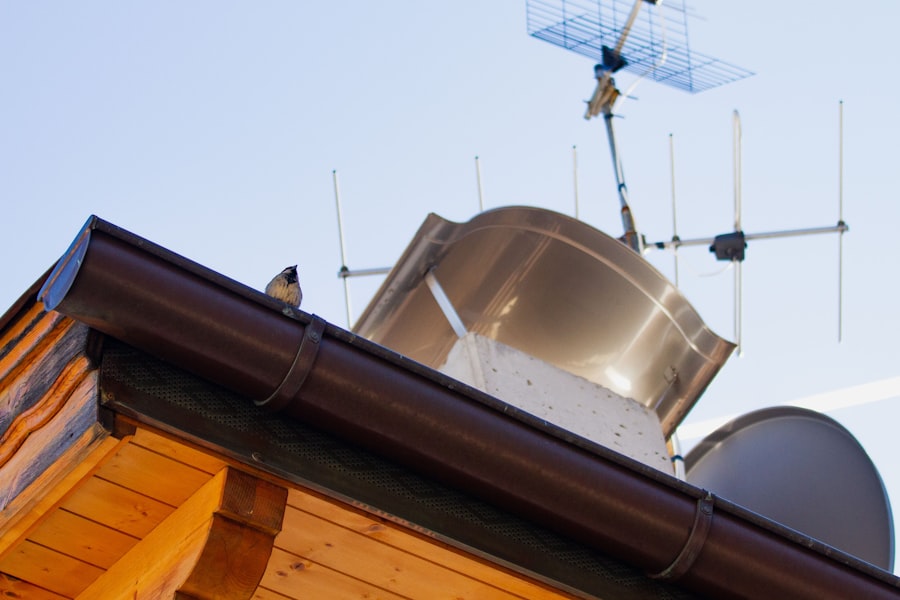
One of the most significant challenges in rooftop antenna detection is identifying concealed antennas that may be hidden from view due to various factors such as building design or environmental obstructions. Traditional methods often struggle with this issue, leading to incomplete assessments and potential service gaps. However, the new approach addresses these challenges head-on by leveraging advanced imaging technology and remote sensing capabilities.
By utilizing drones equipped with high-resolution cameras and LiDAR sensors, this new methodology can penetrate through obstructions and provide a clearer picture of rooftop configurations. The ability to capture detailed images from different angles allows for a more thorough examination of potential hiding spots for antennas. Additionally, the use of data analytics enables telecommunications companies to identify patterns and trends in antenna placement, helping them anticipate where concealed antennas may be located in future inspections.
Implementing the New Approach in Urban Environments
Implementing this new approach to rooftop antenna detection in urban environments presents both opportunities and challenges. Urban areas are characterized by their dense infrastructure and complex layouts, which can complicate traditional inspection methods. However, the use of drones and advanced imaging technology allows for a more efficient and effective solution tailored to these unique environments.
The flexibility offered by drone technology is particularly advantageous in urban settings where access may be restricted or hazardous. Drones can navigate tight spaces and capture images from angles that would be difficult or impossible for human inspectors to reach safely. Furthermore, the ability to conduct inspections quickly means that telecommunications companies can minimize disruptions to local communities while ensuring that their networks remain robust and reliable.
The Role of AI and Machine Learning in Rooftop Antenna Detection
Artificial intelligence (AI) and machine learning play a pivotal role in enhancing the capabilities of the new approach to rooftop antenna detection. These technologies enable systems to learn from vast amounts of data collected during inspections, improving their ability to identify antennas accurately over time. By analyzing patterns in historical data, AI algorithms can refine their detection processes, leading to even greater precision in future assessments.
Moreover, machine learning algorithms can adapt to changes in urban environments as new buildings are constructed or existing structures are modified. This adaptability ensures that telecommunications companies remain equipped to handle evolving challenges in antenna detection without requiring constant manual updates or interventions. As a result, AI and machine learning not only streamline operations but also contribute significantly to maintaining high service standards in an ever-changing landscape.
Case Studies and Success Stories of the New Approach in Action
Numerous case studies have demonstrated the effectiveness of this new approach to rooftop antenna detection across various urban environments. In one notable instance, a major telecommunications provider implemented drone-based inspections in a densely populated city known for its complex skyline. By utilizing aerial imaging technology, they were able to identify several concealed antennas that had previously gone undetected through traditional methods.
This discovery allowed them to optimize their network coverage significantly, resulting in improved service quality for thousands of customers. Another success story involved a city government collaborating with telecommunications companies to enhance public safety communications through better antenna management. By employing the new approach, they conducted comprehensive inspections across multiple rooftops within a short timeframe.
The data collected not only identified existing antennas but also provided insights into potential locations for future installations. This proactive strategy ensured that emergency services could maintain reliable communication channels during critical situations.
Regulatory and Legal Implications of Rooftop Antenna Detection
As with any technological advancement, the implementation of new approaches to rooftop antenna detection raises important regulatory and legal considerations. Telecommunications companies must navigate a complex landscape of local regulations governing aerial inspections and data collection practices. Ensuring compliance with privacy laws is paramount, particularly when using drones equipped with cameras that capture images of private properties.
Additionally, there may be zoning regulations that dictate where antennas can be installed or how they must be maintained. Telecommunications providers must work closely with local authorities to ensure that their operations align with existing regulations while advocating for policies that support innovative approaches to infrastructure management. By fostering collaboration between industry stakeholders and regulatory bodies, it is possible to create an environment conducive to technological advancement while safeguarding public interests.
Future Developments and Potential Applications of the New Approach
Looking ahead, the future developments surrounding this new approach to rooftop antenna detection hold great promise for both telecommunications companies and urban planners alike. As technology continues to evolve, advancements in drone capabilities, imaging technology, and data analytics will likely enhance detection accuracy even further. The integration of augmented reality (AR) could also provide real-time overlays during inspections, allowing operators to visualize antenna placements against existing infrastructure seamlessly.
Beyond telecommunications applications, this innovative approach could extend its benefits to other sectors such as urban planning, environmental monitoring, and infrastructure management. For instance, city planners could utilize aerial imaging data not only for antenna detection but also for assessing building conditions or planning new developments more effectively. As cities continue to grow and evolve, embracing such technologies will be essential for creating sustainable urban environments that meet the needs of their residents while optimizing resource management.
In conclusion, the limitations of traditional antenna detection methods have paved the way for innovative solutions that leverage advanced technologies like drones and AI-driven analytics. The new approach offers significant advantages in terms of efficiency, accuracy, and adaptability while addressing challenges associated with concealed antennas in complex urban environments. As telecommunications companies adopt these methodologies and navigate regulatory landscapes, they will undoubtedly enhance service delivery while contributing positively to urban development initiatives.
For those interested in the intricacies of rooftop antenna detection, a related article can be found on the XFile Findings website. This resource delves into various techniques and technologies used in the detection and analysis of rooftop antennas, providing valuable insights for both enthusiasts and professionals in the field. You can read more about it in this article.
WATCH THIS! 🛰️125 Years of Hidden Signals: What NASA Just Admitted About the Black Knight Satellite
FAQs
What is rooftop antenna detection?
Rooftop antenna detection refers to the process of identifying and locating antennas installed on the roofs of buildings. This can be done using various technologies such as satellite imagery, drones, or specialized sensors.
Why is rooftop antenna detection important?
Detecting rooftop antennas is important for urban planning, telecommunications infrastructure management, and ensuring compliance with local regulations. It helps service providers optimize network coverage and assists authorities in monitoring unauthorized installations.
What technologies are used for rooftop antenna detection?
Common technologies include high-resolution satellite and aerial imagery, drone surveillance, LiDAR scanning, and machine learning algorithms that analyze images to identify antenna structures.
Can rooftop antenna detection be automated?
Yes, automation is possible through the use of artificial intelligence and computer vision techniques that can process large volumes of imagery data to detect antennas with minimal human intervention.
What types of antennas can be detected on rooftops?
Various types of antennas can be detected, including satellite dishes, cellular antennas, microwave antennas, and TV broadcast antennas.
Are there privacy concerns related to rooftop antenna detection?
While rooftop antenna detection typically involves analyzing publicly visible structures, privacy concerns may arise if detection methods involve intrusive surveillance. It is important to comply with local laws and regulations regarding data collection and privacy.
How accurate is rooftop antenna detection?
Accuracy depends on the quality of the imagery, the detection technology used, and environmental factors such as weather and building density. Advanced AI models can achieve high accuracy but may still require manual verification.
Who uses rooftop antenna detection services?
Telecommunications companies, government agencies, urban planners, and real estate developers commonly use rooftop antenna detection to support infrastructure development and regulatory compliance.
Can rooftop antenna detection help in network optimization?
Yes, by identifying existing antenna locations, service providers can better plan network expansions, avoid signal interference, and improve overall coverage and service quality.
Is rooftop antenna detection costly?
Costs vary depending on the detection method, scale of the area surveyed, and technology used. Automated detection using satellite imagery and AI can be cost-effective for large-scale applications compared to manual inspections.