
In the current global environment characterized by accelerating technological development and heightened international tensions, aerospace threat identification has emerged as a priority for national defense systems worldwide. Advanced aerospace threat identification involves the deployment of sophisticated detection, analysis, and response technologies to address potential risks from various airborne objects, including military aircraft, unmanned aerial systems, and unidentified aerial phenomena. The continuous evolution of aerial threats necessitates corresponding advances in identification and mitigation methodologies.
This examination covers the historical development, existing technologies, and projected developments in aerospace threat identification, emphasizing its role in national security frameworks. The strategic importance of advanced aerospace threat identification systems is substantial. The widespread adoption of unmanned aerial vehicles and enhanced capabilities of international military platforms require continuous airspace monitoring and protection measures.
Accurate threat identification and response capabilities are fundamental to military readiness and the protection of civilian infrastructure and populations. Consequently, the advancement of threat identification systems represents a key objective for defense agencies and government institutions globally.
Key Takeaways
- Advanced aerospace threat identification integrates cutting-edge technology to detect and analyze potential aerial threats.
- Historical developments have shaped current methodologies and tools used in aerospace threat detection.
- Governments and military agencies play a crucial role in advancing and implementing aerospace threat identification systems.
- International collaboration enhances the effectiveness and scope of aerospace threat detection efforts.
- Ethical, legal, and public awareness considerations are essential for responsible and transparent aerospace threat identification practices.
The History of Aerospace Threat Identification
The history of aerospace threat identification can be traced back to the early days of aviation when rudimentary methods were employed to detect enemy aircraft. During World War I, nations began to recognize the need for organized air defense systems, leading to the establishment of radar technology in the 1930s. This groundbreaking innovation revolutionized aerial surveillance, allowing military forces to detect incoming threats from greater distances and with increased accuracy.
The Cold War era marked a significant turning point in aerospace threat identification. The arms race between superpowers led to the development of advanced radar systems, satellite surveillance, and electronic warfare capabilities.
These innovations not only enhanced military readiness but also laid the groundwork for modern aerospace threat identification techniques. The introduction of stealth technology further complicated detection efforts, prompting researchers and defense agencies to explore new avenues for identifying aerial threats. As a result, the field has continued to evolve, incorporating advancements in artificial intelligence (AI), machine learning, and data analytics.
The Latest Technologies Used in Aerospace Threat Identification

Today, aerospace threat identification relies on a diverse array of cutting-edge technologies that enhance detection capabilities and improve response times. One of the most significant advancements is the integration of AI and machine learning algorithms into surveillance systems. These technologies enable analysts to process vast amounts of data from various sources, including radar, satellite imagery, and sensor networks, allowing for real-time threat assessment.
By automating data analysis, AI can identify patterns and anomalies that may indicate potential threats, significantly reducing the time required for human operators to make informed decisions. Another notable development in aerospace threat identification is the use of advanced sensor technologies. Modern sensors can detect a wide range of aerial objects, from small drones to large military aircraft, with remarkable precision.
These sensors often employ multi-spectral imaging and advanced signal processing techniques to enhance their detection capabilities. Additionally, the advent of networked sensor systems allows for improved situational awareness by integrating data from multiple sources into a cohesive operational picture. This interconnected approach enables military and civilian agencies to collaborate more effectively in identifying and responding to potential threats.
The Role of Governments and Military in Advanced Aerospace Threat Identification
Governments and military organizations play a pivotal role in advancing aerospace threat identification efforts. National defense agencies are tasked with developing and implementing strategies to protect airspace from potential threats, necessitating significant investment in research and development. This commitment is evident in the establishment of specialized units dedicated to aerospace surveillance and threat assessment.
These units leverage advanced technologies and collaborate with private sector partners to enhance their capabilities. Moreover, international cooperation among military forces has become increasingly important in addressing shared aerospace threats. Joint exercises and information-sharing initiatives allow nations to pool resources and expertise, fostering a collaborative approach to threat identification.
By working together, countries can develop standardized protocols for detecting and responding to aerial threats, ultimately enhancing global security. The role of governments in this context extends beyond military applications; they also play a crucial part in establishing regulatory frameworks that govern the use of emerging technologies in aerospace threat identification.
The Impact of Advanced Aerospace Threat Identification on National Security
| Metric | Description | Value | Unit | Source/Notes |
|---|---|---|---|---|
| Program Duration | Length of the AATIP program operation | 5 | Years | 2007 – 2012 |
| Budget Allocation | Estimated funding for AATIP | 22 | Million USD | Reported by US Department of Defense |
| Number of Investigated Incidents | UFO/UAP encounters analyzed | 400+ | Incidents | Classified and unclassified reports |
| Research Areas | Focus areas of threat identification | Advanced propulsion, radar anomalies, materials analysis | N/A | Program documentation |
| Collaborating Agencies | Government and defense entities involved | 5 | Agencies | Includes DoD, intelligence agencies |
| Public Reports Released | Number of declassified or public documents | 3 | Reports | Including Pentagon briefings |
The implications of advanced aerospace threat identification on national security are profound. By enhancing detection capabilities, nations can better protect their airspace from potential incursions by hostile entities. This proactive approach not only safeguards military assets but also ensures the safety of civilian populations and critical infrastructure.
The ability to identify threats early allows for timely responses that can prevent escalation and mitigate potential damage. Furthermore, advanced aerospace threat identification contributes to strategic deterrence. When adversaries recognize that a nation possesses sophisticated detection capabilities, they may be less inclined to engage in aggressive actions that could provoke retaliation.
This deterrent effect is particularly relevant in an age where cyber warfare and unmanned aerial systems are increasingly utilized by state and non-state actors alike. As nations invest in advanced threat identification technologies, they bolster their overall security posture while fostering stability in an unpredictable global landscape.
The Collaboration between Countries in Aerospace Threat Identification
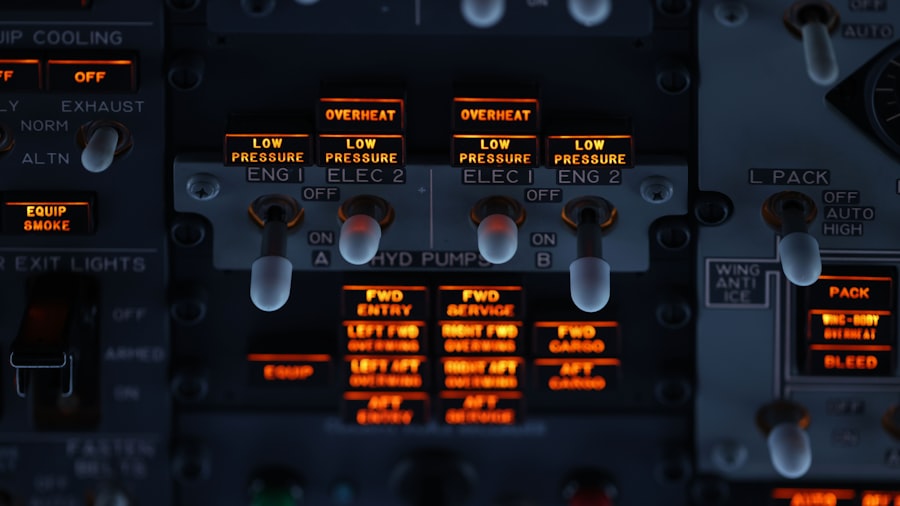
Collaboration between countries is essential for effective aerospace threat identification in an interconnected world. As aerial threats often transcend national borders, international partnerships are crucial for sharing intelligence and best practices. Multinational organizations such as NATO play a vital role in facilitating cooperation among member states, enabling them to coordinate their efforts in identifying and responding to potential threats.
Joint initiatives often involve collaborative research projects aimed at developing new technologies for threat detection. By pooling resources and expertise, countries can accelerate innovation while reducing costs associated with research and development. Additionally, information-sharing agreements allow nations to exchange data on emerging threats and vulnerabilities, enhancing collective situational awareness.
This collaborative approach not only strengthens individual nations’ defenses but also contributes to global security by fostering trust and cooperation among allies.
The Future of Advanced Aerospace Threat Identification
Looking ahead, the future of advanced aerospace threat identification is poised for further transformation as technology continues to evolve at an unprecedented pace. One promising area of development is the integration of quantum computing into threat detection systems. Quantum computing has the potential to revolutionize data processing capabilities, enabling analysts to solve complex problems that are currently beyond the reach of classical computing methods.
This advancement could lead to significant improvements in real-time threat assessment and response times. Moreover, as aerial threats become increasingly sophisticated, there will be a growing emphasis on developing adaptive systems capable of learning from past encounters. Machine learning algorithms will likely play a central role in this evolution, allowing systems to continuously improve their detection capabilities based on new data inputs.
As nations invest in research and development initiatives focused on these emerging technologies, they will enhance their ability to identify and respond to evolving aerospace threats effectively.
Challenges and Obstacles in Advanced Aerospace Threat Identification
Despite significant advancements in aerospace threat identification technologies, several challenges persist that hinder progress in this critical field. One major obstacle is the sheer volume of data generated by modern surveillance systems. While advanced analytics tools can process vast amounts of information, distinguishing between genuine threats and benign activities remains a complex task.
False positives can lead to unnecessary alarm or misallocation of resources, underscoring the need for continuous refinement of detection algorithms. Additionally, regulatory hurdles pose challenges for the deployment of new technologies in aerospace threat identification. Governments must navigate complex legal frameworks governing airspace usage while balancing national security interests with civil liberties concerns.
Striking this balance is essential for ensuring public trust in surveillance initiatives while maintaining effective threat detection capabilities.
The Importance of Public Awareness and Education in Aerospace Threat Identification
Public awareness and education play a crucial role in fostering understanding and support for advanced aerospace threat identification initiatives. As technology continues to advance, it is essential for citizens to be informed about the potential risks associated with aerial threats as well as the measures being taken to address them. Educational programs that promote awareness about drone safety, airspace regulations, and emerging technologies can empower individuals to contribute positively to national security efforts.
Moreover, public engagement can help build trust between government agencies and communities regarding surveillance practices. Transparency about how data is collected and used can alleviate concerns about privacy violations while reinforcing the importance of collective responsibility in identifying potential threats. By fostering an informed citizenry, nations can create a more resilient society capable of supporting advanced aerospace threat identification initiatives.
Ethical and Legal Considerations in Advanced Aerospace Threat Identification
As advancements in aerospace threat identification continue to unfold, ethical and legal considerations must remain at the forefront of discussions surrounding these technologies. The use of surveillance systems raises important questions about privacy rights and civil liberties. Striking a balance between national security interests and individual freedoms is paramount; governments must ensure that their actions do not infringe upon citizens’ rights while effectively addressing potential threats.
Additionally, ethical considerations extend beyond privacy concerns; they also encompass issues related to accountability and transparency in decision-making processes surrounding threat identification initiatives. Establishing clear guidelines for data usage, retention policies, and oversight mechanisms can help mitigate potential abuses while fostering public trust in government actions.
The Continued Evolution of Aerospace Threat Identification
In conclusion, advanced aerospace threat identification represents a dynamic field that continues to evolve alongside technological advancements and shifting geopolitical landscapes. From its historical roots in early aviation to its current state characterized by sophisticated AI-driven systems, the journey has been marked by innovation and collaboration among nations. As countries face increasingly complex aerial threats, investing in research and development will be crucial for maintaining effective detection capabilities.
Looking ahead, challenges remain that must be addressed through public engagement, ethical considerations, and international cooperation. By fostering awareness among citizens while navigating legal frameworks responsibly, nations can enhance their ability to identify potential threats while safeguarding individual rights. Ultimately, the continued evolution of aerospace threat identification will play a vital role in ensuring national security in an ever-changing world.
The Advanced Aerospace Threat Identification Program (AATIP) has garnered significant attention for its efforts to investigate unidentified aerial phenomena and potential threats to national security. For a deeper understanding of the implications and findings related to AATIP, you can explore a related article that discusses various aspects of this program and its impact on aerospace research. Check it out here: xfilefindings.
com/sample-page/’>AATIP Insights.
WATCH THIS 🛑 LEAKED: The Ring That Defied Physics (1954-2025 Classified Documents Exposed)
FAQs
What does AATIP stand for?
AATIP stands for Advanced Aerospace Threat Identification Program. It was a secret investigatory effort funded by the United States government to study unidentified flying objects (UFOs) and other aerospace phenomena.
When was the AATIP program active?
The AATIP program was reportedly active from 2007 to 2012, although some related activities and investigations may have continued beyond that period.
What was the main purpose of AATIP?
The main purpose of AATIP was to investigate and analyze reports of unidentified aerial phenomena (UAP) that could pose a potential threat to U.S. national security.
Who ran the AATIP program?
The program was run by the Defense Intelligence Agency (DIA) with support from the Department of Defense. It was initiated under the direction of then-Senator Harry Reid.
What kind of research did AATIP conduct?
AATIP researched various aerospace threats, including advanced propulsion technologies, unusual flight characteristics, and unexplained aerial sightings reported by military personnel.
Is AATIP still operational?
Officially, AATIP was terminated in 2012. However, some investigations into UAPs have continued under different government initiatives and programs.
Has AATIP released any findings to the public?
Some information about AATIP has been declassified and released, including videos of UAP encounters by U.S. Navy pilots. However, many details remain classified.
Why was AATIP kept secret?
AATIP was kept secret due to the sensitive nature of its investigations, which involved national security concerns and potentially advanced aerospace technologies.
Did AATIP confirm the existence of extraterrestrial technology?
AATIP did not officially confirm the existence of extraterrestrial technology. Its investigations focused on identifying and understanding unexplained aerial phenomena without drawing definitive conclusions about their origin.
What impact did AATIP have on U.S. defense policy?
AATIP helped raise awareness within the U.S. government about the potential threats posed by unidentified aerial phenomena, leading to increased efforts to study and address these issues in subsequent programs.