
In an era marked by increasing urbanization and the proliferation of high-rise buildings, the necessity for vertical evacuation infrastructure has become more pronounced. As cities expand vertically, the potential for disasters—be they natural, such as earthquakes and floods, or man-made, such as fires and terrorist attacks—poses significant risks to occupants of tall structures. Vertical evacuation infrastructure is designed to facilitate the safe and efficient movement of individuals to higher ground or safer areas within a building during emergencies.
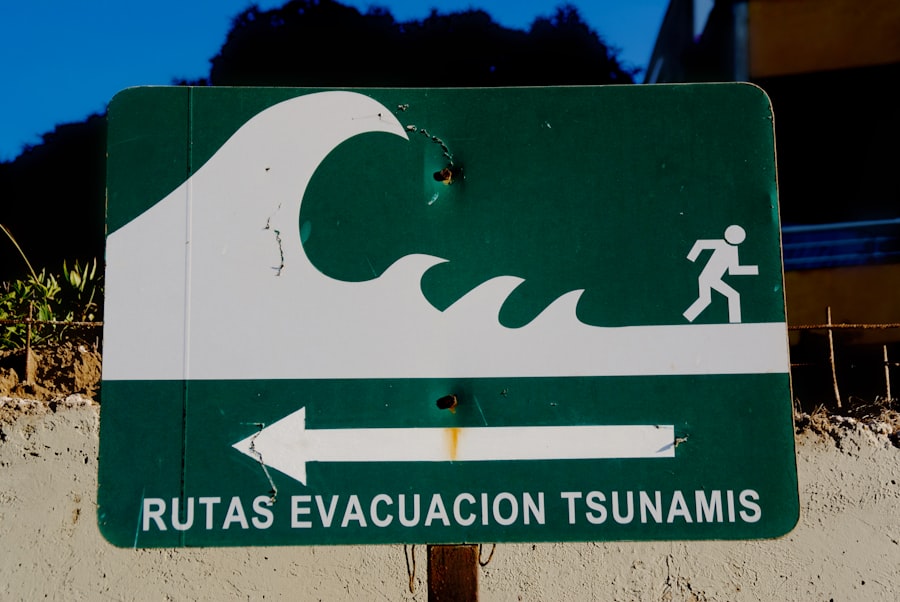
This approach not only addresses the immediate need for safety but also reflects a broader understanding of urban resilience in the face of unpredictable threats. Moreover, the concept of vertical evacuation is particularly relevant in regions prone to flooding or tsunamis, where traditional horizontal evacuation routes may be compromised. In such scenarios, ascending to higher floors can be a lifesaving strategy.
The integration of vertical evacuation infrastructure into building design is not merely a precaution; it is a critical component of urban planning that acknowledges the unique challenges posed by densely populated environments. As cities continue to grow, the implementation of effective vertical evacuation systems will be essential in safeguarding lives and ensuring that urban centers remain resilient against various hazards.
Key Takeaways
- Vertical evacuation infrastructure is essential for enhancing safety in high-risk environments prone to disasters.
- Assessing building vulnerabilities helps tailor evacuation designs to specific risks and structural challenges.
- Incorporating vertical evacuation features during design and construction ensures effective and accessible escape routes.
- Regular training, stakeholder engagement, and collaboration with emergency agencies improve evacuation readiness and response.
- Continuous maintenance, testing, and plan evaluation are critical for sustaining the effectiveness of vertical evacuation systems.
Assessing the Risks and Vulnerabilities of the Built Environment
To effectively implement vertical evacuation infrastructure, a thorough assessment of the risks and vulnerabilities inherent in the built environment is essential. This process involves identifying potential hazards that could necessitate vertical evacuation, such as seismic activity, flooding, fire outbreaks, and terrorist threats. Each of these risks presents unique challenges that must be addressed through tailored evacuation strategies.
For instance, buildings located in seismic zones require specific design considerations to ensure structural integrity during an earthquake, while those in flood-prone areas must prioritize access to upper floors. Additionally, understanding the vulnerabilities of existing structures is crucial for developing effective evacuation plans. Many older buildings may not have been designed with modern safety standards in mind, potentially lacking adequate escape routes or emergency communication systems.
Conducting comprehensive risk assessments allows urban planners and architects to identify these weaknesses and prioritize upgrades or retrofitting efforts. By addressing vulnerabilities proactively, cities can enhance their overall safety and resilience, ensuring that vertical evacuation infrastructure is not only present but also effective in real-world scenarios.
Integrating Vertical Evacuation into Building Design and Construction
The integration of vertical evacuation strategies into building design and construction is a multifaceted process that requires collaboration among architects, engineers, and urban planners. This collaboration ensures that safety features are seamlessly incorporated into the overall aesthetic and functionality of a building. For instance, stairwells designed for vertical evacuation must be wide enough to accommodate large groups of people while remaining accessible to individuals with disabilities.
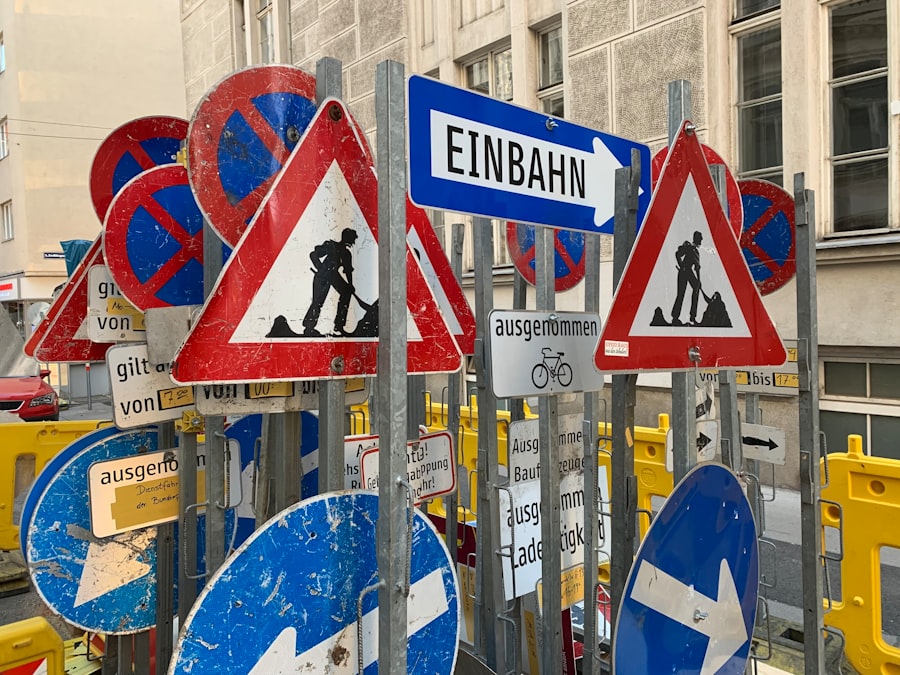
Additionally, these stairwells should be equipped with clear signage and emergency lighting to guide occupants during an evacuation.
New constructions are often required to include features such as reinforced stairwells, designated refuge areas on upper floors, and advanced fire suppression systems.
These elements not only enhance safety but also contribute to the overall resilience of urban environments. By prioritizing vertical evacuation in the design phase, architects can create spaces that are not only visually appealing but also equipped to handle emergencies effectively.
Implementing Vertical Evacuation Protocols and Procedures
Once vertical evacuation infrastructure is established, it is imperative to develop clear protocols and procedures for its use during emergencies. These protocols should outline specific actions for building occupants, staff, and emergency responders to take when an evacuation is necessary. For example, occupants should be trained to recognize alarm signals and understand the designated evacuation routes leading to higher floors or safe areas within the building.
Additionally, staff members should be equipped with knowledge about how to assist individuals with mobility challenges during an evacuation. Regular drills and simulations are essential for ensuring that all building occupants are familiar with these protocols. By practicing vertical evacuation procedures, individuals can develop muscle memory that will aid them in real-life situations where time is of the essence.
Moreover, feedback from these drills can be invaluable in refining protocols and identifying areas for improvement. The goal is to create a culture of preparedness within buildings, where occupants feel confident in their ability to respond effectively during emergencies.
Utilizing Technology for Vertical Evacuation Planning and Management
| Metric | Description | Recommended Value/Standard | Unit | Notes |
|---|---|---|---|---|
| Evacuation Capacity | Number of people the vertical evacuation structure can safely accommodate | Minimum 1000 | Persons | Depends on local population density and hazard risk |
| Structural Load Resistance | Ability of structure to withstand seismic and wind loads | Seismic: Zone 4 or higher; Wind: 150 mph | Load rating (e.g., psi, kN/m²) | Must comply with local building codes and standards |
| Evacuation Time | Time required to evacuate occupants to safe levels | Less than 15 minutes | Minutes | Depends on stair width and number of exits |
| Number of Staircases | Number of staircases available for evacuation | Minimum 2 | Count | Ensures redundancy and faster evacuation |
| Staircase Width | Width of staircases to accommodate evacuation flow | Minimum 44 inches (112 cm) | Inches / cm | Wider staircases reduce bottlenecks |
| Emergency Power Supply | Backup power availability for lighting and communication | Minimum 72 hours autonomy | Hours | Critical for nighttime or power outage scenarios |
| Communication Systems | Availability of public address and emergency communication | Integrated PA system with backup | System type | Ensures coordination during evacuation |
| Accessibility | Design considerations for disabled and elderly occupants | Compliant with ADA or local accessibility standards | Compliance | Includes ramps, elevators, and handrails |
| Location Elevation | Height above expected flood or tsunami levels | Minimum 10 meters above maximum expected inundation | Meters | Critical for tsunami vertical evacuation structures |
| Structural Materials | Materials used for durability and resistance | Reinforced concrete or steel | Material type | Must resist corrosion, fire, and seismic forces |
In today’s digital age, technology plays a pivotal role in enhancing vertical evacuation planning and management. Advanced modeling software can simulate various emergency scenarios, allowing planners to visualize how occupants would move through a building during an evacuation. This data-driven approach enables stakeholders to identify potential bottlenecks or challenges in the evacuation process and make informed decisions about infrastructure improvements.
Additionally, technology can facilitate real-time communication during emergencies. Mobile applications can provide occupants with critical information about evacuation routes, emergency contacts, and updates on the situation outside the building. Furthermore, integrating smart building technologies—such as automated lighting systems and emergency alerts—can significantly improve the efficiency of vertical evacuations.
By harnessing technology effectively, cities can create more responsive and adaptive vertical evacuation systems that prioritize occupant safety.
Engaging Stakeholders in Vertical Evacuation Planning and Preparedness
Engaging stakeholders in vertical evacuation planning is crucial for creating comprehensive and effective strategies. Stakeholders may include building owners, tenants, local government officials, emergency responders, and community organizations. By involving these diverse groups in the planning process, cities can ensure that various perspectives are considered and that plans are tailored to meet the specific needs of different populations.
Community engagement initiatives can take many forms, from public forums to workshops where stakeholders can voice their concerns and contribute ideas. This collaborative approach fosters a sense of ownership among community members regarding their safety measures. Additionally, involving local emergency services in planning discussions ensures that their expertise informs evacuation protocols and procedures.
Ultimately, stakeholder engagement enhances transparency and builds trust within communities, making them more resilient in the face of potential disasters.
Ensuring Accessibility and Inclusivity in Vertical Evacuation Infrastructure
A critical aspect of vertical evacuation infrastructure is ensuring that it is accessible and inclusive for all individuals, regardless of their physical abilities or limitations. This consideration is particularly important in high-rise buildings where occupants may include elderly individuals, people with disabilities, or those with temporary mobility challenges. Designing stairwells with wider landings, installing elevators with emergency power backup systems, and providing clear signage in multiple languages are just a few ways to enhance accessibility.
Moreover, it is essential to consider the psychological aspects of inclusivity during evacuations. Individuals with disabilities may experience heightened anxiety during emergencies; therefore, providing training for staff on how to assist these individuals compassionately can make a significant difference in their experience during an evacuation. By prioritizing accessibility and inclusivity in vertical evacuation planning, cities can ensure that all occupants feel safe and supported during emergencies.
Training and Educating Building Occupants on Vertical Evacuation Procedures
Training and education are fundamental components of effective vertical evacuation strategies. Building occupants must be well-informed about emergency procedures to respond appropriately when faced with a crisis. Regular training sessions can cover various topics, including recognizing alarm signals, understanding evacuation routes, and knowing how to assist others during an emergency.
In addition to formal training sessions, educational materials such as brochures or digital resources can reinforce key concepts related to vertical evacuation. These materials should be easily accessible and available in multiple formats to cater to diverse learning preferences. Engaging occupants through interactive workshops or simulations can also enhance retention of information while fostering a sense of community preparedness.
Ultimately, well-informed occupants are more likely to act decisively during emergencies, contributing to overall safety.
Maintaining and Testing Vertical Evacuation Infrastructure
The effectiveness of vertical evacuation infrastructure relies heavily on regular maintenance and testing protocols. Just as fire alarms require routine checks to ensure functionality, so too do stairwells, elevators, and other critical components of vertical evacuation systems need consistent evaluation. Regular inspections can identify wear and tear or potential hazards that could impede safe evacuations.
Testing procedures should also include conducting drills that simulate real-life scenarios involving vertical evacuations. These drills provide valuable insights into how well the infrastructure performs under pressure and highlight areas for improvement. Feedback from participants can inform future maintenance efforts and help refine protocols for better efficiency during actual emergencies.
By prioritizing maintenance and testing, cities can ensure that their vertical evacuation infrastructure remains reliable when it matters most.
Collaborating with Emergency Response Agencies for Vertical Evacuation Coordination
Collaboration between building management teams and local emergency response agencies is vital for effective vertical evacuation coordination during crises. Establishing clear lines of communication between these entities ensures that everyone involved understands their roles and responsibilities during an emergency situation. Regular meetings between building managers and emergency responders can facilitate information sharing about potential risks specific to each location.
Moreover, joint training exercises can enhance coordination efforts by allowing both parties to practice their responses together in simulated scenarios. This collaboration fosters trust between building management teams and emergency responders while ensuring that everyone is prepared for real-life emergencies. By working together proactively, cities can create a more cohesive response framework that prioritizes occupant safety during vertical evacuations.
Evaluating and Improving Vertical Evacuation Plans and Infrastructure
The final step in establishing effective vertical evacuation strategies involves ongoing evaluation and improvement of plans and infrastructure. After each drill or real-life emergency event, stakeholders should conduct thorough assessments to identify successes as well as areas needing enhancement. Gathering feedback from participants can provide valuable insights into how well existing plans functioned under pressure.
Additionally, staying informed about advancements in technology or changes in building codes can inform necessary updates to vertical evacuation strategies over time. Continuous improvement ensures that cities remain adaptable in their approach to safety while addressing emerging risks associated with urban living. By committing to regular evaluation processes, communities can foster resilience through proactive measures that prioritize occupant safety during emergencies.
In conclusion, as urban environments continue to evolve with increasing heights and complexities, the need for robust vertical evacuation infrastructure becomes ever more critical. Through comprehensive risk assessments, thoughtful design integration, stakeholder engagement, accessibility considerations, training initiatives, maintenance protocols, collaboration with emergency services, and ongoing evaluations—cities can create effective systems that prioritize occupant safety during emergencies while fostering resilience within their communities.
In the context of vertical evacuation infrastructure design planning, it is essential to consider various factors that influence the effectiveness and safety of such systems. A related article that delves into the intricacies of this topic can be found at xfilefindings.
com/sample-page/’>this link. This resource provides valuable insights into the planning and implementation of vertical evacuation strategies, highlighting best practices and innovative approaches to enhance safety during emergencies.
WATCH THIS! They Sealed This CIA File for a Reason—Here’s What the Psychic Saw
FAQs
What is vertical evacuation infrastructure?
Vertical evacuation infrastructure refers to specially designed structures or modifications that allow people to move to higher levels within a building or designated safe areas during emergencies such as tsunamis, floods, or other natural disasters where horizontal evacuation is not feasible.
Why is vertical evacuation important in disaster planning?
Vertical evacuation is crucial in areas prone to rapid-onset disasters like tsunamis or flash floods, where there may not be enough time or safe routes to evacuate horizontally. It provides a safe refuge above the reach of floodwaters or other hazards, potentially saving lives.
What are key considerations in designing vertical evacuation infrastructure?
Key considerations include structural integrity to withstand disaster forces, accessibility for all individuals including those with disabilities, capacity to accommodate expected populations, location relative to hazard zones, and compliance with local building codes and safety standards.
Who is responsible for planning vertical evacuation infrastructure?
Planning typically involves collaboration between local government agencies, emergency management officials, urban planners, engineers, architects, and community stakeholders to ensure the infrastructure meets safety requirements and community needs.
What types of structures can serve as vertical evacuation sites?
Structures can include specially designed vertical evacuation towers, reinforced multi-story buildings, parking garages, or elevated platforms that are structurally sound and located within or near hazard zones.
How is accessibility ensured in vertical evacuation design?
Designs incorporate features such as ramps, elevators, wide stairways, and clear signage to accommodate people with mobility challenges, the elderly, children, and others who may require assistance during evacuation.
Are there guidelines or standards for vertical evacuation infrastructure?
Yes, various organizations such as the Federal Emergency Management Agency (FEMA) and the American Society of Civil Engineers (ASCE) provide guidelines and standards for the design and construction of vertical evacuation structures to ensure safety and effectiveness.
How is the effectiveness of vertical evacuation infrastructure evaluated?
Effectiveness is assessed through structural testing, simulations, drills, and post-event evaluations to ensure the infrastructure performs as intended during emergencies and can safely accommodate evacuees.
Can vertical evacuation infrastructure be integrated into existing buildings?
Yes, with proper engineering assessments and modifications, existing buildings can be retrofitted to serve as vertical evacuation sites, provided they meet safety and structural requirements.
What challenges are associated with vertical evacuation infrastructure planning?
Challenges include funding constraints, ensuring equitable access, public awareness and education, integrating with broader evacuation plans, and addressing site-specific geographic and environmental factors.