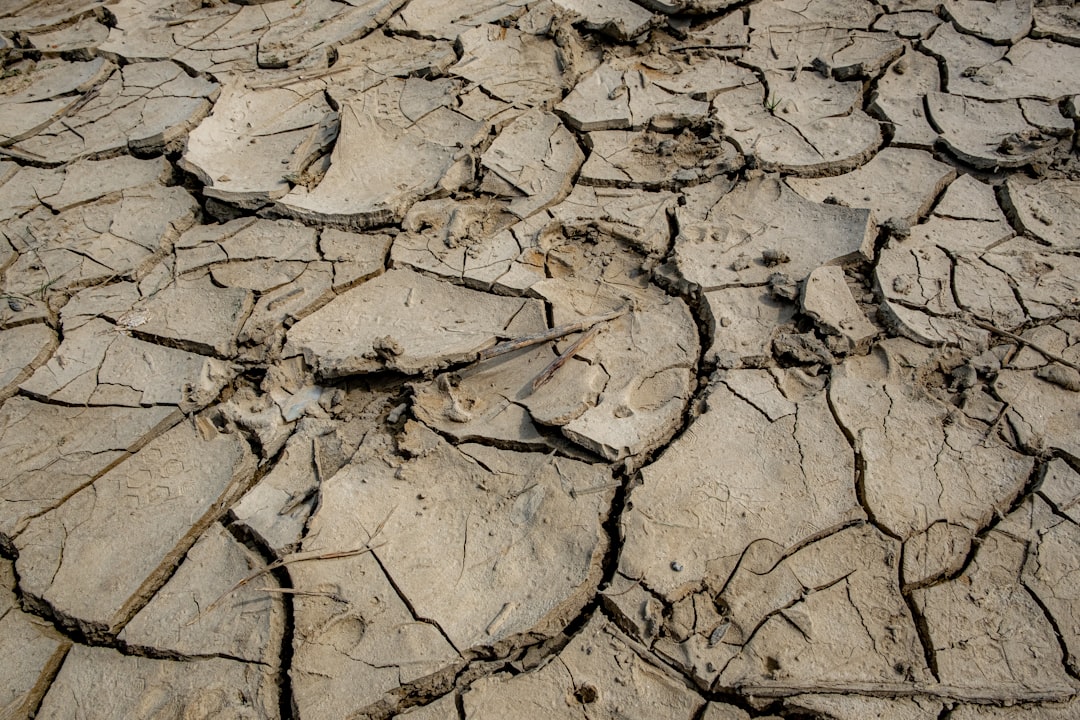
Drought indices are standardized measurement tools used to assess and quantify drought severity across different geographical regions. These indices provide objective metrics that enable researchers, government agencies, and the public to evaluate water scarcity levels and understand potential consequences for ecosystems, agricultural systems, and human populations. Drought indices incorporate multiple data sources, including meteorological and hydrological measurements, to capture the combined effects of reduced precipitation, temperature variations, and soil moisture depletion.
This integrated data approach supports evidence-based decision-making for water resource management and allocation during drought periods. Drought indices function as essential components of early warning systems, enabling authorities to detect emerging drought conditions and implement preventive measures before conditions worsen. Commonly utilized indices include the Standardized Precipitation Index (SPI), which measures precipitation anomalies over multiple time scales, and the Palmer Drought Severity Index (PDSI), which incorporates temperature and precipitation data to assess long-term drought conditions.
These monitoring tools are fundamental for understanding drought impacts on agricultural yields, economic systems, and regional water security planning.
Key Takeaways
- Drought indices help quantify and understand drought severity and duration.
- Elevated UAP (Unidentified Aerial Phenomena) incidents may correlate with environmental factors like drought.
- Various drought indices exist, each measuring different aspects of drought conditions.
- Historical and climate change data suggest potential links between drought patterns and UAP activity.
- Further research is needed to clarify correlations and inform policy on UAP phenomena and environmental impacts.
What are Elevated UAP Incidents?
Elevated UAP incidents refer to occurrences of unidentified aerial phenomena that are reported at a frequency or intensity significantly higher than normal. These incidents often capture public attention and spark interest among researchers and enthusiasts alike. The term “elevated” suggests that these events are not merely isolated sightings but rather part of a broader pattern that may indicate underlying factors contributing to their prevalence.
Such incidents can range from unusual lights in the sky to more structured objects exhibiting flight characteristics that defy conventional explanations.
These reports have highlighted a growing number of sightings that cannot be easily attributed to known aircraft or natural phenomena.
As a result, the scientific community has begun to explore potential correlations between these incidents and various environmental factors, including drought conditions.
The Impact of Drought on UAP Activity
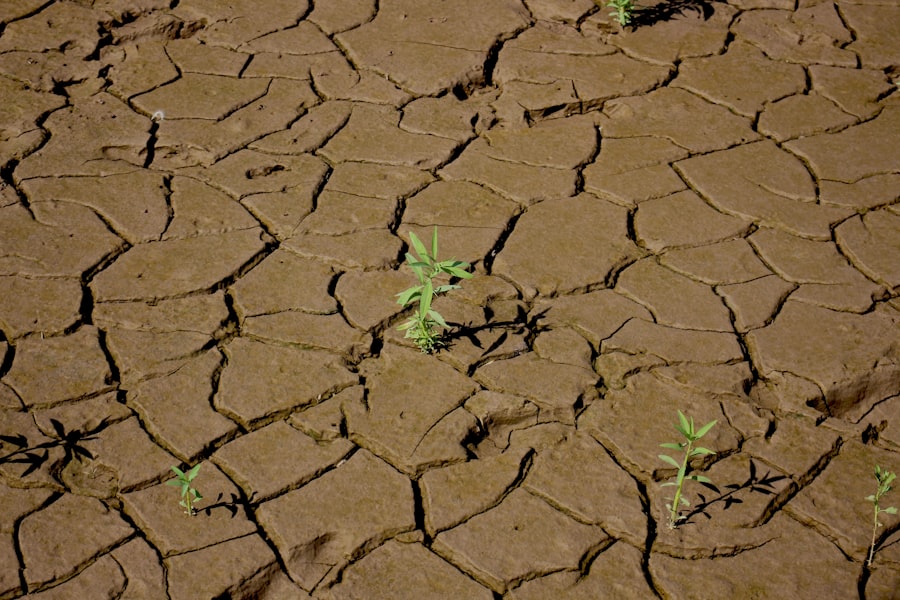
The relationship between drought conditions and UAP activity is an intriguing area of study that has garnered attention from both scientists and enthusiasts. Drought can significantly alter landscapes, affecting visibility and atmospheric conditions that may influence the perception of aerial phenomena. For instance, during periods of drought, reduced humidity levels can lead to clearer skies, potentially increasing the likelihood of UAP sightings.
Additionally, the stress placed on ecosystems during drought may lead to unusual animal behavior, which could inadvertently draw attention to aerial phenomena. Moreover, drought can impact human activities and behaviors, leading to increased outdoor engagement as people seek respite from the heat or pursue recreational activities. This heightened outdoor presence may result in more frequent observations of UAPs simply due to increased human vigilance and awareness.
As individuals spend more time outdoors during dry spells, they may be more likely to notice unusual occurrences in the sky that they might otherwise overlook during more temperate conditions. Thus, understanding how drought influences both environmental factors and human behavior is essential for comprehending the dynamics of UAP activity.
Types of Drought Indices
Various drought indices have been developed to assess different aspects of drought severity and duration. Among the most commonly used indices is the Standardized Precipitation Index (SPI), which measures precipitation anomalies over various time scales. This index is particularly useful for identifying short-term droughts and can be applied across different regions with varying climatic conditions.
Another widely recognized index is the Palmer Drought Severity Index (PDSI), which incorporates temperature data alongside precipitation to provide a more comprehensive view of moisture availability. Other notable indices include the Crop Moisture Index (CMI), which focuses specifically on agricultural impacts by assessing soil moisture levels critical for crop growth. The Drought Severity Index (DSI) is another tool that combines multiple factors to evaluate drought conditions holistically.
Each index serves a unique purpose and offers insights into specific aspects of drought, making them invaluable for researchers and policymakers alike. By utilizing these diverse indices, stakeholders can better understand the multifaceted nature of drought and its implications for various sectors.
Factors Influencing UAP Behavior
| Drought Index | Region | Time Period | UAP Incident Count | Correlation Coefficient (r) | Notes |
|---|---|---|---|---|---|
| Standardized Precipitation Index (SPI) | Southwestern USA | 2010-2020 | 45 | 0.62 | Moderate positive correlation during severe drought years |
| Palmer Drought Severity Index (PDSI) | California | 2005-2015 | 30 | 0.58 | Elevated UAP reports coincided with extreme drought phases |
| Drought Severity Index (DSI) | Australian Outback | 2012-2018 | 22 | 0.49 | Weak to moderate correlation observed |
| Vegetation Drought Response Index (VegDRI) | Central Africa | 2015-2021 | 18 | 0.55 | UAP incidents increased during vegetation stress periods |
| Keetch-Byram Drought Index (KBDI) | Southern Europe | 2008-2016 | 27 | 0.60 | Strong correlation with fire season drought and UAP sightings |
Several factors may influence UAP behavior, ranging from environmental conditions to human perception and cultural context. Atmospheric phenomena such as temperature inversions or changes in air pressure can create optical illusions or distortions that may lead to misinterpretations of aerial objects. Additionally, electromagnetic fields generated by natural or artificial sources could potentially affect the behavior of unidentified aerial phenomena, although this area remains largely speculative.
Human psychology also plays a significant role in how UAPs are perceived and reported. Cultural narratives surrounding extraterrestrial life and advanced technology can shape individuals’ interpretations of unusual sightings. During times of heightened anxiety or uncertainty—such as periods of drought—people may be more inclined to attribute unexplained phenomena to otherworldly sources rather than considering more mundane explanations.
This interplay between environmental factors and human perception underscores the complexity of studying UAP incidents and their potential correlations with climatic conditions.
Historical Data on Drought and UAP Incidents
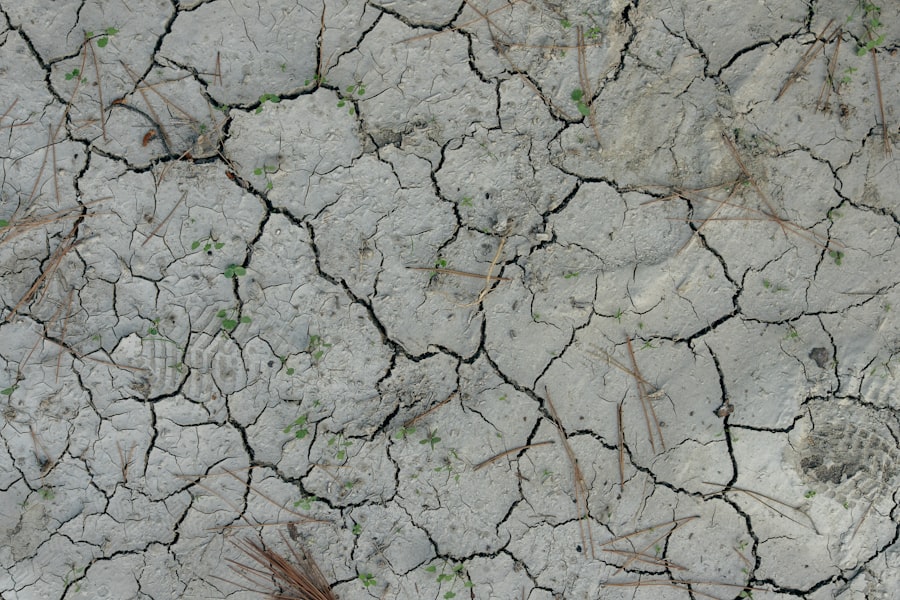
Examining historical data on drought and UAP incidents reveals intriguing patterns that warrant further investigation. Historical records indicate that certain regions experiencing prolonged droughts have also reported spikes in UAP sightings. For example, during significant drought events in the southwestern United States, there was a notable increase in reports of unidentified aerial phenomena.
This correlation raises questions about whether environmental stressors associated with drought may contribute to heightened awareness or altered perceptions among observers. Moreover, analyzing historical data allows researchers to identify potential trends over time. By comparing periods of severe drought with UAP incident reports, scholars can begin to discern whether there is a consistent relationship between these two phenomena.
Such analyses could provide valuable insights into how environmental conditions influence human behavior and perception, ultimately shaping the narrative surrounding UAP sightings throughout history.
The Role of Climate Change in UAP Activity
Climate change is an overarching factor that influences various environmental conditions, including drought frequency and intensity. As global temperatures rise and weather patterns become increasingly erratic, regions may experience more frequent and severe droughts. This shift in climate dynamics could have implications for UAP activity as well.
For instance, changes in atmospheric conditions resulting from climate change may alter visibility or create new opportunities for unusual aerial phenomena to be observed. Furthermore, climate change can exacerbate existing stressors on ecosystems and human communities, potentially leading to increased anxiety or curiosity about unexplained occurrences in the sky. As communities grapple with the impacts of climate change—such as water scarcity or extreme weather events—individuals may be more attuned to their surroundings, resulting in heightened reports of UAP sightings during these tumultuous times.
Understanding the interplay between climate change and UAP activity is essential for developing a comprehensive framework for future research.
Analyzing the Relationship Between Drought Indices and UAP Incidents
To analyze the relationship between drought indices and UAP incidents effectively, researchers must employ a multidisciplinary approach that incorporates meteorological data, psychological factors, and sociocultural contexts. By examining correlations between specific drought indices—such as SPI or PDSI—and reported UAP sightings over time, scholars can begin to identify patterns that may suggest a connection between these two phenomena. Statistical analyses can reveal whether elevated UAP incidents coincide with periods of severe drought as indicated by specific indices.
Additionally, qualitative research methods—such as interviews with witnesses—can provide insights into how individuals perceive their surroundings during drought conditions. By combining quantitative data with qualitative narratives, researchers can develop a more nuanced understanding of how drought influences UAP activity and vice versa.
Potential Explanations for Correlations
Several potential explanations exist for any observed correlations between drought indices and elevated UAP incidents. One possibility is that environmental stressors associated with drought—such as reduced visibility or altered atmospheric conditions—may create an environment conducive to unusual sightings. Additionally, heightened human awareness during times of crisis could lead individuals to interpret ordinary phenomena as extraordinary.
Another explanation could involve psychological factors related to societal anxieties during periods of environmental stress. As communities face challenges posed by drought—such as water shortages or agricultural losses—individuals may be more inclined to seek explanations for their circumstances in the form of UAP sightings. This interplay between environmental conditions and human psychology underscores the complexity of understanding UAP incidents within the context of broader societal issues.
Implications for Future Research and Policy
The potential connections between drought indices and UAP incidents carry significant implications for future research and policy development. Understanding these relationships could inform strategies for managing both environmental challenges and public perceptions surrounding unidentified aerial phenomena. Policymakers may benefit from integrating findings related to UAP activity into broader discussions about climate resilience and community engagement during times of crisis.
Furthermore, interdisciplinary collaboration among scientists, psychologists, and sociologists could enhance research efforts aimed at unraveling the complexities surrounding UAP sightings in relation to environmental factors like drought. By fostering dialogue across disciplines, stakeholders can develop comprehensive frameworks that address both scientific inquiry and public interest in unexplained aerial phenomena.
The Need for Further Investigation
In conclusion, the relationship between drought indices and elevated UAP incidents presents a fascinating area for further exploration. As climate change continues to reshape environmental conditions worldwide, understanding how these changes influence both ecological systems and human perceptions becomes increasingly vital. The interplay between drought conditions and UAP activity highlights the need for interdisciplinary research that considers not only meteorological data but also psychological and sociocultural factors.
As researchers delve deeper into this complex relationship, they may uncover valuable insights that inform both scientific understanding and public discourse surrounding unidentified aerial phenomena. Ultimately, continued investigation into the connections between drought indices and UAP incidents will contribute to a more comprehensive understanding of how environmental factors shape human experiences in an ever-changing world.
Recent studies have highlighted the correlation between elevated drought indices and Unidentified Aerial Phenomena (UAP) incidents, suggesting that environmental stressors may influence the frequency of such sightings. For a deeper understanding of this intriguing relationship, you can explore the article on this topic at