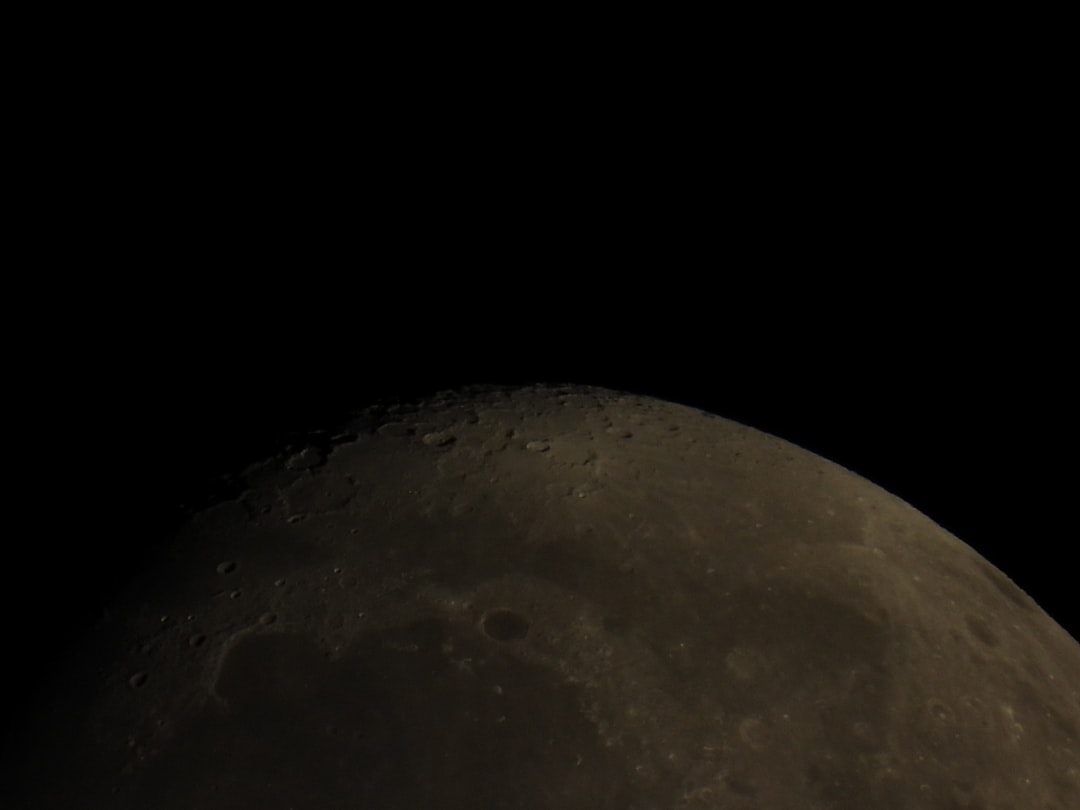
Lunar anomalies represent a diverse range of unexplained phenomena observed on the Moon, including unusual light patterns and distinctive surface features that challenge current scientific understanding. As Earth’s nearest celestial body, the Moon has been subject to human observation throughout history, with modern technological advancements enabling more detailed documentation of these puzzling occurrences. These anomalies are significant not only for their inherent scientific mystery but also for their potential to provide valuable information about lunar geological processes and formation history.
The investigation of lunar anomalies extends beyond specialized lunar science, offering broader implications for planetary science and astronomy. These studies prompt researchers to address fundamental questions about the physical processes that shape celestial bodies throughout our solar system.
Lunar anomaly research thus serves as an important component in developing comprehensive models of solar system dynamics and evolution.
Key Takeaways
- The Moon exhibits various unexplained phenomena, including strange shadows, lights, and transient flashes.
- Unusual surface features such as odd craters, strange structures, and mysterious lunar swirls challenge current understanding.
- Lunar magnetic anomalies and unexpected tectonic activity suggest complex internal processes.
- Evidence of mysterious volcanic activity and water deposits raises questions about the Moon’s geological history.
- Scientists continue to explore multiple theories to explain these lunar anomalies, but many remain unresolved.
The Dark Side of the Moon: Unexplained Shadows and Lights
One of the most intriguing aspects of lunar anomalies is the presence of unexplained shadows and lights on the Moon’s surface, particularly in regions that are perpetually shrouded in darkness. These phenomena have sparked numerous theories, ranging from natural geological processes to more speculative ideas involving extraterrestrial activity. Observers have reported seeing unusual light sources emanating from craters and shadowy areas, leading to debates about their origins.
Some researchers suggest that these lights could be a result of gas emissions or reflections from the Sun, while others entertain the possibility of artificial sources. The phenomenon of unexplained lights is not limited to just one area of the Moon; reports have emerged from various locations, including the far side, which remains largely unexplored by human eyes. The shadows cast by lunar features can create optical illusions that further complicate interpretations.
As scientists continue to analyze data from lunar missions, they remain vigilant for patterns that might shed light on these enigmatic occurrences. The interplay between light and shadow on the Moon’s surface continues to be a source of fascination, prompting both scientific inquiry and imaginative speculation.
Strange Structures: Unusual Formations on the Lunar Surface
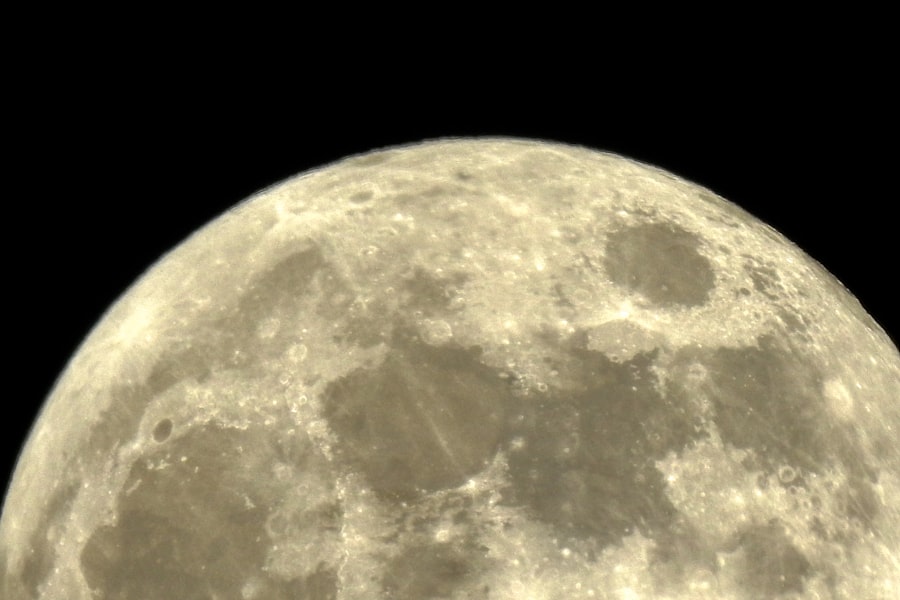
Among the most compelling lunar anomalies are the strange structures that dot the Moon’s surface. These formations often appear as geometric shapes or patterns that seem too regular to be purely natural. Some observers have likened them to ancient ruins or artificial constructs, igniting discussions about the possibility of past civilizations on the Moon.
While many scientists caution against jumping to conclusions, they acknowledge that these structures warrant further investigation. Geologists studying the Moon’s surface have proposed various explanations for these unusual formations. Some suggest that they may be the result of volcanic activity or tectonic processes that shaped the lunar landscape over millions of years.
Others posit that impacts from asteroids or comets could have created these structures through a combination of excavation and subsequent erosion.
Lunar Transient Phenomena: Unexplained Flashes and Glows
Lunar transient phenomena (LTP) refer to brief flashes or glows observed on the Moon’s surface that remain largely unexplained. These occurrences have been documented for centuries, with reports dating back to ancient astronomers who noted sudden changes in brightness in specific lunar regions. Modern observations have confirmed these phenomena, yet their causes remain elusive.
Some scientists speculate that LTP could be linked to outgassing events or chemical reactions occurring within the lunar regolith. The unpredictability of LTP adds to their mystique; they can appear suddenly and vanish just as quickly, making them difficult to study systematically. Researchers have employed various observational techniques, including high-resolution imaging and spectrometry, in an attempt to capture these fleeting events.
The ongoing quest to understand LTP not only highlights the complexities of lunar science but also underscores the need for continued exploration and monitoring of our celestial neighbor.
Unusual Lunar Craters: Odd Shapes and Sizes
| Phenomenon | Description | Location on Moon | Reported Instances | Possible Explanations | Year(s) Observed |
|---|---|---|---|---|---|
| Lunar Transient Phenomena (LTP) | Short-lived changes in brightness or color on the lunar surface | Various craters and maria | Thousands (since 1950s) | Outgassing, electrostatic activity, observational errors | 1950s – Present |
| Unidentified Structures | Unexplained geometric shapes and formations | Crater Aristarchus, Mare Crisium | Dozens | Natural geological formations, pareidolia | 1960s – Present |
| Moonquake Anomalies | Unexpected seismic activity inconsistent with known lunar geology | Deep lunar interior | Hundreds (Apollo missions) | Tectonic activity, meteorite impacts, unknown internal processes | 1969 – 1977 |
| Unexplained Light Flashes | Brief flashes of light detected by astronauts | Various locations during lunar orbit and surface missions | Multiple (Apollo missions) | Cosmic rays, electrical discharges, unknown phenomena | 1969 – 1972 |
| Strange Radio Signals | Unusual radio emissions detected from lunar surface | Far side of the Moon | Several | Solar wind interactions, equipment interference, unknown sources | 1970s – Present |
The Moon is home to a vast array of craters, each with its own unique characteristics. However, some craters exhibit odd shapes and sizes that defy typical expectations based on impact theory. These unusual craters can appear elongated, irregularly shaped, or even possess features that suggest multiple impact events.
Such anomalies raise questions about the processes that formed them and challenge existing models of lunar impact cratering. Researchers have proposed several hypotheses to explain these peculiarities. One possibility is that certain craters were formed by impacts at oblique angles, resulting in elongated shapes rather than circular ones.
Additionally, geological processes such as volcanic activity or tectonic shifts may have altered the appearance of some craters over time. The study of these unusual lunar craters not only enhances our understanding of impact dynamics but also provides insights into the Moon’s geological history.
Moonquakes and Tectonic Activity: Mysterious Lunar Rumbling
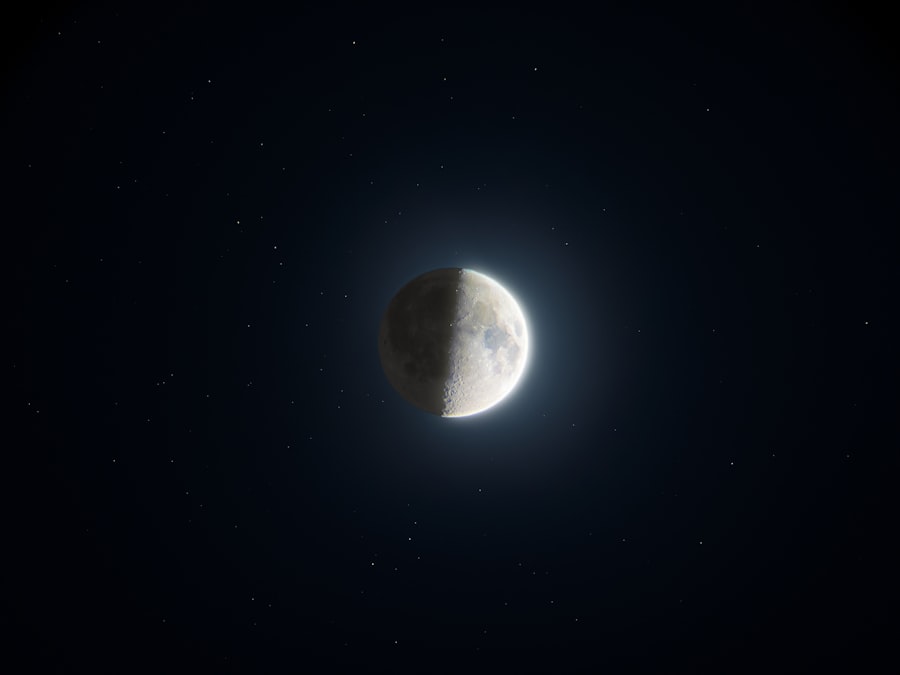
Moonquakes are another fascinating aspect of lunar anomalies that have intrigued scientists since they were first detected during the Apollo missions. Unlike earthquakes on Earth, which are caused by tectonic plate movements, moonquakes are believed to result from a combination of factors, including thermal expansion and contraction of the lunar surface as well as gravitational interactions with Earth. These seismic events can vary in intensity and duration, with some lasting several minutes.
The study of moonquakes has revealed that the Moon is not a completely inert body; it exhibits signs of tectonic activity despite its apparent desolation. Researchers have identified specific regions where moonquakes are more frequent, suggesting that certain areas may be more geologically active than others. Understanding these seismic events is crucial for future lunar exploration, as they could pose risks to astronauts and equipment on the Moon’s surface.
Lunar Swirls: Unexplained Patterns on the Moon’s Surface
Lunar swirls are another captivating anomaly found on the Moon’s surface, characterized by bright, swirling patterns that contrast sharply with the surrounding terrain. These features are often associated with areas where magnetic fields are unusually strong, leading scientists to investigate their origins further. The exact cause of lunar swirls remains a topic of debate; some researchers propose that they may result from interactions between solar wind and the Moon’s surface materials.
The unique appearance of lunar swirls has led to various theories regarding their formation. Some scientists suggest that they could be remnants of ancient volcanic activity or even evidence of past impacts that disturbed the regolith in specific ways. The study of these patterns not only enhances our understanding of lunar geology but also provides insights into how solar radiation interacts with planetary surfaces.
Magnetic Anomalies: Strange Magnetic Fields on the Moon
Magnetic anomalies on the Moon present yet another layer of complexity in understanding its geological history. Unlike Earth, which has a global magnetic field generated by its molten core, the Moon exhibits localized magnetic fields that vary significantly across its surface. These anomalies have puzzled scientists for decades, leading to questions about their origins and implications for lunar geology.
Some researchers speculate that these magnetic fields may be remnants from an ancient magnetic dynamo that existed when the Moon was still geologically active. Others propose that they could be linked to impact events that altered the magnetic properties of certain regions. The study of lunar magnetic anomalies is crucial for piecing together the Moon’s past and understanding how it has evolved over billions of years.
Unexplained Lunar Volcanism: Strange Eruptions and Lava Flows
While much is known about volcanic activity on Earth, lunar volcanism presents a different set of challenges due to its unique geological conditions. Evidence suggests that volcanic eruptions occurred on the Moon in its early history, resulting in vast lava flows and dark basalt plains known as maria. However, some recent observations have raised questions about whether volcanic activity may still occur today.
Researchers have documented unusual features on the Moon’s surface that resemble recent lava flows or eruptions, suggesting that volcanic processes may not be entirely dormant. These findings challenge long-held assumptions about lunar geology and prompt further investigation into potential volcanic activity on our nearest celestial neighbor. Understanding lunar volcanism is essential for comprehending the Moon’s geological evolution and assessing its potential for future exploration.
Lunar Water: Mysterious Ice and Hydrogen Deposits
The discovery of water ice on the Moon has revolutionized our understanding of its potential for supporting human exploration and habitation. Observations from various missions have confirmed the presence of water ice in permanently shadowed regions near the poles, where temperatures remain extremely low. This finding raises intriguing questions about how water arrived on the Moon and what it means for future missions.
In addition to water ice, researchers have also detected hydrogen deposits within the lunar regolith, further indicating that water may be more abundant than previously thought. The presence of these resources opens up possibilities for sustainable exploration and even colonization efforts in the future. As scientists continue to study lunar water deposits, they aim to unlock their secrets and understand their implications for human presence on the Moon.
Theories and Explanations: Scientists’ Attempts to Understand Lunar Anomalies
As researchers grapple with the myriad lunar anomalies observed over time, they have developed various theories and explanations in an attempt to make sense of these phenomena. While some anomalies can be attributed to natural geological processes or environmental factors, others remain stubbornly elusive, prompting speculation about their origins. The scientific community continues to explore new technologies and methodologies to investigate these anomalies further.
From advanced imaging techniques to robotic missions designed specifically for lunar exploration, scientists are committed to unraveling the mysteries hidden within our closest celestial neighbor. As they do so, they not only seek answers about the Moon but also aim to enhance our understanding of planetary science as a whole. In conclusion, lunar anomalies present a fascinating tapestry of mysteries waiting to be unraveled.
From unexplained lights and strange structures to magnetic anomalies and potential volcanic activity, each phenomenon offers a glimpse into the complexities of our nearest celestial neighbor. As technology advances and exploration efforts continue, humanity stands poised to uncover new insights into these enigmatic occurrences, deepening our understanding of both the Moon and our place in the universe.
Lunar anomalies have long fascinated researchers and enthusiasts alike, as they often challenge our understanding of the moon and its history. A related article that delves into some of these unexplained phenomena can be found on XFile Findings, which explores various intriguing aspects of lunar anomalies. For more information, you can read the article here: Lunar Anomalies and Unexplained Phenomena.
FAQs
What are lunar anomalies?
Lunar anomalies refer to unusual or unexplained features and phenomena observed on the Moon’s surface or in its environment. These can include strange formations, unexpected light patterns, or other irregularities that do not have a clear scientific explanation.
Have lunar anomalies been confirmed by scientific missions?
Some lunar anomalies have been documented by various lunar missions, including orbiters and landers. However, many reported anomalies remain unverified or are subject to interpretation, often requiring further investigation to determine their nature.
What are some common examples of lunar anomalies?
Common examples include unusual craters, mysterious lights or glows, strange surface formations, and transient lunar phenomena such as brief flashes or changes in brightness observed from Earth.
Are lunar anomalies evidence of extraterrestrial activity?
There is no credible scientific evidence linking lunar anomalies to extraterrestrial activity. Most anomalies can be explained by natural geological processes, observational errors, or equipment artifacts.
How do scientists study lunar anomalies?
Scientists use data from lunar orbiters, landers, telescopes, and remote sensing instruments to study anomalies. They analyze images, spectral data, and other measurements to understand the Moon’s geology and environment.
Can lunar anomalies affect future Moon missions?
Understanding lunar anomalies is important for future missions to ensure safety and mission success. However, most anomalies do not pose significant risks and are primarily of scientific interest.
Where can I find more information about lunar anomalies?
Reliable information can be found through space agencies such as NASA, the European Space Agency (ESA), scientific journals, and reputable astronomy organizations that publish research on lunar studies.