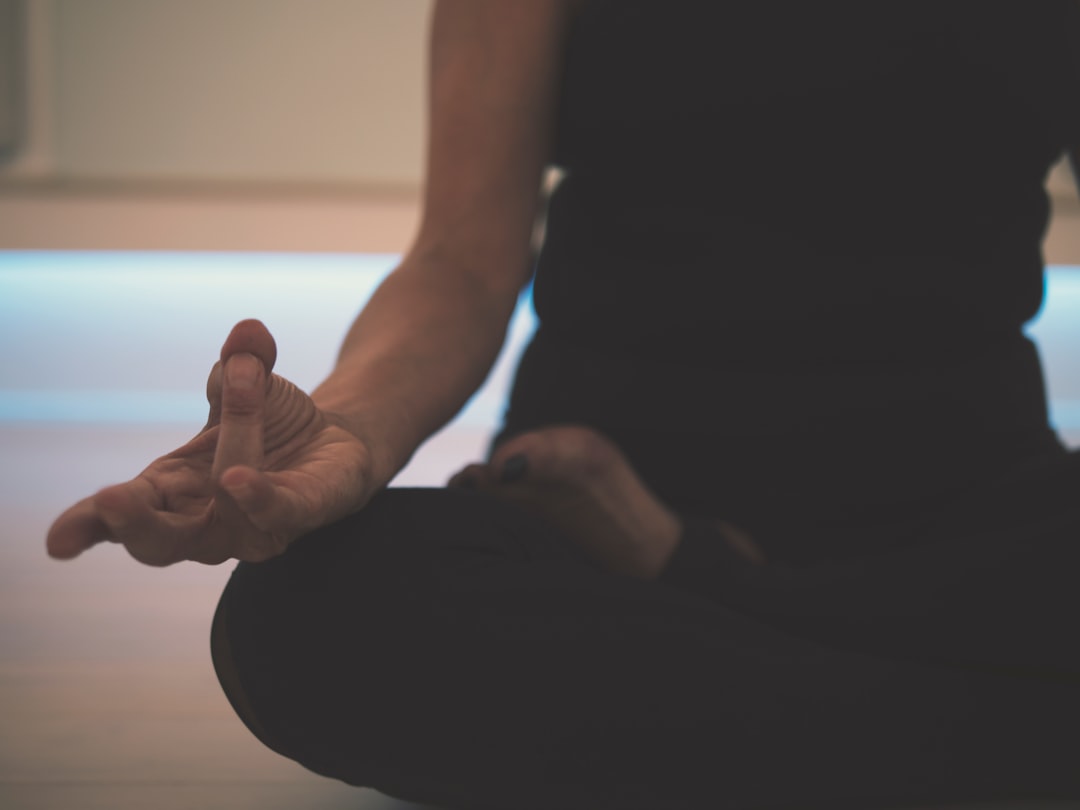
Meditation is a well-established practice for personal development and introspection. It functions as a connection between mental processes and spiritual awareness, enabling practitioners to explore their inner consciousness. Regular meditation practice can develop calmness, mental clarity, and emotional stability.
Techniques such as silent sitting, breath awareness, and visualization may lead to personal insights and self-understanding. This practice has been utilized across diverse cultures throughout history, with documented benefits for mental health and spiritual development. The benefits of meditation extend to group settings as well.
Collective meditation sessions create environments where participants experience shared focus and energy, potentially enhancing individual practice outcomes. These group experiences can promote social connection and mutual support, demonstrating that meditation functions as both an individual and communal practice. As meditation adoption increases globally, its evidence-based benefits continue to influence broader social attitudes toward mindfulness practices and empathetic behavior.
Key Takeaways
- Meditation enhances personal autonomy and inner strength.
- The moon’s energy can deepen meditation experiences.
- Connecting with nature enriches meditation practice.
- Solitude fosters independence and self-reflection in meditation.
- Creating a sacred space supports empowered, autonomous meditation.
Understanding Autonomy in Meditation
Autonomy in meditation refers to the individual’s ability to engage with their practice on their own terms. It emphasizes the importance of personal choice and self-direction in the meditative process. Each person’s journey is unique, shaped by their experiences, beliefs, and intentions.
This autonomy allows practitioners to explore various techniques, styles, and philosophies that resonate with them personally. By embracing this freedom, individuals can cultivate a deeper connection to their practice, making it more meaningful and impactful. Furthermore, understanding autonomy in meditation encourages individuals to listen to their inner voice and trust their instincts.
It empowers them to create a practice that aligns with their values and aspirations. This self-directed approach fosters a sense of ownership over one’s spiritual journey, enabling practitioners to navigate their paths with confidence and clarity. As they explore different methods—be it mindfulness, transcendental meditation, or loving-kindness—they can tailor their experiences to suit their evolving needs, ultimately enhancing their overall well-being.
The Influence of the Moon on Meditation

The moon has captivated humanity for centuries, inspiring countless myths, legends, and spiritual practices. Its phases are believed to influence various aspects of life, including emotions, energy levels, and even meditation practices. Many practitioners align their meditative routines with the lunar cycle, using the moon’s energy to enhance their experiences.
For instance, the new moon is often seen as a time for setting intentions and planting seeds for future growth, while the full moon is associated with release and reflection. Incorporating lunar phases into meditation can deepen one’s connection to nature and the cosmos. Practitioners may choose to meditate outdoors under the moonlight, allowing its gentle glow to illuminate their thoughts and intentions.
This connection to the celestial body can evoke feelings of wonder and gratitude, fostering a sense of unity with the universe. By attuning their practices to the rhythms of the moon, individuals can harness its energy to amplify their meditative experiences, creating a powerful synergy between their inner world and the natural environment.
Connecting with Nature through Meditation
Nature has an innate ability to ground individuals and provide a sense of tranquility that is often hard to find in urban settings. Connecting with nature through meditation allows practitioners to immerse themselves in the beauty and serenity of the natural world. Whether it’s sitting by a flowing river, walking through a lush forest, or simply observing the changing seasons, nature offers a rich backdrop for introspection and mindfulness.
The sights, sounds, and scents of the outdoors can enhance one’s meditative experience, fostering a deeper connection to both oneself and the environment. Moreover, nature serves as a reminder of life’s cycles and interconnectedness.
The stillness of nature can mirror the stillness sought in meditation, creating a harmonious relationship between the two practices. This connection not only promotes relaxation but also encourages individuals to cultivate a sense of stewardship for the planet. By recognizing their place within the larger ecosystem, practitioners can develop a greater appreciation for life’s intricacies and foster a sense of responsibility toward preserving the natural world.
Embracing Solitude and Independence in Meditation
| Metric | Value | Unit | Description |
|---|---|---|---|
| Average Meditation Duration | 30 | minutes | Typical length of autonomy practice meditation sessions |
| Frequency of Practice | 5 | times per week | How often practitioners engage in autonomy meditation |
| Reported Stress Reduction | 40 | percent | Average decrease in stress levels after 8 weeks of practice |
| Improvement in Focus | 35 | percent | Increase in concentration ability measured by cognitive tests |
| Moon Phase Preference | Full Moon | – | Most common lunar phase during which meditation is practiced |
| Session Environment | Quiet, Dimly Lit | – | Preferred setting for autonomy practice meditation |
| Participant Satisfaction | 85 | percent | Percentage of participants reporting positive experience |
Solitude is often viewed as a double-edged sword; while it can lead to feelings of loneliness for some, it can also be a source of profound self-discovery for others. In meditation, embracing solitude allows individuals to turn inward and explore their thoughts and emotions without external distractions. This independence fosters an environment where one can confront fears, desires, and aspirations with honesty and clarity.
By spending time alone in meditation, practitioners can cultivate self-awareness and develop a deeper understanding of their true selves. Independence in meditation also encourages individuals to break free from societal expectations and norms surrounding spiritual practices. Each person’s journey is unique; therefore, there is no one-size-fits-all approach to meditation.
By embracing solitude, practitioners can explore various techniques at their own pace, discovering what resonates most deeply with them. This autonomy not only enhances their meditative experience but also empowers them to forge their own paths toward enlightenment and fulfillment.
The Role of Self-Reflection in Autonomy

Self-reflection is an essential component of autonomy in meditation. It involves taking the time to examine one’s thoughts, feelings, and behaviors critically. Through self-reflection, individuals can gain insights into their motivations and desires, allowing them to make informed choices about their meditative practices.
This process encourages practitioners to ask themselves meaningful questions: What do I hope to achieve through meditation? How do my thoughts influence my emotional state? By engaging in this introspective dialogue, individuals can cultivate a deeper understanding of themselves.
Moreover, self-reflection fosters personal growth by encouraging individuals to confront challenges head-on. It provides an opportunity for practitioners to assess their progress and identify areas for improvement. This ongoing evaluation not only enhances one’s meditation practice but also promotes resilience in everyday life.
As individuals learn to navigate their inner landscapes with honesty and compassion, they become more adept at handling external challenges with grace and confidence.
Cultivating Inner Strength and Independence through Meditation
Meditation serves as a powerful catalyst for cultivating inner strength and independence. As individuals engage in regular practice, they develop resilience in the face of adversity. The stillness found in meditation allows practitioners to confront their fears and insecurities without judgment or distraction.
This process fosters a sense of empowerment as they learn to navigate life’s challenges with greater ease and confidence.
As they become attuned to their thoughts and emotions during practice, they develop a heightened sense of self-awareness that translates into everyday life.
This newfound independence allows them to make choices that align with their values and aspirations rather than succumbing to external pressures or expectations. Ultimately, meditation becomes a sanctuary where individuals can nurture their inner strength and embrace their autonomy.
Harnessing the Energy of the Moon for Meditation
The moon’s energy is often associated with intuition, emotion, and transformation—qualities that can significantly enhance one’s meditation practice. By harnessing this energy during specific lunar phases, practitioners can deepen their connection to themselves and the universe around them. For example, during the waxing phase of the moon, individuals may focus on intentions related to growth and manifestation.
Conversely, during the waning phase, they might engage in meditations centered on release and letting go. Incorporating lunar energy into meditation can also create a sense of ritual that enhances one’s practice. Setting aside time during each lunar phase allows individuals to establish a routine that honors both their personal journey and the natural rhythms of life.
This alignment fosters a deeper connection between practitioners and the cosmos while providing an opportunity for reflection on personal growth throughout each lunar cycle.
Exploring the Spiritual Connection between Autonomy and Meditation
The spiritual connection between autonomy and meditation is profound yet often overlooked. Autonomy empowers individuals to explore their spirituality on their own terms—free from dogma or external influences. This freedom allows practitioners to engage with various spiritual traditions or philosophies that resonate with them personally.
As they navigate this journey of self-discovery through meditation, they may uncover unique insights that deepen their understanding of spirituality. Moreover, this exploration fosters a sense of interconnectedness with all living beings. As individuals embrace their autonomy in meditation, they begin to recognize that each person’s spiritual path is valid and worthy of respect.
This realization cultivates compassion for oneself and others while reinforcing the idea that spirituality is not confined to rigid structures but is instead an expansive journey filled with possibilities.
Creating a Sacred Space for Autonomous Meditation
Creating a sacred space for autonomous meditation is essential for fostering an environment conducive to introspection and self-discovery. This space should reflect one’s personal preferences—whether it be adorned with meaningful objects like crystals or candles or simply designed for comfort with soft cushions or blankets. The goal is to establish an atmosphere that invites tranquility while allowing individuals to feel safe in exploring their thoughts and emotions.
Additionally, this sacred space serves as a physical reminder of one’s commitment to personal growth through meditation. By dedicating time each day or week to engage in this practice within a designated area, individuals reinforce the importance of self-care and introspection in their lives. Over time, this space becomes imbued with positive energy—a sanctuary where practitioners can retreat from daily distractions and reconnect with themselves on a deeper level.
Embracing Freedom and Empowerment through Moonlit Meditation
Moonlit meditation offers a unique opportunity for individuals to embrace freedom and empowerment in their practice. The gentle glow of moonlight creates an enchanting atmosphere that encourages introspection while fostering feelings of liberation from societal constraints or expectations. Practicing under the moon allows individuals to connect with something greater than themselves—a reminder that they are part of an expansive universe filled with possibilities.
Moreover, moonlit meditation empowers practitioners by inviting them to set intentions aligned with their true desires during this sacred time. As they bask in the moon’s energy, they may find clarity regarding their aspirations or goals—encouraging them to take bold steps toward manifesting those dreams into reality. Ultimately, embracing freedom through moonlit meditation becomes an empowering experience that nurtures both personal growth and spiritual connection within oneself.
In conclusion, meditation serves as a powerful tool for cultivating autonomy while fostering connections with nature, spirituality, and lunar energies. By embracing solitude and self-reflection within this practice, individuals can develop inner strength while exploring their unique paths toward enlightenment. Whether through harnessing lunar energy or creating sacred spaces for introspection—each aspect contributes significantly toward enhancing one’s overall well-being on both physical and spiritual levels.
Practicing autonomy through meditation can be a transformative experience, especially when aligned with the rhythms of the moon. For those interested in exploring this connection further, a related article can be found on XFile Findings, which delves into the benefits of lunar cycles on meditation practices. You can read more about it in this insightful piece: XFile Findings.
FAQs
What is autonomy practice in meditation?
Autonomy practice in meditation refers to techniques that encourage self-governance and personal responsibility in one’s meditation routine. It emphasizes developing inner awareness and making conscious choices without external guidance.
How does the moon relate to meditation practices?
The moon is often used as a symbol or focal point in meditation due to its calming presence and cyclical nature. Many meditation traditions align practices with lunar phases to harness energy, promote reflection, and support emotional balance.
Can meditation under the moon enhance the practice?
Meditating under the moonlight can enhance relaxation and deepen mindfulness by connecting practitioners with natural rhythms. The serene environment and moon’s gentle illumination may help focus attention and foster a sense of peace.
What are common techniques in autonomy meditation practice?
Common techniques include self-guided mindfulness, breath awareness, body scanning, and reflective journaling. These methods encourage practitioners to observe their thoughts and feelings independently, cultivating self-awareness and inner calm.
Is autonomy practice meditation suitable for beginners?
Yes, autonomy practice meditation can be suitable for beginners as it allows individuals to explore meditation at their own pace. However, beginners may benefit from initial guidance to understand basic techniques before practicing independently.
Are there specific times during the lunar cycle ideal for meditation?
Many traditions suggest meditating during the new moon for setting intentions and the full moon for releasing negativity. These phases are believed to support personal growth and emotional cleansing in meditation.
What benefits can one expect from combining autonomy practice with moon meditation?
Combining autonomy practice with moon meditation can enhance self-awareness, emotional regulation, and a deeper connection to natural cycles. It may also promote a greater sense of inner peace and personal empowerment.
Do I need any special equipment to practice autonomy meditation by the moon?
No special equipment is required. A quiet outdoor space with a clear view of the moon is ideal, but meditation can also be practiced indoors using moon imagery or visualization techniques.
Can autonomy practice meditation help with stress management?
Yes, autonomy practice meditation can help manage stress by fostering mindfulness, emotional regulation, and self-reflection, enabling individuals to respond to stressors more calmly and effectively.
Where can I learn more about autonomy practice meditation and moon-related techniques?
Resources include meditation books, online courses, workshops, and guided sessions focusing on mindfulness, lunar cycles, and self-directed meditation practices. Consulting experienced meditation teachers can also provide personalized guidance.