The Stargate Project was a U.S. government-funded program initiated during the Cold War to investigate potential intelligence applications of psychic phenomena. Launched in the 1970s, the project primarily focused on remote viewing—the purported ability to mentally perceive distant locations or events without using conventional senses.
The concept built upon earlier parapsychological research, including J. Rhine’s extrasensory perception studies at Duke University. Throughout its existence, the program operated under various designations, beginning as “Gondola Wish” before being renamed “Stargate” in 1978.
The initiative garnered interest from multiple defense and intelligence organizations, including the CIA and U.S. Army, who sought to evaluate whether psychic abilities could provide valuable intelligence information. The project conducted numerous experiments with both claimed psychics and ordinary participants to assess remote viewing’s effectiveness for intelligence gathering purposes.
Despite operating for approximately two decades, the Stargate Project was terminated in the mid-1990s after evaluations determined it failed to produce reliable intelligence outcomes.
Key Takeaways
- The Stargate Project was a secret U.S. government program focused on using remote viewing for intelligence gathering.
- Remote viewing involved psychic techniques to gather information about distant or unseen targets, including the Moon.
- Declassified missions revealed attempts to use remote viewing to explore lunar sites and gather intelligence during the Cold War.
- Despite some intriguing findings, remote viewing remains controversial and widely debated within scientific and intelligence communities.
- The legacy of the Stargate Project influences ongoing interest in psychic phenomena and potential applications in space exploration and intelligence.
Remote Viewing: The Psychic Spy Program
Remote viewing, the cornerstone of the Stargate Project, is defined as the practice of attempting to perceive or describe details about a distant or unseen target using extrasensory perception. This technique was developed and popularized by researchers such as Dr. Harold Puthoff and Dr. Russell Targ at the Stanford Research Institute (SRI). They believed that with proper training and guidance, individuals could tap into their innate psychic abilities to gather information about locations or events that were otherwise inaccessible. The methodology involved a structured approach where participants would be given coordinates or vague descriptions of targets and asked to describe what they perceived. The program attracted a diverse group of participants, ranging from military personnel to civilians with no prior experience in psychic phenomena. Training sessions focused on enhancing intuitive skills and developing a systematic approach to remote viewing. Participants were encouraged to enter altered states of consciousness to facilitate their psychic experiences. While some sessions reportedly yielded intriguing results, others were met with skepticism and criticism. The dichotomy between success and failure in remote viewing sessions fueled ongoing debates about its legitimacy and effectiveness as a tool for intelligence gathering.
Declassified: The Moon Remote Viewing Missions
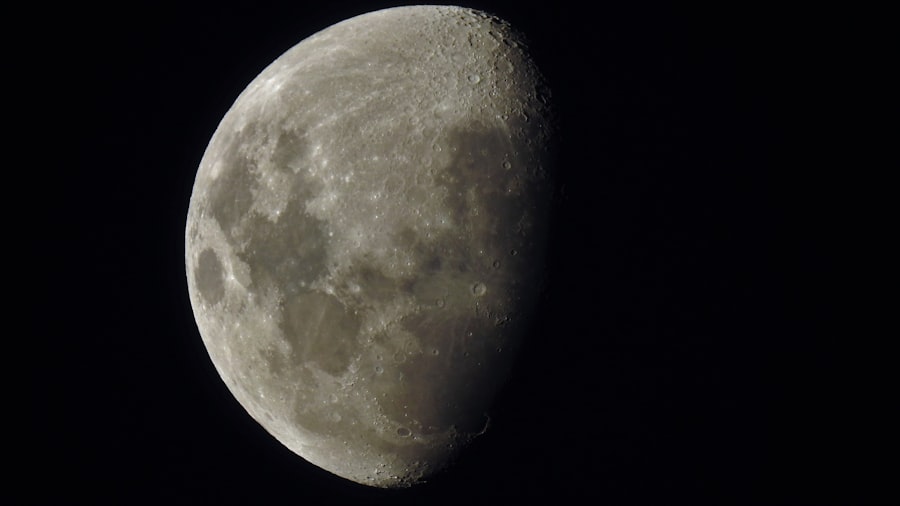
Among the various targets explored during the Stargate Project, missions focused on the Moon stand out as particularly intriguing. Declassified documents reveal that remote viewing sessions aimed at gathering information about lunar features and potential extraterrestrial activity were conducted throughout the 1980s. These missions were not merely speculative; they were part of a broader effort to assess whether remote viewing could provide insights into areas of scientific interest that traditional methods could not reach.
The Moon’s allure as a target for remote viewing stemmed from its status as humanity’s closest celestial neighbor and a site of significant scientific exploration. Remote viewers were tasked with describing specific lunar locations, analyzing geological features, and even speculating about potential alien structures or artifacts. The results of these missions were documented meticulously, with some viewers claiming to have perceived unusual formations or energy signatures on the lunar surface.
While these claims were met with skepticism by many in the scientific community, they nonetheless contributed to a growing body of evidence surrounding the potential of remote viewing.
The Role of Remote Viewing in the Stargate Project
Remote viewing played a pivotal role in shaping the objectives and outcomes of the Stargate Project. As a method of gathering intelligence, it offered an unconventional approach that diverged from traditional surveillance techniques. The project aimed to determine whether psychic abilities could provide valuable insights into military operations, foreign threats, or even natural disasters.
Remote viewing sessions were often conducted under controlled conditions, with researchers meticulously documenting each participant’s experiences and findings. The integration of remote viewing into intelligence operations raised questions about its reliability and validity. While some proponents argued that certain sessions yielded accurate information that could not be explained through conventional means, critics pointed to instances of failure and inconsistency.
Despite these challenges, remote viewing remained a focal point of research within the Stargate Project, leading to ongoing investigations into its potential applications in various fields beyond military intelligence.
The Moon: A Target for Remote Viewing
| Metric | Details |
|---|---|
| Project Name | Stargate Project |
| Purpose | Remote viewing for intelligence gathering |
| Declassified Year | 1995 |
| Remote Viewing Target | Moon and other extraterrestrial locations |
| Agency | Central Intelligence Agency (CIA) |
| Duration | 1978 – 1995 |
| Reported Success Rate | Mixed results; inconclusive for military use |
| Number of Remote Viewers | Approximately 20-30 trained individuals |
| Moon Remote Viewing Sessions | Several documented sessions attempting to describe lunar features |
| Outcome | Project terminated due to lack of actionable intelligence |
The Moon’s status as a target for remote viewing was driven by both scientific curiosity and a sense of mystery surrounding its unexplored regions. As humanity’s first extraterrestrial destination during the Apollo missions, the Moon had already captured public imagination and scientific interest alike. Remote viewers were tasked with exploring specific lunar sites, often focusing on areas that had not been thoroughly examined by astronauts or robotic missions.
The allure of uncovering hidden secrets on the Moon fueled enthusiasm among remote viewers who believed they could access information beyond conventional means. Some sessions aimed to identify geological formations or assess potential resources, while others ventured into more speculative territory, such as searching for signs of extraterrestrial life or advanced technology left behind by ancient civilizations. This blend of scientific inquiry and imaginative exploration made lunar remote viewing missions particularly captivating within the broader context of the Stargate Project.
Results and Findings from Moon Remote Viewing Missions
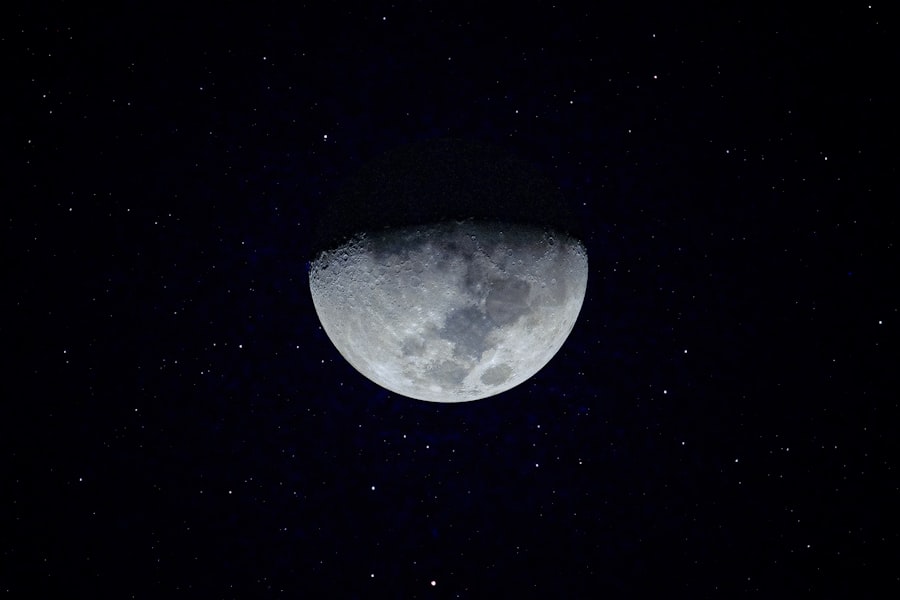
The results from remote viewing missions targeting the Moon varied widely, reflecting both the subjective nature of psychic experiences and the challenges inherent in interpreting such data. Some remote viewers reported vivid impressions of lunar landscapes, describing craters, mountains, and unusual formations with surprising accuracy. In certain instances, their descriptions aligned with subsequent scientific findings from lunar missions, leading proponents to argue that these successes validated the efficacy of remote viewing as a legitimate tool for exploration.
However, not all sessions yielded positive results. Many remote viewers struggled to provide coherent or consistent descriptions of their targets, leading skeptics to question the reliability of their claims. Critics argued that any perceived accuracy could be attributed to chance or vague interpretations rather than genuine psychic insight.
Despite these mixed outcomes, the findings from lunar remote viewing missions contributed to an ongoing dialogue about the potential applications of psychic phenomena in scientific research and intelligence gathering.
Controversies and Skepticism Surrounding Remote Viewing
The Stargate Project and its focus on remote viewing have long been subjects of controversy and skepticism within both scientific circles and popular culture. Critics argue that the lack of empirical evidence supporting remote viewing undermines its credibility as a legitimate practice. Many scientists contend that claims made by remote viewers are often anecdotal and lack rigorous validation through controlled experiments.
This skepticism is compounded by instances where remote viewing sessions failed to produce actionable intelligence or accurate information. Moreover, ethical concerns have arisen regarding the implications of using psychic abilities for espionage purposes.
This ongoing debate highlights the tension between belief in human potential and the need for empirical validation in scientific inquiry.
The Legacy of the Stargate Project and Remote Viewing
Despite its controversial nature, the Stargate Project has left an indelible mark on both popular culture and scientific discourse surrounding psychic phenomena. The project has inspired numerous books, documentaries, and films that explore themes of consciousness, intuition, and human potential. Its legacy continues to resonate with those interested in exploring the boundaries of human perception and understanding.
In addition to its cultural impact, the Stargate Project has also influenced subsequent research into consciousness and psychic phenomena. While many aspects of remote viewing remain contentious, ongoing studies in parapsychology seek to explore these topics further. The project serves as a reminder of humanity’s enduring fascination with unlocking hidden potentials within ourselves and our universe.
The Connection Between Remote Viewing and Space Exploration
The intersection between remote viewing and space exploration raises intriguing questions about human consciousness and our ability to perceive distant realms beyond our immediate experience. As humanity continues to push boundaries in space exploration through advanced technology and robotic missions, the idea that individuals might access information about celestial bodies through psychic means adds an additional layer of complexity to our understanding of exploration. Remote viewing offers a unique perspective on how humans might engage with distant worlds beyond traditional scientific methods.
While it may not replace conventional exploration techniques, it invites contemplation about alternative ways of knowing and understanding our universe. This connection between remote viewing and space exploration encourages ongoing dialogue about consciousness, perception, and our place within the cosmos.
The Impact of Declassified Moon Remote Viewing Missions
The declassification of documents related to moon remote viewing missions has sparked renewed interest in both parapsychology and space exploration among researchers and enthusiasts alike. These revelations have prompted discussions about what can be learned from past experiments and how they might inform future inquiries into consciousness and perception. As more information becomes available regarding these missions, researchers are revisiting methodologies used during remote viewing sessions to assess their validity and potential applications in contemporary contexts.
The impact of these declassified missions extends beyond mere curiosity; they challenge existing paradigms about human capabilities while inspiring new avenues for exploration within both scientific inquiry and popular imagination.
The Future of Remote Viewing and its Potential Applications
Looking ahead, the future of remote viewing remains uncertain yet filled with possibilities for exploration across various fields. As interest in consciousness studies continues to grow alongside advancements in neuroscience and psychology, there may be opportunities for integrating insights from remote viewing into broader discussions about human potential. Potential applications for remote viewing extend beyond military intelligence; they could encompass areas such as psychological research, therapeutic practices, or even creative endeavors like art and writing.
By fostering an open-minded approach toward understanding consciousness while maintaining rigorous standards for validation through empirical research, society may unlock new dimensions within ourselves that have yet to be fully explored. In conclusion, while skepticism surrounding remote viewing persists within scientific communities, its legacy endures as a testament to humanity’s quest for understanding beyond conventional boundaries. The Stargate Project serves as both a historical artifact reflecting our fascination with psychic phenomena while inviting ongoing inquiry into what lies beyond our immediate perception—both on Earth and among distant stars.
For those interested in the intriguing topic of Stargate remote viewing and its declassified information regarding the moon, a related article can be found on XFile Findings. This article delves into the various aspects of remote viewing and its implications for understanding extraterrestrial phenomena. You can read more about it by visiting XFile Findings.
FAQs
What is Stargate Remote Viewing?
Stargate Remote Viewing was a secret U.S. government program initiated in the 1970s aimed at investigating the potential for psychic phenomena, specifically remote viewing, to gather intelligence information. Remote viewing is the claimed ability to perceive or describe distant or unseen targets using extrasensory perception (ESP).
Was the Stargate Program focused on the Moon?
While the Stargate program explored various remote viewing targets, including military and intelligence-related sites, some remote viewers reportedly attempted to describe locations on the Moon. However, these sessions were part of broader research and not a primary focus of the program.
Has any information about Stargate Remote Viewing been declassified?
Yes, many documents related to the Stargate program have been declassified and released to the public, primarily through the Freedom of Information Act (FOIA). These documents provide insight into the program’s operations, methodologies, and some of the results obtained.
Did the Stargate program confirm the existence of extraterrestrial bases on the Moon?
No credible evidence from the Stargate program or its declassified documents confirms the existence of extraterrestrial bases on the Moon. Remote viewing results were often ambiguous and lacked verifiable proof.
Is remote viewing scientifically validated?
Remote viewing remains a controversial topic. While some studies during the Stargate program suggested statistically significant results, the broader scientific community generally regards remote viewing as lacking reliable empirical support and considers it pseudoscientific.
Where can I access the declassified Stargate Remote Viewing documents?
Declassified documents related to the Stargate program are available through the U.S. government archives, such as the CIA’s Electronic Reading Room, and various online repositories that host FOIA-released materials.
What was the purpose of using remote viewing in intelligence?
The U.S. intelligence community explored remote viewing as a potential tool to gather information on foreign military activities, hidden installations, and other strategic targets that were difficult to access through conventional means.
When was the Stargate program officially terminated?
The Stargate program was officially terminated in 1995 after evaluations concluded that remote viewing did not provide actionable intelligence that justified continued funding.