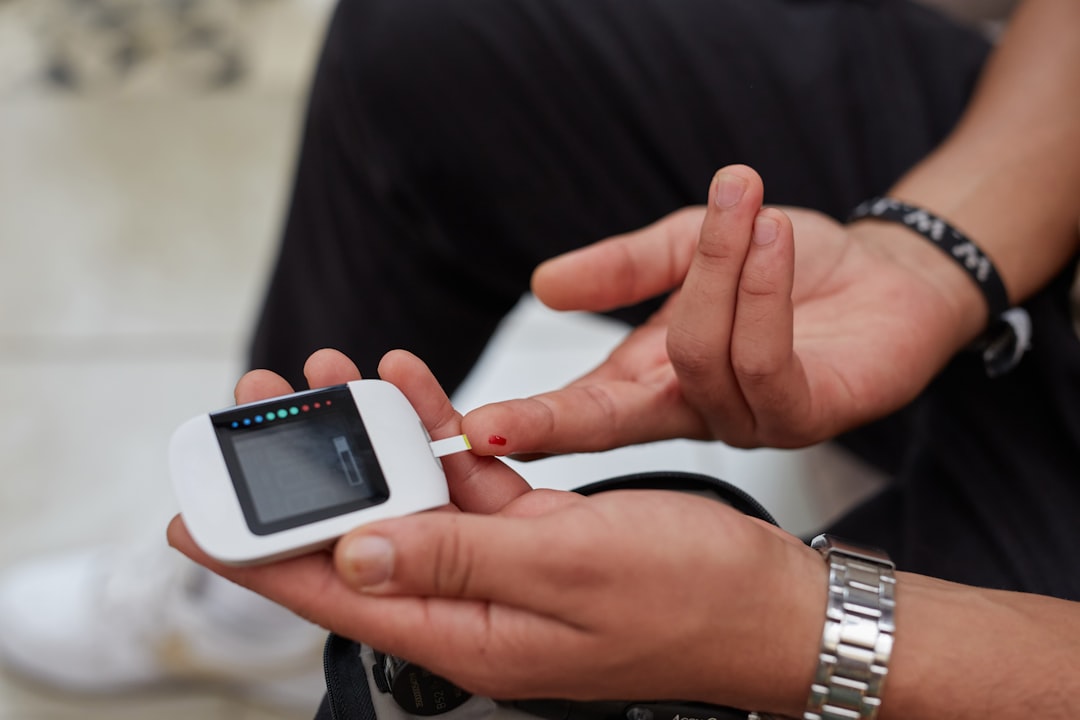
Wearable access gating scores represent a novel approach to evaluating an individual’s readiness and capacity to engage in various activities, particularly in contexts that require resilience and adaptability. These scores are derived from data collected by wearable devices, which monitor physiological and behavioral metrics such as heart rate variability, sleep patterns, and physical activity levels. By analyzing this data, access gating scores provide insights into an individual’s current state of well-being and their ability to cope with stressors.
This innovative scoring system is gaining traction in both personal health management and broader community resilience initiatives. The concept of access gating scores is rooted in the understanding that resilience is not a static trait but rather a dynamic quality that can fluctuate based on numerous factors. By utilizing wearables to track real-time data, individuals can gain a clearer picture of their resilience levels.
This information can be pivotal in making informed decisions about when to engage in challenging activities or when to prioritize self-care. As the technology behind wearables continues to evolve, the potential for access gating scores to enhance personal and community resilience becomes increasingly significant.
Key Takeaways
- Wearable access gating scores help quantify individual resilience using data from voluntary wearable devices.
- These scores promote personal and community resilience by encouraging proactive health management.
- Ethical considerations are crucial to ensure privacy and voluntary participation in wearable data collection.
- Access gating scores enhance public health strategies and emergency response by providing real-time resilience metrics.
- Successful case studies demonstrate the potential of wearable technology to empower individuals and strengthen community health.
The Role of Voluntary Wearables in Promoting Resilience
Voluntary wearables play a crucial role in fostering resilience by empowering individuals to take charge of their health and well-being. Unlike mandatory health monitoring systems, voluntary wearables allow users to choose when and how they engage with the technology. This autonomy can lead to increased motivation and commitment to personal health goals.
By providing users with real-time feedback on their physiological states, these devices encourage proactive health management, which is essential for building resilience. Moreover, the data collected from voluntary wearables can help individuals identify patterns in their behavior and health that may contribute to stress or burnout. For instance, a user may discover that their heart rate spikes during certain activities or that their sleep quality deteriorates during periods of high stress.
Armed with this knowledge, they can make informed adjustments to their routines, such as incorporating relaxation techniques or modifying their schedules. This self-awareness is a cornerstone of resilience, enabling individuals to navigate challenges more effectively.
How Wearable Technology Can Measure Resilience
Wearable technology has advanced significantly in recent years, allowing for a comprehensive assessment of resilience through various metrics. Devices equipped with sensors can track heart rate variability, which is a key indicator of an individual’s ability to adapt to stress. A higher heart rate variability typically signifies better resilience, as it reflects the body’s capacity to respond flexibly to changing circumstances.
Additionally, wearables can monitor sleep patterns, physical activity levels, and even emotional states through biometric feedback, providing a holistic view of an individual’s resilience. The integration of artificial intelligence and machine learning into wearable technology further enhances its ability to measure resilience. These systems can analyze vast amounts of data to identify trends and correlations that may not be immediately apparent.
For example, an AI-driven wearable might detect that an individual’s resilience decreases after several nights of poor sleep or during periods of inactivity. By offering personalized insights and recommendations based on this analysis, wearable technology can guide users toward behaviors that bolster their resilience.
The Benefits of Access Gating Scores for Individuals
Access gating scores offer numerous benefits for individuals seeking to enhance their resilience and overall well-being. One of the primary advantages is the ability to receive personalized feedback based on real-time data. This tailored approach allows individuals to understand their unique resilience profiles and make informed decisions about their health and lifestyle choices.
Additionally, access gating scores can serve as motivational tools. When individuals see tangible evidence of their progress—such as improvements in their scores—they may feel more encouraged to maintain healthy habits.
This positive reinforcement can create a virtuous cycle where individuals are motivated to continue engaging with their wearables and making choices that promote resilience. Furthermore, the social aspect of sharing access gating scores within communities can foster a sense of accountability and support among peers.
The Impact of Access Gating Scores on Community Resilience
| Metric | Description | Score (0-100) | Last Updated |
|---|---|---|---|
| Access Control Robustness | Measures the strength of authentication and authorization mechanisms for wearables | 85 | 2024-06-01 |
| Data Privacy Compliance | Assesses adherence to data protection regulations in wearable data handling | 78 | 2024-05-28 |
| System Uptime | Percentage of time the wearable access system is operational without failure | 92 | 2024-06-02 |
| Incident Response Time | Average time to detect and respond to access-related security incidents | 70 | 2024-05-30 |
| User Adoption Rate | Percentage of voluntary users actively using wearables with access gating | 65 | 2024-06-01 |
| Resilience to Unauthorized Access | Effectiveness in preventing unauthorized access attempts | 88 | 2024-06-02 |
The implications of access gating scores extend beyond individual well-being; they also have the potential to enhance community resilience. By aggregating data from multiple users, communities can gain insights into collective health trends and resilience levels. This information can inform public health initiatives and resource allocation, ensuring that support is directed where it is most needed.
For example, if a community’s access gating scores indicate widespread low resilience due to high stress levels, local organizations can implement targeted interventions such as wellness programs or mental health resources. Moreover, access gating scores can facilitate collaboration among community members. When individuals share their scores and experiences, they create opportunities for dialogue about resilience strategies and coping mechanisms.
This exchange of information can lead to the development of community-based support networks that empower individuals to navigate challenges together. In this way, access gating scores not only promote individual health but also contribute to the overall strength and cohesion of communities.
Ethical Considerations of Voluntary Wearables and Access Gating Scores

As with any emerging technology, the use of voluntary wearables and access gating scores raises important ethical considerations. One primary concern is the issue of data privacy and security. Individuals must be assured that their personal health data is protected and used responsibly.
Clear guidelines regarding data ownership, consent, and sharing practices are essential to build trust between users and technology providers. Another ethical consideration involves the potential for inequities in access to wearable technology. While voluntary wearables can empower many individuals, there is a risk that marginalized populations may be left behind due to financial constraints or lack of access to technology.
Addressing these disparities is crucial for ensuring that the benefits of access gating scores are equitably distributed across all segments of society. Policymakers and technology developers must work together to create inclusive solutions that prioritize accessibility and affordability.
The Future of Wearable Technology and Resilience
The future of wearable technology holds immense promise for enhancing resilience on both individual and community levels. As advancements in sensor technology continue to emerge, wearables will become increasingly sophisticated in measuring a wider array of physiological and psychological metrics. This evolution will enable more accurate assessments of resilience and provide users with deeper insights into their health.
Moreover, the integration of wearable technology with other digital health platforms will create a more comprehensive ecosystem for managing well-being. For instance, wearables could seamlessly connect with telehealth services, allowing healthcare providers to monitor patients’ resilience levels remotely and offer timely interventions when necessary. As society becomes more aware of the importance of mental health and resilience, the demand for innovative solutions like access gating scores will likely grow, driving further advancements in wearable technology.
Case Studies: Successful Implementation of Access Gating Scores
Several case studies illustrate the successful implementation of access gating scores in various settings. One notable example involves a corporate wellness program that integrated wearable technology into its employee health initiatives. By providing employees with wearables that tracked their physiological metrics, the company was able to generate access gating scores for each individual.
These scores were used to tailor wellness programs that addressed specific needs, resulting in improved employee engagement and reduced stress levels across the organization. Another case study highlights a community-based initiative aimed at enhancing mental health support through access gating scores. In this program, residents were encouraged to use voluntary wearables to track their resilience levels over time.
The aggregated data allowed local health officials to identify trends in community well-being and implement targeted interventions such as mindfulness workshops and stress management resources. The initiative not only improved individual resilience but also fostered a sense of community solidarity as residents shared their experiences and supported one another.
Overcoming Challenges in Implementing Voluntary Wearables and Access Gating Scores
Despite the potential benefits of voluntary wearables and access gating scores, several challenges must be addressed for successful implementation. One significant hurdle is ensuring user engagement with the technology over time. Many individuals may initially embrace wearables but lose interest or motivation as time goes on.
To combat this issue, developers must focus on creating user-friendly interfaces and incorporating gamification elements that encourage ongoing interaction.
To overcome these barriers, education campaigns are essential to inform potential users about the benefits of wearables and how their data will be protected.
Building trust through transparent communication will be key in encouraging widespread adoption of access gating scores as a valuable tool for promoting resilience.
Empowering Individuals Through Access Gating Scores
Access gating scores have the potential to empower individuals by providing them with actionable insights into their health and well-being. By understanding their unique resilience profiles through these scores, individuals can make informed choices about how to manage stressors in their lives effectively. This empowerment fosters a sense of agency over one’s health journey, encouraging proactive engagement with wellness practices.
Furthermore, access gating scores can facilitate goal-setting by allowing individuals to track their progress over time. As users see improvements in their scores, they may feel motivated to set new challenges for themselves or explore additional avenues for enhancing their resilience. This continuous cycle of self-improvement not only benefits individuals but also contributes positively to overall community well-being.
The Role of Access Gating Scores in Public Health and Emergency Response
Access gating scores can play a pivotal role in public health initiatives and emergency response efforts by providing real-time data on population resilience levels during crises. For instance, during natural disasters or public health emergencies, aggregated access gating scores can help authorities assess community well-being and identify areas where support is urgently needed. This information can guide resource allocation and intervention strategies aimed at bolstering community resilience in times of crisis.
Moreover, public health campaigns can leverage access gating scores to promote preventive measures that enhance individual resilience before emergencies occur. By encouraging individuals to monitor their well-being through wearables and understand their access gating scores, public health officials can foster a culture of preparedness within communities. This proactive approach not only enhances individual health but also strengthens collective resilience against future challenges.
In conclusion, wearable access gating scores represent a transformative development in the intersection of technology and personal well-being. By harnessing the power of voluntary wearables, individuals can gain valuable insights into their resilience levels while contributing to broader community health initiatives. As society continues to navigate complex challenges, the integration of access gating scores into public health strategies will be essential for fostering resilient individuals and communities alike.
In exploring the implications of voluntary wearables access gating resilience scores, it is essential to consider the broader context of how these technologies can influence personal health management. A related article that delves into the intersection of wearables and health data privacy can be found at XFile Findings. This resource provides valuable insights into the ethical considerations and potential benefits of integrating wearables into everyday health practices.
FAQs
What are voluntary wearables in the context of access gating?
Voluntary wearables refer to wearable devices that individuals choose to use, which can collect health or biometric data. In access gating, these devices provide data that may be used to assess an individual’s health status or resilience before granting access to certain environments or services.
What is meant by resilience scores in relation to wearables?
Resilience scores are metrics derived from data collected by wearables that indicate an individual’s ability to withstand or recover from stressors, such as illness or fatigue. These scores help evaluate overall health and readiness.
How do voluntary wearables contribute to access gating?
Voluntary wearables provide real-time or periodic health data that can be used to determine if an individual meets specific health criteria required for access to a facility, event, or service, thereby enabling a data-driven access gating process.
Is participation in wearable-based access gating mandatory?
No, participation is voluntary. Individuals choose whether to use wearables and share their data for access gating purposes, ensuring personal autonomy and privacy.
What types of data do wearables collect for resilience scoring?
Wearables typically collect data such as heart rate variability, sleep patterns, activity levels, and other physiological indicators that contribute to calculating resilience scores.
How is privacy maintained when using wearables for access gating?
Privacy is maintained through data anonymization, secure data transmission, user consent protocols, and compliance with relevant data protection regulations to ensure that personal health information is safeguarded.
Can resilience scores from wearables be used in workplace settings?
Yes, some organizations use resilience scores from voluntary wearables to monitor employee well-being and manage access to workplaces, especially in health-sensitive environments.
Are resilience scores standardized across different wearable devices?
Currently, resilience scoring methods may vary between manufacturers and platforms, as there is no universal standard. However, efforts are ongoing to develop consistent metrics.
What are the benefits of using voluntary wearables for access gating?
Benefits include enhanced health monitoring, improved safety by preventing access to individuals who may pose health risks, personalized health insights, and increased operational resilience.
Are there any limitations to using voluntary wearables for resilience scoring?
Limitations include variability in data accuracy, user compliance, potential privacy concerns, and the need for robust algorithms to interpret data correctly for access decisions.