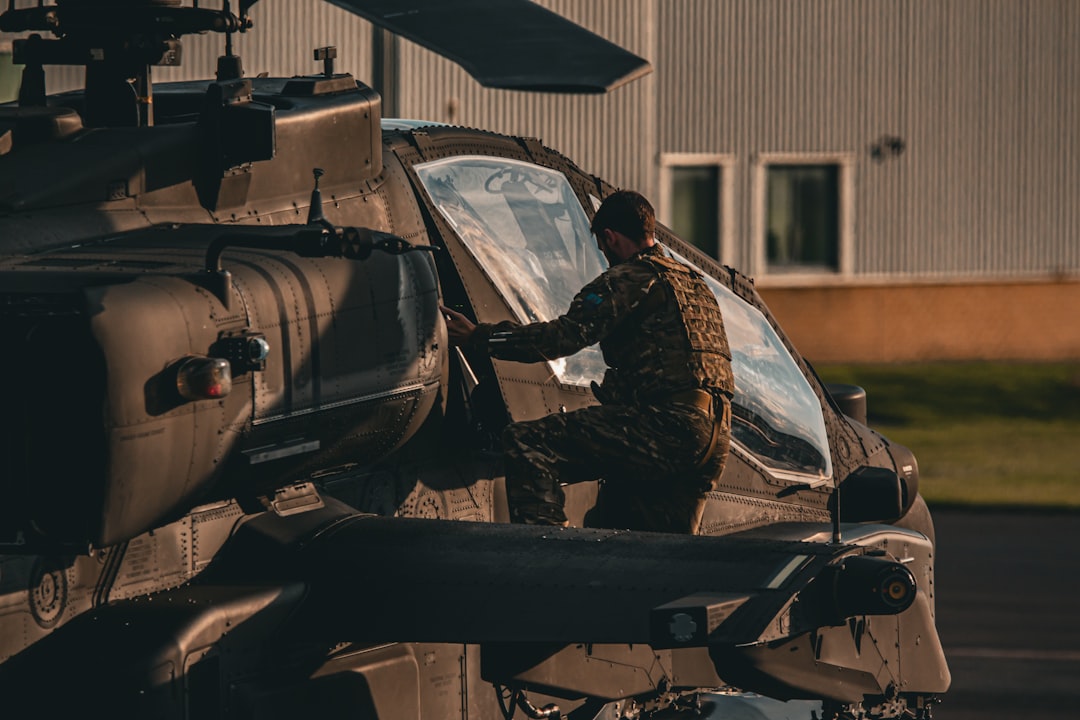
In an era marked by rapid geopolitical shifts and evolving security threats, unprecedented military cooperation has emerged as a defining characteristic of international relations. Nations that once operated in isolation or rivalry are now finding common ground, forging alliances that transcend traditional boundaries. This new wave of collaboration is not merely a response to immediate threats but reflects a broader understanding of the interconnectedness of global security.
As countries face challenges ranging from terrorism to cyber warfare, the necessity for collective action has never been more apparent. The dynamics of military cooperation have evolved significantly, driven by a combination of historical precedents and contemporary exigencies. The rise of non-state actors, the proliferation of advanced technologies, and the complexities of global politics have all contributed to a landscape where military alliances are not only beneficial but essential.
This article delves into the history, challenges, and future of military cooperation, highlighting the importance of trust, communication, and the role of non-traditional allies in shaping a secure world.
Key Takeaways
- Unprecedented military cooperation is a new era of collaboration among nations to address global security challenges.
- History has shown that military alliances have been crucial in shaping the geopolitical landscape and maintaining peace.
- Technology plays a vital role in enhancing military cooperation, from intelligence sharing to joint military exercises.
- Successful case studies, such as NATO and the Five Eyes alliance, demonstrate the effectiveness of military alliances in achieving common goals.
- Trust, communication, and understanding are essential for building and maintaining strong military alliances.
History of Military Alliances
The concept of military alliances is not new; it has been a cornerstone of international relations for centuries. From the ancient Greek city-states forming coalitions against common enemies to the intricate web of alliances that characterized Europe in the lead-up to World War I, history is replete with examples of nations banding together for mutual defense. The Treaty of Westphalia in 1648 marked a significant turning point, establishing the principles of state sovereignty and laying the groundwork for modern alliances.
In the 20th century, military alliances took on new forms with the establishment of organizations such as NATO and the Warsaw Pact. These alliances were not only about military cooperation but also reflected ideological divides during the Cold War. The post-Cold War era saw a shift towards more flexible and adaptive alliances, as nations recognized the need to address emerging threats such as terrorism and cyber warfare.
The evolution of military alliances illustrates how nations have historically sought to enhance their security through collaboration, adapting to changing geopolitical landscapes.
The Role of Technology in Military Cooperation

Technology has become a pivotal factor in shaping military cooperation in the modern age. The advent of advanced communication systems, satellite technology, and artificial intelligence has transformed how nations collaborate on defense matters. Real-time data sharing and joint operations have become increasingly feasible, allowing for more coordinated responses to threats.
This technological integration not only enhances operational efficiency but also fosters deeper trust among allied nations. Moreover, technology has facilitated the development of joint training exercises and interoperability among allied forces. Nations can now conduct complex military operations together, utilizing shared platforms and systems that enhance their collective capabilities.
The rise of cyber warfare has further underscored the importance of technological cooperation, as nations must work together to defend against increasingly sophisticated cyber threats. In this context, technology serves as both a tool for collaboration and a catalyst for deeper military partnerships.
Case Studies of Successful Military Alliances
| Alliance | Participating Countries | Duration | Outcome |
|---|---|---|---|
| NATO | 29 | 1949 – Present | Successful in deterring aggression and promoting stability in Europe |
| Five Eyes | 5 | 1941 – Present | Effective intelligence sharing and cooperation among member countries |
| SEATO | 8 | 1954 – 1977 | Contributed to regional security and stability in Southeast Asia |
Examining successful military alliances provides valuable insights into the factors that contribute to effective cooperation. One notable example is NATO, which has demonstrated resilience and adaptability since its inception in 1949. Originally formed as a counterbalance to Soviet expansion, NATO has evolved to address contemporary security challenges, including terrorism and cyber threats.
The alliance’s collective defense principle, enshrined in Article 5, has been invoked multiple times, showcasing its effectiveness in uniting member states against common adversaries.
This intelligence-sharing partnership has proven instrumental in countering global threats through enhanced surveillance and information exchange.
The success of Five Eyes highlights the importance of trust and shared objectives among allies, demonstrating how collaboration can lead to more effective responses to security challenges.
Challenges and Obstacles to Military Cooperation
Despite the clear benefits of military cooperation, numerous challenges and obstacles can hinder effective collaboration among nations. One significant issue is differing national interests and priorities. While countries may share a common goal of security, their approaches to achieving that goal can vary widely based on political, economic, or cultural factors.
This divergence can lead to tensions within alliances and complicate decision-making processes. Additionally, resource disparities among allied nations can create imbalances in military capabilities. Some countries may possess advanced technology and well-funded defense budgets, while others struggle with limited resources.
Addressing these challenges requires open dialogue and a commitment to finding common ground among allies.
The Importance of Trust and Communication in Military Alliances
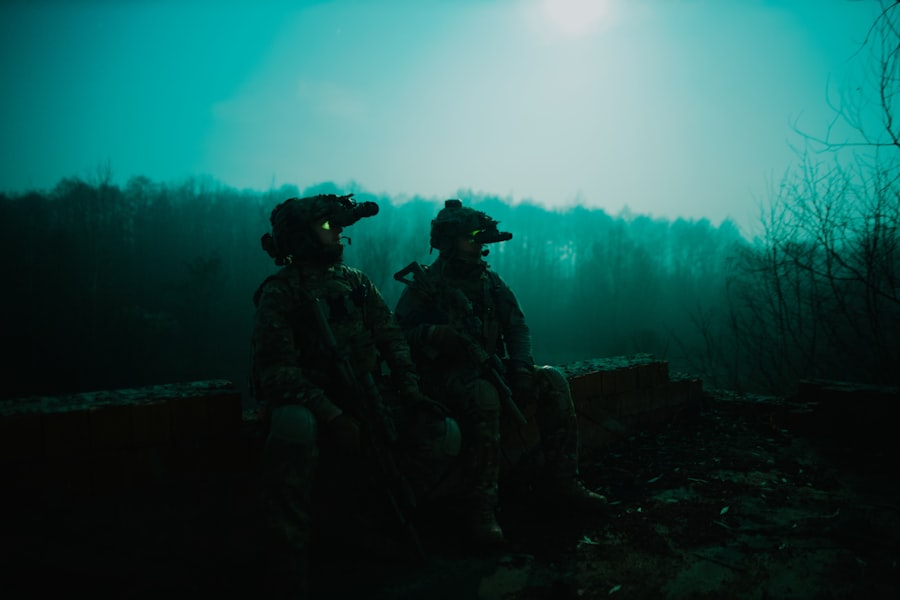
Trust and communication are fundamental pillars of successful military alliances. Without trust, nations may hesitate to share critical information or collaborate on joint operations, undermining the effectiveness of their partnership. Building trust takes time and requires consistent engagement among allies through joint exercises, diplomatic dialogues, and shared experiences.
Effective communication is equally vital in ensuring that all parties are aligned on objectives and strategies. Misunderstandings or miscommunications can lead to operational failures or diplomatic rifts that jeopardize collective security efforts. Establishing clear channels for communication and fostering an environment where allies feel comfortable expressing concerns or disagreements is essential for maintaining strong military cooperation.
The Impact of Global Politics on Military Cooperation
Global politics plays a significant role in shaping military cooperation among nations. Shifts in power dynamics, emerging threats, and changing alliances can all influence how countries approach military collaboration. For instance, the rise of China as a global superpower has prompted many nations to reassess their security strategies and seek new partnerships to counterbalance Chinese influence.
Moreover, regional conflicts can also impact military cooperation on a broader scale. For example, tensions in the Middle East have led to new alliances among countries seeking stability in the region. The evolving nature of global politics necessitates that nations remain agile in their approach to military cooperation, adapting to new realities while maintaining their commitment to collective security.
The Future of Military Alliances
Looking ahead, the future of military alliances will likely be shaped by several key trends. As global threats continue to evolve, nations will need to prioritize flexibility and adaptability in their partnerships. This may involve forming new coalitions that address specific challenges or reconfiguring existing alliances to better align with contemporary security needs.
Additionally, the increasing importance of non-state actors in global conflicts will require traditional military alliances to broaden their scope. Collaborating with non-traditional allies such as private sector entities or international organizations may become essential for addressing complex security issues that transcend national borders.
The Role of Non-Traditional Allies in Military Cooperation
Non-traditional allies are becoming increasingly relevant in the landscape of military cooperation. These include private companies specializing in cybersecurity, humanitarian organizations providing support during crises, and even academic institutions contributing research on security issues. By leveraging the expertise and resources of these non-traditional partners, nations can enhance their collective capabilities and address multifaceted challenges more effectively.
Furthermore, engaging with non-traditional allies can foster innovation within military strategies and operations. For instance, partnerships with tech companies can lead to advancements in defense technologies that improve situational awareness or enhance cyber defenses. Embracing a broader definition of allies allows nations to tap into diverse perspectives and solutions that strengthen overall security efforts.
The Benefits of Unprecedented Military Cooperation
The benefits of unprecedented military cooperation are manifold. Firstly, such collaboration enhances collective security by pooling resources and expertise among allied nations. This shared approach allows countries to respond more effectively to threats that no single nation could tackle alone.
Additionally, unprecedented cooperation fosters diplomatic ties that can lead to greater stability in regions prone to conflict. Moreover, joint military exercises and training programs promote interoperability among forces from different countries, ensuring that they can operate seamlessly together during crises. This level of preparedness not only strengthens individual nations’ defense capabilities but also reinforces the notion that allies stand united against common adversaries.
The Power of Unity in Military Alliances
In conclusion, unprecedented military cooperation represents a powerful force in shaping global security dynamics. As nations navigate an increasingly complex geopolitical landscape marked by evolving threats and shifting alliances, the importance of collaboration cannot be overstated. Historical precedents demonstrate that unity among nations enhances collective security while fostering trust and communication.
Looking forward, embracing non-traditional allies and leveraging technological advancements will be crucial for maintaining effective military cooperation. Ultimately, the power of unity in military alliances lies not only in shared objectives but also in the commitment to work together toward a safer world for all nations involved.
In recent years, the topic of military cooperation with extraterrestrial beings has sparked significant interest and debate among both the scientific community and the general public. An intriguing article on this subject can be found on XFile Findings, which delves into the potential implications and strategic advantages of such alliances. The article explores various theories and reports that suggest the possibility of covert collaborations between military forces and alien civilizations. For a deeper understanding of these fascinating discussions, you can read more about it on their website.
The Tall Whites’ Secret Agenda EXPOSED: Why The Military Protects Tall White Aliens
FAQs
What is military cooperation with aliens?
Military cooperation with aliens refers to the hypothetical scenario in which Earth’s military forces work together with extraterrestrial beings for mutual benefit, such as defense against common threats or sharing of advanced technology and knowledge.
Is there any evidence of military cooperation with aliens?
There is no credible evidence to support the existence of military cooperation with aliens. Claims of such cooperation typically originate from conspiracy theories and science fiction rather than verifiable sources.
Has any government or military organization confirmed military cooperation with aliens?
No government or military organization has officially confirmed the existence of military cooperation with aliens. Such claims remain speculative and lack credible evidence.
What are the potential implications of military cooperation with aliens?
The potential implications of military cooperation with aliens are purely speculative, as there is no concrete evidence to support such a scenario. However, in popular culture and science fiction, the implications range from technological advancements to potential conflicts and power struggles.
How does the scientific community view the concept of military cooperation with aliens?
The scientific community generally regards the concept of military cooperation with aliens as speculative and lacking empirical evidence. While the search for extraterrestrial life is a legitimate scientific endeavor, claims of military cooperation with aliens are not supported by scientific consensus.