
Maritime security has become increasingly important in modern defense planning, leading to the development of sophisticated underwater surveillance systems that serve as essential components of national security infrastructure. These systems monitor, detect, and analyze underwater activities to provide intelligence for protecting national interests. While many aspects of these systems remain classified, their strategic importance is widely recognized as nations address diverse maritime threats including piracy, smuggling, and unauthorized military activities.
Contemporary underwater surveillance systems integrate multiple advanced technologies to achieve comprehensive monitoring capabilities. These systems typically combine sonar arrays, unmanned underwater vehicles (UUVs), acoustic sensors, and data processing platforms to detect and track underwater objects and activities. The integration of artificial intelligence and machine learning algorithms enables automated threat detection and pattern recognition, allowing operators to process large volumes of sensor data efficiently.
The operational deployment of these systems varies based on geographic requirements and threat assessments. Fixed installations may include seabed-mounted sensor networks and coastal monitoring stations, while mobile platforms utilize autonomous underwater vehicles and surface vessels equipped with towed arrays. These systems generate continuous data streams that are analyzed at command centers to identify potential security concerns and coordinate appropriate responses.
Many people have reported [
The advanced underwater surveillance system boasts a plethora of features designed to enhance its operational effectiveness. One of the most notable capabilities is its ability to conduct long-range surveillance using advanced sonar technology. This allows for the detection of submarines and other underwater vessels at significant distances, providing early warning of potential threats.
Additionally, the system can operate in various environmental conditions, ensuring reliability regardless of weather or water clarity. Another key feature is the integration of unmanned underwater vehicles (UUVs), which can be deployed for reconnaissance missions without risking human lives. These UUVs are equipped with high-resolution cameras and sensors that gather critical data about underwater environments.
Furthermore, the system’s data fusion capabilities enable it to combine information from multiple sources, creating a comprehensive picture of underwater activities. This holistic approach enhances situational awareness and supports informed decision-making by military commanders.
Importance of Underwater Surveillance in National Security
Underwater surveillance plays a pivotal role in national security by providing essential intelligence that informs military strategy and operations. The oceans cover over 70% of the Earth’s surface, making them a vast domain where threats can emerge unexpectedly. From monitoring hostile submarines to tracking illegal fishing activities, effective underwater surveillance is crucial for maintaining maritime sovereignty and protecting national interests.
Moreover, as geopolitical tensions rise in various regions, the importance of underwater surveillance becomes even more pronounced. Nations must be vigilant in monitoring their territorial waters to deter potential aggressors and ensure the safety of their maritime assets. The ability to detect and respond to threats in real-time can mean the difference between successful defense operations and catastrophic losses.
Thus, investing in advanced underwater surveillance systems is not merely a technological upgrade; it is a strategic imperative for safeguarding national security.
Integration of Advanced Technology in Underwater Surveillance
| Metric | Description | Typical Value | Unit |
|---|---|---|---|
| Detection Range | Maximum distance at which the system can detect underwater objects | 5,000 | meters |
| Frequency Band | Operating frequency range of sonar sensors | 10 – 50 | kHz |
| Resolution | Minimum size of object that can be distinguished | 0.5 | meters |
| Coverage Area | Area monitored by the system | 20 | square kilometers |
| Data Transmission Rate | Speed of data transfer from sensors to control unit | 100 | Mbps |
| Power Consumption | Energy used by the system during operation | 500 | Watts |
| Operational Depth | Maximum depth at which the system can operate effectively | 1,000 | meters |
| Latency | Time delay between detection and data processing | 200 | milliseconds |
The integration of advanced technology into underwater surveillance systems has transformed how nations approach maritime security. Innovations such as artificial intelligence (AI), machine learning, and big data analytics have enhanced the capabilities of these systems significantly. AI algorithms can analyze vast amounts of data collected from various sensors, identifying patterns and anomalies that may indicate potential threats.
Additionally, advancements in sensor technology have improved detection accuracy and range. Modern sonar systems can differentiate between various types of underwater objects, reducing false positives and enhancing operational efficiency. The use of satellite communications also allows for real-time data transmission, enabling military personnel to make informed decisions based on up-to-date information.
This technological synergy not only improves surveillance capabilities but also streamlines operational processes, making responses to threats more effective.
Operational Use and Deployment of the Advanced Underwater Surveillance System
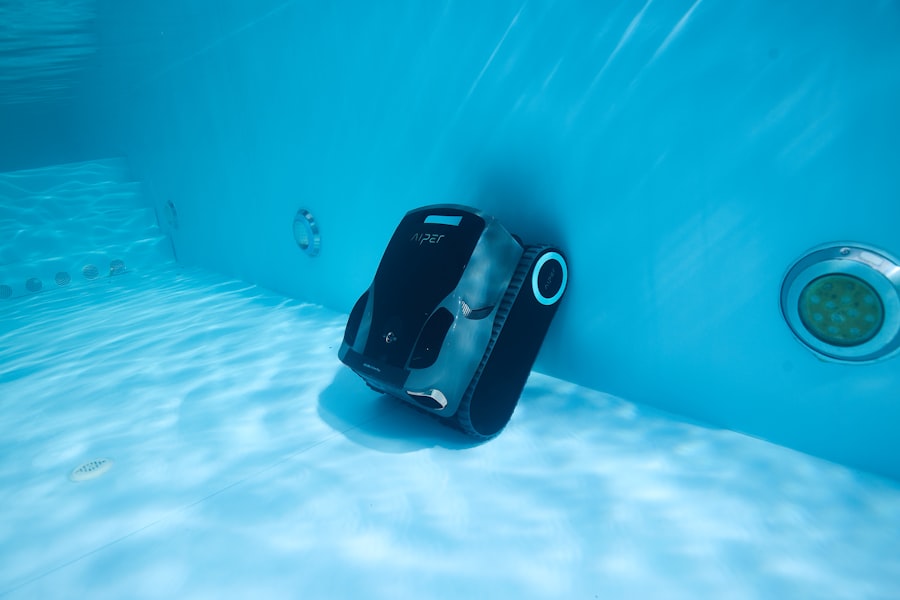
The operational use of advanced underwater surveillance systems is multifaceted, encompassing various missions ranging from intelligence gathering to search and rescue operations. Military forces utilize these systems to monitor strategic waterways, ensuring that any unauthorized vessels are detected promptly. In addition to military applications, these systems are also employed for environmental monitoring and research purposes, highlighting their versatility.
Deployment strategies vary based on mission objectives and environmental conditions. For instance, during heightened tensions or military exercises, these systems may be deployed in a more aggressive posture to deter potential adversaries. Conversely, during peacetime operations, they may be used for routine monitoring and data collection.
Advantages and Limitations of the Advanced Underwater Surveillance System
While the advanced underwater surveillance system offers numerous advantages, it is not without its limitations. One significant advantage is its ability to provide comprehensive situational awareness in complex underwater environments. The integration of various technologies allows for a multi-dimensional understanding of potential threats, enabling proactive responses.
However, limitations do exist. The high costs associated with developing and maintaining these systems can be prohibitive for some nations or organizations. Additionally, environmental factors such as ocean currents and temperature variations can affect sensor performance and data accuracy.
Furthermore, as technology evolves, so too do the tactics employed by adversaries, necessitating continuous upgrades and adaptations to stay ahead of emerging threats.
Future Developments and Upgrades for the Advanced Underwater Surveillance System
Looking ahead, future developments in advanced underwater surveillance systems are likely to focus on enhancing automation and improving data processing capabilities. As AI technology continues to advance, it is expected that these systems will become increasingly autonomous, capable of conducting missions with minimal human intervention. This shift could significantly reduce operational costs while increasing efficiency.
Moreover, ongoing research into new sensor technologies promises to enhance detection capabilities further. Innovations such as quantum sensors may revolutionize how underwater environments are monitored by providing unprecedented sensitivity and accuracy. As nations invest in these advancements, the future of underwater surveillance will likely see a convergence of technologies that will redefine maritime security strategies.
Collaboration and Partnership in Advancing Underwater Surveillance Technology
Collaboration between governments, private industry, and academic institutions is essential for advancing underwater surveillance technology. By pooling resources and expertise, stakeholders can accelerate innovation and address common challenges more effectively. Joint research initiatives often lead to breakthroughs that would be difficult to achieve independently.
International partnerships also play a crucial role in enhancing global maritime security. Collaborative efforts among allied nations can lead to shared intelligence and coordinated responses to threats in international waters. Such partnerships foster trust and interoperability among naval forces, ensuring that they can work together seamlessly during joint operations.
Impact of the Advanced Underwater Surveillance System on Maritime Security
The impact of advanced underwater surveillance systems on maritime security is profound. By providing real-time intelligence on underwater activities, these systems enhance situational awareness for naval forces operating in contested waters. This capability allows for timely responses to potential threats, thereby deterring hostile actions from adversaries.
Furthermore, the presence of advanced surveillance systems can serve as a deterrent against illegal activities such as smuggling or unauthorized fishing. Criminal organizations are less likely to operate in areas where they know they are being monitored closely. As a result, these systems contribute not only to national security but also to the protection of marine resources and ecosystems.
The Role of Advanced Underwater Surveillance in Safeguarding National Interests
In conclusion, advanced underwater surveillance systems represent a critical component of modern national security strategies. Their development and implementation have transformed how nations monitor their maritime domains, providing essential intelligence that informs decision-making processes. As technology continues to evolve, these systems will play an increasingly vital role in safeguarding national interests against a backdrop of growing geopolitical tensions.
The integration of advanced technologies such as AI and machine learning has enhanced the capabilities of these systems significantly, allowing for more effective monitoring and response to potential threats. While challenges remain in terms of cost and environmental factors, ongoing research and collaboration among stakeholders promise to drive future advancements in this field. Ultimately, the continued investment in advanced underwater surveillance will be essential for ensuring maritime security in an ever-changing global landscape.
For those interested in the advancements of underwater surveillance systems, a related article can be found at this link. The article delves into the latest technologies and methodologies employed in underwater monitoring, highlighting their applications in marine research and security.
WATCH THIS! 🤯 THEY FOUND IT: NAVY EXPERT EXPOSES PUERTO RICO TRENCH SECRET 🤫
FAQs
What is an underwater surveillance system?
An underwater surveillance system is a technology setup designed to monitor and collect data beneath the water surface. It typically includes sensors, cameras, sonar, and communication devices to detect and track underwater activities or objects.
What are the primary uses of underwater surveillance systems?
Underwater surveillance systems are used for military defense, environmental monitoring, underwater research, pipeline and infrastructure inspection, and maritime security to detect unauthorized vessels or activities.
Why are some underwater surveillance systems classified?
Certain underwater surveillance systems are classified to protect sensitive technology and strategic information related to national security, military operations, and intelligence gathering.
What technologies are commonly used in underwater surveillance systems?
Common technologies include sonar (active and passive), underwater cameras, hydrophones, autonomous underwater vehicles (AUVs), remotely operated vehicles (ROVs), and underwater communication networks.
How do underwater surveillance systems detect objects or activities?
They use sonar waves to detect objects by sending sound pulses and analyzing the echoes, cameras for visual monitoring, and acoustic sensors to pick up underwater sounds or vibrations.
Are underwater surveillance systems used internationally?
Yes, many countries deploy underwater surveillance systems for maritime security, border protection, and environmental monitoring, often adapting the technology to their specific needs.
What challenges are associated with underwater surveillance?
Challenges include signal attenuation in water, limited communication range, harsh underwater conditions, biofouling on equipment, and the complexity of distinguishing between natural and artificial underwater sounds.
Can underwater surveillance systems operate autonomously?
Yes, many modern systems use autonomous underwater vehicles (AUVs) equipped with sensors and AI to perform surveillance tasks without direct human control.
How is data from underwater surveillance systems transmitted?
Data can be transmitted via underwater acoustic communication, tethered cables, or surfaced relay stations using radio or satellite links.
Is the use of underwater surveillance systems regulated?
Yes, their deployment is subject to national laws, international maritime regulations, and treaties to ensure security, privacy, and environmental protection.