
Null Zone Acoustic Suppression is a technology designed to reduce unwanted sound in specific areas by creating zones where sound waves are canceled through interference patterns. This method operates on established acoustic principles, where sound waves of opposite phases are introduced to neutralize existing noise sources, resulting in measurable noise reduction within targeted spaces. The technology applies wave interference theory, where sound waves can be manipulated through the introduction of counter-waves that destructively interfere with unwanted noise.
Engineers utilize this principle by strategically placing acoustic devices that generate sound waves precisely calibrated to cancel specific frequencies or noise patterns within designated areas. Applications for this technology span multiple sectors, including urban planning, workplace design, and residential environments. In cities experiencing high levels of ambient noise, these systems can create quieter zones in public spaces or residential areas.
Industrial and office environments utilize similar principles to reduce background noise that may affect worker performance and communication. The technology also finds application in specialized environments such as recording studios, medical facilities, and educational institutions where noise control is essential for optimal function. Current research in acoustic suppression focuses on improving the precision and coverage area of null zones, developing more efficient algorithms for real-time noise cancellation, and reducing the energy requirements of active suppression systems.
The effectiveness of these systems varies based on factors including the type of noise being suppressed, environmental conditions, and the specific implementation method used.
Key Takeaways
- Null Zone Acoustic Suppression uses targeted sound cancellation to create quiet zones by neutralizing unwanted noise.
- The technology operates through precise sound wave interference, effectively reducing noise in specific areas.
- It has diverse applications, including industrial noise control, medical environments, entertainment, and everyday life.
- While offering significant noise reduction benefits, the technology faces challenges like ethical concerns and technical limitations.
- Future developments aim to enhance effectiveness, broaden applications, and address ethical and practical challenges.
How Null Zone Acoustic Suppression Works
The mechanics of Null Zone Acoustic Suppression hinge on the principles of destructive interference. When two sound waves of equal amplitude and opposite phase meet, they can cancel each other out, resulting in a zone of silence or significantly reduced sound levels. This phenomenon is harnessed through various methods, including the use of advanced algorithms and speaker systems that emit sound waves designed to counteract unwanted noise.
By strategically placing these speakers in a given environment, it is possible to create a null zone where sound is effectively suppressed. In practice, the implementation of Null Zone Acoustic Suppression involves sophisticated technology that can adapt to changing acoustic conditions. For instance, real-time monitoring systems can detect fluctuations in ambient noise levels and adjust the output of counteracting sound waves accordingly.
This dynamic approach ensures that the null zone remains effective even as external conditions change, providing a consistent auditory experience. The integration of artificial intelligence and machine learning into these systems further enhances their adaptability, allowing for more precise control over sound suppression. Many people have reported [USO sightings] near coastal areas around the world.
Applications of Null Zone Acoustic Suppression Technology
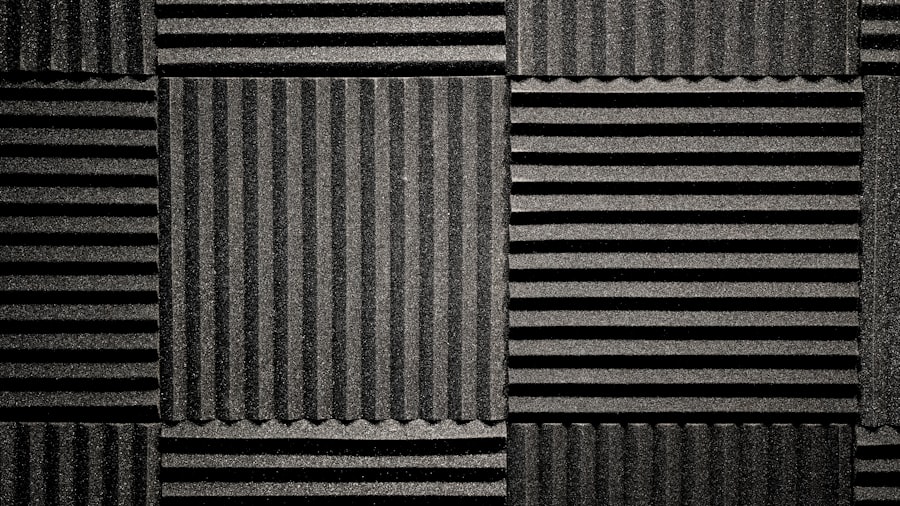
The versatility of Null Zone Acoustic Suppression technology allows it to be applied across a wide range of fields. One prominent application is in urban planning, where creating quiet zones in bustling city environments can significantly improve residents’ quality of life. Parks, residential areas, and public spaces can benefit from this technology, providing serene environments amidst the chaos of urban noise.
Additionally, transportation hubs such as airports and train stations can utilize null zones to enhance passenger comfort by reducing the impact of loud announcements and mechanical sounds. In the realm of entertainment, Null Zone Acoustic Suppression has found its place in concert halls and theaters. By controlling sound reflections and minimizing external noise interference, these venues can offer audiences an immersive auditory experience.
The technology also extends to home audio systems, where users can create personalized listening environments that enhance their enjoyment of music and movies. As the demand for high-quality sound experiences continues to rise, the applications of this technology are likely to expand further.
Advantages and Limitations of Null Zone Acoustic Suppression
The advantages of Null Zone Acoustic Suppression are manifold. One of the most significant benefits is its ability to create quiet environments without the need for physical barriers or extensive renovations. This makes it an attractive option for both residential and commercial applications, as it can be implemented with relative ease.
Furthermore, the technology is adaptable and can be tailored to suit specific needs, whether in a bustling office or a tranquil home setting. However, there are limitations to consider as well. The effectiveness of Null Zone Acoustic Suppression can be influenced by various factors, including room acoustics and the presence of obstacles that may disrupt sound waves.
Additionally, while the technology excels at reducing certain frequencies, it may not be equally effective across all sound ranges. This variability necessitates careful planning and design to ensure optimal performance in different environments. Moreover, the initial investment in advanced equipment and installation may pose a barrier for some users.
The Science Behind Null Zone Acoustic Suppression
| Parameter | Description | Typical Value | Unit |
|---|---|---|---|
| Null Zone Width | Width of the acoustic null zone where sound is suppressed | 0.5 – 2.0 | meters |
| Suppression Level | Amount of sound reduction achieved in the null zone | 20 – 40 | dB |
| Frequency Range | Frequency band over which suppression is effective | 500 – 4000 | Hz |
| Array Configuration | Type of microphone or speaker array used | Linear / Circular | N/A |
| Distance to Source | Distance from array to the sound source | 1 – 5 | meters |
| Signal Processing Delay | Latency introduced by suppression algorithms | 5 – 20 | milliseconds |
At its core, Null Zone Acoustic Suppression is grounded in the science of acoustics and wave behavior. Sound travels in waves, and when these waves interact with one another, they can either amplify or diminish each other based on their phase relationship. The concept of destructive interference is central to this technology; by generating sound waves that are precisely out of phase with unwanted noise, it becomes possible to create zones where sound is effectively canceled out.
The mathematical modeling involved in designing these systems is complex but essential for achieving desired outcomes. Engineers must consider factors such as frequency, amplitude, and spatial distribution when developing algorithms that govern how sound waves will interact within a given environment. Advances in computational power have enabled more sophisticated simulations and designs, allowing for greater precision in creating effective null zones.
As research continues to evolve in this field, new insights into sound behavior will likely lead to even more refined applications of this technology.
The Future of Null Zone Acoustic Suppression
Looking ahead, the future of Null Zone Acoustic Suppression appears promising as advancements in technology continue to unfold. With ongoing research into materials science and acoustic engineering, it is likely that more efficient and effective methods for creating null zones will emerge. Innovations such as metamaterials—engineered materials designed to manipulate sound waves—could revolutionize how acoustic suppression is achieved, making it more accessible and versatile.
Moreover, as urbanization continues to rise globally, the demand for solutions to combat noise pollution will only increase. This presents an opportunity for developers and researchers to collaborate on creating integrated systems that combine Null Zone Acoustic Suppression with other smart technologies. For instance, integrating this technology with smart city initiatives could lead to dynamic noise management systems that respond in real-time to changing environmental conditions.
Such advancements could significantly enhance urban living experiences while promoting sustainability.
Null Zone Acoustic Suppression in Everyday Life
In everyday life, individuals may not realize how much they are affected by ambient noise until they experience a space designed with Null Zone Acoustic Suppression in mind.
This technology can transform ordinary spaces into havens of tranquility, allowing people to focus on conversations or simply enjoy their surroundings without distraction.
Home environments also stand to benefit significantly from this technology. Families seeking peace amidst the hustle and bustle of daily life can create personalized quiet zones within their homes using advanced acoustic suppression systems. Whether it’s a dedicated reading nook or a serene meditation space, individuals can tailor their environments to foster relaxation and mindfulness.
As awareness grows about the importance of mental well-being, the integration of such technologies into everyday life will likely become more commonplace.
Null Zone Acoustic Suppression in Industrial Settings
In industrial settings, noise control is not just a matter of comfort; it is often a critical aspect of safety and productivity. Factories and manufacturing plants are typically rife with loud machinery and equipment that can pose risks to workers’ hearing health over time. Implementing Null Zone Acoustic Suppression technology can help mitigate these risks by creating quieter work environments where employees can operate machinery safely without excessive auditory strain.
Moreover, reducing noise levels in industrial settings can lead to enhanced communication among workers. In environments where clear communication is essential for safety and efficiency, minimizing background noise allows for better collaboration and reduces the likelihood of misunderstandings or accidents. As industries continue to prioritize worker well-being alongside productivity, adopting advanced acoustic suppression technologies will become increasingly vital.
Null Zone Acoustic Suppression in Medical and Healthcare Environments
In medical and healthcare environments, maintaining a calm atmosphere is crucial for both patients and staff. Hospitals are often filled with various sounds—from medical equipment beeping to conversations between healthcare professionals—that can contribute to stress and anxiety among patients. By employing Null Zone Acoustic Suppression technology, healthcare facilities can create quieter zones that promote healing and comfort.
Additionally, this technology can enhance patient privacy by minimizing sound transmission between rooms or areas within a facility. In settings where confidentiality is paramount, such as counseling rooms or examination areas, effective acoustic suppression ensures that sensitive conversations remain private. As healthcare providers increasingly recognize the importance of holistic patient care that encompasses emotional well-being, integrating advanced acoustic solutions will play a key role in improving patient experiences.
Null Zone Acoustic Suppression in Entertainment and Recreation
The entertainment industry has long sought ways to enhance audience experiences through superior sound quality. Null Zone Acoustic Suppression technology offers exciting possibilities for venues such as theaters, concert halls, and sports arenas by controlling sound reflections and minimizing external noise interference. This results in immersive auditory experiences that allow audiences to fully engage with performances without distraction.
Moreover, recreational spaces such as parks or community centers can benefit from this technology by creating designated quiet areas where individuals can relax or engage in activities without being overwhelmed by surrounding noise. As society places greater emphasis on mental health and well-being through leisure activities, incorporating acoustic suppression solutions into recreational design will become increasingly important.
Challenges and Ethical Considerations of Null Zone Acoustic Suppression Technology
Despite its many advantages, the implementation of Null Zone Acoustic Suppression technology does not come without challenges and ethical considerations. One significant concern revolves around accessibility; while advanced acoustic solutions may be beneficial for many environments, they often come with high costs that may limit their adoption in lower-income areas or communities. Additionally, there are ethical implications related to privacy when utilizing sound suppression technologies in public spaces or workplaces.
Striking a balance between creating comfortable environments while respecting individuals’ rights to privacy poses a complex challenge for developers and policymakers alike. As this technology continues to evolve, it will be essential for stakeholders to engage in thoughtful discussions about its implications on society as a whole. In conclusion, Null Zone Acoustic Suppression represents a remarkable advancement in acoustic technology with far-reaching applications across various sectors.
As society grapples with the challenges posed by noise pollution and seeks innovative solutions for enhancing quality of life, this technology stands poised to play a pivotal role in shaping quieter, more harmonious environments for all.
Null zone acoustic suppression is a fascinating topic that explores innovative methods to minimize sound interference in various environments. For a deeper understanding of related concepts and advancements in this field, you can check out this informative article on xfilefindings.
com/’>XFile Findings, which delves into the latest research and applications of acoustic technologies.
WATCH THIS! 🤯 THEY FOUND IT: NAVY EXPERT EXPOSES PUERTO RICO TRENCH SECRET 🤫
FAQs
What is null zone acoustic suppression?
Null zone acoustic suppression is a technique used to reduce or eliminate unwanted sound in a specific area, known as the “null zone,” by using sound wave interference or advanced audio processing methods.
How does null zone acoustic suppression work?
It works by generating sound waves that are out of phase with the unwanted noise, causing destructive interference that cancels out the sound within the targeted null zone, effectively reducing noise levels in that area.
Where is null zone acoustic suppression commonly used?
This technology is commonly used in environments requiring noise control, such as open office spaces, recording studios, automotive cabins, and public venues, to improve sound quality and reduce distractions.
What are the benefits of using null zone acoustic suppression?
Benefits include improved sound clarity, enhanced privacy, reduced noise pollution, and increased comfort in both residential and commercial settings.
Is null zone acoustic suppression the same as noise cancellation?
While both aim to reduce unwanted sound, null zone acoustic suppression specifically targets a defined area for sound reduction, whereas noise cancellation often refers to personal devices that cancel noise around the listener.
Can null zone acoustic suppression be used outdoors?
It is more challenging to implement outdoors due to variable environmental factors, but with advanced technology, it can be applied in certain outdoor settings to control noise in specific zones.
What equipment is needed for null zone acoustic suppression?
Typically, it requires microphones to detect unwanted sound, speakers to emit canceling sound waves, and a processing unit to analyze and generate the appropriate signals for suppression.
Are there any limitations to null zone acoustic suppression?
Limitations include the complexity of accurately targeting the null zone, potential interference from other sounds, and the need for precise calibration and maintenance of the system.
Is null zone acoustic suppression safe for human hearing?
Yes, when properly implemented, it is safe and designed to reduce noise without causing harm or discomfort to human hearing.
How does null zone acoustic suppression differ from traditional soundproofing?
Traditional soundproofing blocks or absorbs sound physically, while null zone acoustic suppression uses active sound wave interference to cancel noise within a specific area without physical barriers.