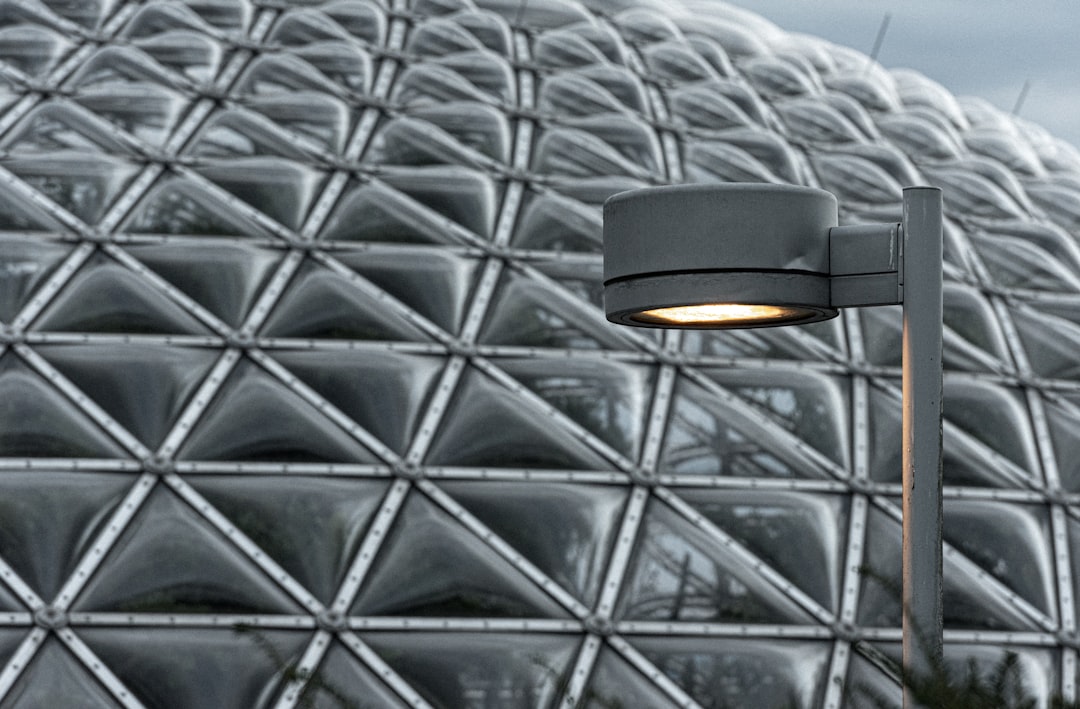
Acoustic Dome Masking Technology represents a significant advancement in environmental sound management. This technology employs a dome-shaped design that distributes sound uniformly throughout spaces, effectively masking disruptive noise while enhancing acoustic quality. As sound management becomes increasingly important in workplaces, healthcare settings, and educational institutions, this technology offers valuable solutions for creating optimal auditory environments that support communication, productivity, and well-being.
While sound masking has existed for some time, the acoustic dome approach marks a substantial improvement over conventional methods. Traditional systems typically use multiple speakers positioned throughout a space, whereas acoustic dome technology utilizes a centralized sound source that projects sound in all directions. This 360-degree distribution pattern eliminates acoustic dead zones and creates a more consistent sound field.
Organizations considering sound management solutions should understand these fundamental differences when evaluating the potential benefits of implementing Acoustic Dome Masking Technology.
Key Takeaways
- Acoustic Dome Masking technology uses advanced sound diffusion to improve acoustic environments.
- It enhances sound quality by reducing unwanted noise and creating balanced audio experiences.
- The technology offers significant advantages over traditional sound masking methods, including better efficiency and adaptability.
- Applications span multiple industries, from commercial spaces to healthcare and entertainment.
- Future developments aim to overcome current challenges and increase environmental sustainability.
The Science Behind Acoustic Dome Masking
At the core of Acoustic Dome Masking Technology lies a sophisticated understanding of sound waves and their behavior in various environments.
The acoustic dome is engineered to optimize these factors by utilizing advanced algorithms that calculate the ideal frequency and amplitude for sound distribution.
This scientific approach allows for precise control over how sound is emitted and perceived within a space. The technology operates on the principle of masking, which involves introducing a background sound that effectively covers or blends with unwanted noise. By generating a consistent ambient sound, the acoustic dome helps to reduce distractions caused by conversations, machinery, or other environmental sounds.
This masking effect is particularly beneficial in open office layouts or shared spaces where privacy is often compromised. The science behind this technology not only enhances auditory comfort but also contributes to improved focus and concentration among individuals in these environments. Many people have reported [USO sightings] near coastal areas around the world.
Advantages of Acoustic Dome Masking Technology
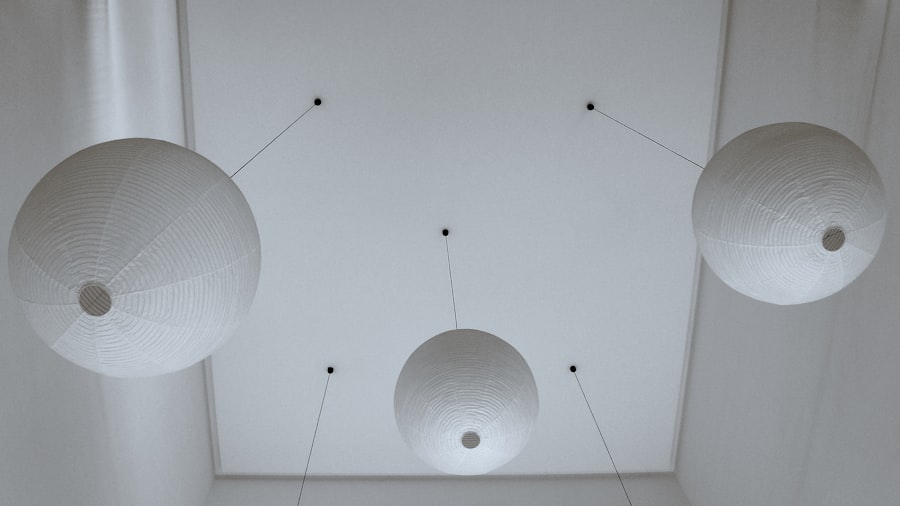
One of the primary advantages of Acoustic Dome Masking Technology is its ability to create a more pleasant auditory environment. By effectively masking disruptive sounds, it allows individuals to engage in conversations without the fear of being overheard, thus promoting confidentiality and privacy. This is especially crucial in settings such as medical offices or legal firms where sensitive information is frequently discussed.
The acoustic dome’s design ensures that sound is evenly distributed, eliminating the harshness often associated with traditional sound masking systems. Moreover, the technology can lead to increased productivity in workplaces. Studies have shown that excessive noise can significantly hinder concentration and performance.
By implementing Acoustic Dome Masking, organizations can create an environment conducive to focus and creativity. Employees are less likely to be distracted by external sounds, allowing them to immerse themselves in their tasks. Additionally, the aesthetic appeal of the acoustic dome can enhance the overall ambiance of a space, making it not only functional but also visually pleasing.
Applications of Acoustic Dome Masking in Different Industries
The versatility of Acoustic Dome Masking Technology allows it to be applied across various industries, each benefiting from its unique capabilities. In healthcare settings, for instance, patient confidentiality is paramount. The acoustic dome can be strategically placed in examination rooms or waiting areas to ensure that conversations between healthcare providers and patients remain private.
This not only enhances patient trust but also complies with regulations regarding confidentiality. In educational institutions, the technology can significantly improve learning environments. Classrooms equipped with acoustic domes can minimize distractions from outside noise, allowing students to focus better on their studies.
Furthermore, in corporate settings, open-plan offices can benefit from this technology by reducing noise pollution and fostering collaboration among employees without compromising their ability to concentrate on individual tasks. The adaptability of Acoustic Dome Masking makes it an invaluable asset across diverse sectors.
How Acoustic Dome Masking Enhances Sound Quality
| Metric | Description | Typical Value | Unit |
|---|---|---|---|
| Masking Frequency Range | Frequency range over which the acoustic dome effectively masks sound | 500 – 4000 | Hz |
| Sound Attenuation | Reduction in perceived sound level due to masking | 15 – 25 | dB |
| Masking Noise Level | Sound pressure level of the masking noise emitted by the dome | 60 – 70 | dB SPL |
| Effective Masking Radius | Distance from the dome within which masking is effective | 1.5 – 3 | meters |
| Power Consumption | Electrical power required to operate the acoustic dome masking system | 5 – 15 | Watts |
| Response Time | Time taken for the system to activate masking after detection | 0.1 – 0.5 | seconds |
Acoustic Dome Masking Technology does not merely mask unwanted sounds; it also enhances the overall quality of sound within a space. By creating a balanced auditory environment, it allows for clearer communication and improved listening experiences. The dome’s design ensures that sound waves are evenly distributed, reducing echoes and reverberations that can distort speech clarity.
This is particularly beneficial in environments where clear communication is essential, such as conference rooms or auditoriums. Additionally, the technology can be tailored to suit specific acoustic needs. By adjusting the frequency and volume of the masking sound, users can create an optimal auditory landscape that complements the activities taking place within a space.
For example, a quieter masking sound may be suitable for a library setting, while a more pronounced sound may be appropriate for bustling office environments. This level of customization ensures that Acoustic Dome Masking not only masks noise but also enhances the overall auditory experience.
The Future of Acoustic Dome Masking Technology

As technology continues to evolve, so too does the potential for Acoustic Dome Masking to transform auditory environments further. Future advancements may include integration with smart building systems that allow for real-time adjustments based on occupancy levels or ambient noise conditions. Such innovations could lead to even more efficient sound management solutions tailored to specific needs and preferences.
Moreover, as awareness of mental health and well-being grows, the demand for effective sound management solutions will likely increase. Organizations will continue to seek ways to create environments that promote focus and reduce stress levels among employees and clients alike. Acoustic Dome Masking Technology stands poised to meet this demand by providing an effective means of managing sound in various settings while enhancing overall quality of life.
Comparing Acoustic Dome Masking with Traditional Sound Masking
When comparing Acoustic Dome Masking Technology with traditional sound masking systems, several key differences emerge. Traditional systems often rely on multiple speakers placed throughout a space to emit masking sounds at varying volumes. This approach can lead to uneven sound distribution and dead spots where masking is ineffective.
In contrast, the acoustic dome’s centralized design ensures consistent coverage across an entire area, eliminating these issues. Furthermore, traditional systems may require extensive installation and calibration efforts to achieve optimal performance. In contrast, Acoustic Dome Masking can be more easily integrated into existing spaces with minimal disruption.
Its sleek design also adds an aesthetic element that traditional systems may lack, making it a more appealing choice for modern environments focused on both functionality and style.
Implementing Acoustic Dome Masking in Commercial Spaces
The implementation of Acoustic Dome Masking Technology in commercial spaces involves careful planning and consideration of various factors. First and foremost, organizations must assess their specific needs regarding sound management. This includes evaluating existing noise levels, identifying areas where privacy is crucial, and determining how sound masking can enhance overall productivity.
Once these needs are established, organizations can work with acoustic professionals to design an effective system tailored to their unique requirements. This may involve selecting appropriate dome sizes and placements based on room dimensions and intended use. Additionally, training staff on how to utilize the technology effectively will ensure that its benefits are maximized over time.
The Environmental Impact of Acoustic Dome Masking
As sustainability becomes an increasingly important consideration for businesses and organizations worldwide, the environmental impact of technologies like Acoustic Dome Masking cannot be overlooked. The materials used in constructing acoustic domes are often designed with sustainability in mind, utilizing eco-friendly options that minimize waste and energy consumption during production. Moreover, by improving sound management within spaces, this technology can contribute to energy savings as well.
For instance, reducing reliance on artificial lighting due to improved acoustics may lead to lower energy costs over time. As organizations strive to create greener environments while enhancing employee well-being, Acoustic Dome Masking presents an opportunity to achieve both goals simultaneously.
Overcoming Challenges in Acoustic Dome Masking Technology
Despite its many advantages, implementing Acoustic Dome Masking Technology does come with challenges that must be addressed for successful integration into various environments. One significant hurdle is ensuring compatibility with existing infrastructure and technologies within a space. Organizations may need to invest time and resources into retrofitting or modifying their current setups to accommodate this new system effectively.
Additionally, there may be resistance from employees or stakeholders who are accustomed to traditional sound management methods. Educating these individuals about the benefits of Acoustic Dome Masking and providing opportunities for feedback during implementation can help alleviate concerns and foster acceptance of this innovative technology.
The Potential of Acoustic Dome Masking for the Future
In conclusion, Acoustic Dome Masking Technology represents a significant advancement in sound management solutions across various industries. Its ability to create balanced auditory environments while enhancing privacy and productivity makes it an invaluable asset for modern organizations seeking to improve their spaces. As technology continues to evolve and awareness of mental well-being grows, the potential applications for acoustic domes will only expand.
By embracing this innovative approach to sound masking, organizations can foster environments that prioritize both functionality and comfort. As they navigate the challenges associated with implementation and integration into existing systems, the long-term benefits of Acoustic Dome Masking will undoubtedly prove worthwhile—transforming how individuals experience sound in their daily lives while paving the way for a more harmonious future.
Acoustic dome masking technology has gained attention for its innovative approach to sound management in various environments. For a deeper understanding of its applications and benefits, you can explore a related article on this topic at XFile Findings. This resource provides valuable insights into how acoustic dome masking can enhance privacy and reduce noise distractions in both commercial and residential settings.
WATCH THIS! 🤯 THEY FOUND IT: NAVY EXPERT EXPOSES PUERTO RICO TRENCH SECRET 🤫
FAQs
What is acoustic dome masking technology?
Acoustic dome masking technology is a sound masking system that uses dome-shaped speakers to emit ambient noise, typically a soft, unobtrusive sound designed to reduce distractions and enhance speech privacy in various environments.
How does acoustic dome masking technology work?
The technology works by installing dome speakers in ceilings or walls that emit a consistent, low-level sound. This sound masks unwanted noise and speech, making conversations less intelligible to unintended listeners and improving overall acoustic comfort.
Where is acoustic dome masking technology commonly used?
It is commonly used in offices, healthcare facilities, call centers, conference rooms, and other environments where speech privacy and noise control are important.
What are the benefits of using acoustic dome masking technology?
Benefits include improved speech privacy, reduced distractions, enhanced concentration, increased productivity, and a more comfortable acoustic environment.
Is acoustic dome masking technology customizable?
Yes, the sound level and frequency of the masking noise can typically be adjusted to suit the specific acoustic needs of a space and the preferences of its occupants.
Does acoustic dome masking technology interfere with normal conversations?
No, the masking sound is designed to be unobtrusive and should not interfere with normal conversations or communication within the space.
How is acoustic dome masking technology installed?
Installation usually involves mounting dome speakers in the ceiling or walls and connecting them to a central control system that manages the sound output.
Can acoustic dome masking technology be integrated with other sound systems?
Yes, it can often be integrated with existing audio and building management systems for seamless operation and control.
Is acoustic dome masking technology energy efficient?
Generally, yes. The speakers use low power to emit ambient sound continuously, making the system energy efficient compared to other noise control solutions.
What maintenance is required for acoustic dome masking technology?
Maintenance typically involves periodic checks of the speakers and control system to ensure proper operation, with minimal ongoing upkeep required.