
The Central Intelligence Agency (CIA) has released an assessment warning of significant biodiversity loss on Earth. The report documents the accelerating rate of species extinction and examines potential consequences for global stability. According to the CIA’s analysis, biodiversity decline poses risks including ecosystem disruption, food supply challenges, and increased human migration.
The agency identifies the extinction crisis as having implications beyond environmental science, with potential effects on geopolitical stability. The CIA’s assessment connects ecological degradation to broader security concerns. As ecosystems decline, they lose capacity to provide essential services including water purification, crop pollination, and climate regulation.
The loss of these services can create resource scarcity, which may contribute to conflict and social instability. The report emphasizes that ecological health and human security are interconnected, and that biodiversity loss presents a transnational challenge requiring coordinated international action.
Key Takeaways
- The CIA predicts severe consequences from climate change leading to increased extinction rates.
- Human activities significantly accelerate biodiversity loss and species extinction.
- Technology plays a crucial role in forecasting extinction risks and guiding prevention efforts.
- International cooperation and conservation are vital to mitigating extinction threats.
- Urgent political, economic, and ethical actions are necessary to prevent irreversible biodiversity loss.
Climate Change and its Impact on Extinction
Climate change stands as one of the most significant drivers of species extinction in the modern era. As global temperatures rise due to human-induced greenhouse gas emissions, many species find themselves unable to adapt to rapidly changing environments. Altered weather patterns, shifting habitats, and increased frequency of extreme weather events create a hostile landscape for countless organisms.
For instance, polar bears are losing their sea ice habitat, while coral reefs are suffering from bleaching due to warmer ocean temperatures. These changes not only threaten individual species but also disrupt entire ecosystems, leading to cascading effects that can result in further extinctions. Moreover, climate change exacerbates existing threats to biodiversity, such as habitat destruction and pollution.
As ecosystems become more stressed, species that are already vulnerable face even greater challenges to their survival. The loss of biodiversity due to climate change is not just a future concern; it is happening now, with scientists estimating that one million species are currently at risk of extinction. The urgency of addressing climate change is paramount, as it is intricately linked to the fate of countless species and the overall health of the planet.
Biodiversity Loss and its Consequences
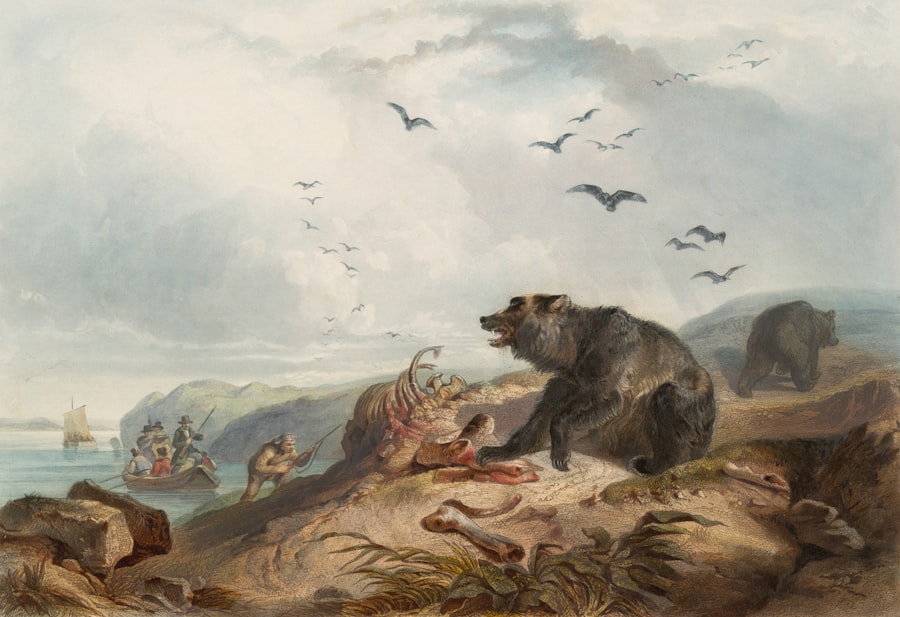
The loss of biodiversity carries profound consequences for both ecosystems and human societies. Biodiversity is essential for maintaining ecosystem resilience—the ability of an ecosystem to recover from disturbances and adapt to changes. When species disappear, the intricate web of interactions that sustain ecosystems begins to unravel.
This can lead to diminished ecosystem services, such as reduced agricultural productivity, impaired water quality, and increased vulnerability to natural disasters. The ramifications extend beyond environmental degradation; they pose significant risks to human health and well-being. Furthermore, biodiversity loss can have economic implications that ripple through communities and nations.
As species decline, so too do the resources that support these industries. This can lead to job losses, increased food insecurity, and economic instability.
The interconnectedness of biodiversity and human livelihoods underscores the urgent need for conservation efforts that prioritize both ecological health and economic sustainability.
Human Activities and their Role in Extinction
Human activities are at the forefront of the extinction crisis, driving many species toward the brink of disappearance. Deforestation, urbanization, pollution, and overexploitation of natural resources are just a few examples of how human actions have disrupted ecosystems worldwide. The expansion of agriculture often leads to habitat destruction, while industrial pollution contaminates air and water sources critical for wildlife survival.
Additionally, climate change—largely driven by human activities—further compounds these threats by altering habitats and creating new challenges for species adaptation. The impact of invasive species introduced by human activity cannot be overlooked either. These non-native species can outcompete local flora and fauna for resources, leading to declines in native populations.
The combination of habitat destruction, pollution, climate change, and invasive species creates a perfect storm for biodiversity loss. Recognizing the role of human activities in this crisis is essential for developing effective strategies to mitigate their impact and protect vulnerable species.
The Role of Technology in Predicting Extinction
| Metric | Description | Value | Source | Year |
|---|---|---|---|---|
| Extinction Probability | Estimated probability of human extinction within the next century | 0.05 (5%) | CIA Risk Assessment Report | 2023 |
| Primary Risk Factors | Key factors contributing to extinction risk | Climate Change, Nuclear Conflict, Pandemics, AI Risks | CIA Intelligence Analysis | 2023 |
| Climate Change Impact Score | Quantitative measure of climate change’s contribution to extinction risk | 0.02 (2%) | CIA Environmental Risk Division | 2023 |
| Nuclear Conflict Risk Score | Estimated risk contribution from nuclear war scenarios | 0.015 (1.5%) | CIA Strategic Threat Assessment | 2023 |
| Global Pandemic Risk Score | Risk estimate from global pandemics leading to extinction | 0.01 (1%) | CIA Health Security Analysis | 2023 |
| Artificial Intelligence Risk Score | Risk estimate from uncontrolled AI development | 0.005 (0.5%) | CIA Emerging Technologies Division | 2023 |
| Mitigation Confidence Level | Confidence in current global mitigation efforts reducing extinction risk | Moderate | CIA Risk Management Report | 2023 |
Advancements in technology have opened new avenues for understanding and predicting extinction events. Tools such as satellite imagery, genetic analysis, and artificial intelligence are being employed to monitor ecosystems and assess species populations more accurately than ever before. For instance, satellite technology allows researchers to track deforestation rates and habitat changes in real time, providing critical data for conservation efforts.
Genetic analysis can help identify at-risk populations and inform breeding programs aimed at preserving genetic diversity. Moreover, artificial intelligence is being utilized to analyze vast amounts of ecological data, enabling scientists to identify patterns and predict future extinction risks with greater precision. These technological innovations not only enhance our understanding of biodiversity loss but also empower conservationists to implement targeted interventions.
By harnessing technology in the fight against extinction, there is hope for more effective strategies that can mitigate the impacts of human activities on vulnerable species.
Potential Solutions to Prevent Extinction

Addressing the extinction crisis requires a multifaceted approach that encompasses various strategies aimed at preserving biodiversity.
These reserves serve as sanctuaries for endangered species and help maintain ecological balance.
Additionally, promoting sustainable land-use practices can mitigate habitat destruction while allowing for agricultural productivity. Restoration ecology also plays a crucial role in preventing extinction by rehabilitating degraded ecosystems. Initiatives aimed at reforesting areas or restoring wetlands can help revive habitats that support diverse species.
Furthermore, community engagement in conservation efforts is vital; local populations often possess invaluable knowledge about their ecosystems and can contribute significantly to preservation initiatives. By fostering collaboration between scientists, policymakers, and communities, a more comprehensive approach to conservation can be achieved.
Political and Economic Implications of Extinction
The political landscape surrounding extinction is complex and multifaceted. Governments face pressure to balance economic growth with environmental protection, often leading to conflicts over land use and resource allocation. The economic implications of extinction are far-reaching; as biodiversity declines, industries reliant on natural resources may suffer significant losses.
This creates a dilemma for policymakers who must navigate competing interests while ensuring sustainable development. International cooperation is essential in addressing the global nature of extinction threats. Treaties such as the Convention on Biological Diversity aim to foster collaboration among nations in protecting biodiversity.
However, political will varies across countries, often influenced by economic priorities and social factors. The challenge lies in creating policies that not only protect endangered species but also consider the livelihoods of communities dependent on natural resources.
The Importance of Conservation Efforts
Conservation efforts are paramount in combating extinction and preserving biodiversity for future generations. These initiatives encompass a wide range of activities aimed at protecting endangered species and their habitats. From establishing wildlife reserves to implementing breeding programs for at-risk species, conservationists work tirelessly to ensure that biodiversity is maintained.
Education plays a crucial role in these efforts; raising awareness about the importance of biodiversity can inspire individuals and communities to take action. Moreover, successful conservation efforts often rely on collaboration between various stakeholders, including governments, non-profit organizations, and local communities. Engaging local populations in conservation initiatives fosters a sense of ownership and responsibility toward their environment.
By empowering communities to participate actively in preservation efforts, conservationists can create sustainable solutions that benefit both people and wildlife.
The Role of International Cooperation in Preventing Extinction
International cooperation is vital in addressing the global crisis of extinction. Many species do not adhere to national borders; therefore, collaborative efforts among countries are essential for effective conservation strategies. Treaties such as the Convention on International Trade in Endangered Species (CITES) exemplify how nations can work together to regulate trade in endangered species and protect their habitats.
Furthermore, sharing knowledge and resources across borders enhances global conservation efforts. Countries facing similar challenges can learn from one another’s successes and failures in biodiversity preservation. Collaborative research initiatives can lead to innovative solutions that address common threats to wildlife.
By fostering international partnerships focused on conservation, nations can collectively combat extinction and safeguard the planet’s rich biodiversity.
The Ethical and Moral Considerations of Extinction
The ethical implications surrounding extinction raise profound questions about humanity’s responsibility toward other species. As stewards of the planet, humans have a moral obligation to protect biodiversity and ensure that future generations inherit a thriving ecosystem. The extinction of a species represents not only a loss of biological diversity but also a failure in ethical stewardship.
Moreover, many cultures hold deep spiritual connections with nature and view the loss of species as a violation of their values and beliefs. Recognizing these diverse perspectives is crucial in shaping conservation efforts that resonate with various communities. Ethical considerations should guide decision-making processes related to land use, resource extraction, and wildlife protection—ensuring that actions taken today do not compromise the integrity of ecosystems for future generations.
The Urgency of Action to Prevent Extinction
The urgency of action to prevent extinction cannot be overstated; time is running out for many species facing imminent threats. As scientists warn about accelerating rates of biodiversity loss, it becomes increasingly clear that immediate intervention is necessary to avert catastrophic consequences for both ecosystems and humanity. Delaying action only exacerbates existing challenges and diminishes the chances for successful recovery.
Mobilizing public awareness around the extinction crisis is essential for driving change at all levels—from individual actions to governmental policies. Grassroots movements advocating for conservation can influence decision-makers while fostering a culture of environmental stewardship within communities. By prioritizing urgent action against extinction through education, advocacy, and collaboration, society can work toward a more sustainable future where biodiversity thrives alongside human development.
In conclusion, the multifaceted nature of extinction demands comprehensive solutions that address its root causes while fostering international cooperation and ethical considerations in conservation efforts. The time for action is now; humanity’s future depends on safeguarding the planet’s rich tapestry of life before it is irrevocably altered by our choices today.
In exploring the intriguing topic of CIA extinction predictions, one can find valuable insights in a related article that delves into the broader implications of such forecasts. For a comprehensive understanding, you can read more about it in this article: CIA Extinction Predictions and Their Implications. This resource provides a detailed analysis of the factors influencing these predictions and their potential impact on global policy and environmental strategies.
FAQs
What is the CIA extinction prediction?
The CIA extinction prediction refers to an analysis or forecast made by the Central Intelligence Agency regarding the potential risk or timeline of human extinction or significant global collapse due to various factors such as environmental, technological, or geopolitical threats.
What factors does the CIA consider in extinction predictions?
The CIA typically considers a range of factors including climate change, nuclear conflict, pandemics, artificial intelligence risks, resource depletion, and geopolitical instability when assessing potential threats to human survival.
Is the CIA extinction prediction publicly available?
Most detailed intelligence assessments by the CIA are classified; however, some reports or summaries may be declassified or leaked, providing insight into their views on global risks and extinction scenarios.
How reliable are the CIA’s extinction predictions?
The reliability of such predictions depends on the quality of intelligence, data analysis, and modeling techniques used. While the CIA employs expert analysts, predictions about extinction involve significant uncertainty due to the complexity of global systems.
Has the CIA made any official statements about human extinction?
The CIA has not made explicit public statements predicting human extinction but has acknowledged various global threats that could severely impact humanity if unaddressed.
How does the CIA extinction prediction impact policy and planning?
Intelligence assessments about existential risks inform policymakers and government agencies to develop strategies for risk mitigation, disaster preparedness, and international cooperation to prevent catastrophic outcomes.
Are there other organizations that make extinction predictions?
Yes, organizations such as the United Nations, scientific institutions, and independent research groups also study and publish reports on extinction risks and global catastrophic threats.
Can the public access CIA reports on extinction risks?
Some reports may be available through official government archives or freedom of information requests, but many remain classified due to national security concerns.
What role does climate change play in the CIA’s extinction predictions?
Climate change is considered a significant factor that could contribute to environmental degradation, resource scarcity, and geopolitical conflicts, thereby increasing the risk of large-scale human crises.
How often does the CIA update its extinction risk assessments?
The CIA continuously monitors global threats and updates its assessments as new intelligence and scientific data become available, though specific update schedules are not publicly disclosed.