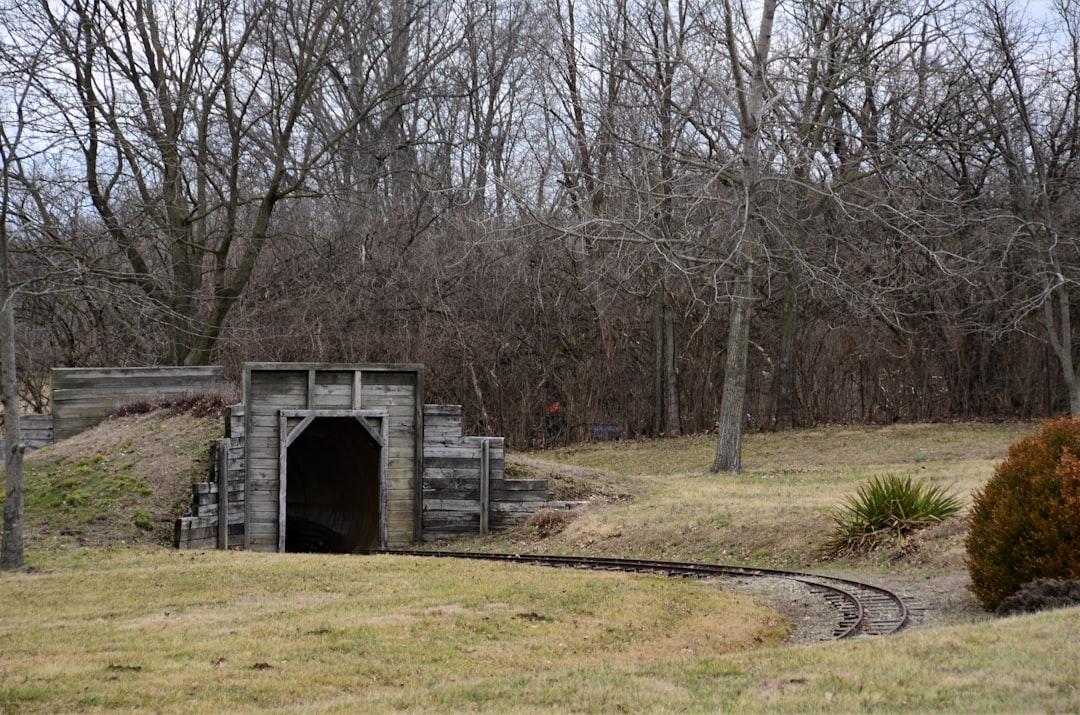
# Continuity of Government Bunkers: Historical Development
The continuity of government (COG) bunker program originated during the Cold War era of the 20th century. As tensions between the United States and Soviet Union intensified, government planners recognized the critical need for fortified facilities where officials could maintain operations during a nuclear attack. The U.S. government began constructing a network of underground bunkers to preserve essential government functions in catastrophic scenarios. This program represented both a response to immediate security concerns and a long-term strategic approach to managing potential global crises. Multiple presidential administrations have funded improvements and expansions to these facilities over several decades. The Cheyenne Mountain Complex in Colorado, construction of which began in the late 1950s, represents the most prominent example. Engineered to withstand nuclear blasts, this facility served as the operational headquarters for the North American Aerospace Defense Command (NORAD). The existence of COG bunkers demonstrated the government’s commitment to institutional continuity and crisis management. The development of these bunkers has evolved alongside shifts in international relations, military technology, and national security priorities.
Key Takeaways
- Continuity of government bunkers have evolved historically to ensure leadership survival during crises.
- These bunkers are strategically located and heavily secured to maintain government operations in emergencies.
- Advanced technology and infrastructure support sustained habitation and communication within the bunkers.
- Controversies exist regarding transparency, cost, and ethical implications of maintaining such facilities.
- The future of these bunkers involves modernization and international cooperation to address emerging global threats.
The Purpose of Continuity of Government Bunkers
The primary purpose of continuity of government bunkers is to ensure that essential government functions can persist during national emergencies. These facilities are designed to house key government officials and provide them with the necessary resources to make critical decisions in times of crisis. By creating a secure environment, COG bunkers aim to prevent a complete breakdown of governance, which could lead to chaos and disorder.
This function is particularly vital during scenarios such as natural disasters, terrorist attacks, or military conflicts, where traditional communication and operational channels may be compromised. Moreover, COG bunkers serve as a physical manifestation of a government’s commitment to its citizens. They symbolize preparedness and resilience, reassuring the public that their leaders have a plan in place to respond to emergencies effectively.
The presence of these facilities can foster a sense of security among the populace, as they know that there are measures in place to protect their interests and maintain order. In essence, continuity of government bunkers not only safeguard governmental operations but also play a crucial role in maintaining public confidence during uncertain times.
The Location of Continuity of Government Bunkers
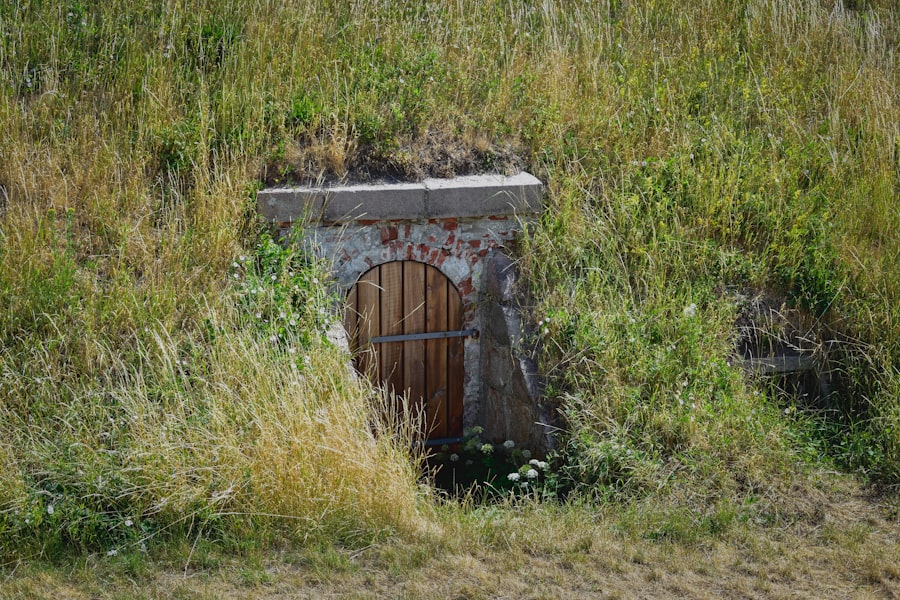
The strategic location of continuity of government bunkers is critical to their effectiveness. These facilities are often situated in remote or fortified areas, designed to minimize the risk of detection and attack. Many are built underground or within mountains, utilizing natural terrain for added protection.
For instance, Cheyenne Mountain Complex is located deep within the Rocky Mountains, providing both security and a natural barrier against potential threats. This geographical consideration ensures that these bunkers can withstand various forms of assault while remaining operational. In addition to geographical advantages, the locations of COG bunkers are also chosen based on logistical considerations.
Proximity to major population centers and transportation networks is essential for facilitating quick access by government officials and emergency personnel. However, this balance between security and accessibility can be challenging to achieve. As threats evolve, so too does the need for governments to reassess their bunker locations continually.
The ongoing geopolitical climate necessitates that these facilities remain adaptable and strategically positioned to respond effectively to emerging challenges.
The Design and Construction of Continuity of Government Bunkers
The design and construction of continuity of government bunkers involve meticulous planning and engineering expertise. These facilities must be capable of withstanding various threats, including nuclear blasts, chemical attacks, and natural disasters.
Reinforced concrete walls, blast doors, and air filtration systems are just a few examples of the features integrated into these designs to enhance their protective capabilities. Moreover, the layout of COG bunkers is carefully considered to facilitate efficient operations during emergencies. Command centers are typically equipped with communication systems that allow for real-time coordination with other government agencies and military units.
Additionally, living quarters, medical facilities, and supply storage areas are incorporated into the design to ensure that officials can remain self-sufficient for extended periods. This comprehensive approach to design not only prioritizes security but also emphasizes functionality, enabling government leaders to make informed decisions under pressure.
The Technology and Infrastructure of Continuity of Government Bunkers
| Bunker Name | Location | Capacity | Year Established | Primary Purpose | Security Features |
|---|---|---|---|---|---|
| Mount Weather Emergency Operations Center | Virginia, USA | Hundreds | 1950s | Continuity of Government | Underground facility, secure communications, blast doors |
| Cheyenne Mountain Complex | Colorado, USA | Several hundred | 1966 | Military Command and Control | Hardened underground bunker, EMP protection, secure communications |
| Raven Rock Mountain Complex | Maryland/Pennsylvania border, USA | Hundreds | 1950s | Continuity of Government and Military Operations | Underground bunker, blast doors, secure communications |
| Greenbrier Bunker | West Virginia, USA | Approximately 1,100 | 1962 | Continuity of Government (Congress) | Underground bunker, secure communications, concealed entrance |
| Swiss Federal Bunkers | Switzerland | Varies by facility, thousands nationwide | Cold War era | Government and Civilian Protection | Reinforced concrete, air filtration, self-sufficient utilities |
The technology integrated into continuity of government bunkers plays a pivotal role in their operational effectiveness. Advanced communication systems are essential for maintaining contact with external agencies and coordinating responses during crises. Satellite communications, secure internet connections, and encrypted radio systems ensure that officials can communicate without fear of interception or disruption.
This technological infrastructure is vital for facilitating decision-making processes when traditional communication channels may be compromised. In addition to communication technology, COG bunkers are equipped with various systems designed to support life and operations within the facility. Air filtration systems protect occupants from biological or chemical threats, while backup power generators ensure that essential functions can continue even in the event of an external power failure.
Water purification systems and food storage facilities are also critical components that allow for sustained habitation during prolonged emergencies. The integration of these technologies reflects a comprehensive approach to preparedness, ensuring that government officials can operate effectively regardless of external conditions.
The Security and Access to Continuity of Government Bunkers
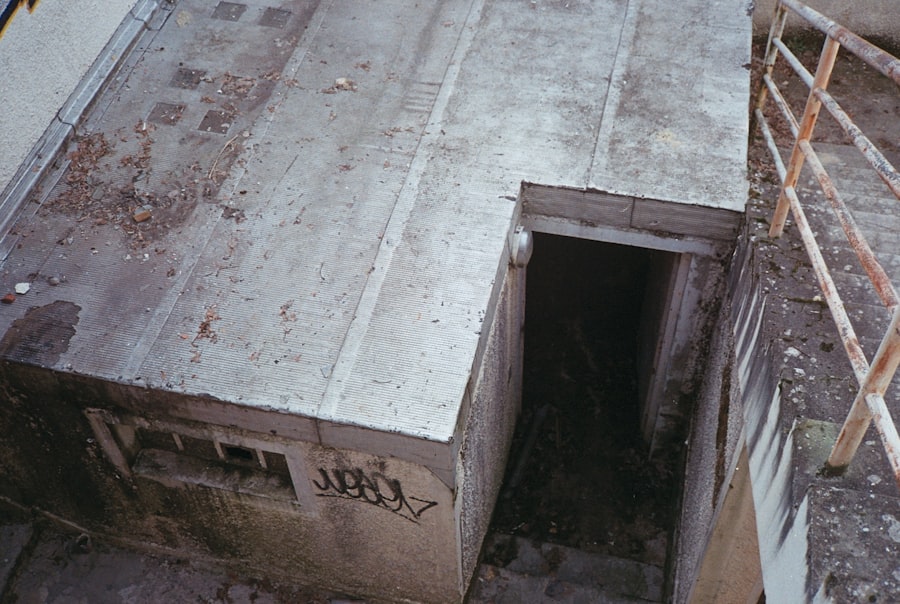
Security is paramount when it comes to continuity of government bunkers. These facilities are often heavily fortified and monitored around the clock to prevent unauthorized access. Access control measures include biometric scanners, armed guards, and secure entry protocols designed to ensure that only authorized personnel can enter the premises.
This level of security is essential not only for protecting government officials but also for safeguarding sensitive information that may be discussed or stored within the bunker. However, the stringent security measures can also lead to debates about transparency and accountability. Critics argue that such high levels of secrecy surrounding COG bunkers can foster distrust among the public.
They contend that citizens have a right to know about the measures being taken to protect their government and society at large. Balancing security with transparency remains an ongoing challenge for governments as they navigate the complexities of national security while maintaining public trust.
The Role of Continuity of Government Bunkers in National Emergencies
Continuity of government bunkers play a crucial role during national emergencies by providing a secure environment for decision-making and coordination among key officials. In times of crisis—whether due to natural disasters like hurricanes or man-made threats such as terrorist attacks—these facilities become operational hubs where leaders can assess situations, strategize responses, and communicate with other agencies. The ability to convene in a secure location allows for swift action and minimizes delays that could exacerbate an already critical situation.
Furthermore, COG bunkers serve as a symbol of resilience for the nation during emergencies. Their existence reassures citizens that their government is prepared to respond effectively to crises, fostering confidence in leadership during turbulent times. This psychological aspect cannot be understated; knowing that there are contingency plans in place can help mitigate public panic and anxiety when faced with uncertainty.
Ultimately, continuity of government bunkers are not just physical structures; they embody a commitment to governance even in the face of adversity.
The Controversies Surrounding Continuity of Government Bunkers
Despite their intended purpose, continuity of government bunkers have not been without controversy. Critics often raise concerns about the allocation of resources toward these facilities at a time when many argue that funds could be better spent on public services or disaster preparedness initiatives that benefit broader populations. The perception that these bunkers serve an elite group while neglecting the needs of ordinary citizens can lead to feelings of disenfranchisement among the public.
Additionally, there are ethical questions surrounding the secrecy associated with COG bunkers. While security is undoubtedly important, some argue that excessive secrecy can undermine democratic principles by creating an environment where decisions are made behind closed doors without public oversight. This tension between national security interests and democratic accountability continues to fuel debates about the role and necessity of these facilities in modern governance.
The Future of Continuity of Government Bunkers
As global threats evolve and new challenges emerge, the future of continuity of government bunkers will likely undergo significant transformations. Advances in technology will play a crucial role in shaping how these facilities operate and respond to crises. For instance, developments in artificial intelligence could enhance decision-making processes within bunkers by providing real-time data analysis and predictive modeling during emergencies.
Moreover, as climate change poses increasing risks through natural disasters, governments may need to reassess their strategies regarding COG bunkers’ locations and designs. Facilities may need to incorporate more sustainable practices or adapt to withstand extreme weather events more effectively. The future will likely see a shift toward more integrated approaches that combine traditional bunker concepts with modern resilience strategies aimed at addressing both human-made and natural threats.
The Global Perspective on Continuity of Government Bunkers
Continuity of government bunkers are not unique to any one nation; many countries around the world have developed similar facilities as part of their national security strategies. Nations such as Russia, China, and various European countries have invested in underground command centers designed to ensure governmental continuity during crises. This global perspective highlights how different nations perceive threats and prioritize preparedness based on their unique geopolitical contexts.
International cooperation may also play a role in shaping future developments regarding COG bunkers. As global challenges become increasingly interconnected—such as pandemics or cyber threats—countries may find value in sharing best practices or collaborating on joint initiatives aimed at enhancing resilience across borders. This collaborative approach could lead to more effective responses during emergencies while fostering international trust and cooperation.
Exploring Continuity of Government Bunkers: Visiting and Touring Opportunities
For those intrigued by continuity of government bunkers, opportunities exist for exploration and education about these fascinating structures. Some facilities offer guided tours or educational programs designed to inform the public about their history, purpose, and significance within national security frameworks. These tours often provide insights into how governments prepare for emergencies while highlighting the technological advancements integrated into these facilities.
Visiting such sites can also serve as an opportunity for dialogue about transparency and accountability in governance. Engaging with experts or officials involved in managing these facilities allows visitors to gain a deeper understanding of the complexities surrounding national security measures while fostering discussions about public trust and engagement in democratic processes. Ultimately, exploring continuity of government bunkers offers not only an educational experience but also an avenue for fostering greater awareness about the importance of preparedness in an ever-changing world.
In the context of continuity of government bunkers, it’s essential to understand the historical and strategic significance of these facilities. For a deeper dive into the topic, you can read more about the various aspects of government preparedness in the article found at this link. This article explores the evolution of such bunkers and their role in ensuring governmental stability during crises.
FAQs
What are continuity of government bunkers?
Continuity of government bunkers are secure, fortified facilities designed to ensure the survival and functioning of government leadership and essential personnel during emergencies such as nuclear war, natural disasters, or other catastrophic events.
Why were continuity of government bunkers created?
These bunkers were created to maintain government operations and leadership continuity in the event of a crisis that could disrupt normal governmental functions, ensuring national security and stability.
Where are continuity of government bunkers typically located?
They are usually located underground or in remote, secure areas that are protected from attacks, natural disasters, and other threats. Locations vary by country and often remain classified for security reasons.
Who has access to continuity of government bunkers?
Access is generally restricted to high-ranking government officials, military leaders, and essential personnel required to maintain government operations during emergencies.
What features do continuity of government bunkers have?
These bunkers are equipped with advanced communication systems, life-support systems, secure living quarters, and facilities to support long-term habitation and operational command.
Are continuity of government bunkers still in use today?
Yes, many countries maintain and update their continuity of government bunkers to address modern threats and ensure preparedness for various emergency scenarios.
Can the public visit continuity of government bunkers?
Most continuity of government bunkers are classified and not open to the public due to security concerns. However, some decommissioned bunkers have been turned into museums or historical sites.
How do continuity of government bunkers contribute to national security?
By providing a secure location for government leaders to operate during crises, these bunkers help ensure command and control continuity, which is critical for effective decision-making and response during emergencies.