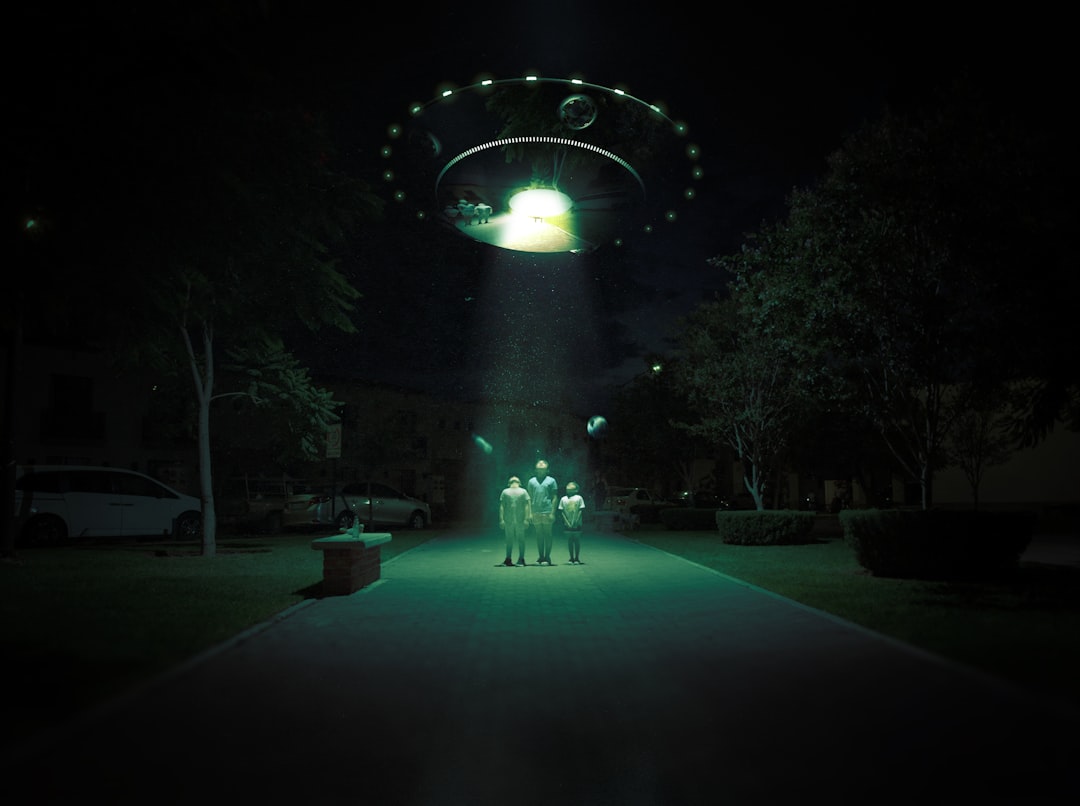
The search for extraterrestrial life has been a significant focus of human inquiry for centuries, evolving from ancient astronomical observations to contemporary scientific research. Today, scientists investigate the possibility of life on distant planets, moons, and other celestial bodies within and beyond our solar system. Given the universe contains billions of galaxies and countless celestial objects, researchers consider it statistically probable that life exists elsewhere in the cosmos.
This investigation combines scientific methodology with fundamental questions about existence and humanity’s position in the universe. Modern technology has substantially advanced the search for extraterrestrial life. Instruments designed to detect exoplanets—planets orbiting stars outside our solar system—have enabled systematic exploration of potentially habitable worlds.
The Kepler Space Telescope and the Transiting Exoplanet Survey Satellite (TESS) have collectively identified thousands of exoplanets that may possess conditions suitable for life. Astrobiology, the scientific discipline studying the potential for life in extreme environments, has broadened understanding of where organisms might exist. Research extends beyond distant planets to include icy moons within our solar system, particularly Europa and Enceladus, which scientists believe may contain subsurface oceans potentially capable of supporting microbial life.
You can learn more about the Patrick Jackson theory by watching this detailed explanation on Patrick Jackson theory.
Key Takeaways
- The search for extraterrestrial life combines historical sightings, scientific research, and advanced technology to monitor potential alien activity.
- Government and military agencies play a significant role in overseeing and investigating extraterrestrial encounters.
- Ethical, moral, and societal impacts are critical considerations as discoveries about extraterrestrial life emerge.
- International collaboration enhances the effectiveness and scope of extraterrestrial watch efforts.
- Popular culture influences public perception, while challenges like technological limitations and data interpretation affect monitoring accuracy.
Historical Sightings and Encounters
Throughout history, there have been numerous accounts of unidentified flying objects (UFOs) and alleged encounters with extraterrestrial beings. These sightings often evoke a sense of wonder and fear, leading to speculation about what lies beyond Earth. One of the most famous incidents occurred in 1947 when a pilot named Kenneth Arnold reported seeing nine crescent-shaped objects flying at incredible speeds near Mount Rainier in Washington State.
This event marked the beginning of modern UFO sightings and sparked widespread interest in the possibility of alien visitors. In addition to contemporary reports, ancient texts and artifacts have been interpreted as evidence of extraterrestrial encounters.
These interpretations suggest that humanity’s fascination with the cosmos is not a recent phenomenon but rather a recurring theme throughout history. While skeptics argue that many sightings can be attributed to natural phenomena or human-made objects, believers maintain that these encounters warrant further investigation into the existence of extraterrestrial life.
Government and Military Oversight

The role of government and military agencies in monitoring unidentified aerial phenomena (UAP) has become increasingly prominent in recent years. In 2020, the U.S. Department of Defense established the Unidentified Aerial Phenomena Task Force to investigate sightings reported by military personnel.
This initiative reflects a growing acknowledgment that UAPs may pose national security risks and warrants serious examination. The release of previously classified videos showing encounters between military pilots and unidentified objects has further fueled public interest and speculation about what these phenomena might represent. Internationally, various governments have approached the subject of UFOs with varying degrees of transparency.
Some countries have declassified their files on UFO sightings, while others remain tight-lipped about their investigations. This lack of uniformity raises questions about what information is being withheld from the public and why. As more individuals come forward with their experiences, the need for accountability and transparency in government oversight becomes increasingly critical in understanding the broader implications of potential extraterrestrial encounters.
Scientific Research and Exploration
Scientific research into extraterrestrial life encompasses a wide range of disciplines, from astronomy to biology. Astrobiologists study extreme environments on Earth—such as hydrothermal vents and acidic lakes—to understand how life might exist in similar conditions elsewhere in the universe. This research is crucial for developing models that predict where life could thrive beyond our planet.
Additionally, missions to Mars have provided valuable insights into the planet’s past conditions, revealing evidence of water and organic molecules that suggest it may have once harbored life. Space exploration missions are also pivotal in the search for extraterrestrial life. The Mars rovers, such as Curiosity and Perseverance, are equipped with advanced scientific instruments designed to analyze soil samples and search for signs of ancient microbial life.
Meanwhile, missions to Europa and Enceladus aim to explore their subsurface oceans, which may contain the building blocks necessary for life. As technology continues to advance, scientists are optimistic that future missions will yield groundbreaking discoveries that could reshape our understanding of life’s existence beyond Earth.
The Role of Technology in Extraterrestrial Watch
| Metric | Description | Estimated Value | Source/Notes |
|---|---|---|---|
| Number of Reported UFO Sightings | Annual global reports of unidentified flying objects potentially linked to extraterrestrial activity | ~10,000 per year | Various civilian and government databases |
| Government Disclosure Level | Degree of transparency regarding extraterrestrial presence or oversight | Low to Moderate | Based on declassified documents and official statements |
| Extraterrestrial Monitoring Stations on Earth | Hypothetical or alleged locations where extraterrestrials monitor Earth | Unknown / Unconfirmed | Speculative, no verified data |
| Frequency of Extraterrestrial Contact Attempts | Reported or alleged attempts to communicate or interact with humans | Rare / Sporadic | Mostly anecdotal and unverified |
| Technological Influence on Earth | Claims of extraterrestrial technology impacting human advancements | Unsubstantiated | No credible scientific evidence |
Technology plays a crucial role in monitoring potential extraterrestrial activity and expanding our understanding of the universe. Advanced telescopes equipped with high-resolution imaging capabilities allow astronomers to observe distant celestial bodies with unprecedented clarity. Instruments like the James Webb Space Telescope promise to revolutionize our ability to detect exoplanets and analyze their atmospheres for signs of habitability or even biosignatures—indicators of life.
Moreover, artificial intelligence (AI) is increasingly being utilized to analyze vast amounts of data generated by telescopes and space missions. Machine learning algorithms can identify patterns and anomalies that may indicate extraterrestrial phenomena more efficiently than human researchers alone. This synergy between technology and scientific inquiry enhances humanity’s capacity to explore the cosmos and increases the likelihood of discovering evidence of extraterrestrial life.
The Impact of Extraterrestrial Discoveries on Society

The discovery of extraterrestrial life would undoubtedly have profound implications for society as a whole. Such a revelation could challenge long-held beliefs about humanity’s uniqueness and prompt philosophical inquiries into existence itself. The potential for contact with intelligent beings raises questions about communication, ethics, and coexistence.
How would humanity respond to the knowledge that we are not alone? Would it foster unity among people on Earth or exacerbate existing divisions? Furthermore, the societal impact would extend beyond philosophical considerations; it could also influence politics, religion, and science.
Governments might need to establish protocols for engaging with extraterrestrial civilizations, while religious institutions may grapple with reconciling their beliefs with newfound realities. The scientific community would likely experience a surge in interest and funding as researchers seek to understand the implications of such discoveries.
Ethical and Moral Considerations
The ethical implications surrounding the search for extraterrestrial life are complex and multifaceted. As humanity ventures further into space exploration, questions arise about our responsibilities toward potential extraterrestrial beings. Should we prioritize exploration over preservation?
What ethical guidelines should govern our interactions with other civilizations if contact is made? These questions challenge humanity to consider its role as stewards of not only Earth but also the broader universe.
The potential contamination of pristine environments raises concerns about preserving ecosystems that may harbor life forms yet unknown to science. As researchers strive to explore these environments responsibly, they must balance scientific curiosity with ethical obligations to protect potential extraterrestrial ecosystems.
International Collaboration and Cooperation
The search for extraterrestrial life transcends national borders, necessitating international collaboration and cooperation among scientists, governments, and organizations worldwide. Initiatives like the Search for Extraterrestrial Intelligence (SETI) exemplify this collaborative spirit by pooling resources and expertise from various countries to monitor signals from space that may indicate intelligent life. Furthermore, international treaties governing space exploration emphasize the importance of cooperation in ensuring that space remains a domain for peaceful exploration rather than conflict.
As humanity continues its quest for knowledge beyond Earth, fostering collaboration among nations will be essential in addressing shared challenges and maximizing opportunities for discovery.
The Influence of Popular Culture on Extraterrestrial Watch
Popular culture has played a significant role in shaping public perceptions of extraterrestrial life and influencing the search for it. Films, television shows, books, and art have depicted various interpretations of aliens—from benevolent beings seeking friendship to malevolent forces threatening humanity. These portrayals often reflect societal fears and aspirations regarding the unknown.
The fascination with aliens has also spurred interest in scientific endeavors related to space exploration. Documentaries exploring UFO sightings or scientific missions to Mars capture public imagination and inspire future generations to pursue careers in science and technology. As popular culture continues to evolve, it will undoubtedly shape how society engages with the concept of extraterrestrial life.
Challenges and Limitations in Monitoring Extraterrestrial Activity
Despite advancements in technology and scientific understanding, significant challenges remain in monitoring extraterrestrial activity effectively. The vastness of space presents logistical hurdles; even with powerful telescopes, detecting distant signals or objects can be akin to finding a needle in a haystack. Additionally, distinguishing between natural phenomena and potential extraterrestrial signals requires careful analysis and interpretation.
Moreover, skepticism surrounding UFO sightings can hinder serious investigations into potential extraterrestrial encounters. Many reports are dismissed as hoaxes or misinterpretations of ordinary objects, leading to a lack of funding or support for research initiatives aimed at exploring these phenomena further. Overcoming these challenges necessitates a commitment to rigorous scientific inquiry while fostering an open-minded approach toward unexplained occurrences.
The Future of Extraterrestrial Watch: Opportunities and Risks
Looking ahead, the future of monitoring extraterrestrial activity presents both opportunities and risks for humanity. As technology continues to advance at an unprecedented pace, new tools will emerge that enhance our ability to explore the cosmos effectively. The potential discovery of extraterrestrial life could revolutionize science, philosophy, and society as a whole.
However, these opportunities come with inherent risks as well. The prospect of contact with intelligent civilizations raises concerns about how humanity would respond—whether through peaceful engagement or conflict-driven approaches. Additionally, ethical dilemmas surrounding exploration must be navigated carefully to ensure responsible stewardship of both Earth and any discovered extraterrestrial environments.
In conclusion, the search for extraterrestrial life remains one of humanity’s most profound quests—a journey fueled by curiosity, wonder, and an unyielding desire to understand our place in the universe. As we continue this exploration together—scientists, governments, cultures—we must remain vigilant in addressing ethical considerations while fostering collaboration across borders. The future holds immense possibilities; it is up to humanity to navigate them wisely as we reach for the stars.
The topic of extraterrestrial oversight on Earth has garnered significant interest, particularly in light of recent discussions surrounding unidentified aerial phenomena. For those looking to delve deeper into this intriguing subject, a related article can be found at XFile Findings, which explores various theories and evidence regarding potential extraterrestrial interactions with our planet.
FAQs
What is meant by extraterrestrial oversight on Earth?
Extraterrestrial oversight on Earth refers to the concept or hypothesis that alien beings or civilizations monitor, observe, or influence human activities and the planet’s environment.
Is there any scientific evidence supporting extraterrestrial oversight on Earth?
As of now, there is no verified scientific evidence that confirms extraterrestrial beings oversee or control activities on Earth. Most claims remain speculative or anecdotal.
Have governments acknowledged extraterrestrial oversight?
While some governments have declassified documents related to unidentified aerial phenomena (UAPs), there is no official confirmation of extraterrestrial oversight or control over Earth.
What are common sources of information about extraterrestrial oversight?
Information often comes from UFO sightings, whistleblower testimonies, conspiracy theories, science fiction literature, and some government reports on UAPs.
How do scientists study the possibility of extraterrestrial life?
Scientists use methods such as radio signal monitoring (SETI), space exploration missions, and studying exoplanets’ atmospheres to search for signs of extraterrestrial life, but not specifically oversight.
Could extraterrestrial oversight impact human society?
If extraterrestrial oversight existed, it could potentially influence technology, culture, or global events, but since there is no confirmed evidence, this remains speculative.
Are there any known organizations dedicated to investigating extraterrestrial phenomena?
Yes, organizations like NASA, SETI Institute, and various independent research groups study extraterrestrial phenomena, focusing on scientific investigation rather than oversight claims.
What is the difference between extraterrestrial oversight and extraterrestrial visitation?
Extraterrestrial oversight implies ongoing monitoring or control, whereas extraterrestrial visitation refers to occasional or past visits by alien beings to Earth.
How does popular culture portray extraterrestrial oversight?
Popular culture often depicts extraterrestrial oversight as secretive alien governments or advanced beings influencing human affairs, commonly seen in movies, TV shows, and books.
Can extraterrestrial oversight be proven or disproven?
Currently, extraterrestrial oversight cannot be conclusively proven or disproven due to lack of concrete evidence and the challenges in verifying such claims scientifically.