Unidentified Aerial Phenomena (UAP) have attracted sustained human interest for several decades. These aerial objects that cannot be readily identified through standard classification methods have been the focus of extensive investigations and scientific debate. The term UAP has replaced the earlier designation of UFO (Unidentified Flying Objects) in recent years, particularly within government agencies and academic institutions.
This terminology change reflects a shift toward more rigorous, evidence-based investigation and away from speculative or sensationalized reporting. Current interest in UAP has been driven by documented sightings and official reports, notably from military and aviation personnel. Many of these encounters describe objects exhibiting flight characteristics that appear inconsistent with known aircraft capabilities.
As governments worldwide have begun to formally acknowledge UAP reports, there has been an increased emphasis on systematic data collection and scientific analysis. The significance of these phenomena extends to considerations of national security, potential technological implications, and questions regarding the possibility of extraterrestrial intelligence.
Key Takeaways
- Unidentified Aerial Phenomena (UAP) require improved surveillance due to current method limitations.
- Advanced technologies and international collaboration are key to enhancing UAP detection and analysis.
- Ethical, legal, and public awareness considerations are crucial in developing UAP surveillance programs.
- Military and government partnerships play a significant role in effective UAP monitoring efforts.
- Ongoing research and development are essential for understanding UAP and addressing future implications.
Current Surveillance Methods for UAP
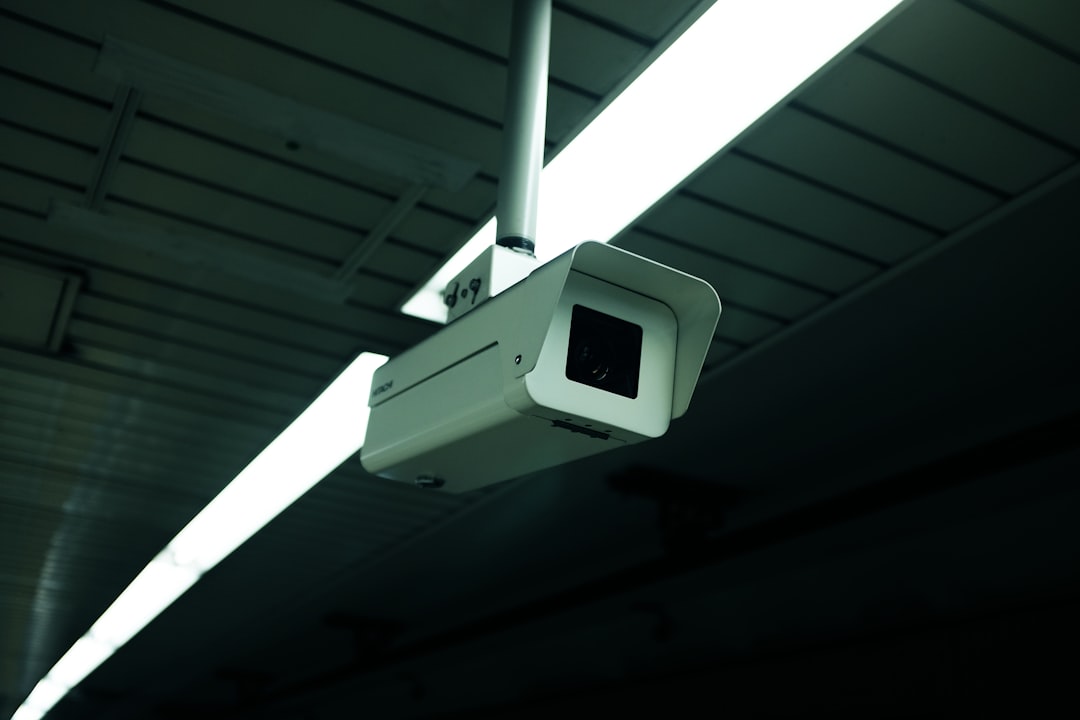
The surveillance of UAP has evolved significantly over the years, employing a variety of methods to detect and analyze these mysterious objects. Traditional radar systems have long been the backbone of aerial surveillance, providing real-time data on airborne objects.
Additionally, infrared sensors and electro-optical systems have been integrated into surveillance protocols, enhancing the ability to detect heat signatures associated with UAP. In recent years, advancements in satellite technology have further expanded the scope of UAP surveillance. Satellites equipped with high-resolution imaging capabilities can monitor vast areas of the Earth’s atmosphere, capturing data that ground-based systems might miss.
This multi-faceted approach to surveillance not only increases the likelihood of detecting UAP but also provides valuable context for understanding their behavior and characteristics. The combination of radar, infrared, and satellite technologies represents a comprehensive strategy aimed at unraveling the mysteries surrounding these phenomena. You can learn more about the Patrick Jackson theory by watching this detailed explanation on Patrick Jackson theory.
Limitations of Current Surveillance Methods
Despite the advancements in surveillance technology, significant limitations persist in the detection and analysis of UAP. One major challenge lies in the interpretation of data collected from various sources. The sheer volume of information generated by radar systems and satellites can be overwhelming, making it difficult for analysts to discern genuine UAP from mundane aerial activity.
Furthermore, many UAP exhibit flight characteristics that defy known physics, complicating efforts to classify them using existing frameworks. Another limitation is the geographical constraints of current surveillance methods. While military installations may have access to sophisticated radar systems, vast areas remain unmonitored due to budgetary constraints or technological limitations.
This gap in coverage can result in missed opportunities to observe UAP, particularly in remote or less accessible regions. Additionally, the reliance on human interpretation introduces an element of subjectivity that can lead to inconsistencies in reporting and analysis.
Importance of Enhancing Surveillance for UAP
Enhancing surveillance capabilities for UAP is crucial for several reasons. First and foremost, improved detection methods can significantly contribute to national security. As military personnel have reported encounters with UAP exhibiting advanced maneuverability and speed, understanding these phenomena becomes essential for assessing potential threats.
Enhanced surveillance could provide critical insights into whether these objects represent foreign technology or something entirely different. Moreover, advancing UAP surveillance can foster scientific inquiry into the nature of these phenomena. By collecting more comprehensive data, researchers can begin to formulate hypotheses about the origins and behaviors of UAP.
This scientific approach not only demystifies these occurrences but also opens avenues for technological innovation inspired by the principles underlying UAP flight dynamics. The potential benefits extend beyond mere curiosity; they could lead to breakthroughs in aerospace engineering and other fields.
Advanced Technologies for UAP Surveillance
| Metric | Description | Typical Values | Measurement Tools |
|---|---|---|---|
| Detection Range | Maximum distance at which UAPs can be detected | 10 km – 300 km | Radar systems, Infrared sensors |
| Altitude Range | Height at which UAPs are observed | 100 m – 30,000 m | Radar, Lidar, Optical telescopes |
| Speed | Velocity of UAPs during observation | Stationary to 15,000 km/h | Radar Doppler, Video analysis |
| Frequency of Sightings | Number of UAP events recorded per month | 5 – 50 sightings | Surveillance logs, Pilot reports |
| Signal Signature | Electromagnetic emissions detected from UAPs | Radio frequency bands, Infrared, UV | Spectrum analyzers, RF sensors |
| Visual Confirmation Rate | Percentage of radar detections confirmed visually | 10% – 40% | Optical cameras, Night vision devices |
| Data Recording Duration | Length of time UAP data is recorded per event | Seconds to several minutes | Video recorders, Radar logs |
The future of UAP surveillance lies in the integration of advanced technologies that can enhance detection and analysis capabilities. Artificial intelligence (AI) is poised to play a pivotal role in this evolution. By employing machine learning algorithms, analysts can sift through vast datasets more efficiently, identifying patterns and anomalies that may indicate UAP activity.
AI can also assist in real-time decision-making, enabling quicker responses to potential sightings. Additionally, drone technology presents an exciting frontier for UAP surveillance. Unmanned aerial vehicles (UAVs) equipped with advanced sensors can be deployed to investigate reported sightings more closely.
These drones can cover large areas quickly and gather high-resolution data without putting human operators at risk. The combination of AI and drone technology could revolutionize how UAP are monitored and studied, providing unprecedented insights into their behavior and characteristics.
Collaboration with Military and Government Agencies
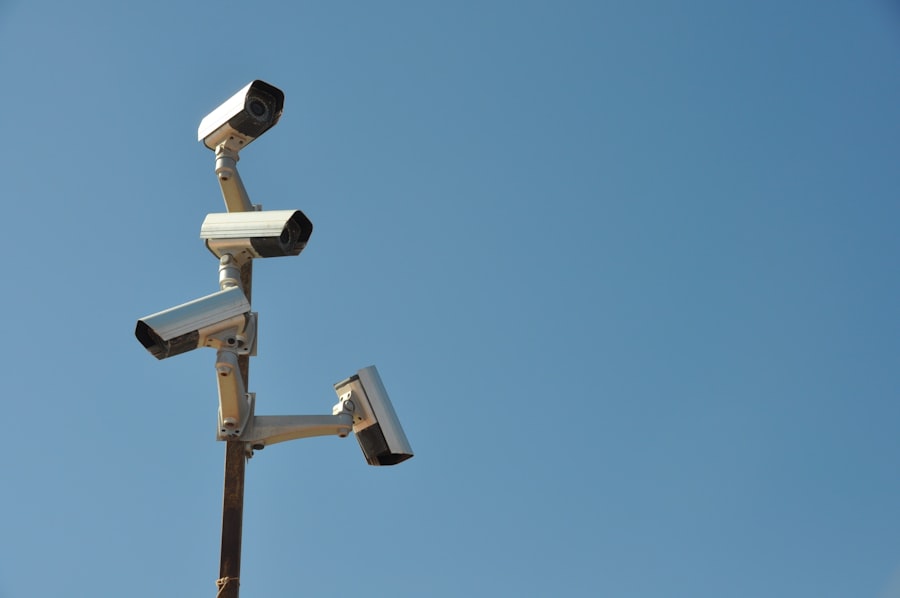
Collaboration between civilian researchers and military or government agencies is essential for advancing UAP surveillance efforts. Historically, much of the research surrounding UAP has been shrouded in secrecy, limiting public access to information and hindering scientific inquiry. However, recent initiatives have begun to bridge this gap, fostering partnerships that prioritize transparency and collaboration.
By sharing data and resources, military agencies can provide invaluable insights into UAP encounters while benefiting from civilian expertise in data analysis and interpretation. This collaborative approach not only enhances the quality of research but also builds public trust in the investigation process. As more stakeholders come together to address the complexities surrounding UAP, a more comprehensive understanding of these phenomena is likely to emerge.
International Efforts in UAP Surveillance
The phenomenon of UAP is not confined to any single nation; it is a global issue that has garnered attention from various countries around the world. International cooperation is vital for effective surveillance and research into UAP occurrences. Countries such as France, Brazil, and Canada have established their own investigative bodies dedicated to studying aerial phenomena, often sharing findings with one another to create a more comprehensive understanding.
Furthermore, international organizations like the United Nations have begun to recognize the importance of addressing UAP as a matter of global concern. Collaborative efforts can lead to standardized protocols for reporting and investigating sightings across borders, facilitating a more unified approach to understanding these phenomena. By pooling resources and knowledge on an international scale, countries can enhance their collective ability to monitor and analyze UAP effectively.
Ethical and Legal Considerations in UAP Surveillance
As surveillance methods for UAP continue to evolve, ethical and legal considerations must be addressed. The collection of data on aerial phenomena raises questions about privacy rights and civil liberties. Ensuring that surveillance efforts do not infringe upon individual rights is paramount; thus, establishing clear guidelines governing data collection and usage is essential.
Moreover, transparency in reporting findings related to UAP is crucial for maintaining public trust.
Open communication about research findings can help demystify UAP while fostering a sense of shared responsibility among citizens regarding their safety and security.
Public Awareness and Education about UAP
Public awareness and education play a significant role in shaping perceptions about UAP. Misinformation and sensationalism often cloud public understanding of these phenomena, leading to skepticism or fear rather than informed curiosity. Educational initiatives aimed at demystifying UAP can help foster a more nuanced understanding among the general populace.
Engaging with communities through workshops, lectures, and online platforms can facilitate discussions about UAP based on scientific inquiry rather than speculation. By promoting critical thinking skills and encouraging open dialogue about these phenomena, society can cultivate a culture that values evidence-based exploration over sensational narratives.
Future Implications of Enhanced UAP Surveillance
The implications of enhanced surveillance capabilities for UAP are profound and far-reaching. As detection methods improve, society may be on the brink of significant discoveries that could reshape our understanding of physics, technology, and even life beyond Earth. The potential for breakthroughs in aerospace engineering inspired by UAP flight dynamics could lead to innovations that transform transportation as we know it.
Moreover, enhanced surveillance may pave the way for greater transparency regarding government involvement with UAP research. As public interest grows, there may be increased pressure on governments to disclose findings related to aerial phenomena openly. This shift could foster a new era of collaboration between scientists, policymakers, and citizens as they collectively seek answers about one of humanity’s most enduring mysteries.
The Need for Continued Research and Development in UAP Surveillance
In conclusion, the study of Unidentified Aerial Phenomena represents a unique intersection of science, technology, national security, and public interest. As current surveillance methods face limitations, there is an urgent need for continued research and development aimed at enhancing detection capabilities. By embracing advanced technologies such as AI and drone systems while fostering collaboration among military agencies and international partners, society can move closer to unraveling the mysteries surrounding UAP.
The ethical considerations surrounding surveillance practices must also be prioritized to ensure that individual rights are respected while pursuing knowledge about these phenomena. Public awareness initiatives will play a crucial role in shaping perceptions about UAP as society navigates this complex landscape. Ultimately, continued investment in research and development will not only deepen understanding but may also lead humanity toward groundbreaking discoveries that redefine its place in the universe.
For those interested in the latest developments in unidentified aerial phenomena (UAP) surveillance, a related article can be found on XFile Findings, which delves into the methodologies and technologies being employed to monitor these mysterious occurrences. You can read more about it in their detailed analysis here: XFile Findings.
FAQs
What are Unidentified Aerial Phenomena (UAP)?
Unidentified Aerial Phenomena (UAP) refer to any aerial object or optical phenomenon observed in the sky that cannot be immediately identified or explained by the observer. These phenomena are often associated with unusual flight characteristics or appearances.
How is surveillance of UAP conducted?
Surveillance of UAP typically involves the use of radar systems, infrared sensors, satellite imagery, and visual observation by trained personnel. Military and government agencies may also use advanced tracking technologies and data analysis to monitor and investigate UAP sightings.
Which organizations are involved in UAP surveillance?
Various government agencies, including the U.S. Department of Defense, NASA, and intelligence organizations, have been involved in UAP surveillance and investigation. Some countries have established dedicated task forces or programs to study UAP reports systematically.
Why is UAP surveillance important?
UAP surveillance is important for national security, aviation safety, and scientific research. Monitoring these phenomena helps determine if they pose any threat, understand their nature, and potentially uncover new scientific knowledge.
Are UAPs considered extraterrestrial?
While some UAP sightings remain unexplained, there is no conclusive evidence that they are extraterrestrial in origin. Many UAPs are later identified as natural phenomena, man-made objects, or sensor anomalies.
How can the public report UAP sightings?
Many governments and aviation authorities provide channels for the public and pilots to report UAP sightings. These reports are collected and analyzed to improve understanding and ensure safety.
What challenges exist in UAP surveillance?
Challenges include limited data quality, sensor limitations, the transient nature of sightings, and distinguishing UAPs from known objects or phenomena. Additionally, secrecy and lack of standardized reporting can hinder comprehensive analysis.
Has UAP surveillance led to any significant discoveries?
While UAP surveillance has not confirmed extraterrestrial activity, it has improved understanding of atmospheric phenomena, enhanced sensor technologies, and increased awareness of potential security risks related to unidentified objects.