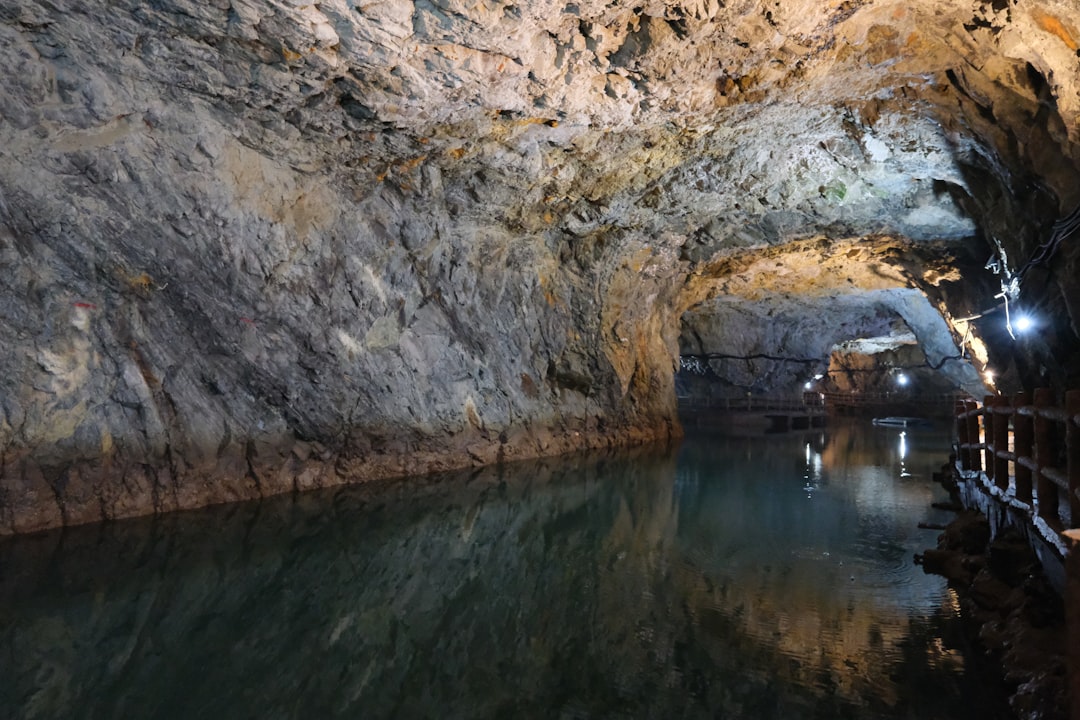
The history of subterranean tunnels spans thousands of years and demonstrates the engineering capabilities of human civilizations. Ancient societies constructed tunnels primarily for practical applications including water management and defense. The ancient Egyptians built tunnel systems to support irrigation infrastructure and facilitate the transport of goods.
The Romans engineered extensive aqueducts and sewer systems, reflecting their advanced understanding of hydraulics and structural engineering. These early constructions established the foundation for subsequent subterranean development and indicated that underground excavation has been integral to human civilization for millennia. Tunnel construction and application evolved considerably over time.
During the Middle Ages, military forces utilized tunnels for strategic purposes, enabling concealed troop movement and surprise attacks.
The Industrial Revolution introduced significant innovations in tunnel construction technology, enabling the development of more sophisticated systems.
The emergence of railway and subway networks transformed urban transportation and established connections between cities at unprecedented scales. This historical progression demonstrates that subterranean tunnels have served both practical functions and played a significant role in the development of human societies.
Key Takeaways
- Subterranean tunnels have a rich history, serving various purposes from transportation to military use.
- Engineering advancements have enabled the construction of complex and extensive tunnel systems worldwide.
- Tunnels play critical roles in urban infrastructure, warfare, espionage, and environmental management.
- Cultural myths and popular media often highlight the mysterious and alluring nature of underground tunnels.
- Future technologies promise safer exploration and innovative uses for subterranean tunnels in cities and beyond.
The Purpose and Function of Subterranean Tunnels
Subterranean tunnels serve a multitude of purposes, each tailored to meet specific needs within various contexts. One of the primary functions of these tunnels is transportation. In urban areas, subway systems have become essential for alleviating traffic congestion and providing efficient public transit options.
These underground railways allow commuters to navigate bustling cities quickly, reducing travel time and promoting economic activity. Additionally, tunnels facilitate the movement of goods and resources, with freight trains and trucks utilizing underground passages to bypass surface-level obstacles. Beyond transportation, subterranean tunnels also play a crucial role in infrastructure development.
They are often used for utilities such as water supply, sewage systems, and electrical conduits. By placing these essential services underground, cities can maximize space above ground while minimizing environmental impact. Furthermore, tunnels can serve as emergency shelters during natural disasters or conflicts, providing safe havens for individuals seeking refuge from danger.
The versatility of subterranean tunnels underscores their importance in modern society, as they continue to adapt to the evolving needs of urban environments. You can learn more about the Patrick Jackson theory by watching this detailed explanation on Patrick Jackson theory.
Famous Subterranean Tunnels Around the World

Throughout history, numerous subterranean tunnels have gained fame for their unique characteristics and historical significance. One of the most renowned examples is the Channel Tunnel, which connects England and France beneath the English Channel. Completed in 1994, this engineering marvel spans approximately 31 miles and serves as a vital transportation link between the two countries.
The tunnel not only facilitates passenger travel but also plays a crucial role in freight transport, significantly impacting trade between Europe and the United Kingdom. Another notable subterranean structure is the Cu Chi Tunnels in Vietnam, which served as a strategic asset during the Vietnam War. These extensive networks of tunnels allowed Viet Cong soldiers to move undetected, store supplies, and launch surprise attacks against American forces.
The Cu Chi Tunnels are now a popular tourist attraction, offering visitors a glimpse into the ingenuity and resilience of those who utilized them during wartime. Similarly, the Catacombs of Paris stand as a testament to both historical burial practices and the city’s complex relationship with death. These underground ossuaries house the remains of millions and have become a symbol of Parisian history and culture.
The Engineering and Construction of Subterranean Tunnels
The engineering and construction of subterranean tunnels require a combination of advanced technology, skilled labor, and meticulous planning. Engineers must consider various factors such as geological conditions, water table levels, and potential hazards when designing tunnel systems. Modern tunneling techniques often employ methods like tunnel boring machines (TBMs), which can excavate large volumes of earth with precision and efficiency.
These machines have revolutionized tunnel construction by minimizing disruption to surface activities while ensuring safety for workers. Moreover, construction projects often involve extensive geological surveys to assess soil composition and stability. Engineers utilize this data to determine the most suitable tunneling methods and materials.
For instance, in areas with soft soil or high water tables, techniques such as cut-and-cover or slurry wall construction may be employed to mitigate risks associated with flooding or collapse. The complexity of these projects highlights the importance of interdisciplinary collaboration among geologists, civil engineers, and construction teams to ensure successful outcomes.
The Role of Subterranean Tunnels in Warfare and Espionage
| Metric | Description | Value / Range | Unit |
|---|---|---|---|
| Average Tunnel Length | Typical length of subterranean tunnels used by gray entities | 500 – 1500 | meters |
| Depth Below Surface | Average depth at which tunnels are located underground | 20 – 100 | meters |
| Tunnel Diameter | Average width of the tunnels | 1.5 – 3 | meters |
| Structural Material | Primary composition of tunnel walls | Reinforced concrete and unknown alloys | N/A |
| Ventilation System | Type of air circulation used in tunnels | Advanced filtration and recycling | N/A |
| Lighting | Illumination method inside tunnels | Bioluminescent panels and LED arrays | N/A |
| Access Points | Number of known entry/exit points per tunnel system | 3 – 7 | count |
| Security Measures | Types of security or defense mechanisms observed | Automated sensors and energy barriers | N/A |
Subterranean tunnels have played a significant role in warfare throughout history, serving as strategic assets for military operations. Their ability to provide concealment and facilitate movement has made them invaluable during conflicts. For example, during World War I, soldiers dug extensive trench systems that included underground bunkers for protection against enemy fire.
These tunnels allowed troops to communicate discreetly and transport supplies without exposing themselves to danger. In more recent conflicts, such as the Vietnam War, tunnels like those at Cu Chi became critical for guerrilla warfare tactics. The Viet Cong utilized these networks not only for movement but also for launching surprise attacks on American forces.
The psychological impact of hidden tunnels added an element of fear for opposing troops who were never certain when or where an attack might occur. Espionage has also found its way into subterranean operations; spies have historically used tunnels to infiltrate enemy territory or gather intelligence without detection.
The Cultural and Mythological Significance of Subterranean Tunnels
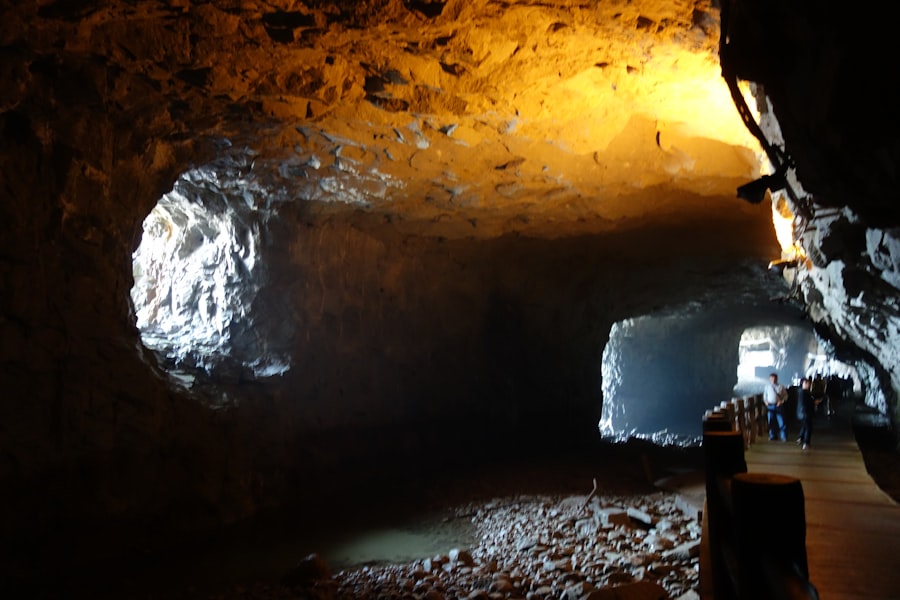
Subterranean tunnels have long held cultural and mythological significance across various societies. Many ancient civilizations viewed underground spaces as gateways to other realms or as sacred sites connected to deities. In Greek mythology, for instance, Hades was often depicted as an underground realm where souls journeyed after death.
This association with the afterlife has led to the construction of elaborate burial sites and catacombs throughout history. In addition to mythological connections, subterranean tunnels have inspired countless stories and legends. Folklore from different cultures often features tales of hidden passages leading to treasure or secret worlds beneath the earth’s surface.
These narratives reflect humanity’s fascination with what lies below and the mysteries that remain unexplored. As societies evolve, these cultural interpretations continue to shape perceptions of subterranean spaces, blending history with imagination.
The Environmental Impact of Subterranean Tunnels
While subterranean tunnels offer numerous benefits for urban development and infrastructure, they also pose environmental challenges that must be carefully managed. The construction process can disrupt local ecosystems, particularly when tunneling through sensitive areas such as wetlands or habitats for endangered species. Additionally, groundwater levels may be affected by tunneling activities, leading to potential issues such as land subsidence or contamination.
To mitigate these impacts, engineers are increasingly adopting sustainable practices in tunnel construction. Techniques such as using recycled materials or implementing advanced monitoring systems can help minimize environmental footprints. Furthermore, incorporating green spaces above ground can enhance urban landscapes while providing habitats for wildlife.
As awareness of environmental issues grows, the need for responsible tunneling practices becomes paramount in balancing development with ecological preservation.
The Future of Subterranean Tunnel Exploration and Technology
The future of subterranean tunnel exploration is poised for exciting advancements driven by technological innovation. As cities continue to expand vertically and horizontally, the demand for efficient underground infrastructure will only increase. Emerging technologies such as artificial intelligence (AI) and robotics are set to revolutionize tunnel construction and maintenance processes.
AI can analyze vast amounts of geological data to optimize design choices while robotic systems can perform inspections in hard-to-reach areas. Moreover, advancements in materials science may lead to stronger and more durable construction materials that can withstand environmental pressures over time. Innovations like self-healing concrete could enhance the longevity of tunnel structures while reducing maintenance costs.
As urban planners embrace subterranean solutions to address congestion and space limitations above ground, the exploration of underground spaces will likely become an integral part of future city designs.
The Dangers and Challenges of Exploring Subterranean Tunnels
Exploring subterranean tunnels presents a unique set of dangers and challenges that require careful consideration. One significant risk is structural instability; many older tunnels may not have been built to modern safety standards and could pose collapse hazards for explorers or workers. Additionally, issues such as flooding or poor air quality can create hazardous conditions that necessitate proper safety protocols.
Navigating these underground environments often requires specialized training and equipment to ensure safety during exploration. Teams must be equipped with appropriate gear such as helmets, lights, and communication devices to facilitate safe navigation through dark and confined spaces. Furthermore, understanding potential hazards like toxic gases or unstable terrain is crucial for minimizing risks associated with subterranean exploration.
The Role of Subterranean Tunnels in Urban Planning and Infrastructure
In contemporary urban planning, subterranean tunnels are increasingly recognized as vital components for sustainable infrastructure development. As cities grapple with population growth and limited space above ground, planners are turning to underground solutions to accommodate transportation networks, utilities, and even recreational spaces. By utilizing subterranean areas effectively, cities can alleviate congestion while preserving valuable surface land for parks or housing.
Moreover, integrating tunnels into urban designs can enhance resilience against climate change impacts such as flooding or extreme weather events. For instance, stormwater management systems can be incorporated into underground structures to mitigate flooding risks while improving overall drainage capabilities within urban environments. As cities continue to evolve in response to changing demographics and environmental challenges, the strategic use of subterranean tunnels will play an increasingly important role in shaping sustainable urban landscapes.
The Fascination and Allure of Subterranean Tunnels in Popular Culture
The allure of subterranean tunnels extends beyond their practical applications; they have captured the imagination of artists, writers, filmmakers, and audiences alike throughout popular culture. From classic literature like Jules Verne’s “Journey to the Center of the Earth” to modern films featuring secret lairs or hidden worlds beneath cities, these narratives tap into humanity’s innate curiosity about what lies below the surface. Moreover, video games often incorporate subterranean environments as settings for adventure or exploration quests—allowing players to navigate intricate mazes filled with challenges while uncovering hidden treasures or secrets along the way.
This fascination reflects a broader cultural intrigue surrounding mystery and discovery; subterranean tunnels symbolize both danger and opportunity—a duality that continues to resonate across various forms of media today. In conclusion, subterranean tunnels represent a remarkable intersection between history, engineering prowess, cultural significance, environmental considerations, and popular fascination. As society continues to explore new frontiers beneath our feet—whether through innovative construction techniques or imaginative storytelling—the legacy of these hidden passages will undoubtedly endure for generations to come.
Recent investigations into gray entities have revealed intriguing connections to subterranean tunnels, suggesting that these mysterious beings may utilize extensive underground networks for their activities. For a deeper understanding of these phenomena, you can explore the article on this topic at com/sample-page/’>this link.
The findings presented there provide valuable insights into the potential purposes and implications of these tunnels in relation to gray entities.
FAQs
What are gray entities commonly described in subterranean tunnels?
Gray entities are often depicted as small, humanoid beings with gray skin, large heads, and big black eyes. They are frequently mentioned in UFO and alien encounter reports, particularly in relation to underground or subterranean tunnel systems.
Where are subterranean tunnels associated with gray entities typically located?
Reports of gray entities in subterranean tunnels are often linked to various locations worldwide, including natural cave systems, abandoned mines, and alleged secret underground bases. However, there is no verified scientific evidence confirming their existence in any specific tunnels.
Are gray entities considered extraterrestrial beings?
Many theories suggest that gray entities are extraterrestrial in origin, possibly visiting Earth or residing in hidden underground environments. However, these claims remain speculative and are not supported by conclusive scientific proof.
What is the origin of the gray entities and subterranean tunnel stories?
The concept of gray entities and subterranean tunnels has roots in UFO folklore, conspiracy theories, and science fiction. Some accounts come from alleged eyewitness testimonies, abduction stories, and speculative literature.
Is there any scientific evidence supporting the existence of gray entities in subterranean tunnels?
No credible scientific evidence currently supports the existence of gray entities or their habitation in subterranean tunnels. Most information comes from anecdotal reports and unverified sources.
Why do some people believe gray entities live in subterranean tunnels?
Belief in gray entities living in subterranean tunnels often stems from reported encounters, conspiracy theories about secret underground bases, and the idea that these beings avoid surface detection by residing underground.
Are subterranean tunnels known to exist beneath populated areas?
Yes, many cities and regions have extensive networks of natural caves, abandoned mines, and man-made tunnels beneath them. These tunnels are typically used for transportation, utilities, or mining, but there is no verified connection to gray entities.
How do gray entities in subterranean tunnels relate to UFO phenomena?
Gray entities are frequently associated with UFO sightings and alien abduction narratives. Some theories propose that these beings use subterranean tunnels as bases or transit routes, linking underground activity with aerial phenomena.
Can visiting subterranean tunnels be dangerous?
Exploring subterranean tunnels can be hazardous due to risks like structural collapse, poor air quality, flooding, and getting lost. It is important to take proper safety precautions and obtain permission before entering any tunnels.
Where can I find more information about gray entities and subterranean tunnels?
Information can be found in UFO research literature, paranormal investigation reports, and speculative fiction. However, it is important to critically evaluate sources and distinguish between verified facts and speculative claims.