
The inception of the space program in the mid-20th century marked a pivotal moment in human history, igniting a fervor for exploration beyond Earth’s atmosphere. However, alongside the excitement of launching rockets and sending humans into orbit, there emerged a shadowy undercurrent of secrecy that would shape the narrative of space exploration for decades to come. The Cold War backdrop provided fertile ground for this secrecy, as nations raced to assert their dominance in technology and military capabilities.
The United States, in particular, found itself embroiled in a web of classified projects and covert operations, leading to the emergence of a cover-up that would obscure significant advancements and discoveries. As the space race intensified, so did the need for governments to control information. The launch of Sputnik by the Soviet Union in 1957 sent shockwaves through the American psyche, prompting a swift response from U.S.
officials who feared falling behind. This urgency led to the establishment of NASA and a series of ambitious missions aimed at showcasing American prowess. Yet, beneath the surface, there was a growing concern about what these missions might reveal—not just about space, but about technologies that could alter the balance of power on Earth.
Key Takeaways
- The space program cover-up began with the government’s decision to withhold information from the public.
- Government secrecy has played a significant role in keeping the public unaware of suppressed technology and discoveries in the space program.
- Whistleblowers have come forward with testimonies revealing hidden information about the space program.
- The media has played a role in perpetuating the cover-up by not fully investigating or reporting on the suppressed information.
- Political and economic motivations have driven the cover-up of the space program to protect national interests and maintain power.
Government Secrecy and the Space Program
Government secrecy surrounding the space program was not merely a byproduct of paranoia; it was a calculated strategy designed to protect national interests. As NASA embarked on its ambitious missions, officials recognized that certain information could be detrimental if disclosed to the public or rival nations. This led to the classification of numerous projects and findings, often under the guise of national security.
The veil of secrecy extended beyond mere technical details; it encompassed everything from research findings to potential extraterrestrial encounters. The implications of this secrecy were profound. While the public was captivated by the spectacle of rocket launches and moon landings, they remained largely unaware of the complexities and challenges faced by scientists and engineers behind closed doors.
The government’s tight grip on information fostered an environment where speculation thrived, leading to conspiracy theories that would later gain traction among those skeptical of official narratives. As a result, the very fabric of trust between the government and its citizens began to fray, setting the stage for a broader discourse on transparency in scientific endeavors.
Suppressed Technology and Discoveries
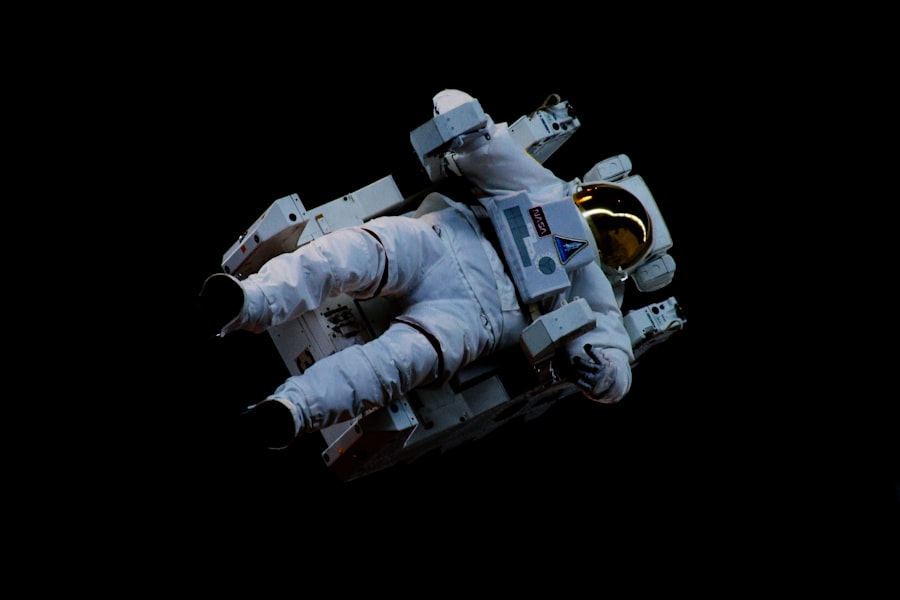
Throughout the history of space exploration, there have been numerous instances where groundbreaking technologies and discoveries were either suppressed or downplayed by government entities. The potential for revolutionary advancements in propulsion systems, energy sources, and even materials science often clashed with existing economic interests or military agendas. For instance, reports have surfaced suggesting that certain propulsion technologies developed during early space missions could have drastically reduced travel times within our solar system but were shelved due to their implications for military applications.
Moreover, discoveries related to extraterrestrial life or anomalous phenomena encountered during missions have frequently been met with skepticism or outright denial. Astronauts and scientists have recounted experiences that hinted at encounters with unidentified flying objects (UFOs) or unexplained anomalies during their missions. However, these accounts were often dismissed or ridiculed, reinforcing a narrative that discouraged open discussion about such topics.
The suppression of these findings not only stifled scientific inquiry but also contributed to a culture of silence that permeated the space program.
Whistleblowers and Their Testimonies
| Whistleblower Name | Organization | Testimony |
|---|---|---|
| Edward Snowden | NSA | Revealed mass surveillance programs |
| Chelsea Manning | US Army | Leaked classified military documents |
| Cathy Harris | Pharmaceutical Company | Exposed fraudulent drug testing practices |
In an environment where secrecy reigned supreme, whistleblowers emerged as crucial figures willing to challenge the status quo. These individuals often risked their careers and personal safety to expose truths that contradicted official narratives. Their testimonies shed light on the darker aspects of the space program, revealing instances where critical information was withheld from both policymakers and the public.
Whistleblowers like former NASA employees have come forward with claims about suppressed technologies and unexplained phenomena encountered during missions. One notable case involved an engineer who worked on propulsion systems for NASA’s early missions. He alleged that his team had developed a technology capable of harnessing energy from quantum fluctuations but was instructed to abandon it due to fears it would disrupt existing energy markets.
Such revelations not only highlight the ethical dilemmas faced by those within the space program but also underscore the broader implications for scientific progress when innovation is stifled by bureaucratic interests.
The Role of Media in the Cover-Up
The media has played a dual role in the narrative surrounding the space program cover-up—both as a conduit for information and as a participant in perpetuating secrecy. In the early days of space exploration, journalists were often enamored by the spectacle of rocket launches and human achievements in space. However, as stories emerged about government secrecy and suppressed information, media outlets found themselves grappling with how to report on these complex issues without alienating their audiences or facing backlash from powerful government entities.
Investigative journalism has occasionally pierced through the veil of secrecy, uncovering stories that challenge official narratives. However, sensationalism can also cloud public perception, leading to misinformation and conspiracy theories that distract from legitimate concerns about transparency. The media’s struggle to balance sensational stories with responsible reporting has contributed to a fragmented understanding of the space program among the public, complicating efforts to foster informed discourse about its implications.
Political and Economic Motivations Behind the Cover-Up
The motivations behind the cover-up of information related to the space program are deeply intertwined with political and economic interests. Governments often prioritize national security over transparency, fearing that revealing certain technologies or discoveries could compromise their strategic advantages. This mindset is particularly pronounced in an era where technological supremacy is closely linked to military power.
As nations vie for dominance in space exploration, they may choose to conceal advancements that could shift the balance of power. Economic factors also play a significant role in perpetuating secrecy within the space program. The aerospace industry is a lucrative sector with vested interests in maintaining control over proprietary technologies and innovations.
This creates a complex web where political motivations intersect with corporate interests, further complicating efforts to achieve transparency in space exploration.
Public Opinion and Awareness of the Cover-Up
Public opinion regarding the cover-up surrounding the space program has evolved over time, influenced by a combination of media portrayals, whistleblower testimonies, and grassroots movements advocating for transparency. Initially, many citizens were captivated by the achievements of NASA and viewed space exploration as a symbol of national pride. However, as awareness grew regarding government secrecy and suppressed information, skepticism began to take root among segments of the population.
Grassroots movements advocating for transparency have gained traction in recent years, fueled by social media platforms that allow individuals to share information and connect with like-minded advocates. Public interest in topics such as UFOs and extraterrestrial life has surged, prompting calls for greater accountability from government agencies. As citizens demand answers about what truly lies beyond Earth’s atmosphere, public opinion is increasingly shifting toward a desire for openness and honesty in scientific endeavors.
The Impact on Scientific Advancements
The ramifications of government secrecy on scientific advancements are profound and far-reaching. When critical information is withheld or suppressed, it stifles innovation and hinders collaborative efforts among researchers and institutions. The potential for groundbreaking discoveries is diminished when scientists are unable to access or share vital data related to space exploration or emerging technologies.
Moreover, this culture of secrecy can deter young scientists from pursuing careers in fields related to space exploration. When aspiring researchers perceive an environment where transparency is lacking, they may be less inclined to engage with projects that could lead to significant advancements. The long-term impact on scientific progress is concerning; as future generations grapple with complex challenges related to space exploration and technology development, they may find themselves operating within a framework that prioritizes secrecy over collaboration.
Legal and Ethical Implications of the Cover-Up
The legal and ethical implications surrounding the cover-up of information related to the space program are complex and multifaceted. Governments have historically invoked national security laws to justify withholding information from the public, raising questions about accountability and transparency in democratic societies. The balance between protecting sensitive information and ensuring public access to knowledge is a contentious issue that continues to spark debate among legal scholars and ethicists alike.
Ethically, there is a growing consensus that citizens have a right to know about significant advancements made through taxpayer-funded programs like NASWhen governments prioritize secrecy over public interest, they undermine trust in institutions designed to serve society’s best interests. This erosion of trust can have lasting consequences for public engagement in scientific endeavors and can hinder collaborative efforts aimed at addressing global challenges related to space exploration.
Efforts to Uncover the Truth
In recent years, there has been a resurgence of interest in uncovering the truth behind government cover-ups related to space exploration. Advocacy groups dedicated to transparency have emerged, pushing for declassification of documents and greater accountability from government agencies involved in space research. These efforts have been bolstered by technological advancements that allow for easier dissemination of information and collaboration among researchers across disciplines.
Additionally, documentaries and investigative journalism have played a crucial role in bringing attention to suppressed information within the space program. By highlighting whistleblower testimonies and exploring controversial topics such as UFO sightings or classified technologies, these efforts aim to foster informed discussions about transparency in science. As public interest grows, so too does pressure on governments to address concerns regarding secrecy and accountability.
The Future of Space Exploration and Transparency
Looking ahead, the future of space exploration hinges on fostering a culture of transparency that prioritizes open communication between governments, scientists, and the public. As humanity embarks on ambitious missions beyond Earth—such as plans for Mars colonization or asteroid mining—the need for collaboration and shared knowledge becomes increasingly critical. Embracing transparency can enhance public trust in scientific endeavors while encouraging innovation through collaborative efforts across borders.
Moreover, as private companies enter the realm of space exploration, there is an opportunity for new models of transparency that prioritize ethical considerations alongside profit motives. By establishing frameworks that promote open dialogue about advancements made through both public and private initiatives, society can work toward ensuring that future explorations are conducted with integrity and accountability at their core. In conclusion, while the history of government cover-ups surrounding the space program is fraught with challenges, it also presents an opportunity for growth and reform within scientific communities.
By addressing issues related to secrecy head-on—through advocacy efforts aimed at uncovering truths—society can pave the way for a more transparent future in which exploration beyond our planet is conducted with integrity and respect for public interest.
In the realm of conspiracy theories, the notion of a space program cover-up has intrigued many enthusiasts and skeptics alike. A related article that delves into similar themes can be found on the X File Findings website. This article explores various government secrets and the potential for hidden agendas within space exploration initiatives. For those interested in uncovering more about these mysterious topics, you can read further by visiting the X File Findings sample page, which provides additional insights and discussions on the subject.
WATCH THIS 🌙 The Moon’s Soul Trap: John Lear’s Chilling Revelation
FAQs
What is the space program cover-up?
The space program cover-up refers to the conspiracy theory that suggests that government agencies, such as NASA, are hiding information about extraterrestrial life, advanced technology, or other significant discoveries related to space exploration.
What evidence is there for the space program cover-up?
Proponents of the space program cover-up theory often point to alleged anomalies in photographs and videos from space missions, whistleblower testimonies, and government documents that they claim support the idea of a cover-up.
Has the government ever admitted to a space program cover-up?
No, there has been no official admission from any government agency or space program regarding a cover-up of information related to space exploration.
What do skeptics say about the space program cover-up?
Skeptics argue that the evidence presented by proponents of the space program cover-up theory can often be explained by natural phenomena, human error, or misinterpretation of data. They also point out that the vast majority of scientific discoveries and advancements in space exploration are openly shared with the public.
What is the mainstream scientific community’s stance on the space program cover-up?
The mainstream scientific community generally dismisses the space program cover-up theory as a baseless conspiracy, citing the lack of credible evidence and the implausibility of such a large-scale cover-up being maintained over an extended period of time.