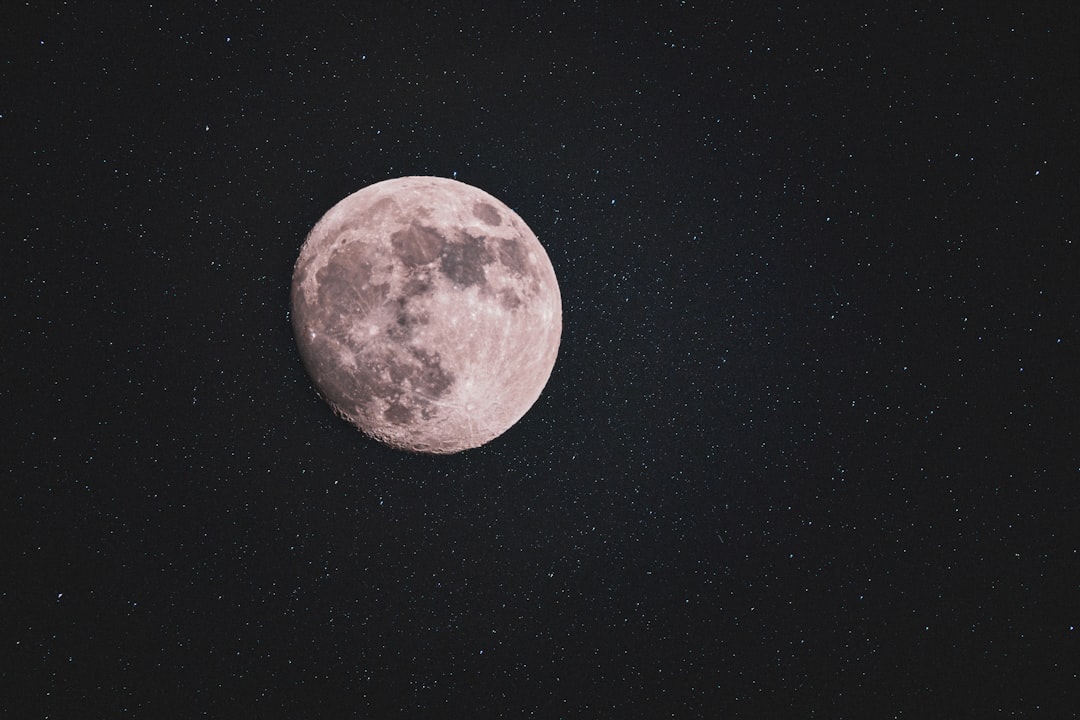
The term “Dark Side of the Moon” evokes a sense of intrigue and wonder, capturing the imagination of many. Contrary to popular belief, this phrase does not refer to a side of the Moon that is perpetually shrouded in darkness. Instead, it describes the far side of the Moon, which remains hidden from direct view from Earth due to the Moon’s synchronous rotation.
This unique phenomenon has led to a plethora of myths and conspiracy theories, as the far side was largely unexplored until the mid-20th century. The allure of the unknown has fueled speculation about what might lie beyond the reach of human observation. The far side of the Moon is characterized by its rugged terrain, dotted with craters and devoid of the large, flat maria that are visible from Earth.
This stark contrast has contributed to its mystique, leading many to wonder if it harbors secrets or even extraterrestrial life. The lack of direct observation for centuries has allowed the imagination to run wild, giving rise to various theories about what could be hidden from view. As humanity’s understanding of space has evolved, so too has the fascination with this enigmatic aspect of our celestial neighbor.
Key Takeaways
- The dark side of the moon is a mysterious phenomenon that has sparked conspiracy theories and speculation for decades.
- The origins of the dark side of the moon conspiracy theory can be traced back to the early days of space exploration and the Cold War era.
- Allegations of a cover-up surrounding the Apollo 11 mission have fueled the dark side of the moon conspiracy theory.
- Scientific explanations debunk the dark side of the moon conspiracy, citing the moon’s synchronous rotation and the lack of evidence for a government cover-up.
- Popular culture has played a significant role in perpetuating the dark side of the moon conspiracy, influencing public perception and belief in the theory.
The Origins of the Dark Side of the Moon Conspiracy Theory
The origins of the Dark Side of the Moon conspiracy theory can be traced back to a combination of cultural fascination with the unknown and historical events surrounding space exploration. In the 1960s, as the space race between the United States and the Soviet Union intensified, public interest in lunar exploration surged. The Moon became a symbol of human achievement and technological prowess, but it also became a canvas for speculation and conspiracy.
The idea that there might be something hidden on the far side of the Moon began to take root in popular culture. One significant catalyst for these theories was the limited information available about the far side prior to the lunar missions. The first images of this mysterious terrain were not captured until 1959 when the Soviet spacecraft Luna 3 sent back photographs.
This lack of knowledge created a fertile ground for conspiracy theorists to suggest that governments were hiding information about extraterrestrial life or advanced technology on the Moon. As stories circulated, they became intertwined with existing myths and legends, further entrenching the idea that there was more to the Moon than met the eye.
The Apollo 11 Mission and Allegations of Cover-Up
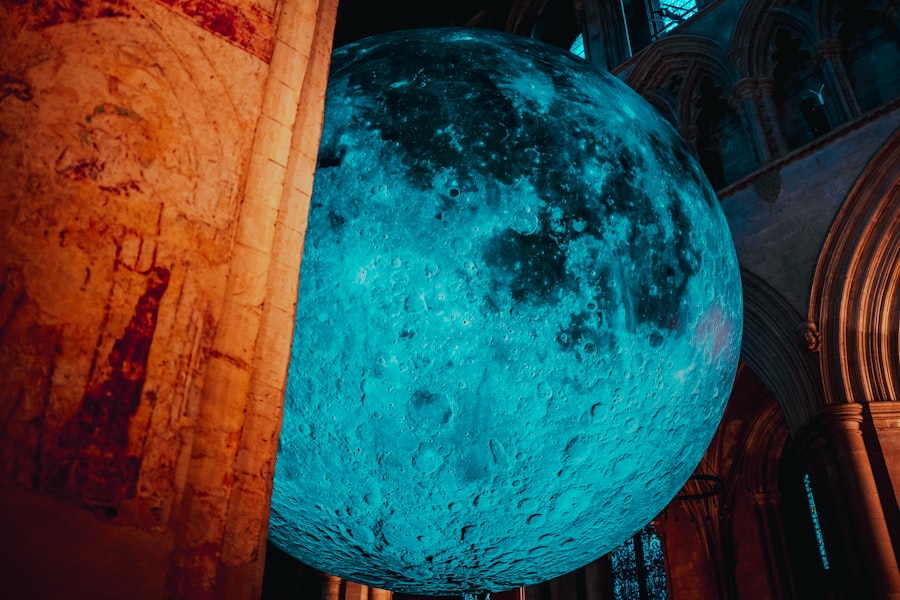
The Apollo 11 mission, which successfully landed humans on the Moon in 1969, marked a monumental achievement in space exploration.
Some theorists allege that NASA and other governmental agencies engaged in a cover-up regarding what astronauts Neil Armstrong and Buzz Aldrin encountered during their historic mission.
These claims often suggest that evidence of extraterrestrial life or advanced technology was discovered but subsequently concealed from the public. The allegations gained traction as various individuals claimed to have insider knowledge or access to classified information. Some even pointed to supposed anomalies in photographs taken during the mission as evidence of a cover-up.
The combination of genuine skepticism about government transparency and a natural human inclination toward sensational narratives fueled these conspiracy theories. As a result, Apollo 11 became not just a symbol of human achievement but also a battleground for competing narratives about truth and deception in space exploration.
Debunking the Dark Side of the Moon Conspiracy
| Claim | Debunking Evidence |
|---|---|
| The moon landing was faked | Multiple independent sources, including photos, videos, and moon rock samples, confirm the authenticity of the moon landing. |
| The dark side of the moon is inhabited by aliens | No credible evidence supports the existence of alien life on the dark side of the moon. |
| The dark side of the moon is a secret military base | Scientific observations and satellite images have shown no signs of any secret military activity on the dark side of the moon. |
Despite the allure of conspiracy theories surrounding the Dark Side of the Moon, numerous scientific investigations and expert analyses have debunked many of these claims. For instance, extensive lunar missions have provided a wealth of data about both sides of the Moon, revealing no evidence to support allegations of extraterrestrial life or hidden technologies. The scientific community has consistently emphasized that the far side is simply a natural extension of lunar geology, characterized by its unique features rather than any nefarious secrets.
Moreover, advancements in technology have allowed for detailed mapping and exploration of the Moon’s surface. High-resolution images captured by lunar orbiters have dispelled many myths associated with the Dark Side. These images show a landscape that is consistent with what scientists expect based on our understanding of planetary formation and impact cratering.
The overwhelming consensus among experts is that while the far side may be less familiar to us, it is not a repository for hidden truths or conspiracies.
The Role of Popular Culture in Perpetuating the Conspiracy
Popular culture has played a significant role in perpetuating conspiracy theories related to the Dark Side of the Moon. Films, music, and literature have often depicted this enigmatic aspect of our celestial neighbor as a site for alien encounters or secret government operations. For instance, Pink Floyd’s iconic album “The Dark Side of the Moon” not only popularized the phrase but also contributed to an aura of mystery surrounding lunar exploration.
Such cultural references have helped solidify public fascination with conspiracy theories. Television shows and documentaries have also explored these themes, often blurring the lines between fact and fiction. By dramatizing alleged cover-ups or presenting speculative narratives as plausible scenarios, these media portrayals can influence public perception and fuel belief in conspiracies.
As audiences consume these narratives, they may become more inclined to accept unfounded claims about what lies on the far side of the Moon, further entrenching these ideas in popular consciousness.
The Scientific Explanations for the Dark Side of the Moon
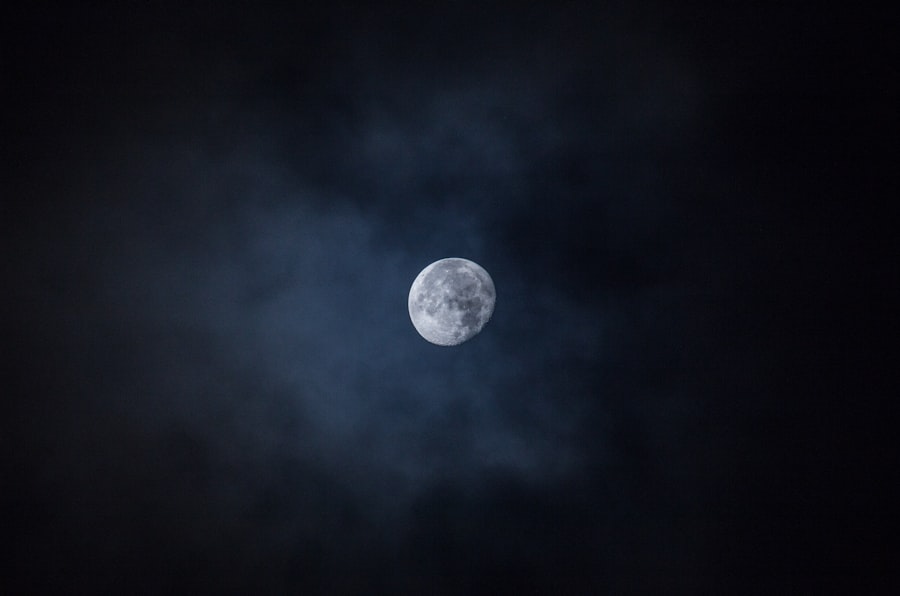
From a scientific perspective, understanding why one side of the Moon is perpetually hidden from Earth involves delving into concepts such as tidal locking and gravitational forces. The Moon’s synchronous rotation means that it takes approximately 27.3 days to complete one rotation on its axis while simultaneously orbiting Earth in roughly the same amount of time. This gravitational relationship results in one hemisphere always facing our planet while the other remains out of sight.
The far side’s unique geological features can also be explained through scientific inquiry. Unlike its near side, which is marked by large basaltic plains known as maria, the far side is heavily cratered and lacks these smooth surfaces due to differences in volcanic activity and impact history. Understanding these geological processes provides insight into not only lunar formation but also broader planetary science, dispelling myths that suggest something extraordinary lies hidden on this side.
The Psychological Appeal of Conspiracy Theories
The psychological appeal of conspiracy theories is multifaceted, often rooted in human cognition and social dynamics. Many individuals are drawn to conspiracies because they offer simple explanations for complex events or phenomena. In an increasingly complicated world, believing in conspiracies can provide a sense of control or understanding amid uncertainty.
The allure of uncovering hidden truths can be particularly enticing when faced with information overload or distrust in traditional sources. Additionally, conspiracy theories often foster a sense of community among believers who share similar views. This social aspect can reinforce beliefs and create an echo chamber where dissenting opinions are dismissed or ridiculed.
In this context, theories surrounding the Dark Side of the Moon can thrive as individuals seek validation for their beliefs while simultaneously distancing themselves from mainstream narratives.
The Impact of the Dark Side of the Moon Conspiracy on Space Exploration
The Dark Side of the Moon conspiracy theory has had tangible effects on public perception and interest in space exploration. While many view these theories as mere curiosities, they can also lead to skepticism regarding legitimate scientific endeavors. Distrust in governmental agencies like NASA may hinder public support for future missions or funding for space exploration initiatives.
This skepticism can create barriers to scientific literacy and understanding, ultimately impacting humanity’s ability to explore beyond our planet. Moreover, as conspiracy theories gain traction, they can divert attention from genuine scientific discoveries and advancements in space exploration. Instead of focusing on groundbreaking research or technological innovations, discussions may become dominated by unfounded claims and sensational narratives.
This shift in focus can undermine public engagement with science and diminish appreciation for humanity’s achievements in understanding our universe.
The Role of Government Secrecy in Fueling Conspiracy Theories
Government secrecy has long been a catalyst for conspiracy theories across various domains, including space exploration. The inherent complexity and classified nature of certain projects can lead to speculation about what information is being withheld from the public. In cases like lunar missions, where national pride and security were at stake during the Cold War era, secrecy surrounding specific details can create fertile ground for conspiracy theorists.
The lack of transparency can breed distrust among citizens who feel excluded from important discussions about scientific endeavors or technological advancements. This distrust can amplify existing conspiracy theories related to topics like the Dark Side of the Moon, as individuals may interpret government silence as evidence that something sinister is being concealed rather than recognizing it as standard operational protocol.
The Future of the Dark Side of the Moon Conspiracy Theory
As humanity continues to advance its understanding of space through ongoing missions and technological innovations, one might wonder about the future trajectory of conspiracy theories related to the Dark Side of the Moon. With new lunar missions planned by various countries and private entities alike, there will likely be increased scrutiny regarding what is discovered on both sides of our celestial neighbor. As more data becomes available, it may challenge existing narratives while simultaneously giving rise to new theories.
Education plays a crucial role in dispelling myths and fostering critical thinking skills that empower individuals to discern fact from fiction. By promoting transparency and open dialogue about scientific endeavors, society can work toward reducing reliance on sensational narratives while embracing genuine curiosity about our universe.
Debating the Legitimacy of the Dark Side of the Moon Conspiracy
The legitimacy of conspiracy theories surrounding the Dark Side of the Moon remains a contentious topic among scholars, scientists, and enthusiasts alike. While some argue that skepticism toward government narratives is healthy and necessary for accountability, others contend that unfounded beliefs can undermine trust in legitimate scientific inquiry. Engaging in thoughtful debate about these issues is essential for fostering an informed public discourse.
Ultimately, examining conspiracy theories through a critical lens allows individuals to appreciate both their psychological appeal and their potential consequences on society at large. By encouraging open dialogue about space exploration while addressing concerns regarding transparency and trustworthiness within governmental institutions, society can navigate these complex issues more effectively—striking a balance between curiosity about our universe and skepticism toward sensational claims that may distract from genuine scientific progress.
In exploring the intriguing theories surrounding “The Dark Side of the Moon” conspiracy, one might find it fascinating to delve into related discussions that examine the broader context of lunar mysteries and extraterrestrial hypotheses. A particularly interesting article that complements this topic can be found on the X File Findings website. This article delves into various conspiracy theories and unexplained phenomena, providing a comprehensive overview that enriches the conversation about lunar secrets. For those interested in expanding their understanding of these enigmatic subjects, I recommend checking out this related article on X File Findings.
WATCH THIS 🌙 The Moon’s Soul Trap: John Lear’s Chilling Revelation
FAQs
What is the dark side of the Moon conspiracy?
The dark side of the Moon conspiracy is the belief that there is a hidden side of the Moon that is being kept secret from the public by government agencies or other organizations.
Is there really a dark side of the Moon?
The term “dark side of the Moon” is a misnomer. In reality, the Moon experiences day and night just like Earth, so there is no permanent dark side. However, there is a far side of the Moon that is not visible from Earth due to tidal locking.
What is the far side of the Moon?
The far side of the Moon is the hemisphere of the Moon that is always facing away from Earth. It is often mistakenly referred to as the “dark side,” but it receives just as much sunlight as the side facing Earth.
Why do some people believe in the dark side of the Moon conspiracy?
Some people believe in the dark side of the Moon conspiracy due to a lack of understanding about the nature of the Moon’s orbit and rotation. Others may be influenced by misinformation or conspiracy theories.
Is there any evidence to support the dark side of the Moon conspiracy?
There is no credible evidence to support the dark side of the Moon conspiracy. The far side of the Moon has been extensively studied and photographed by various space missions, including the Apollo missions and more recent lunar orbiters.
What have space missions revealed about the far side of the Moon?
Space missions have revealed that the far side of the Moon has a different surface composition than the near side, with fewer dark volcanic plains and more rugged terrain. It also lacks the large, dark maria (seas) that are prominent on the near side.