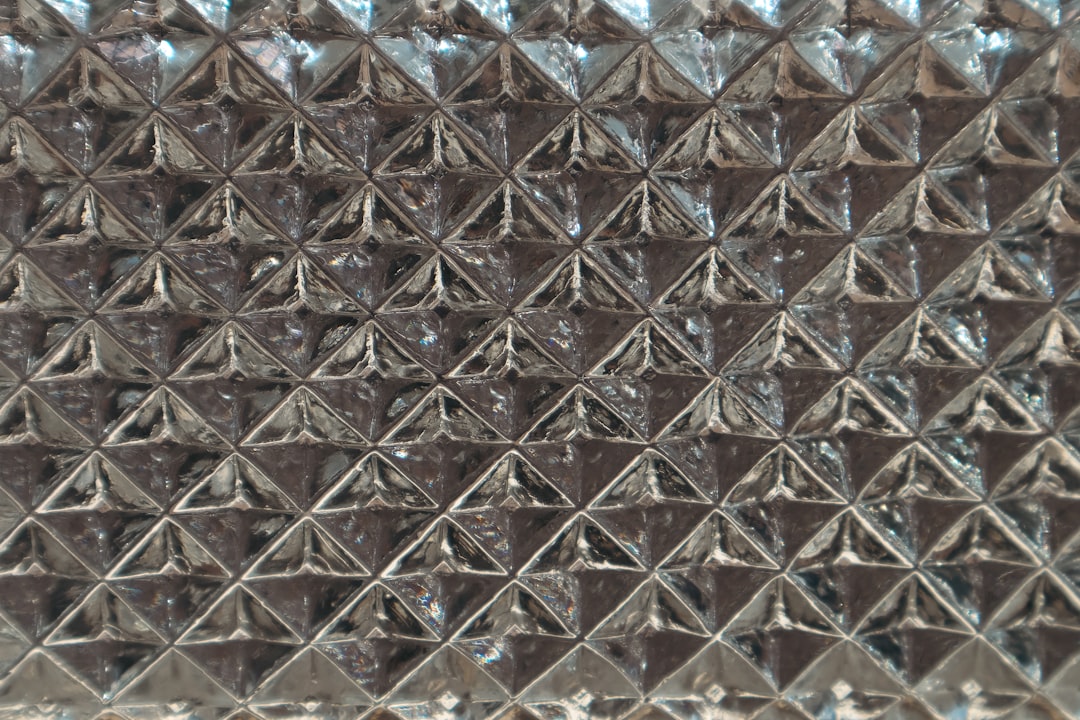
Metamaterial composite layered structures represent a groundbreaking advancement in materials science, merging the unique properties of metamaterials with the versatility of composite materials. These innovative structures are engineered to exhibit properties not found in nature, enabling unprecedented control over electromagnetic waves, sound, and thermal energy. As researchers delve deeper into the potential of these materials, they uncover a myriad of applications that could revolutionize various industries, from aerospace to healthcare.
The integration of metamaterials into composite structures not only enhances their performance but also opens new avenues for design and functionality. The significance of metamaterial composite layered structures lies in their ability to manipulate physical phenomena at a microscopic level. By carefully designing the arrangement and composition of materials, scientists can create layers that interact with waves in ways that traditional materials cannot.
This capability allows for the development of lightweight, strong, and multifunctional materials that can be tailored to meet specific requirements. As the demand for advanced materials continues to grow, the exploration of metamaterial composites stands at the forefront of innovation, promising to reshape the landscape of engineering and technology.
Key Takeaways
- Metamaterial composite layered structures combine unique properties of metamaterials with layered composites to enhance mechanical, thermal, and functional performance.
- Advances in design and fabrication techniques have enabled precise control over material properties, expanding their application potential.
- These structures show significant promise in aerospace, defense, medical devices, and environmental energy solutions due to their tailored characteristics.
- Challenges remain in scalability, cost, and integration, but ongoing research is addressing these to unlock broader industrial use.
- Case studies demonstrate successful implementation, highlighting the transformative impact of metamaterial composites on future materials science and engineering.
The Basics of Metamaterials and their Properties
Metamaterials are artificially structured materials engineered to have properties that differ from those of naturally occurring substances. They achieve this through the precise arrangement of their constituent elements, often at scales smaller than the wavelength of the phenomena they are designed to manipulate. One of the most remarkable characteristics of metamaterials is their ability to control electromagnetic waves, allowing for applications such as cloaking devices, superlenses, and antennas with enhanced performance.
These materials can exhibit negative refractive indices, enabling them to bend light in unconventional ways. In addition to their optical properties, metamaterials can also be designed to influence mechanical and thermal behaviors. For instance, certain configurations can lead to materials that are both lightweight and exceptionally strong, making them ideal for applications where weight reduction is critical.
Furthermore, metamaterials can be engineered to possess unique thermal properties, such as thermal cloaking or enhanced heat dissipation. This versatility makes them a focal point in research aimed at developing next-generation materials that can meet the demands of modern technology.
Understanding Composite Layered Structures and their Applications

Composite layered structures consist of two or more distinct materials combined to create a new material with superior properties. These structures leverage the strengths of each component while mitigating their weaknesses, resulting in enhanced performance across various applications. The layering process allows for the optimization of mechanical strength, weight reduction, and resistance to environmental factors.
Common examples include fiber-reinforced polymers and metal matrix composites, which are widely used in industries such as aerospace, automotive, and construction. The applications of composite layered structures are vast and varied. In aerospace engineering, for instance, these materials are employed to create lightweight yet robust components that can withstand extreme conditions while minimizing fuel consumption.
In the automotive sector, composites contribute to improved fuel efficiency and safety by reducing vehicle weight without compromising structural integrity. Additionally, composite layered structures find use in consumer electronics, sporting goods, and even civil engineering projects, showcasing their versatility and adaptability across different fields.
Advancements in Design and Fabrication Techniques
Recent advancements in design and fabrication techniques have significantly enhanced the development of metamaterial composite layered structures. Innovations such as 3D printing and additive manufacturing have revolutionized how these materials are produced, allowing for intricate designs that were previously unattainable. These techniques enable researchers to create complex geometries with precise control over material distribution, leading to improved performance characteristics tailored to specific applications.
Moreover, computational modeling and simulation tools have become indispensable in the design process. By utilizing advanced algorithms and machine learning techniques, engineers can predict how metamaterial composites will behave under various conditions before physical prototypes are created. This predictive capability accelerates the development cycle and reduces costs associated with trial-and-error approaches.
As these technologies continue to evolve, they promise to further streamline the design and fabrication processes, paving the way for more innovative applications of metamaterial composite layered structures.
The Role of Metamaterials in Enhancing Mechanical and Thermal Properties
| Parameter | Value | Unit | Description |
|---|---|---|---|
| Layer Thickness | 0.5 | mm | Thickness of each individual metamaterial layer |
| Number of Layers | 10 | layers | Total layers in the composite structure |
| Effective Permittivity (ε_eff) | -2.3 + 0.1i | unitless | Complex permittivity indicating negative refraction |
| Effective Permeability (μ_eff) | -1.8 + 0.05i | unitless | Complex permeability for magnetic response |
| Operating Frequency | 10 | GHz | Frequency at which the metamaterial properties are measured |
| Refractive Index (n_eff) | -1.9 + 0.07i | unitless | Effective refractive index of the layered structure |
| Transmission Coefficient | 0.85 | unitless | Ratio of transmitted to incident wave amplitude |
| Reflection Coefficient | 0.12 | unitless | Ratio of reflected to incident wave amplitude |
| Mechanical Strength | 150 | MPa | Compressive strength of the composite structure |
| Density | 2.3 | g/cm³ | Mass density of the composite layered structure |
Metamaterials play a crucial role in enhancing both mechanical and thermal properties when integrated into composite layered structures. By strategically designing the microstructure of these materials, researchers can achieve remarkable improvements in strength-to-weight ratios and thermal conductivity. For example, certain metamaterial configurations can lead to lightweight structures that maintain exceptional load-bearing capabilities, making them ideal for applications where weight is a critical factor.
In terms of thermal properties, metamaterials can be engineered to exhibit unique behaviors such as thermal insulation or enhanced heat transfer. This capability is particularly valuable in applications where temperature control is essential, such as in aerospace components exposed to extreme thermal environments or in electronic devices that require efficient heat dissipation. The ability to tailor these properties through metamaterial design opens up new possibilities for creating advanced materials that meet the specific demands of various industries.
Applications in Aerospace and Defense Industries

The aerospace and defense industries stand to benefit significantly from the integration of metamaterial composite layered structures. In aerospace engineering, weight reduction is paramount for improving fuel efficiency and overall performance.
Components such as wings, fuselage sections, and engine parts can be optimized using these advanced materials, leading to enhanced aircraft performance and reduced operational costs. In defense applications, metamaterial composites can be utilized for stealth technology and advanced armor systems. The unique electromagnetic properties of metamaterials allow for the development of cloaking devices that can render objects less detectable by radar or other sensing technologies.
Additionally, these materials can be engineered to provide superior ballistic protection while remaining lightweight, making them ideal for military vehicles and personnel armor. As research continues in this area, the potential for metamaterial composites to enhance capabilities in aerospace and defense remains vast.
Potential for Metamaterial Composite Layered Structures in Medical and Healthcare Devices
The medical field is another area where metamaterial composite layered structures hold great promise. Innovations in medical devices often require materials that are not only biocompatible but also possess specific mechanical and thermal properties. Metamaterials can be designed to meet these requirements while offering additional functionalities such as improved imaging capabilities or targeted drug delivery systems.
For instance, metamaterial composites could be used in advanced imaging technologies like MRI or ultrasound devices, enhancing resolution and contrast through tailored acoustic or electromagnetic properties. Furthermore, in surgical instruments or implants, these materials could provide superior strength while minimizing weight and improving patient comfort. As researchers explore the intersection of metamaterials and healthcare technology, the potential for transformative advancements continues to grow.
Environmental and Energy Applications of Metamaterial Composite Layered Structures
The environmental impact of materials science is an increasingly important consideration as society seeks sustainable solutions. Metamaterial composite layered structures offer opportunities for energy efficiency and environmental protection through innovative designs that optimize resource use. For example, these materials can be employed in energy harvesting systems such as solar panels or thermoelectric generators, enhancing their efficiency by improving light absorption or heat conversion.
Additionally, metamaterials can contribute to environmental monitoring systems by providing sensors capable of detecting pollutants or changes in environmental conditions with high sensitivity. The ability to create lightweight yet durable sensors using metamaterial composites could lead to more effective monitoring solutions for air quality or water contamination. As the world grapples with pressing environmental challenges, the application of metamaterials presents a promising avenue for developing sustainable technologies.
Challenges and Future Directions in the Field
Despite the exciting potential of metamaterial composite layered structures, several challenges remain in their development and application. One significant hurdle is the complexity involved in designing and fabricating these materials at scale while maintaining consistent quality and performance characteristics. As researchers strive to overcome these challenges, there is a growing need for standardized testing methods and protocols to ensure reliability across various applications.
Looking ahead, future directions in this field may involve further exploration of hybrid materials that combine multiple functionalities within a single structure. The integration of smart technologies into metamaterial composites could lead to self-sensing or self-healing capabilities, enhancing their utility across diverse applications. Continued collaboration between academia and industry will be essential in driving innovation forward and unlocking the full potential of metamaterial composite layered structures.
Case Studies and Success Stories of Metamaterial Composite Layered Structures
Numerous case studies highlight the successful application of metamaterial composite layered structures across various industries. For instance, researchers at a leading aerospace company developed a new type of wing structure using metamaterial composites that significantly reduced weight while improving aerodynamic efficiency. This innovation not only enhanced aircraft performance but also contributed to lower fuel consumption and reduced emissions.
In another example from the medical field, a team developed a novel implant using metamaterial composites designed for orthopedic applications.
Such success stories underscore the transformative potential of metamaterial composite layered structures across diverse sectors.
Conclusion and Implications for the Future of Materials Science and Engineering
In conclusion, metamaterial composite layered structures represent a significant leap forward in materials science and engineering. Their unique properties enable unprecedented control over mechanical, thermal, and electromagnetic behaviors, paving the way for innovative applications across various industries. As advancements in design and fabrication techniques continue to evolve, the potential for these materials to address pressing challenges becomes increasingly apparent.
The implications for future research are vast; as scientists explore new combinations of materials and functionalities within metamaterial composites, they will undoubtedly uncover solutions that enhance performance while promoting sustainability. The journey into this exciting frontier promises not only to reshape existing technologies but also to inspire entirely new paradigms in engineering and design. As such, the continued exploration of metamaterial composite layered structures will play a crucial role in defining the future landscape of advanced materials science.
Metamaterial composite layered structures have garnered significant attention in recent years due to their unique properties and potential applications in various fields, including telecommunications and sensing technologies. For a deeper understanding of the advancements in this area, you can explore a related article on the topic at XFile Findings, which discusses the latest research and developments in metamaterials and their composite structures.
WATCH THIS 🛑 LEAKED: The Ring That Defied Physics (1954-2025 Classified Documents Exposed)
FAQs
What is a metamaterial composite layered structure?
A metamaterial composite layered structure is an engineered material composed of multiple layers, each designed with specific properties to achieve unique electromagnetic, acoustic, or mechanical behaviors not found in natural materials.
What are the typical applications of metamaterial composite layered structures?
These structures are commonly used in applications such as electromagnetic wave manipulation, cloaking devices, antennas, sensors, vibration control, and acoustic insulation.
How are metamaterial composite layered structures fabricated?
They are typically fabricated using advanced manufacturing techniques like lithography, 3D printing, layer-by-layer assembly, or thin-film deposition, depending on the scale and material requirements.
What advantages do layered metamaterial composites offer?
Layered composites allow for tailored anisotropic properties, enhanced mechanical strength, tunable electromagnetic responses, and the ability to combine different functionalities within a single structure.
What materials are commonly used in metamaterial composite layered structures?
Materials can include metals, dielectrics, polymers, ceramics, and sometimes magnetic or piezoelectric materials, chosen based on the desired electromagnetic or mechanical properties.
How do metamaterial composite layered structures affect wave propagation?
They can control wave propagation by altering parameters like permittivity and permeability, enabling phenomena such as negative refraction, band gaps, and waveguiding.
Are metamaterial composite layered structures scalable for industrial use?
While challenges remain, advances in fabrication techniques have made it increasingly feasible to produce these structures at scales suitable for industrial applications.
What challenges exist in designing metamaterial composite layered structures?
Challenges include precise control over layer thickness and uniformity, material compatibility, losses at interfaces, and achieving desired properties over a broad frequency range.
Can metamaterial composite layered structures be tuned or reconfigured?
Yes, some designs incorporate tunable elements like varactors, phase-change materials, or mechanical actuators to dynamically adjust their properties.
How do metamaterial composite layered structures differ from traditional composites?
Unlike traditional composites that combine materials for improved mechanical properties, metamaterial composites are engineered at the micro- or nanoscale to achieve unconventional physical properties, especially in wave manipulation.