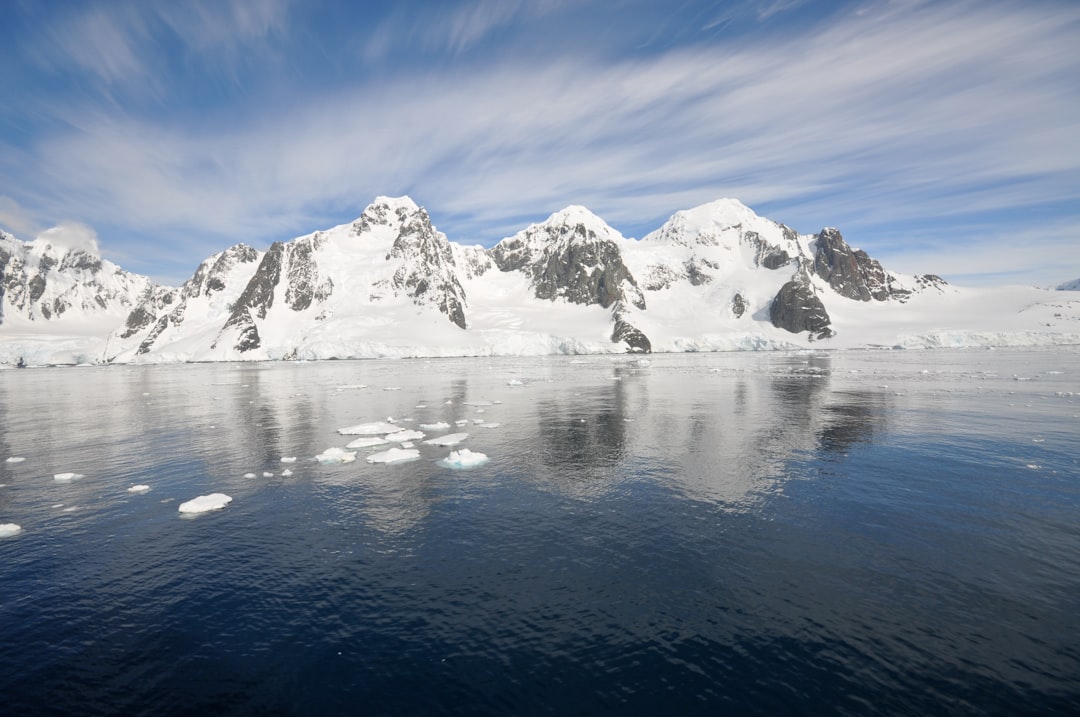
Antarctic Margin Warm Periods are climatic episodes characterized by elevated temperatures in the oceanic and continental shelf regions surrounding Antarctica. These events have occurred multiple times throughout Earth’s geological history and provide important data for understanding long-term climate variability. The Antarctic margin encompasses the continental shelf, slope, and adjacent oceanic areas that directly influence global climate through ice sheet dynamics and ocean circulation patterns.
Research into Antarctic Margin Warm Periods contributes to climate science by revealing how the Earth’s climate system has responded to various forcing mechanisms in the past. These warm intervals are documented in geological records including marine sediment cores, ice cores, and fossil evidence. Analysis of these periods helps scientists identify the mechanisms that drive regional warming, including changes in ocean circulation, atmospheric patterns, and ice sheet behavior.
The study of these warm periods has practical applications for climate modeling and prediction. Historical data from Antarctic Margin Warm Periods inform models used to project future climate scenarios under different greenhouse gas concentrations. This research also contributes to understanding ice sheet stability and sea level change, as the Antarctic ice sheet contains approximately 90% of the world’s freshwater ice.
Changes in Antarctic margin temperatures directly affect ice sheet mass balance and global sea levels.
Key Takeaways
- Antarctic Margin Warm Periods are significant intervals of increased temperatures around Antarctica affecting global climate systems.
- These warm periods are driven by natural factors such as ocean currents, atmospheric changes, and solar radiation variations.
- Evidence from ice cores, sediment records, and climate models confirms the occurrence and impact of these warm periods historically.
- Current research focuses on understanding the mechanisms and predicting future Antarctic warming trends under climate change scenarios.
- Addressing Antarctic Margin Warm Periods requires integrated mitigation strategies and informed policy responses to manage global climate risks.
Causes of Antarctic Margin Warm Periods
The causes of Antarctic Margin Warm Periods are multifaceted, involving a complex interplay of natural processes and external factors. One primary driver is the variation in solar radiation received by the Earth, influenced by changes in Earth’s orbit and axial tilt. These Milankovitch cycles can lead to significant shifts in climate over thousands of years, resulting in warmer conditions in polar regions.
Additionally, oceanic currents play a pivotal role in redistributing heat around the planet. Changes in these currents, often triggered by shifts in wind patterns or alterations in salinity, can lead to localized warming in the Antarctic margins. Another critical factor contributing to these warm periods is volcanic activity.
The release of greenhouse gases and ash from volcanic eruptions can temporarily alter atmospheric conditions, leading to warming trends. Furthermore, the melting of ice sheets and glaciers can release stored carbon dioxide and methane into the atmosphere, exacerbating warming effects. As these gases accumulate, they create a feedback loop that can intensify warming, leading to further ice melt and additional greenhouse gas release.
Understanding these causes is essential for comprehending the broader implications of Antarctic Margin Warm Periods on global climate systems.
Impact of Antarctic Margin Warm Periods on the Climate
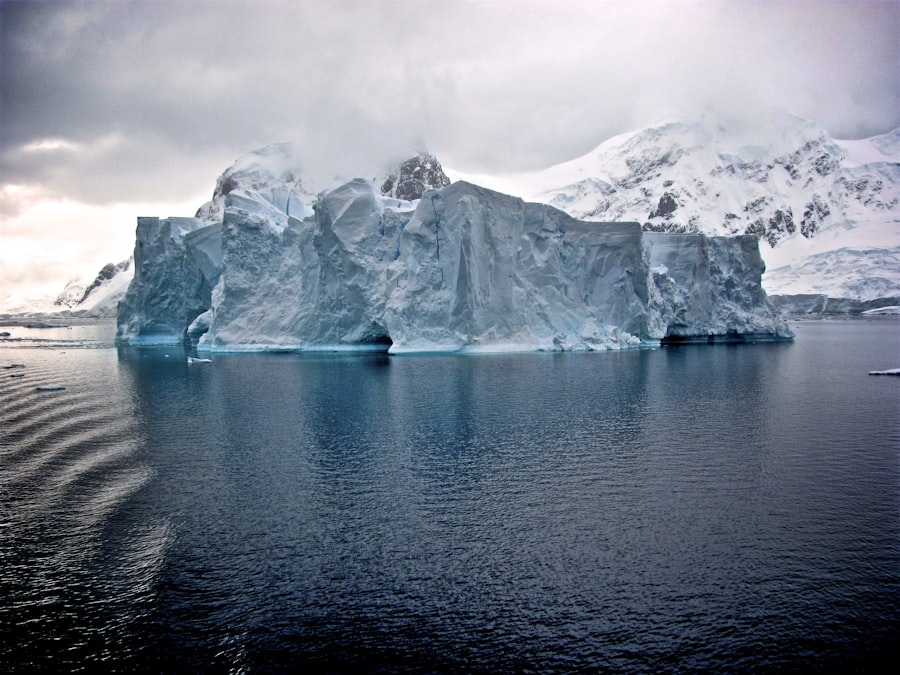
The impact of Antarctic Margin Warm Periods on global climate is profound and multifaceted. During these intervals, significant changes occur not only in temperature but also in sea level, ocean circulation, and atmospheric patterns. The warming of the Antarctic margins can lead to accelerated ice melt, contributing to rising sea levels that threaten coastal communities worldwide.
As glaciers retreat and ice shelves disintegrate, they release freshwater into the ocean, disrupting established currents and potentially altering global weather patterns. Moreover, these warm periods can influence biodiversity in both marine and terrestrial ecosystems. Warmer temperatures may lead to shifts in species distributions as organisms adapt to changing conditions or migrate to more favorable habitats.
This can result in altered food webs and ecosystem dynamics, with cascading effects on fisheries and wildlife populations. The interconnectedness of these systems underscores the importance of understanding how Antarctic Margin Warm Periods can reverberate through global ecological networks.
Evidence of Antarctic Margin Warm Periods
Evidence of Antarctic Margin Warm Periods is derived from various scientific disciplines, including paleoclimatology, glaciology, and oceanography. Ice core samples extracted from the Antarctic ice sheets provide invaluable data on past temperatures, greenhouse gas concentrations, and atmospheric conditions. These cores reveal distinct layers that correspond to different climatic epochs, allowing researchers to reconstruct historical temperature fluctuations and identify periods of warming.
Sediment cores from the ocean floor also offer insights into past marine conditions during warm periods. By analyzing the composition of sediments and the presence of specific microfossils, scientists can infer changes in ocean temperatures, salinity, and biological productivity. Additionally, geological evidence such as moraines and glacial deposits helps establish timelines for ice sheet dynamics during these warm intervals.
Collectively, this evidence paints a comprehensive picture of how Antarctic Margin Warm Periods have shaped both regional and global climates over millennia.
Historical Context of Antarctic Margin Warm Periods
| Warm Period | Timeframe (Million Years Ago) | Average Temperature Increase (°C) | Ice Sheet Extent Reduction (%) | Sea Level Rise (meters) | Key Observations |
|---|---|---|---|---|---|
| Eocene Thermal Maximum | 56 – 34 | 4 – 6 | 60 | 20 – 25 | Significant ice sheet retreat, increased marine biodiversity |
| Mid-Miocene Climatic Optimum | 17 – 15 | 3 – 5 | 40 | 10 – 15 | Partial ice sheet melting, warmer ocean currents |
| Pliocene Warm Period | 5.3 – 2.6 | 2 – 3 | 30 | 10 – 20 | Reduced ice volume, higher sea levels, similar CO2 to today |
| Last Interglacial (Eemian) | 0.13 – 0.12 | 1 – 2 | 15 | 4 – 6 | Short-term warming, partial ice sheet retreat |
The historical context of Antarctic Margin Warm Periods reveals a complex narrative of Earth’s climatic evolution. Throughout geological history, these warm intervals have occurred at various times, often coinciding with significant shifts in Earth’s climate system. For instance, during the Pliocene epoch, approximately 3 to 5 million years ago, global temperatures were notably higher than today, with reduced ice cover in Antarctica.
This period serves as a critical reference point for understanding potential future warming scenarios. Moreover, examining past warm periods provides valuable lessons about resilience and adaptation within ecosystems. The ability of species to survive and thrive during these intervals highlights the importance of biodiversity in maintaining ecological balance.
However, it also underscores the vulnerability of certain species to rapid climate change, particularly in light of current anthropogenic influences that are accelerating warming at an unprecedented rate. Understanding this historical context is essential for informing contemporary climate policies and conservation efforts.
Current Research on Antarctic Margin Warm Periods
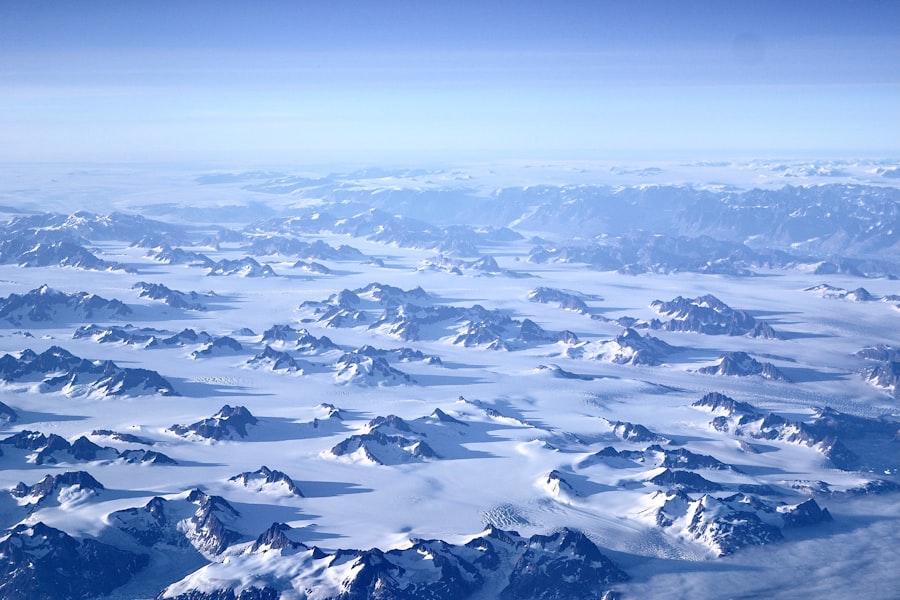
Current research on Antarctic Margin Warm Periods is increasingly focused on understanding the mechanisms driving these climatic events and their implications for future climate scenarios. Scientists employ advanced modeling techniques to simulate past climate conditions and predict future trends based on various greenhouse gas emission scenarios. These models help elucidate the potential feedback loops associated with ice melt and ocean circulation changes.
In addition to modeling efforts, field studies are crucial for gathering real-time data on current conditions in the Antarctic region. Researchers are deploying autonomous underwater vehicles and satellite technology to monitor ice dynamics, ocean temperatures, and biological responses to warming. This cutting-edge research aims to bridge gaps in knowledge about how contemporary changes may mirror or diverge from historical patterns observed during past warm periods.
Future Projections of Antarctic Margin Warm Periods
Future projections regarding Antarctic Margin Warm Periods suggest that continued greenhouse gas emissions will likely lead to more frequent and intense warming events in the region. Climate models indicate that if current trends persist, significant portions of the Antarctic ice sheet could become unstable within this century, resulting in accelerated ice loss and rising sea levels. Projections also suggest that ocean temperatures around Antarctica may rise significantly, further impacting marine ecosystems and global weather patterns.
The implications of these projections extend beyond regional concerns; they pose serious risks for global climate stability. As Antarctica continues to warm, it may trigger feedback mechanisms that amplify climate change effects worldwide. For instance, changes in ocean circulation patterns could disrupt monsoon systems or alter precipitation patterns across continents, leading to droughts or flooding in various regions.
Implications for Global Climate Change
The implications of Antarctic Margin Warm Periods for global climate change are profound and far-reaching.
The melting of ice sheets not only contributes directly to rising sea levels but also influences ocean circulation patterns that regulate climate systems worldwide.
Furthermore, the release of greenhouse gases from melting permafrost and ice can exacerbate warming trends, creating a feedback loop that accelerates climate change impacts. This interconnectedness highlights the urgency of addressing Antarctic warming as part of a comprehensive strategy for mitigating global climate change. Failure to do so could result in irreversible consequences for ecosystems, human societies, and economies around the world.
Mitigation Strategies for Antarctic Margin Warm Periods
Mitigation strategies aimed at addressing Antarctic Margin Warm Periods must be multifaceted and proactive. One key approach involves reducing greenhouse gas emissions through international cooperation and adherence to agreements such as the Paris Accord. Transitioning to renewable energy sources, enhancing energy efficiency, and promoting sustainable land use practices are essential steps toward achieving emission reduction targets.
Additionally, investing in research and monitoring programs is crucial for understanding ongoing changes in the Antarctic region. By improving predictive models and enhancing data collection efforts, scientists can better inform policymakers about potential risks associated with warming trends. Furthermore, conservation initiatives aimed at protecting vulnerable ecosystems can help bolster resilience against climate change impacts.
Policy and Governance Responses to Antarctic Margin Warm Periods
Effective policy and governance responses are vital for addressing the challenges posed by Antarctic Margin Warm Periods. International collaboration is essential given the global nature of climate change; countries must work together to share knowledge, resources, and best practices for mitigating impacts. Organizations such as the Antarctic Treaty System play a crucial role in facilitating cooperation among nations while ensuring that scientific research remains a priority.
Policymakers must prioritize funding for research initiatives focused on understanding Antarctic dynamics while also considering socio-economic factors that influence local communities dependent on marine resources. By fostering a holistic approach that encompasses environmental sustainability alongside economic development, nations can better navigate the complexities associated with warming trends in Antarctica.
The Importance of Addressing Antarctic Margin Warm Periods
In conclusion, addressing Antarctic Margin Warm Periods is critical for understanding both past and future climate dynamics on a global scale. These warm intervals provide valuable insights into how Earth’s climate system operates under varying conditions and highlight the interconnectedness of ecological systems across regions. As scientists continue to unravel the complexities surrounding these phenomena, it becomes increasingly clear that proactive measures are necessary to mitigate their impacts.
The urgency of addressing Antarctic warming cannot be overstated; it poses significant risks not only for polar ecosystems but also for human societies worldwide. By prioritizing research efforts, implementing effective mitigation strategies, and fostering international collaboration, nations can work together to safeguard both Antarctica’s unique environment and the planet’s overall climate stability for generations to come.
Recent studies have highlighted the significance of warm periods at the Antarctic margin, shedding light on past climate conditions and their implications for current climate change. For a deeper understanding of these phenomena, you can explore the article on this topic at XFile Findings, which discusses the geological and climatic factors influencing the Antarctic region during these warm intervals.
FAQs
What are Antarctic margin warm periods?
Antarctic margin warm periods refer to intervals in Earth’s history when the regions along the edges of the Antarctic continent experienced elevated temperatures compared to present-day conditions. These periods often involved significant climatic and environmental changes affecting ice sheets, ocean circulation, and ecosystems.
When did Antarctic margin warm periods occur?
Antarctic margin warm periods have occurred at various times throughout geological history, including during the Eocene epoch (about 56 to 34 million years ago) and the Pliocene epoch (about 5.3 to 2.6 million years ago). These intervals are identified through geological and paleoclimate records.
How do scientists study Antarctic margin warm periods?
Scientists study these warm periods using a combination of methods such as analyzing sediment cores from the ocean floor, ice cores, fossil records, and isotopic data. These proxies provide information about past temperatures, ice volume, and ocean conditions near Antarctica.
What causes Antarctic margin warm periods?
Antarctic margin warm periods are typically caused by natural variations in Earth’s climate system, including changes in atmospheric greenhouse gas concentrations, ocean circulation patterns, tectonic activity, and orbital variations that affect solar radiation distribution.
What impact do Antarctic margin warm periods have on global climate?
Warm periods along the Antarctic margin can lead to partial melting of ice sheets, contributing to global sea level rise. They also influence ocean circulation and atmospheric patterns, which can have far-reaching effects on global climate systems.
Why is understanding Antarctic margin warm periods important today?
Studying past Antarctic margin warm periods helps scientists understand how ice sheets and global climate respond to warming. This knowledge is crucial for predicting future changes in Antarctica and their potential impact on global sea levels and climate under ongoing anthropogenic warming.
Are Antarctic margin warm periods linked to ice sheet stability?
Yes, these warm periods are often associated with reduced ice sheet stability and retreat. Warmer temperatures can cause ice sheets to thin and retreat, which affects global sea levels and regional ecosystems.
Can Antarctic margin warm periods inform us about future climate change?
Yes, by examining how Antarctic margins responded to past warm periods, scientists can better predict how current and future warming might affect Antarctic ice sheets, ocean circulation, and global climate patterns.